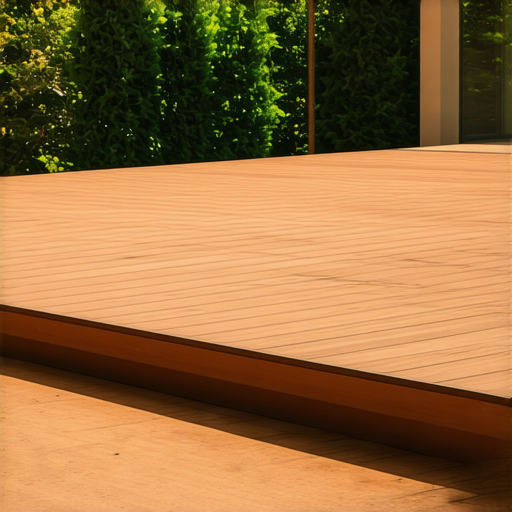

Last summer, I stepped onto my deck, expecting a smooth, solid platform to host family barbecues and lazy weekend mornings. Instead, my foot sank into a hollow, creaking board—an unsettling reminder that even the sturdiest-looking composite decking can falter over time. That moment was my lightbulb moment. I realized I wasn’t alone in battling sagging boards, which can turn a beautiful outdoor space into a safety hazard and a source of frustration.
Why Sagging Boards Are More Than Just a Visual Nuisance
The truth is, sagging decking isn’t just about aesthetics; it poses real safety concerns. Over time, uneven decks can lead to tripping hazards, structural deterioration, and diminished property value. I quickly learned that many of these issues stem from underlying installation mistakes or material fatigue, especially with composites that, despite their durability, aren’t immune to warping or warping in 2026. According to industry experts, improper support and aging materials significantly contribute to deck board sagging, which can be avoided with the right fixes.
Is Deck Sagging Fixable Without a Complete Overhaul?
Early in my journey, I made the mistake of assuming I’d need an entirely new deck. That was a costly misconception. I discovered that, with a few strategic fixes, I could restore my deck’s integrity and extend its lifespan—saving time, money, and a lot of hassle. Ready to learn the best DIY solutions to tackle sagging? Keep reading, because I’ll share three tried-and-true methods that transformed my deck and could do the same for yours.
Curious if your decking issues are fixable without ripping everything out? If you’ve faced these sagging struggles, you’re not alone. Let’s dive into actionable steps that can help you restore safety and style to your outdoor oasis.
Assess the Damage and Support Structure
Begin by inspecting your deck to identify sagging areas and underlying support issues. Use a level to pinpoint uneven boards and check the joists for signs of deterioration or movement. In my case, I noticed a section where the joists had shifted slightly, causing the boards above to dip. Mark these areas clearly before proceeding.
Secure Loose Supports
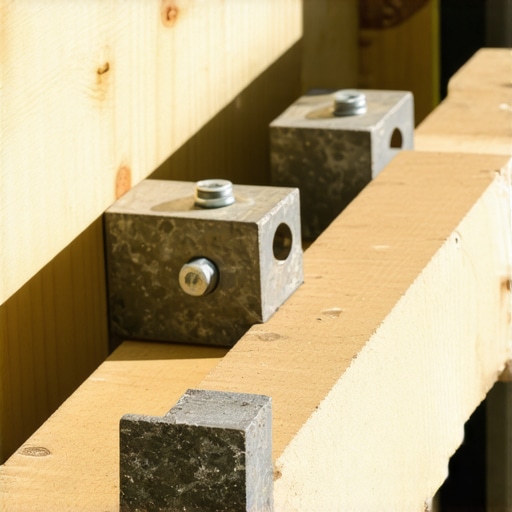
If you find loose or compromised joists, tighten the joist hangers or replace damaged supports. For support reinforcement, add extra blocking between joists to distribute weight more evenly. I drilled additional blocking between the joists beneath the sinking area, which immediately improved stability.
Reinforce or Replace Sagging Boards
For small sagging sections, you can shim the boards with deck screws and shims like pressure-treated wood strips or composite wedges. Drive screws through the sagging board into the shims to lift and stabilize them. I used stainless steel screws and composite shims; it was messy but effective—within a few hours, the boards felt much firmer.
Replace Severely Damaged Boards
If boards are cracked, warped, or rotted, removal and replacement are necessary. Carefully unscrew the damaged boards, taking care not to damage surrounding decking. Measure and cut new boards to match existing dimensions, preferably using durable composite decking—these are designed to resist warping and fading (learn about composite decking trends for lasting outdoor spaces). Use corrosion-resistant screws to secure new boards, ensuring they are tightly fastened to prevent future sagging.
Adjust and Tighten Support Posts
Sometimes, support posts can settle or shift over time, causing support beams to sag. Check the vertical posts with a level; if they lean, use post anchors or shims to restore proper alignment. Tighten or replace any loose or corroded support hardware. It’s crucial to verify that all supports are firmly anchored to the foundation to maintain deck integrity.
Integrate Better Support Systems
If your current support system isn’t adequate, consider installing additional ledger supports or upgrading to stronger joist hangers. For a more sophisticated solution, incorporate adjustable support jacks beneath the joists—these allow precise height adjustments and can prolong your deck’s lifespan. To elevate your outdoor space seamlessly, explore deck design ideas that include advanced support options.
Finalize the Fix and Prevent Future Sagging
Once repairs are complete, double-check that all fasteners are tight and support beams are level. Regular maintenance—annual inspections of support posts, joists, and boards—can catch early signs of sagging, saving time and money. Consider upgrading to high-quality, maintenance-free materials, like composite decking, to reduce future issues (discover durable composite trends).
Even seasoned outdoor enthusiasts often believe that choosing the most popular railing system or deck material guarantees longevity and safety, but that’s a misconception worth challenging. Many people overlook the nuanced factors that impact the durability and aesthetic appeal of their decks and structures. For example, while metal railings are praised for modern looks, they can corrode if not properly maintained, especially in humid climates, undermining their longevity. Similarly, common myths suggest that all composite decking is maintenance-free; in reality, some lower-quality options can warp or fade faster than expected, leading to costly replacements. Recognizing these subtleties requires an understanding of the material’s core properties and installation practices. Advanced mistakes also include neglecting to consider how pergola designs affect sunlight and airflow, which can inadvertently impact the longevity of associated decking materials. For instance, dark-colored composite decks beneath a dense pergola might absorb excessive heat, accelerating wear and fading. This intricate interplay highlights why selecting the right combination of design elements, support systems, and materials is crucial. A survey by the Vinyl Siding Institute reveals that improper installation and neglecting environmental factors contribute significantly to outdoor structure failures, emphasizing the importance of expert advice. For those interested in elevating their outdoor space, exploring the latest trends in durable materials and innovative design solutions can make a real difference. Check out composite decking trends for modern, long-lasting options and consider integrating trustworthy railing systems for enhanced safety, like those featured in Ultimate deck railing guides. Remember, understanding the fine print often distinguishes a fleeting project from a lasting outdoor upgrade. Have you ever fallen into this trap? Let me know in the comments.Maintaining a durable and beautiful outdoor space requires more than just selecting the right materials; it hinges on using the proper tools and adopting effective methods. Personally, I rely on a combination of high-quality drills like the Makita XFD10Z for their power and battery life, which ensures I can tackle multiple support reinforcements or screws without interruptions. Additionally, a digital level such as the Johnson Digital Level provides precise measurements, critical when adjusting support posts or ensuring even decking surfaces. For cleaning and preventive maintenance, I swear by a power washer like the Karcher K5 Premium, which effectively removes dirt, mold, and debris, extending the lifespan of composite decking against fading or warping.
When dealing with support structures, I prefer using a torque wrench to ensure all fasteners are tightened to manufacturer specifications—over or under-tightening can lead to looseness or damage, risking future sagging. For inspections, I utilize a moisture meter, such as the Protimeter Surveymaster, to check for hidden rot in support posts or joists, particularly important when evaluating older decks before applying repairs or upgrades.
Software tools also play a role. SketchUp or similar 3D modeling software helps me visualize possible enhancements, like adding new pergolas or adjusting railing heights, which is crucial for planning support reinforcements or design modifications. Embracing these tools, along with consistent maintenance routines, ensures my outdoor structures remain safe and stylish year after year.
Looking ahead, I predict that automation and smart monitoring will become integral to long-term deck and railing maintenance. Imagine installing sensors that track movement or materials’ integrity—alerts would notify you of potential issues before they become safety hazards. For now, I recommend starting with regular inspections using the tools mentioned.
How do I keep my railing and deck systems functioning over time?
Effective maintenance involves routine checks for loose fasteners, cleaning to prevent mold buildup, and timely repairs of any cracked or warped components. Incorporating an annual inspection schedule, combined with minor adjustments using your trusted tools, goes a long way. For instance, a simple tightening of support bolts or replacing worn shims can prevent sagging and prolong the life of your structure.
Furthermore, upgrading to high-quality, weather-resistant materials like composite decking—explore these trending options—can reduce maintenance needs dramatically. When supporting a pergola, ensure the posts are properly sealed and shielded from moisture, possibly with specialized sealants or protective coatings.
In my experience, consistent upkeep with the right set of tools not only safeguards your investment but also enhances safety and aesthetics. Why not try using a moisture meter to identify unseen rot areas or a torque wrench to ensure all fasteners are correctly tightened? These small steps can make a significant difference in the longevity of your deck and railing systems. Remember, early detection and regular maintenance are your best defense against long-term deterioration—embrace these practices now for peace of mind tomorrow.
Lessons That Took My Deck From Fraid to Fabulous
One of my biggest revelations was realizing that overlooking environmental factors, like sunlight and humidity, can secretly sabotage even high-quality composite decking—no matter how durable it claims to be. Additionally, I learned that installing support systems with precision isn’t just a good idea; it’s essential for long-term safety. And perhaps most surprisingly, routine inspections with the right tools can catch issues early, saving thousands in repairs. These insights transformed my approach, turning a simple repair into a comprehensive strategy for lasting outdoor living.
Tools and Resources That Keep My Outdoor Spaces Strong
I rely on trusted gear like the Makita XFD10Z drill for sturdy fastening, ensuring my repairs hold for years. A digital level from Johnson helps me perfectly align support beams before anchoring, which is crucial for preventing future sagging. For inspecting hidden rot, the Protimeter Surveymaster moisture meter is invaluable—it reveals problems behind the surface before they escalate. And when I want to visualize a major design overhaul, I turn to SketchUp; it’s simple yet powerful for planning support adjustments or new pergolas. These tools have been game-changers in safeguarding my outdoor haven.
Your Next Step in Outdoor Confidence
If you’re ready to elevate your outdoor space beyond the basics, remember that proactive maintenance and informed choices are your best allies. Embrace the mindset that small, consistent improvements lead to decades of safe, stylish outdoor living. Whether you’re reinforcing support systems or exploring modern composite decking options, taking action today will ensure your backyard becomes a trusted retreat for tomorrow. Dive into the latest composite decking trends or explore pergola designs to inspire your next project. Your outdoor future starts now—what’s holding you back from making that leap?