
I remember the first warm weekend I spent customizing my backyard oasis. I was so excited to finally enjoy some outdoor time without feeling like I was on display. But as I lounged on my open pergola, I realized something: I was still exposed to the world. The neighbors and passersby could easily peek in, cutting into my peace and privacy. That lightbulb moment made me realize just how important privacy is when designing outdoor spaces. It’s not just about seclusion; it’s about creating a sanctuary where I can unwind, entertain, and truly enjoy my outdoor haven without feeling exposed.
Why Privacy Matters More Than Ever in Your Backyard
In today’s world, outdoor living has become a crucial extension of our homes. Whether it’s hosting family barbecues or quietly reading a book in the sun, we want our outdoor spaces to be comfortable and private. However, open pergolas, while stylish and airy, often fall short when it comes to shielding us from prying eyes. Without proper privacy, that inviting backyard can feel exposed, defeating the purpose of creating a relaxing retreat. Trust me, I’ve learned the hard way that a little privacy can go a long way in transforming your backyard into the sanctuary you deserve.
Is Privacy Enhancement Really Worth the Effort?
Early on, I made a mistake by thinking I could just throw up some fabric or quick fencing and call it a day. But those solutions either faded quickly or didn’t provide the level of seclusion I craved. It’s a common misconception that privacy hacks are complicated or expensive, but I found that the right strategies can be simple and budget-friendly. If you’ve ever felt frustrated because your outdoor space isn’t quite as private as you’d like, know that there are effective solutions that won’t require a complete overhaul of your setup. In the next sections, I’ll share exactly how I added privacy fast—without sacrificing style or breaking the bank.
Curious if these methods really work? Well, I’ll walk you through three of the easiest and most effective ways I’ve found to transform my pergola into a private oasis. Plus, I’ll share some common pitfalls to avoid, so you can sidestep the mistakes I made early on. Whether you want to shield yourself from nosy neighbors or just create a cozy nook for family time, these quick tips will help you get there.
Quick Fixes for Privacy You Can Do Today
Ready to take your outdoor privacy to the next level? Let’s dive into practical, doable steps that can turn your open pergola into a secluded sanctuary. And if you’re wondering whether these ideas are durable and worth the effort, I’ve got the answers for you—plus some insider tips from industry experts. For instance, choosing the right materials is crucial for longevity, which you can learn more about in this guide on composite decking longevity.
How about you—have you faced similar privacy struggles in your backyard? If yes, keep reading; I’ll help you solve that frustrating problem once and for all.
Add Vertical Elements with Privacy Lattice or Trellises
One of the simplest ways I tackled my privacy issue was installing a lattice panel atop my pergola, creating a semi-enclosed space without sacrificing airflow. I measured the pergola’s width and cut a sturdy wooden lattice to fit snugly across the top, anchoring it with heavy-duty brackets. The result was immediate—friends commented on how cozy it felt, and passersby couldn’t see in. When applying a lattice, consider its orientation and material; choosing weather-resistant wood or composite lattice prolongs its lifespan and keeps your space looking sharp.
Secure the Lattice Properly
Use corrosion-resistant brackets and strong fasteners like stainless steel screws. For a neater look, pre-drill holes and countersink screws before attaching. I learned this the hard way when my first attempt started sagging after a storm—pre-drilling prevented splitting and ensured a tight fit, maintaining privacy over time. For added stability, especially in windy areas, consider diagonal bracing or extending the lattice down the sides of the pergola to block eye lines from different angles.
Strategically placing tall potted plants, like bamboo or arborvitae, provides a living barrier that blends seamlessly with your outdoor aesthetic. I found that clustering several pots along the perimeter of the pergola created a natural wall that softened the view while adding greenery. When selecting plants, keep their mature height in mind and ensure they’re suited for your climate—consult local sources or online guides for the best options. This method is low-cost and can be easily rearranged to adjust privacy levels as needed.
Furnish with Privacy Curtains or Outdoor Drapes
Adding outdoor curtains made from weather-resistant fabric instantly increased the seclusion of my pergola. I chose UV-protected, mildew-resistant curtains that I could retract when open or close for privacy. To hang them, I installed rust-proof curtain rods on surrounding beams, ensuring smooth operation even in wind. Drapes are versatile: you can experiment with colors and textures for style, and since they’re lightweight, they’re easy to replace if they wear out. This solution is especially effective for gatherings or quiet evenings outdoors.
Installing a retractable shade or slatted structure adds adjustable privacy while providing shade. I built a simple pergola extension with adjustable slats, allowing me to control how much light and privacy I want at any given time. When I first installed it, I used weather-resistant horizontal slats attached to a motorized mechanism. It required some wiring, but now I can toggle between open and closed with a remote. This approach offers personalized privacy and can double as a design feature, elevating your backyard’s appeal.
Leverage Existing Fences or Walls
If possible, position your pergola near existing fences or walls and extend these barriers with trellises or climbing plants. I attached a trellis to my property boundary fence and trained flowering vines like clematis along it, creating a lush privacy wall. When installing, use appropriate anchors and ensure the trellis is stable enough to support mature plants. This layered approach maximizes privacy without extra construction, and the greenery provides additional noise dampening and visual screening.
Upgrade Structural Components for Lasting Privacy
Investing in durable materials like composite decking or low-maintenance railing systems ensures your privacy solutions last for years. I chose composite railing with built-in privacy slats, which resist weather and require minimal upkeep. When selecting railing systems, look for options that meet safety standards and match your home’s style. For instance, retrofitting privacy slats into existing rails is an affordable way to enhance seclusion without replacing the entire system.
By combining these strategic steps—whether adding vertical barriers, incorporating greenery, or upgrading existing structures—you can craft a private outdoor area that feels secluded and inviting. Each method offers flexibility and can be tailored to fit your specific space and style, turning your open pergola into the sanctuary you envisioned.
Many homeowners believe that selecting the right railing system or material is a straightforward choice, but in reality, there’s much more beneath the surface. A common misconception is that all composite decking is created equal; however, not all products are designed for longevity or resistance to environmental stresses. For instance, many assume that cheaper composites will suffice, but studies show that high-quality capped composite decks, like those detailed in this composite decking longevity guide, outperform low-end options in durability and color retention.
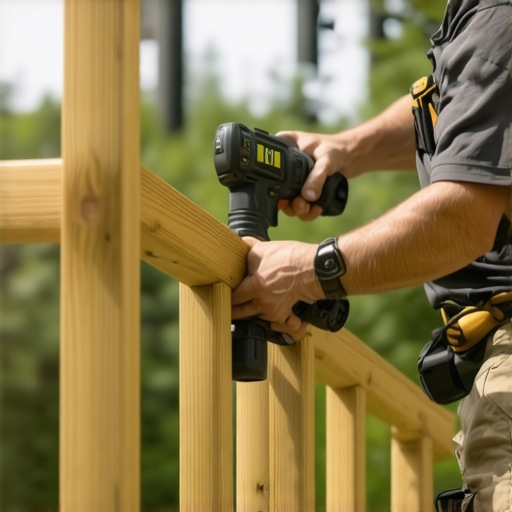
Maintaining your outdoor structures is crucial to ensure they remain beautiful and functional for years to come. Over time, even the most durable materials can experience wear and tear, but with the right tools and methods, you can keep your deck, railing, and pergola in top shape. One tool I personally rely on is a high-quality cordless power drill with variable speed settings. It makes tightening fasteners, installing new components, or making adjustments much more manageable and precise. For example, when retrofitting privacy slats into existing railings, a reliable drill ensures secure attachment without over-tightening, which can cause damage or compromise stability. You can learn about the importance of proper fastener selection in this detailed guide.
Beyond power tools, I swear by a good quality drill bit set designed for composite materials. It prevents splitting when drilling into delicate boards and ensures clean, accurate holes. When dealing with composite decking, avoid using a pressure washer, as it can cause surface damage and reduce longevity. Instead, a soft broom and mild cleaning solution work wonders for routine upkeep, keeping your decks looking fresh without unnecessary wear. Staying consistent with cleaning schedules prevents moss or mold buildup, especially in shaded areas, which can compromise both aesthetics and safety.
For inspecting structural elements like pergola posts or railing brackets, a digital moisture meter becomes invaluable. It helps identify early signs of wood rot or water damage before visible symptoms emerge. Regular checks allow for timely repairs—replacing corroded fasteners, tightening loose components, or applying weatherproof sealants. These small actions, performed periodically, extend the lifespan of your outdoor features and help avoid costly replacements down the line.
How do I maintain my railing and deck over time?
Investing in quality sealants or protective coatings is essential for long-term durability. For composite decking, using a breathable cleaner like the vinegar-water solution ensures stains come off without stripping protective layers. Applying UV-resistant sealants or stains on wood pergolas can greatly reduce fading and cracking, especially in sun-exposed areas. Remember, inspecting your structures each season—before winter and after heavy storms—allows you to catch minor issues early, saving you time and money later. In fact, for those looking to elevate their outdoor space with innovative designs while ensuring longevity, exploring these modern deck design ideas can inspire improvements that marry style with durability.
Looking ahead, trends suggest integrating smart maintenance solutions, such as IoT sensors that monitor moisture or structural shifts in real time. These tech-driven tools could revolutionize how we care for outdoor structures, making upkeep more predictive and less reactive. For now, however, sticking to proven manual methods combined with quality tools remains the best approach.
Don’t forget, even the toughest materials require routine oversight. Try implementing a quarterly inspection routine using a moisture meter and a good set of fasteners—it’s a game-changer for maintaining pristine, safe outdoor spaces. Staying vigilant now ensures your pergola, deck, and railing systems continue to provide beauty, safety, and peace of mind for years to come.
The Hidden Pitfalls of Quick Fixes I Wish I Avoided
One of my biggest mistakes was rushing into installing flimsy privacy screens without considering their durability or how well they complemented my outdoor aesthetic. I learned that investing in high-quality, weather-resistant materials saves money and frustration in the long run. Additionally, I underestimated the importance of anchoring techniques; a poorly secured lattice sagged after a storm, revealing that proper fastening is crucial for lasting privacy. Never forget: patience and quality pay off in creating a true backyard sanctuary.
Tools and Resources That Made a Difference in My Privacy Journey
I rely heavily on a cordless power drill with variable speeds when installing privacy enhancements—they make tasks faster and more precise. I also swear by a moisture meter to monitor wood and composite components, catching issues early. For design inspiration and technical tips, the comprehensive guides on composite decking longevity and modern deck design trends have been invaluable. These resources help me make informed decisions that balance style, durability, and budget.
Your Next Step: Building the Backyard Retreat You Deserve
Creating a private outdoor space is an achievable dream with the right approach and mindset. Take the lessons from my pergola transformation and start small—perhaps by adding tall potted plants or weather-resistant curtains—and expand as you learn what works best for your backyard. Remember, every effort you invest now will pay off with a peaceful retreat to enjoy for years to come. Don’t wait for the perfect moment—start designing your outdoor sanctuary today and embrace the joy of a customized, private escape.
What’s the first privacy upgrade you’re planning to implement in your backyard? Share your ideas below!