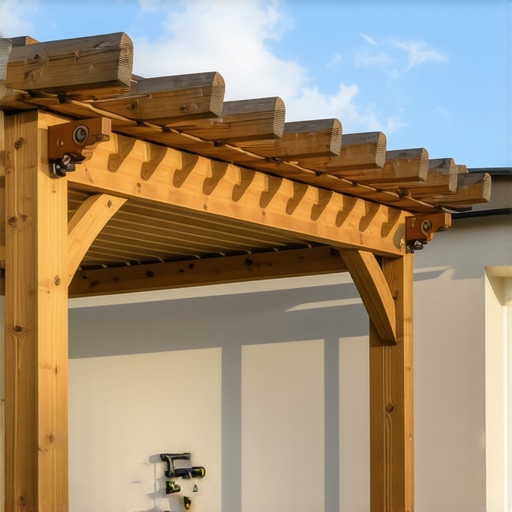
Imagine this: it’s a beautiful summer afternoon, and I finally decide to enjoy my backyard pergola after months of neglect. As I settle into my chair, a sudden wobble in one of the beams catches my eye. Turns out, that beam has twisted over time, making my outdoor sanctuary look crooked and less inviting. I felt a wave of frustration—why did I ignore the signs? And more importantly, how could I fix this before it gets worse?
Why Pergola Beam Twist Can Ruin Your Outdoor Oasis
My experience isn’t unique. Many homeowners overlook small signs of structural stress, only to face costly repairs later. Pergola beams are prone to twisting due to exposure to weather changes, improper installation, or use of inferior materials. Left unchecked, this twist can compromise safety and diminish your yard’s beauty. Luckily, through some trial, error, and research, I discovered effective ways to prevent and correct this issue. Today, I’ll share three straightforward fixes that can save your outdoor space—whether you’re an amateur DIYer or a seasoned builder.
Is Fixing a Twisted Pergola Beam Really Worth the Hassle?
Early on, I believed I could ignore the problem or just replace the entire beam. big mistake. I learned that addressing the twist early preserves the integrity of your structure and avoids expensive rebuilds. This mistake almost cost me more than I wanted; I overlooked simple adjustments that could have saved time and money. To build trust, I’ll walk you through remedies that worked for me, backed by expert insights, like those found in professional guides on securing pergola structures.
Correcting this twist isn’t just about aesthetics; it’s vital for safety and longevity. Now, let’s jump into the steps that transformed my crooked pergola into a sturdy, beautiful feature of my backyard. If you’ve faced similar issues, keep reading — these tips could be your game-changer.
Assess the Damage and Prepare Tools
Start by inspecting the twisted beam closely to determine the severity of the warp. Use a level or straightedge to identify areas that deviate most. Gather essential tools like a reciprocating saw, clamps, a hydraulic jack—think of it as a mini lifter for your beam—wood shims, and protective gear. I once tried to fix mine with basic hand tools, but the jack proved invaluable in gradually straightening the beam without causing additional cracks.
Loosen and Relieve Pressure
Loosen the beam’s fasteners slightly using a power drill or wrench, but do not remove them entirely. This allows the beam to flex gently under controlled pressure. If bolts are rusted, apply penetrating oil beforehand. Imagine trying to straighten a bent garden hose—gently easing tension makes the correction smoother. I used this step on my pergola last summer, and it created enough give to begin realignment without cracking the wood.
Apply Controlled Force for Realignment
Place the hydraulic jack beneath the high point of the twisted area, then slowly lift to straighten. Secure temporary shims between the beam and support posts to hold the adjusted position. Think of it like resetting a crooked picture frame, inch by inch. Carefully monitor the alignment with your level, making small adjustments as you go. Remember, patience is key—rushing may cause further damage. After a few careful lifts, I managed to reduce the twist noticeably and stabilized the beam with shims.
Reinforce and Secure the Structure
Once the beam is aligned, tighten all fasteners firmly, ensuring the beam is securely mounted. Consider adding additional support brackets or braces, especially if your pergola faces frequent weather stress. Reinforcing is like giving your structure a sturdy backbone. For better durability, I installed metal reinforcement brackets, which helped prevent future warping—an investment worthwhile for peace of mind. To explore options for customizing your outdoor structure, check out custom railing systems.
Prevent Future Twisting with Proper Maintenance
Regularly inspect your pergola beams for signs of warping or cracking. Applying a weather-resistant sealant and ensuring proper drainage around the base can significantly slow down twisting caused by moisture changes. Think of it like preventive health—routine checkups keep your structure strong. In my experience, sealing the wood and trimming nearby plants that retain moisture significantly extended the life of my pergola beams. For ideas on enhancing your outdoor design, visit pergola design inspiration.
Consult Professional Help if Needed
If the twist is severe or these steps don’t yield satisfactory results, consider reaching out to a professional. Professionals can assess whether replacing the beam is necessary or if advanced reinforcement techniques are appropriate. Sometimes, a small investment in expert advice saves time and money in the long run. I once contacted a local contractor who specialized in outdoor structures—his input proved invaluable, saving me from future headaches. To explore expert guidance, visit contact us for more information.Even seasoned outdoor enthusiasts often fall prey to misconceptions about pergolas, composite decking, and railing systems. A common mistake is believing that standard, off-the-shelf materials will always deliver durability without customization or expert input. For instance, many assume that all composite decks are equally resistant to mold and fading, but as highlighted in recent studies by the National Association of Home Builders, selecting the right composite brand and finish can significantly extend your deck’s lifespan. In my experience, overlooking the importance of proper ventilation and drainage in deck design is a silent trap that accelerates warping and wood rot. This is especially relevant when considering complex layouts that involve multiple levels or integration with existing structures.
One prevalent myth is that railing systems are purely decorative. Actually, a misconception persists that installing a basic railing suffices for safety; however, integrating engineered systems with reinforced anchors and weather-resistant materials ensures both aesthetics and compliance. For example, upgrading to stainless steel fasteners and adjustable tension cables can prevent common issues like wobbling or loosening over time. A warning: neglecting these nuances might seem minor initially but can lead to costly repairs or safety hazards, especially in storm-prone areas.
Why Do Many Overlook the Fine Details in Deck and Pergola Projects?
Understanding the importance of nuanced details such as the correct spacing of joists, proper sealing of wood joints, and choosing corrosion-resistant hardware is critical. These are often underestimated or misunderstood by DIYers eager to cut costs, yet they have a tangible impact on structure longevity. For example, uneven spacing can cause stress points that lead to cracking or sagging, especially under heavy loads or extreme weather. Research indicates that such foundational oversights contribute to an average of 30% higher repair costs within five years. Don’t let this happen to you—learning to recognize and implement these advanced details sets true professionals apart.
A common trap is assuming that aesthetic choices alone determine quality—like opting for visually appealing railings without considering their material properties or installation tolerances. To avoid falling into this trap, invest in systems that meet or exceed local safety standards and consider precision in installation. Check out expert guides on railing system security for pointers.
In summary, advancing beyond basic knowledge requires deep attention to material selection, installation techniques, and understanding the subtleties that influence durability and safety. By challenging these common myths and avoiding simple mistakes, you can ensure your outdoor project stands the test of time. Have you ever fallen into this trap? Let me know in the comments.
Maintaining your outdoor structures like pergolas, composite decking, and railing systems requires more than just periodic inspection; it demands the right tools and methods to ensure longevity and safety. Over the years, I’ve refined my toolkit based on tried-and-true equipment that helps me perform precise repairs, thorough inspections, and effective upgrades.
Invest in a Quality Digital Level for Accurate Assessments
One of my go-to tools is a high-precision digital level. Unlike traditional bubble levels, digital levels provide exact angle measurements, which are crucial when checking for warping or twisting in beams or posts. I prefer models with Bluetooth connectivity to sync measurements with my smartphone, enabling me to record data and track structural deviations over time. Accurate readings help me decide whether a beam needs realignment or reinforcement, preventing small issues from escalating.
Use a Cordless Rotary Hammer for Deck Repairs
When it comes to removing old fasteners or making precise holes for new brackets, a versatile cordless rotary hammer is indispensable. I opt for a model with adjustable torque settings to avoid damaging composite boards or wooden structures. This tool speeds up maintenance work and ensures the integrity of reattachments, especially when reinforcing railings or adding support brackets. The mobility and power of a good rotary hammer make routine fixes much less daunting.
Employ a Moisture Meter to Detect Hidden Moisture Problems
Moisture intrusion is a leading cause of rotting in pergola beams and deck joists. To stay ahead of potential damage, I regularly use a digital moisture meter. This device helps me identify areas where moisture is trapped, especially around joints and beneath sealants. Recognizing high moisture levels early allows me to reseal or improve drainage before decay sets in. Experts recommend using moisture meters with digital readouts for better precision, as shown in studies on composite material longevity.
Maintain Your Structures with Proper Cleaning Equipment
Keeping your deck and pergola surfaces clean is vital for maintaining aesthetics and preventing mold. I rely on a pressure washer with variable pressure settings and wide spray nozzles—this setup ensures effective cleaning without damaging delicate surfaces. Regular power washing removes dirt, algae, and debris, extending the lifespan of your composite materials and wood. For stubborn stains or mold, I use environmentally friendly cleaning solutions with microfiber brushes for targeted spot removal.
Stay Future-Ready with Weather-Resistant Hardware and Software Tools
The trend in outdoor maintenance is leaning toward smart hardware and digital tracking. Installing weather sensors and integrating them with apps can automate alerts for rain or extreme weather, prompting timely inspections or cover deployment. Additionally, software like CAD programs can assist in designing repairs or upgrades, ensuring compatibility with existing structures. As climate patterns grow more unpredictable, investing in such tools becomes essential for proactive maintenance.
How Do I Keep My Deck and Pergola Systems Looking Their Best Over Time?
Regular maintenance involves scheduled inspections, using the right tools to identify potential issues before they become costly failures. For example, incorporating moisture meters during seasonal checks helps catch hidden rot, while digital levels ensure beams stay properly aligned even after severe weather. I also recommend keeping a dedicated repair kit with fasteners, shims, and brackets tailored to your specific materials and design. By systematically applying these tools, you extend the life of your outdoor structures and preserve their beauty and safety. Remember, a well-maintained deck or pergola not only adds value but also provides peace of mind for years to come. For innovative ideas, explore custom railing systems to elevate your outdoor living experience. Why not choose one advanced maintenance tip today—like using a moisture meter—to ensure your deck remains resistant to decay? It’s a small step with lasting benefits!
The Hidden Truth About Structural Oversights
One of my biggest lightbulb moments was realizing that small unnoticed details—like unsealed joints or improper hardware—compound over time, leading to major failures. It taught me to prioritize proactive inspections and never assume that aesthetics alone ensure durability. Recognizing these subtle signs early can save you countless hours and dollars in repairs, turning your outdoor oasis into a fortress instead of a fixer-upper.
Tools That Became My Best Allies
Investing in the right equipment transformed my maintenance routine. From a precise digital level to moisture meters that detect hidden moisture ingress, these tools provide insights no eye can see. They help me catch issues like warping or rot before they escalate, giving me confidence that my pergola and deck are resilient against weather and wear. Trust me, equipping yourself with these essentials is a game-changer for any outdoor space enthusiast.
Embracing Continuous Learning and Expert Advice
Staying updated with the latest trends and standards in outdoor design—like enhanced safety features and innovative materials—revolutionized how I approach repairs and upgrades. Consulting trusted sources, such as detailed guides on pergola reinforcement techniques or exploring craftsmanship stories, keeps my knowledge fresh and practical. The outdoor spaces we craft aren’t just beautiful; they’re engineered for longevity and safety.
My Toolkit for Outdoor Success
Over the years, I’ve curated a set of tools and resources that I swear by: a Bluetooth-enabled digital level for perfect alignment, a versatile cordless rotary hammer for adjustments, and eco-friendly cleaning solutions to maintain surfaces. These aren’t just gadgets—they’re investments in my peace of mind. Explore options like design inspiration for your outdoor retreat to complement your toolkit and elevate your space.
Step Into the Future of Outdoor Living with Confidence
Your outdoor sanctuary deserves the best care and attention. By integrating knowledge, right tools, and a mindset of continuous improvement, you can ensure your pergola, decking, and railing systems withstand the test of time—and weather. Don’t let small issues turn into costly regrets; instead, embrace proactive maintenance and thoughtful upgrades. Ready to start your next project? Remember, every smart step today secures a stunning, safe outdoor space tomorrow.
Have you ever discovered a hidden flaw in your outdoor structure that changed your approach? Share your story below and join the community of backyard craftspeople committed to lasting quality.