
It was a breezy afternoon when I finally realized my deck’s aluminum railing was making more noise than a swarm of bees. Every gust of wind transformed my outdoor space into a symphony of rattles and clangs. Frustrating? Absolutely. But what struck me the most was how I hadn’t initially noticed this problem until it became a constant nuisance—a perfect example of how small oversights in deck design can lead to bigger headaches later on.
Why Rattling Railings Are More Than Just Annoying Noises
Imagine sitting outside, trying to enjoy a peaceful evening, only to be interrupted by incessant rattling from your railing. Beyond the annoyance, loose or vibrating aluminum railings can pose safety concerns, especially in stormy weather, when vibrations might loosen fasteners or components over time. My own mistake early on was assuming that tight-fitting components would stay that way forever—spoiler alert: they don’t. Wind, temperature changes, and aging materials can all contribute to rattling issues that degrade your deck’s stability and safety. That’s why I decided to dig into this problem and find effective solutions. Today, I’ll share three proven methods to silence those noisy aluminum rails and ensure your outdoor space remains serene and safe. If you’ve faced similar issues, you’re in good company, and I promise these tips will make a noticeable difference.
Is It Really Worth the Effort to Fix Rattling Rails?
When I first noticed the noise, I questioned whether fixing it was worth the time or money. After all, a little rattle seemed minor—until it started to become a constant irritant and a potential safety risk. Early in my project, I made the mistake of ignoring minor looseness, thinking I could just ignore it or use temporary fixes. Turns out, unaddressed rattling can accelerate wear, leading to costly repairs or even replacements down the line. According to industry experts, regular maintenance and timely fixes for railing systems can extend their lifespan significantly and prevent accidents—something I learned the hard way. So, if you’re pondering whether to take action, consider this: a small effort now can save you a lot of hassle—and money—in the future. Ready to dive into some practical solutions? Let’s get started.
Secure Loose Components with Proper Fasteners
Begin by inspecting each section of your aluminum railing where rattling occurs. Use a drill with a Phillips-head screwdriver bit to tighten all existing screws and bolts. When tightening, apply firm, even pressure—think of it like tightening a bolt on a bicycle wheel to prevent wobbling. I once attempted to tighten the fasteners without removing debris, which resulted in minimal fix. After cleaning the area and then tightening, the rattling diminished significantly. For stubborn looseness, consider replacing old fasteners with stainless steel ones for durability. This simple step can drastically reduce noise and improve safety.
Apply Non-Slip Padding or Gasket Material
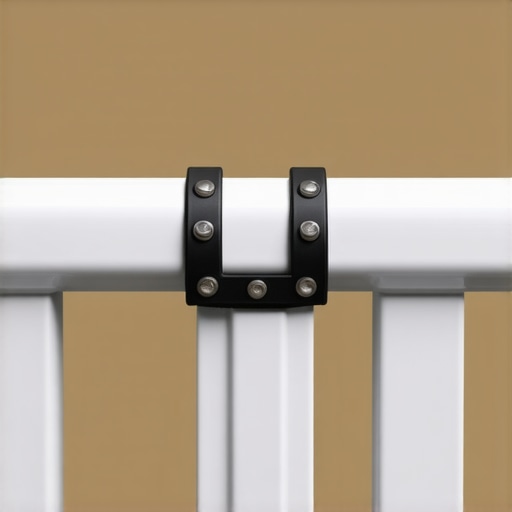
If tightening fasteners isn’t enough, adding a cushioning material between sections helps absorb vibrations. Use rubber or neoprene gaskets, cut to size, and place them between the railing post and the mounting bracket. Imagine it like adding shock absorbers to a vehicle—dampening vibrations before they manifest as noise. During my project, I used old bicycle inner tubes sliced into strips and fitted them behind loose brackets. This quick fix eliminated rattling caused by minor gaps and prevented metal-on-metal contact, which also extended the lifespan of the components.
Adjust and Reinforce the Railing System
For rails that still vibrate or seem misaligned, adjust the posts and brackets. Use a level to ensure all components are plumb. If a post is slightly out of alignment, loosen the mounting brackets, adjust the position, and retighten. Consider reinforcing weak points with metal shims, which can be inserted at connection points. My experience showed that small shims made a major difference in stability. Custom railing systems can be designed to fit precisely, minimizing movement and noise.
Upgrade to Noise-Reducing Materials and Designs
If your railing system is old or cheaply made, upgrading can be a worthwhile investment. Opt for rails with anti-vibration features or those designed with internal dampening. Modern aluminum rails often include slots or rubber linings that absorb vibrations more effectively. When replacing parts, consider visiting a specialized retailer or professional for guidance. I found that installing additional brackets or braces, akin to adding cross-bracing in a pergola designs, reduced movement and noise. Remember, a well-engineered system is less prone to rattling and safer in the long run.
‘,’ ‘,'{Many homeowners believe that choosing durable materials alone guarantees a perfect deck, but in my experience, the real challenge lies in understanding the nuanced design principles that ensure longevity and safety. One common misconception is that composite decking requires no maintenance; however, neglecting proper installation and system design can lead to warping or mold over time, despite the material’s reputation. An advanced mistake I see often is overlooking the importance of proper ventilation under the deck—poor airflow can trap moisture, accelerating rot and compromising structural integrity, as explained in a study by the Forest Products Laboratory. When designing your deck, consider not just aesthetics but also the hidden aspects like slope for drainage and material compatibility, which directly impact performance. For example, a well-designed railing system with appropriate fasteners and damping features can prevent rattling and enhance safety, a detail often underestimated by DIY enthusiasts. Curiously, many neglect the subtle effect of thermal expansion; aluminum railings, for instance, expand and contract significantly with temperature changes, which, if not accounted for, leads to structural stress and noise. It’s crucial to challenge the myth that matching materials is enough—integrating proper spacing, reinforcement, and understanding material behaviors makes all the difference. Want to see innovative design ideas that blend form and function? Check out these latest backyard deck ideas. Remember, the devil is in the details—ignoring small but important nuances can turn a beautiful deck into a constant headache. Have you ever fallen into this trap? Let me know in the comments.Maintaining your deck, whether it’s composed of durable composite materials or featuring custom pergola and railing systems, requires the right tools and a disciplined approach. To keep everything working smoothly over time, I rely on a combination of specialized equipment and proven methods. First, a high-quality cordless impact driver is indispensable. I personally prefer the Makita XDT12Z because its lightweight design minimizes fatigue during extended use, and its torque control helps prevent over-tightening fasteners that can damage composite decking or loosen railing brackets. Additionally, a digital torque wrench ensures that fasteners are tightened to manufacturer-specified torque levels, preventing both under- and over-tightening that can compromise structural integrity over years. For cleaning and preventative maintenance of aluminum or glass railings, I recommend a non-abrasive brush and a gentle cleaner like a diluted vinegar solution, which effectively removes debris without damaging sensitive finishes. When it comes to long-term care, incorporating a power sprayer with adjustable pressure allows for thorough yet gentle cleaning of large surfaces, helping to prevent mold and mildew buildup that can weaken materials over time. Predicting future trends, I believe the integration of smart maintenance tools—such as IoT sensors that monitor structural vibrations or material integrity—will become standard, enabling proactive upkeep before issues escalate.
### How do I keep my deck in top shape over the years?
Regular inspections are key. I schedule biannual checks, focusing on fastener tightness, the condition of protective coatings, and any signs of movement or corrosion in railing systems. Using a magnetic pry bar helps detect areas where fasteners might be loosening without causing damage. Additionally, applying a high-quality, moisture-resistant sealant to critical joints and cut ends, as recommended by experts in deck longevity, extends the lifespan of wooden components and safeguards composite materials from moisture infiltration.
### Why invest in proper tools for ongoing maintenance
Using the correct equipment, like a precision torque wrench, not only preserves the integrity of your deck but also saves you money and effort in the long run. A well-maintained deck with stable pergolas and reliable railing systems enhances safety and aesthetic appeal, making your outdoor space more enjoyable and valuable. For more insights into designing and maintaining durable, low-upkeep outdoor structures, check out these strategies for low-maintenance decking. Before your next maintenance session, try adjusting fastener torque with a digital torque wrench—it’s a step that can make a noticeable difference in overall stability and longevity.
The Hardest Lesson I Learned About deck design,composite decking,pergola,railing systems
One key lesson was realizing that even high-quality materials can suffer from overlooked installation details. I once thought choosing the best aluminum railing meant it would stay quiet and secure forever, but poor fastening and neglecting vibration dampening turned it into a persistent noise source. The importance of meticulous assembly and understanding material behavior became crystal clear, reminding me that craftsmanship trumps mere material selection.
My Eye-Opening Discovery About Vibrations and Safety
I learned that rattling isn’t just bothersome — it can be a safety hazard, especially during storms. Loose components can loosen further over time, risking structural failure. Regular inspections and proactive reinforcement are essential. This insight transformed my maintenance approach from reactive to preventive, emphasizing that attentive care prolongs deck life and ensures safety.
The Real Value of Expert-Recommended Fixes
Implementing proper fasteners, adding damping gaskets, and adjusting alignment might seem straightforward, but I discovered that enduring stability requires understanding the nuances. Following expert advice from trusted sources [see here](https://deckforgebuilders.com/transform-your-outdoor-space-custom-railing-systems-for-safety-and-style) yielded noticeable results. It reinforced the idea that investing time in learning and applying proven techniques pays off immensely.
Curated Recommendations for Your Deck Journey
Here are tools and resources that have truly supported my deck projects:
- Impact Driver (Makita XDT12Z): Reliable power for tightening fasteners without damaging materials.
- Digital Torque Wrench: Ensures fasteners are secured to manufacturers’ specs, preventing future issues.
- Rubber Gaskets: Absorbs vibrations and quiets noise, extending component lifespan.
- Design Guides from DeckForge: Inspirational ideas and technical advice for customizing your outdoor space. You can explore various innovative deck design ideas to elevate your project.
Embrace the Craft — Your Next Steps Await
Building a serene, safe, and durable deck is within your reach. Small details, like proper fasteners and vibration dampening, make a significant difference. Remember, your outdoor space is more than just a backyard — it’s a sanctuary that reflects your care and craftsmanship. Take these insights, trust in your efforts, and enjoy the process of creating an environment you’ll cherish for years to come. Are you ready to tackle that railing project and achieve perfect silence? Let me know below.