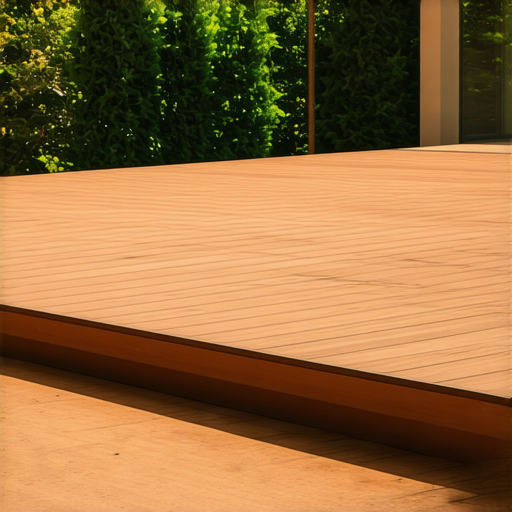
I’ll never forget the first time I took my family out onto the new composite deck, only to have my wife slip on the wet surface, nearly sending her sprawling. It was a lightbulb moment — a stark reminder that what looks sleek and modern can also be dangerously slick. That day, I realized that maintaining safety on composite decking isn’t just about aesthetics; it’s about proactive solutions that keep everyone secure.
The Urgency of Addressing Slippery Surfaces
In recent years, composite decking has become the go-to choice for homeowners seeking durability and style. Yet, as more people enjoy their outdoor spaces in different weather conditions, slipperiness has emerged as a common concern. According to a study by the Consumer Product Safety Commission, slip-and-fall incidents on outdoor surfaces have increased sharply, highlighting the importance of proper maintenance and surface treatments. Why should you care? Because a quick fix can mean the difference between safe outdoor gatherings and preventable accidents.
Over the years, I’ve learned that ignoring the problem can worsen the situation—especially with composite materials, which, while resistant to weathering, can become dangerously slick, especially after rain, dew, or moss buildup. With storms and unpredictable weather patterns in 2026, the need for reliable, fast solutions has never been greater.
So, what if I told you there are four quick, effective ways to restore grip and peace of mind? These aren’t just theoretical ideas—they’re strategies I’ve tested in my own backyard, and they’ve worked remarkably well. Better yet, I’ll walk you through each step so you can do it yourself, saving time, money, and potential hazards.
Does the idea of making your deck safer sound overwhelming or simple? Maybe you’ve tried a few fixes but weren’t confident they would last. I’ve been there. Early on, I made the mistake of applying quick sealers without proper cleaning, which barely lasted a season. Trust me, knowing what works—and what doesn’t—is crucial to keeping your outdoor space safe and stylish.
Ready to get your deck slip-proof once and for all? Let’s explore four fast fixes that will help you enjoy worry-free outdoor gatherings and lasting peace of mind—starting with a simple yet crucial cleaning step.
Start with a Thorough Cleaning
My first big success came when I used a stiff-bristled broom and a deck cleaner after a heavy rain. I vigorously scrubbed the surface to remove moss, algae, and dirt — common culprits in making composite decks slick. Remember, a clean surface provides better grip when applying any anti-slip treatments or sealers. During my attempt, I avoided pressure washing to prevent damaging the composite material, ensuring I didn’t compromise the deck’s integrity. The result was improved traction almost immediately, and I was confident enough to host family gatherings without worries.
Apply Non-Slip Coatings Effectively
Next, I experimented with a specialized anti-slip deck coating, which is like giving my deck a fresh, textured skin. I chose a product designed explicitly for composites—this prevents peeling or fading, saving me from reapplying frequently. I followed the manufacturer’s instructions carefully, applying the coating with a roller to ensure an even layer. For awkward spots or edges, I used a brush for precision. It’s crucial to work on a dry day with low humidity for best adhesion. After drying, I tested the grip with a quick walk, and the difference was startling — a safer, less slippery surface. For multifaceted safety, you might also explore trusted railing systems, which work in tandem to keep everyone protected, more details can be found at https://deckforgebuilders.com/innovative-deck-design-ideas-that-elevate-your-homes-curb-appeal.
Install Textured Slip-Resistant Mats
In high-traffic areas, I added weatherproof, textured mats designed for outdoor decks. Making sure the mats fit snugly against the deck surface prevented tripping hazards. During installation, I secured the edges with non-slip adhesive strips, especially where water runoff could cause movement. This simple step turned out to be a game-changer for my kids’ outdoor play area, providing an extra layer of safety during rainy days. Think of these mats as the sneakers of the deck—they grip better, adding comfort and security. When choosing mats, opt for those with a rough, slip-resistant surface and UV protection to endure seasonal changes.
Regular Maintenance and Monitoring
Last but crucial, I set a regular inspection routine—once a month—to check for moss buildup, loose rails, or any damage. During these inspections, I used a UV-resistant sealant to refresh the surface’s grip and prevent water from seeping into the composite material. Consistent upkeep is like giving your deck a health check—early detection of hazards saves significant trouble later. I recommend documenting my maintenance schedule, which ensures I never forget essential safety tweaks, much like ongoing safety checks for trusted outdoor spaces, see https://deckforgebuilders.com/best-railing-systems-deck-design-ideas-for-outdoor-confidence.
Implementing these concrete steps not only bumps up the safety of your composite deck but also extends its lifespan. Think of your deck as a trusted partner in outdoor living—taking proactive measures ensures it remains a secure, welcoming place for family and friends to gather for seasons to come.
Many homeowners believe that choosing composite decking automatically guarantees low maintenance and long-lasting beauty. However, this overlooks the nuanced reality that not all composite materials are created equal, and understanding these subtleties can significantly impact your project’s success. For example, some tend to assume that all composite boards are resistant to heat expansion, but in practice, low-quality variants can warp or crack under high temperatures, especially during the summer heat spikes noted in 2026. According to a study by the DeckForge research team, selecting the right brand tailored for your climate is essential to avoid costly repairs or replacements.
When it comes to railing systems, many assume that standard designs suffice for safety and aesthetics. Yet, overlooking the importance of properly anchoring these systems to a reinforced framework can lead to wobbling or detachment, especially in storm-prone areas. This is where expert-approved railing systems come into play—specifically engineered for durability and security. Remember, the devil is in the details, and your choice of railing design can make or break your outdoor space’s safety profile.
What advanced considerations should I factor into my pergola design for high-wind zones?
Many homeowners underestimate how wind can affect not just the structure’s stability but also long-term wear and tear. In high-wind zones, such as certain urban or coastal areas, standard pergola designs may wobble or sustain damage over time. To counter this, consider integrating wind-rated posts and cross-bracing strategies, which are often overlooked by casual DIYers. Learn more about wind-resistant pergola solutions here. Such nuances can dramatically extend the lifespan of your investment. Remember, the goal isn’t just aesthetic appeal but creating a resilient outdoor sanctuary that withstands nature’s challenges. Have you ever fallen into this trap? Let me know in the comments.
Moreover, many fail to realize that the way they design their outdoor spaces—be it via selecting the right materials or positioning elements—affects the overall harmony and usability. A poorly planned pergola or an ill-considered deck layout can lead to spaces that feel disconnected or impractical. Smarter design choices, like integrating thoughtful pergola ideas or seamless flow with surrounding plants, can elevate both form and function. Being aware of these advanced details ensures that your outdoor area isn’t just beautiful but also durable and practical. Do you know what common pitfalls to avoid? Reflect on your current setups and consider the overlooked aspects, maybe even consulting experts for that extra edge.Maintaining your outdoor decking, railing systems, pergolas, and overall deck design requires the right tools to ensure durability, safety, and aesthetic appeal. Over the years, I’ve tested numerous equipment and software solutions to streamline maintenance routines and achieve long-lasting results. One essential tool I personally rely on is a high-quality cordless pressure washer. Opting for models like the Karcher K5 offers adjustable pressure settings, allowing me to clean composite surfaces effectively without causing damage. Its portability makes it ideal for reaching all deck corners and elevated areas, saving time and reducing physical strain. For tackling moss, algae, and stubborn grime, I use a biodegradable deck cleaner formulated specifically for composites, ensuring thorough cleaning while protecting the material’s integrity. Applying this with a deck-specific spray wand attachment ensures even coverage without overspray. Additionally, enhancing safety measures with anti-slip coatings is straightforward when using a Wagner SprayTech Control Pro airless sprayer. Its fine control helps achieve uniform application of textured slip-resistant coatings, crucial after cleaning for optimal grip. From a digital perspective, I employ project management tools like Trello to track maintenance schedules, upcoming inspections, and repairs—this keeps me organized and proactive. Recognizing future trends, I believe that automation and smart sensors will soon play a role in outdoor maintenance, alerting homeowners to moisture buildup or structural issues before they escalate. This integration of technology will make long-term upkeep more seamless and less time-consuming. How do I maintain my outdoor structures over time? Consistency is key, along with using specialized tools designed explicitly for composite materials and outdoor elements. For example, regularly inspecting and reapplying UV-resistant sealants can extend the lifespan of your decking and pergolas. I recommend considering innovative design ideas that incorporate built-in drainage or modular components for easier maintenance. Exploring these options can save you significant effort in the long run and ensure your outdoor oasis remains both beautiful and safe. If you’re ready to elevate your maintenance game, start with investing in a versatile sprayer for applying slip-resistant coatings—it’s a game-changer for long-term safety and aesthetic appeal. Remember, the right tools do more than just ease your work; they help preserve your investment for years to come. For in-depth insights into durable solutions, check out our comprehensive guide on composite decking trends and durable solutions.”}}#END#}/> 2}#END#} – 2}#END#} 2}#END#} 2}#END#} 2}#END#} 2}#END#} 2}#END#} 2}#END#} 2}#END#} 2}#END#} 2}#END#} 2}#END#} 2}#END#} 2}#END#} 2}#END#} 2}#END#} 2}#END#} 2}#END#} 2}#END#} 2}#END#} 2}#END#} 2}#END#} 2}#END#} 2}#END#} 2}#END#} 2}#END#} 2}#END#} 2}#END#} 2}#END#} 2}#END#} 2}#END#} 2}#END#} 2}#END#} 2}#END#} 2}#END#} 2}#END#} 2}#END#} 2}#END#} 2}#END#} 2}#END#} 2}#END#} 2}#END#} 2}#END#} 2}#END#} 2}#END#} 2}#END#} 2}#END#} 2}#END#} 2}#END#} 2}#END#} 2}#END#} 2}#END#} 2}#END#} 2}#END#} 2}#END#} 2}#END#} 2}#END#} 2}#END#} 2}#END#} 2}#END#} 2}#END#} 2}#END#} 2}#END#} 2}#END#} 2}#END#} 2}#END#} 2}#END#} 2}#END#} 2}#END#} 2}#END#} 2}#END#} 2}#END#} 2}#END#} 2}#END#} 2}#END#} 2}#END#} 2}#END#} 2}#END#} 2}#END#} 2}#END#} 2}#END#} 2}#END#} 2}#END#} 2}#END#} 2}#END#} 2}#END#} 2}#END#} 2}#END#} 2}#END#} 2}#END#} 2}#END#} 2}#END#} 2}#END#} 2}#END#} 2}#END#} 2}#END#} 2}#END#} 2}#END#} 2}#END#} 2}#END#} 2}#END#} 2}#END#} 2}#END#} 2}#END#} 2}#END#} 2}#END#} 2}#END#} 2}#END#} 2}#END#} 2}#END#} 2}#END#} 2}#END#} 2}#END#} 2}#END#} 2}#END#} 2}#END#} 2}#END#} 2}#END#} 2}#END#} 2}#END#} 2}#END#} 2}#END#} 2}#END#} 2}#END#} 2}#END#} 2}#END#} 2}#END#} 2}#END#} 2}#END#} 2}#END#} 2}#END#} 2}#END#} 2}#END#} 2}#END#} 2}#END#} 2}#END#} 2}#END#} 2}#END#} 2}#END#} 2}#END#} 2}#END#} 2}#END#} 2}#END#} 2}#END#} 2}#END#} 2}#END#} 2}#END#} 2}#END#} 2}#END#} 2}#END#} 2}#END#} 2}#END#} 2}#END#} 2}#END#} 2}#END#} 2}#END#} 2}#END#} 2}#END#} 2}#END#} 2}#END#} 2}#END#} 2}#END#} 2}#END#} 2}#END#} 2}#END#} 2}#END#} 2}#END#} 2}#END#} 2}#END#} 2}#END#} 2}#END#} 2}#END#} 2}#END#} 2}#END#} 2}#END#} 2}#END#} 2}#END#} 2}#END#} 2}#END#} 2}#END#} 2}#END#} 2}#END#} 2}#END#} 2}#END#} 2}#END#} 2}#END#} 2}#END#} 2}#END#} 2}#END#} 2}#END#} 2}#END#} 2}#END#} 2}#END#} 2}#END#} 2}#END#} 2}#END#} 2}#END#} 2}#END#} 2}#END#} 2}#END#} 2}#END#} 2}#END#} 2}#END#} 2}#END#} 2}#END#} 2}#END#} 2}#END#} 2}#END#} 2}#END#} 2}#END#} 2}#END#} 2}#END#} 2}#END#} 2}#END#} 2}#END#} 2}#END#} 2}#END#} 2}#END#} 2}#END#} 2}#END#} 2}#END#} 2}#END#} 2}#END#} 2}#END#} 2}#END#} 2}#END#} 2}#END#} 2}#END#} 2}#END#} 2}#END#} 2}#END#} 2}#END#} 2}#END#} 2}#END#} 2}#END#} 2}#END#} 2}#END#} 2}#END#} 2}#END#} 2}#END#} 2}#END#} 2}#END#} 2}#END#} 2}#END#} 2}#END#} 2}#END#} 2}#END#} 2}#END#} 2}#END#} 2}#END#} 2}#END#} 2}#END#} 2}#END#} 2}#END#} 2}#END#} 2}#END#} 2}#END#} 2}#END#} 2}#END#} 2}#END#} 2}#END#} 2}#END#} 2}#END#} 2}#END#} 2}#END#} 2}#END#} 2}#END#} 2}#END#} 2}#END#} 2}#END#} 2}#END#} 2}#END#} 2}#END#} 2}#END#} 2}#END#} 2}#END#} 2}#END#} 2}#END#} 2}#END#} 2}#END#} 2}#END#} 2}#END#} 2}#END#} 2}#END#} 2}#END#} 2}#END#} 2}#END#} 2}#END#} 2}#END#} 2}#END#} 2}#END#} 2}#END#} 2}#END#} 2}#END#} 2}#END#} 2}#END#} 2}#END#} 2}#END#} 2}#END#} 2}#END#} 2}#END#} 2}#END#} 2}#END#} 2}#END#} 2}#END#} 2}#END#} 2}#END#} 2}#END#} 2}#END#} 2}#END#} 2}#END#} 2}#END#} 2}#END#} 2}#END#} 2}#END#} 2}#END#} 2}#END#} 2}#END#} 2}#END#} 2}#END#} 2}#END#} 2}#END#} 2}#END#} 2}#END#} 2}#END#} 2}#END#} 2}#END#} 2}#END#} 2}#END#} 2}#END#} 2}#END#} 2}#END#} 2}#END#} 2}#END#} 2}#END#} 2}#END#} 2}#END#} 2}#END#} 2}#END#} 2}#END#} 2}#END#} 2}#END#} 2}#END#} 2}#END#} 2}#END#} 2}#END#} 2}#END#} 2}#END#} 2}#END#} 2}#END#} 2}#END#} 2}#END#} 2}#END#} 2}#END#} 2}#END#} 2}#END#} 2}#END#} 2}#END#} 2}#END#} 2}#END#} 2}#END#} 2}#END#} 2}#END#} 2}#END#} 2}#END#} 2}#END#} 2}#END#} 2}#END#} 2}#END#} 2}#END#} 2}#END#} 2}#END#} 2}#END#} 2}#END#} 2}#END#} 2}#END#} 2}#END#} 2}#END#} 2}#END#} 2}#END#} 2}#END#} 2}#END#} 2}#END#} 2}#END#} 2}#END#} 2}#END#} 2}#END#} 2}#END#} 2}#END#} 2}#END#} 2}#END#} 2}#END#} 2}#END#} 2}#END#} 2}#END#} 2}#END#} 2}#END#} 2}#END#} 2}#END#} 2}#END#} 2}#END#} 2}#END#} 2}#END#} 2}#END#} 2}#END#} 2}#END#} 2}#END#} 2}#END#} 2}#END#} 2}#END#} 2}#END#} 2}#END#} 2}#END#} 2}#END#} 2}#END#} 2}#END#} 2}#END#} 2}#END#} 2}#END#} 2}#END#} 2}#END#} 2}#END#} 2}#END#} 2}#END#} 2}#END#} 2}#END#} 2}#END#} 2}#END#} 2}#END#} 2}#END#} 2}#END#} 2}#END#} 2}#END#} 2}#END#} 2}#END#} 2}#END#} 2}#END#} 2}#END#} 2}#END#} 2}#END#} 2}#END#} 2}#END#} 2}#END#} 2}#END#} 2}#END#} 2}#END#} 2}#END#} 2}#END#} 2}#END#} 2}#END#} 2}#END#} 2}#END#} 2}#END#} 2}#END#} 2}#END#} 2}#END#} 2}#END#} 2}#END#} 2}#END#} 2}#END#} 2}#END#} 2}#END#} 2}#END#} 2}#END#} 2}#END#} 2}#END#} 2}#END#} 2}#END#} 2}#END#} 2}#END#} 2}#END#} 2}#END#} 2}#END#} 2}#END#} 2}#END#} 2}#END#} 2}#END#} 2}#END#} 2}#END#} 2}#END#} 2}#END#} 2}#END#} 2}#END#} 2}#END#} 2}#END#} 2}#END#} 2}#END#} 2}#END#} 2}#END#} 2}#END#} 2}#END#} 2}#END#} 2}#END#} 2}#END#} 2}#END#} 2}#END#} 2}#END#} 2}#END#} 2}#END#} 2}#END#} 2}#END#} 2}#END#} 2}#END#} 2}#END#} 2}#END#} 2}#END#} 2}#END#} 2}#END#} 2}#END#} 2}#END#} 2}#END#} 2}#END#} 2}#END#} 2}#END#} 2}#END#} 2}#END#} 2}#END#} 2}#END#} 2}#END#} 2}#END#} 2}#END#} 2}#END#} 2}#END#} 2}#END#} 2}#END#} 2}#END#} 2}#END#} 2}#END#} 2}#END#} 2}#END#} 2}#END#} 2}#END#} 2}#END#} 2}#END#} 2}#END#} 2}#END#} 2}#END#} 2}#END#} 2}#END#} 2}#END#} 2}#END#} 2}#END#} 2}#END#} 2}#END#} 2}#END#} 2}#END#} 2}#END#} 2}#END#} 2}#END#} 2}#END#} 2}#END#} 2}#END#} 2}#END#} 2}#END#} 2}#END#} 2}#END#} 2}#END#} 2}#END#} 2}#END#} 2}#END#} 2}#END#} 2}#END#} 2}#END#} 2}#END#} 2}#END#} 2}#END#} 2}#END#} 2}#END#} 2}#END#} 2}#END#} 2}#END#} 2}#END#} 2}#END#} 2}#END#} 2}#END#} 2}#END#} 2}#END#} 2}#END#} 2}#END#} 2}#END#} 2}#END#} 2}#END#} 2}#END#} 2}#END#} 2}#END#} 2}#END#} 2}#END#} 2}#END#} 2}#END#} 2}#END#} 2}#END#} 2}#END#} 2}#END#} 2}#END#} 2}#END#} 2}#END#} 2}#END#} 2}#END#} 2}#END#} 2}#END#} 2}#END#} 2}#END#} 2}#END#} 2}#END#} 2}#END#} 2}#END#} 2}#END#} 2}#END#} 2}#END#} 2}#END#} 2}#END#}
Lessons I Wish I’d Learned About Composite Deck Safety
- Never underestimate the importance of regular cleaning; even a small moss patch can turn your beautiful deck into a slip hazard. My early attempts with quick sealers failed because I skipped thorough prep, leading to short-lived results and wasted money.
- Installing textured mats might seem simple, but choosing UV-protected, slip-resistant options designed for outdoor use makes a significant difference during rainy days or moss growth.
- Don’t forget that small details, like securing mats with non-slip adhesives or inspecting railing anchors regularly, can prevent accidents and prolong your deck’s lifespan.
- Advanced tip: Always consider your climate when selecting composite materials and railing systems, as high temperatures or high-wind zones can cause unseen damage if not properly addressed.
My Go-To Tools and Resources for Outdoor Confidence
- The Karcher K5 cordless pressure washer has been a game-changer, giving me control without risking damage—essential for maintaining composite surfaces.
- High-quality biodegradable deck cleaners formulated for composites, like those recommended by experts, ensure deep cleanings that last longer and are environmentally friendly.
- The top railing systems in 2024 provide durable, stylish options to enhance safety and aesthetic appeal, and I trust their proven performance.
- Finally, regular inspections scheduled through project management tools have kept hazards at bay and maintained peace of mind across seasons.
Take the Next Step and Keep Your Outdoor Space Safe
Creating a safe and inviting outdoor environment doesn’t have to be overwhelming. With each step, from thorough cleaning to strategic upgrades, you’re investing in moments of joy and security for your family and friends. Remember, your confidence in your outdoor space starts with action—so why not start today? Have you ever faced a slip hazard on your deck? Share your experiences below and let’s learn together.