
Ever stumbled in the dark and cursed your poorly lit staircase? I sure did—more times than I’d like to admit. One night, I nearly took a tumble down my deck stairs because I hadn’t planned for the evening gloom. That was my wake-up call. Lighting isn’t just about ambiance; it’s a critical safety feature, especially when navigating outdoor stairs after sunset.
Since that misstep, I’ve committed to mastering the art of lighting for better nighttime safety. Today, I want to share four effective lighting ideas that transformed my yard into a safer, more inviting space after dark. Whether you’re hosting friends or just trying to avoid trips and falls, these tips will help illuminate your path and boost your confidence.
Why Proper Lighting is a Game Changer for Nighttime Safety
Good lighting can make all the difference. Not only does it prevent accidents, but it also adds a warm, welcoming glow to your outdoor oasis. A poorly lit staircase can be a hidden hazard, especially for children, elderly family members, or visitors unfamiliar with your home’s layout. According to the National Safety Council, falls are one of the leading causes of injury at home, and inadequate lighting significantly increases this risk.
One mistake I made early on was relying solely on porch lights, which often don’t reach the stairs or deck anymore. That left shadowy spots that hidden steps could hide in. After a few near misses, I realized I needed a strategic lighting plan tailored specifically to my stair area.
In the next sections, I’ll walk you through four lighting ideas that are easy to implement, budget-friendly, and most importantly—effective. From subtle path lights to more integrated solutions, these tips will give you peace of mind and a beautifully lit outdoor space. If you’re tired of the dark and dangerous stairway lurking outside your door, keep reading. Your safer, brighter evenings are just a few steps away.
And if you’re wondering whether all this effort is really necessary—trust me, the difference between a well-lit staircase and one that’s barely visible can mean the difference between safety and injury. Let this be your motivation to act now. Want to explore more outdoor safety tips? Check out this guide on transforming your outdoor space with custom railing systems for safety and style, which complements excellent lighting perfectly.
Select the Right Railing Type
Start by choosing between wood, metal, composite, or cable railings based on your aesthetic and maintenance preferences. For a modern look, metal and cable options offer sleek lines and minimal upkeep. Consider the climate; for exposure to moisture, composite or metal can withstand the elements better than traditional wood.
Measure and Prepare Post Locations Accurately
Measure your deck perimeter meticulously, ensuring each post is spaced no more than 4 inches apart to meet safety standards. Use a chalk line to mark the exact locations, and double-check measurements for symmetry. When working near existing structures, such as a house or pergola, use a pencil and compass to mark precise cut lines, avoiding misalignments that can cause gaps in the railing.
Secure Posts Properly for Stability
Pour concrete footings at the marked locations, embedding metal post anchors for added strength. Before setting the posts, apply a protective sealant to cut ends to prevent rot, especially if using pressure-treated lumber. For a seamless look, consider the hidden spacer method to ensure even gaps and flush post connections. During installation, use a level to verify that posts are plumb and firmly anchored, preventing wobbles over time.
Attach Rails Using Precise Hardware
Pre-drill holes in the posts and rails to prevent splitting and ensure clean screw insertion. Use stainless steel screws and brackets to resist rust. For ultra-smooth finishes, employ a router bit to chamfer edges before assembly. Secure each section sequentially, checking alignment with a string line for straightness and even spacing.
Finish with Safety and Style Details
Install balusters no more than 4 inches apart to meet safety codes. For a polished appearance, countersink screws and fill holes with matching filler or paint. Add decorative caps or post ornaments to personalize your railing. Lastly, ensure all hardware is tight and rust-resistant, which will extend the life of your system and maintain its visual appeal. Regular inspections and maintenance will keep your railing sturdy and attractive for years to come. Visit our contact page for expert advice or custom design options.While many homeowners focus on the aesthetic appeal of deck railings or the durability of composite decking, there’s a deeper layer of nuances that often go unnoticed—yet mastering these can elevate your outdoor project from average to exceptional. One widespread myth is that all railing systems are created equal; in reality, the choice of hardware, spacing, and installation technique can make or break the system’s longevity and safety. For instance, neglecting the importance of proper spacer placement can lead to uneven gaps and compromised stability, as detailed in this comprehensive guide. Another common misconception revolves around deck design: many believe that bigger is always better. However, understanding load distribution and proper support placement is critical to prevent issues like sagging or structural failure, especially with expansive spans or heavy features like pergolas. Advanced deck builders pay close attention to subtle details such as ledger board flashing techniques and how they prevent water infiltration, which is vital for long-term durability. Selecting the wrong material for the environment is another overlooked factor—pressure-treated lumber might warp quickly if not properly treated or if incompatible with certain fasteners, according to this expert insight. When it comes to composite decking, understanding thermal expansion and contraction is key; failure to account for this can lead to cupping or buckling, especially in regions with extreme temperature fluctuations. Prosperous deck design also involves the intelligent integration of aesthetic elements without sacrificing function—a balance that can be achieved through custom railing systems, which offer both safety and style, as explored here. The critical takeaway is that the real mastery lies in paying attention to these nuanced details—what I often refer to as the hidden layer—that many overlook in their pursuit of quick aesthetic wins. Recognizing and addressing these advanced pitfalls can significantly extend the lifespan of your outdoor structures and ensure safety for everyone. Want further tips on avoiding common deck-building pitfalls? Dive deeper into topics like composite decking trends or explore innovative design ideas to elevate your space. Remember, the devil is in the details—don’t let overlooked nuances undermine your efforts. Have you ever fallen into this trap? Let me know in the comments.Maintaining your outdoor structures is crucial to ensuring their longevity and safety. Investing in the right tools and adopting consistent maintenance routines can save you time and money in the long run. One of my preferred tools is a high-quality cordless impact driver. I personally rely on it for installing and tightening deck fasteners efficiently, especially when dealing with composite decking where precise torque prevents mushrooming holes and surface damage. Additionally, a digital moisture meter is indispensable for monitoring wood moisture content, helping you prevent issues like warping or rot, particularly in pressure-treated or cedar wood components. Regular inspections using a flashlight with a focused beam allow me to spot early signs of corrosion or physical wear on metal fittings and hardware, so I can address issues before they escalate. For cleaning, I swear by a vinegar and water solution—safe for composite materials and effective against mold without the risk of staining or damage associated with harsh chemicals like bleach. Looking ahead, I predict that automation and smart maintenance systems will become increasingly integrated into outdoor deck care, potentially through sensors that alert you to structural weaknesses or the need for cleaning, inspired by innovations in home automation technology.
How do I keep my railing and deck systems in top shape over time?
Regular maintenance involves tightening hardware, cleaning surfaces, and applying protective sealants or corrosion inhibitors as needed. Using a torque wrench ensures that bolts and screws are tightened to manufacturer specifications, especially important for hardware like [hidden fasteners](https://deckforgebuilders.com/why-hidden-fasteners-sometimes-fail-on-high-traffic-decks). Moreover, lifting and inspecting posts and beams periodically aids in early detection of rot or water damage. For composite decks, I suggest reapplying a protective coat or cleaner designed for synthetic materials every couple of years—this maintains appearance and prevents surface degradation. An effective tip is to incorporate a maintenance schedule with specific dates for inspections and cleaning; this keeps upkeep manageable and prevents neglect. If you notice loose balusters or wobbly posts, try the [hidden bolt trick](https://deckforgebuilders.com/the-hidden-bolt-trick-for-rock-solid-deck-stair-railings), which provides a more secure and seamless fix than standard hardware. To elevate your craftsmanship, consider trying this quick method to improve hardware stability next time you replace or adjust components. Ensuring your railing system and deck remain safe and attractive demands attention to detail and the right tools, but with consistent care, you’ll enjoy your outdoor space for years. Engage with advanced techniques like using a torque wrench for bolt tightening or a moisture meter to monitor wood health, and you’ll appreciate the difference in durability and aesthetic appeal. For tailored advice or custom upgrades, don’t hesitate to reach out via our contact page. Keep your structures resilient with these expert tips! 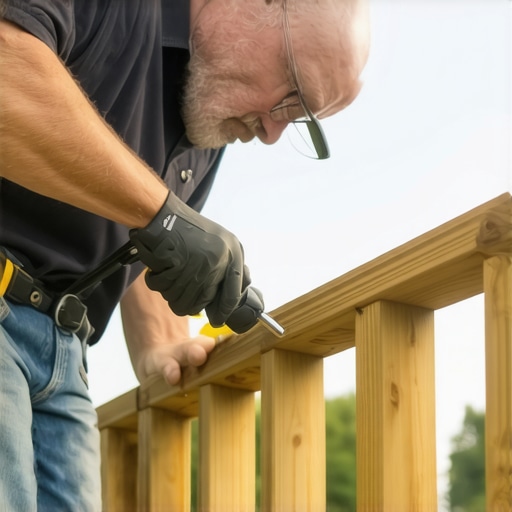 Image prompt: A homeowner using a torque wrench on deck railing hardware to ensure precise tightening, highlighting maintenance practices for durable outdoor structures.
Reflecting on the journey of elevating my outdoor spaces has taught me that even small details can have a huge impact on safety and aesthetic appeal. One crucial lesson is that overlooking the importance of proper hardware and consistent maintenance can lead to costly repairs and potential hazards down the line. I once neglected to check the tightness of railing bolts regularly, which resulted in wobbling posts and an increased risk of accidents. Now, I understand that regular inspections and small adjustments can save time, money, and, most importantly, prevent injuries.
Another insight is the power of integrating safety features seamlessly into design. Choosing the right railing style or deck material isn’t just about looks; it’s about thoughtful planning that considers environmental factors and user safety. For instance, I initially opted for a decorative style without considering its durability exposed to weather, leading to early wear. Since then, I prioritize materials and hardware that stand up to local climate conditions, extending the lifespan of my deck and maintaining safety standards.
Lastly, I realize that education is key—staying informed on the latest building codes, innovative tools, and expert techniques transforms a DIY project into a professional-quality installation. Watching tutorials, reading guides, and consulting with specialists have all enriched my understanding and helped me avoid common pitfalls, like improper spacing or unsupported sections. By continuously learning, I can ensure my outdoor structures are both beautiful and safe for years to come.