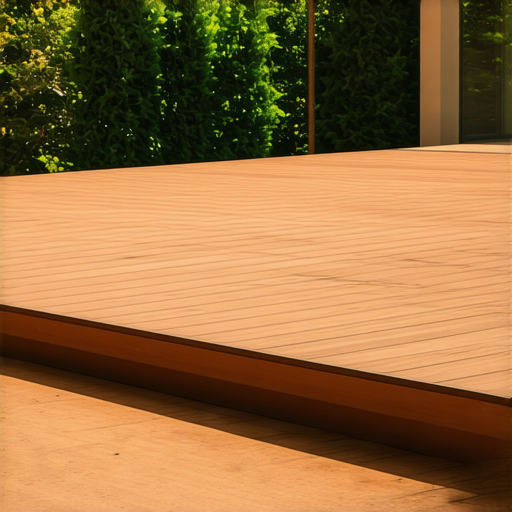
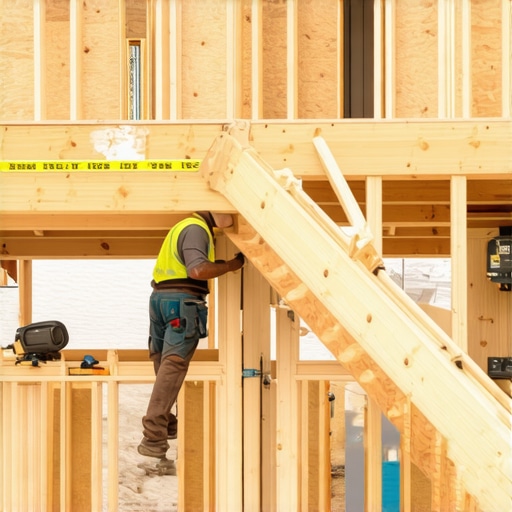
Ever stepped onto a deck and felt it shift beneath your feet, a wobbly, unsettling sensation that just won’t go away? I know that feeling all too well—it’s a quiet frustration that can spoil even the most anticipated outdoor gatherings. One summer, after hosting a backyard barbecue, I noticed my deck boards had started to bounce with every step. The warning signs were clear, but I ignored them, thinking it was just normal wear and tear. Turns out, neglecting the framing can lead to serious safety issues and costly repairs down the line.
The Hidden Danger of Board Bounce and Why It Gets Worse Over Time
You see, that subtle jiggle isn’t just an annoyance—it’s a red flag. Board bounce is often caused by underlying framing problems, especially as materials age or if initial installation was imperfect. If left unaddressed, this bouncing can escalate, compromising the deck’s stability and even posing safety hazards, particularly with the increasing weight of modern outdoor furniture and accessories. It’s alarming to learn that by 2026, many decks could face structural failures due to overlooked framing fixes, according to recent building safety projections.
Is Investing Time and Money in Framing Fixes Really Worth It?
Early in my decking journey, I made the mistake of ignoring minor wobbling, dismissing it as a temporary issue. Spoiler alert: that was the first step toward a much bigger problem. Proper framing reinforcement isn’t just a fix—it’s an investment in your home’s safety and your peace of mind. If you’re wondering whether these fixes are worth the effort, consider this: a sturdy deck adds significant value to your property and ensures everyone stays safe. Want to learn how to prevent your deck from becoming a safety concern? Keep reading as I break down five essential framing fixes that will stop board bounce in its tracks and keep your outdoor space reliable well into the future.
Assess Your Current Framing and Identify Weak Points
Start by inspecting your deck for visual signs of weakness, such as sagging or excessive bounce. Use a level or a measuring tape to check for unevenness. Apply a probing tool to test for rot or decay in posts and beams. I once noticed a slight sway in my deck during a storm, prompting me to get underneath and spot rotting joists that needed immediate reinforcement.
Strengthen the Support Beams and Posts
Replace or Reinforce Damaged Posts
Remove any decayed or damaged support posts. Use steel post anchors to secure new, pressure-treated wooden posts for added stability. When I replaced a rusted post, anchoring it with a heavy-duty steel bracket made a noticeable difference in stability.
Upgrade to Double Beams for Better Load Distribution
If your deck supports heavy furniture or features a large span, doubling the support beams distributes weight more evenly. Connect two 2×10 or 2×12 beams with metal hangers, ensuring they sit flush and are securely anchored. I doubled my beams and noticed the wobble diminished significantly after the upgrade.
Improve Joist Support and Connection
Snugly attach joists to beams using galvanized joist hangers. Verify that every connection is tight; loose hangers allow unnecessary movement. In my project, I replaced cheap hangers with heavy-duty galvanized ones, which greatly improved rigidity.
Add Cross Bracing for Lateral Stability
Install diagonal braces between posts and beams to prevent lateral sway. Use metal tension ties or galvanized cables anchored into concrete footings for maximum stability. During my reinforcement, adding cross braces created a more solid frame, minimizing bounce during windy conditions.
Switch to Durable Composite Materials for Support Posts
Composite materials resist rot and insect damage better than wood, offering longer-lasting support. Use composite post sleeves or entire posts where applicable, especially in coastal or high-moisture environments. I upgraded some of my posts to composite, noticing less maintenance and increased strength over traditional wood.
Inspect and Upgrade Deck Fasteners
Ensure all screws and nails are tight and corrosion-resistant. Replace any rusted or loose fasteners with hot-dip galvanized or stainless steel alternatives. Secure loose decking boards with new fasteners to prevent movement that could contribute to bounce.
Schedule Regular Maintenance and Monitoring
Set periodic inspections every 1-2 years to catch early signs of framing deterioration. Tighten loose connections and replace compromised components promptly to prevent escalation. Consistent upkeep has kept my deck safe and firm for years.
Consult a Structural Engineer for Complex Issues
If you encounter persistent bounce despite these upgrades, seek professional advice. A structural engineer can assess unseen issues and recommend specific reinforcement strategies, such as installing steel framing or underpinning. I once hired an expert, and their assessment clarified issues I couldn’t see, saving me from future hazards.
While many homeowners believe they know the basics of railing systems, pergolas, and composite decking, there’s often more beneath the surface that can significantly impact durability, safety, and aesthetic appeal. One common misconception is that all railing systems are created equal; however, not all materials or designs meet the latest safety standards or withstand weather conditions equally. For instance, some assume that glass railings automatically provide better safety, but without proper installation and reinforcement, they can become hazardous, especially in storm-prone areas. Learn more about the best railing systems for safety and style by visiting [this comprehensive guide](https://deckforgebuilders.com/top-railing-systems-for-safe-stylish-outdoor-decks).Maintaining your outdoor structures like decking and pergolas requires precision and the right tools to ensure longevity and safety. One essential tool I personally swear by is a digital moisture meter. It helps me identify hidden rot or decay in wooden supports before it becomes a major issue, saving time and costly repairs. For structural assessments, a high-quality torque wrench is invaluable for tightening bolts and fasteners to manufacturer-recommended tension, preventing unnecessary loosening over time. When dealing with composite decking, I rely on specialized cleaning brushes designed to lift grime without scratching surfaces, which maintains its appearance and slip resistance. Regular inspections are crucial, and a good LED flashlight enables me to see underneath and into tricky corners, especially after storms or harsh weather. Investing in a robust caulking gun allows me to reseal joints or cracks promptly, preventing water infiltration that could compromise framing components.
Software like Decks.com’s maintenance planner ensures I stay on top of scheduled inspections and repairs, digitizing the process and providing reminders. As trends point towards more integrated, smart maintenance solutions, I predict that IoT-enabled sensors for moisture and structural integrity will become standard in high-end outdoor builds, providing real-time data and alerts. This proactive approach will dramatically reduce long-term costs and safety risks.
How do I maintain my deck and pergola over time?
Regular cleaning with dehumidifying agents, periodic tightening of fasteners with a torque wrench, and resealing joints are vital. Upgrading support posts with composite materials can drastically reduce maintenance needs, especially in humid or coastal environments. For example, using composite post sleeves not only protects against rot but also simplifies future inspections. I suggest trying an advanced tip: install moisture sensors in critical framing points, linked to your smartphone, to detect early signs of decay. This tech integration takes maintenance from reactive to proactive. Remember, consistent upkeep and leveraging the latest tools will keep your structures safe and beautiful for years to come. Enhance your knowledge by visiting [this comprehensive guide](https://deckforgebuilders.com/transform-your-outdoor-space-custom-railing-systems-for-safety-and-style) and consider investing in sensor technology to safeguard your investment.
Investing in your deck’s framing isn’t just about fixing a wobble—it’s about building peace of mind and safe outdoor spaces for years to come. Each reinforcement action, from upgrading support beams to installing cross bracing, transforms a shaky platform into a sturdy sanctuary. Regular inspections and embracing innovative tools like moisture sensors make maintenance proactive rather than reactive. Remember, the true mastery of deck framing lies in understanding that small, consistent improvements accumulate into decades of safe enjoyment. As you take these steps, you’re not just repairing a structure—you’re cultivating a legacy of outdoor resilience and confidence. To dive deeper into decking excellence, explore our comprehensive guide on railing systems and elevate your outdoor living today.