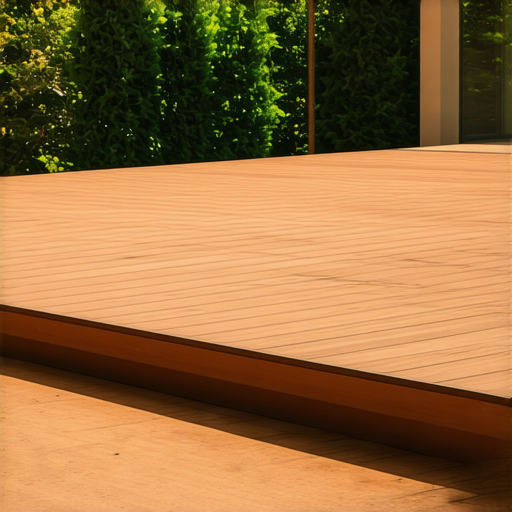

Last summer, I stood in the middle of my unfinished deck, surrounded by a mountain of leftover composite boards and railing scraps. The project had spiraled into a money and waste nightmare—more material than I knew what to do with. At that moment, I had a lightbulb moment: I realized that smarter design choices could significantly cut down on waste, saving both money and the environment. If you’re like me, you’ve probably faced similar frustrations, watching materials pile up after a seemingly straightforward deck build.
Why Waste Really Matters in Modern Deck Building
In today’s world, our choices in outdoor construction aren’t just about aesthetics or budget—they’re crucial for sustainability. Material waste not only costs you extra but also contributes to environmental degradation. According to the EPA, construction and demolition debris account for about 600 million tons annually in the U.S. alone, with decks being a notable contributor due to miscalculations and design flaws. Implementing strategic design fixes can dramatically reduce this impact, aligning your project with eco-friendly practices and cutting costs.
Is It Really Worth the Extra Planning?
I admit, early on, I didn’t give enough thought to precise measurements and layout planning. I made the mistake of rushing into cutting boards without considering potential waste. This oversight resulted in numerous boards being trimmed repeatedly or discarded altogether. If you’ve ever experienced similar setbacks—purchasing more materials than needed or ending up with unusable offcuts—you know how quickly waste adds up. But don’t worry. With a few smart adjustments, you can streamline your deck design and avoid these pitfalls. Curious to learn how? Let’s dive into the key fixes that can help you go green and save money on your next outdoor project. For inspiring ideas, check out this article on innovative deck designs.
Plan Precisely Before Cutting
Start by sketching your deck layout on paper or use design software to visualize exact measurements. For example, I used 3D modeling to plan my deck, which highlighted potential material wastage areas. This step prevents over-purchasing of composite boards and minimizes offcuts—think of it like baking a cake with exact ingredients instead of guessing portions.
Optimize Material Layouts for Cutting
Lay out your boards using a mock-up on the ground before making any cuts. When I built my deck, I took leftover scrap pieces and arranged them to identify the best cutting pattern. This approach ensures maximum usage of each board and reduces costly waste. Use painters’ tape to simulate cuts on your actual boards, acting as a visual guide—it’s like playing Tetris with your material pieces.
Use Advanced Cutting Techniques
Employ tools like a precision circular saw or a miter saw with a cutting jig to make accurate cuts. I learned this the hard way when I attempted freehand cuts, which led to uneven edges and more waste. Setting your saw for repeat cuts saves time and ensures consistency, much like a chef using a slicing guide for perfect uniformity.
Standardize System for Railing and Pergola Components
Develop a modular system for railing posts, balusters, and pergola beams. During my project, I prefabricated standard-length components, which streamlined assembly and reduced custom cuts. This standardization acts like building with Lego blocks—interchangeable and efficient, saving both money and effort.
Leverage Recyclable Offcuts
Create new parts or decorative features from leftover pieces. I used small offcuts to build planter boxes, stretching my materials further. Think of this as turning waste into art—an eco-friendly way to add personal touches while preventing unnecessary discards.
Incorporate Modular Design Elements
Design your deck with repeatable modules—like sections that can be prefabricated and assembled on-site. This approach was invaluable in my experience, as it allowed for precise, repeatable construction, similar to assembling a kit rather than building from scratch for each part. Modular designs reduce waste and simplify future upgrades or repairs.
Select Sustainable and Versatile Materials
Choose composite decking and railing systems known for durability and minimal waste during installation. For example, I selected a brand with a high yield factor, meaning less leftover material. This choice is akin to buying in bulk—maximizing the value of each unit and reducing packaging waste.
Consider Future Expansion or Adjustments
Build your design with flexibility in mind, allowing for future additions or modifications. During my build, I left provisions for extending the deck later, preventing the need for demolition or new material purchase. Think of it as planting a garden with room to grow, avoiding wasteful rework down the line.
Many homeowners don’t realize that misconceptions about composite decking, railing systems, and pergolas can lead to costly mistakes and safety issues. While the industry promotes durability and low maintenance, some common beliefs are misleading. For instance, everyone assumes that choosing a higher-priced composite guarantees longer-lasting performance, but in my experience, the actual quality depends on the manufacturing process and material composition — factors often overlooked in marketing. An advanced mistake enthusiasts make is neglecting to verify thermal expansion properties; composite boards can expand or contract significantly with temperature swings if not properly installed, leading to buckling or warping over time. This nuance is crucial in regions with extreme heat or cold, and ignoring it could compromise your entire deck structure. Experts like those at the University of California recommend inspecting the specific formulas used by manufacturers to ensure dimensional stability, which many DIYers miss. This leads to the common myth that all composite materials are equally resilient, but recent research indicates that microfiber-infused composites outperform traditional formulations in durability and temperature tolerance. When designing railing systems, a frequent oversight is not accounting for wind load or coastal corrosion, especially with cable or metal railings. Opting for standard systems without considering environmental factors can result in rotting or rusting within just a few years—something highlighted in guides on [best railing systems for coastal homes](https://deckforgebuilders.com/avoid-the-rust-3-best-railing-systems-for-coastal-homes-in-2026). Advanced design strategies suggest integrating corrosion-resistant hardware, and modular components that allow flexibility and future upgrades. Regarding pergolas, many think they are just aesthetic additions, but overlooking their wind and snow load capacity can lead to structural failure. For example, heavy snow can cause sagging or collapse if the beams aren’t rated appropriately. I recommend consulting with structural engineers or referencing industry standards to select proper materials and support systems—this step often trips up even experienced DIY builders. To optimize your outdoor space, consider modular solutions that embrace adaptability and safety without sacrificing style. For a comprehensive layout and design inspiration, browse through this article on innovative deck designs. Remember, understanding these subtle but critical nuances can save you from costly repairs and safety hazards. Have you ever fallen into this trap? Let me know in the comments.
Maintaining a beautiful and functional deck over time requires the right tools and a strategic approach to upkeep. Personally, I rely on precision equipment like a digital moisture meter and high-grade sealants to ensure my deck’s longevity, especially in regions with fluctuating weather. Investing in a reliable cordless angle grinder helps me smooth out any minor surface imperfections or splinters that may develop, preventing safety hazards and keeping the surface inviting. Additionally, a high-quality pressure washer with adjustable nozzles allows for thorough cleaning without damaging composite decking, preserving its appearance and preventing mold buildup—an essential step before applying protective coatings. When it comes to software tools, I swear by CAD-based design programs that let me simulate modifications or future expansions, giving me foresight on potential waste and structural issues. These meticulous planning steps are crucial, especially when considering long-term results and scaling your outdoor space to accommodate growth or changing needs. Prediction-wise, as smart home integration becomes more affordable, expect decks to include built-in sensors for moisture, temperature, and structural integrity, making maintenance more automated and less labor-intensive.
How do I keep my deck system functioning smoothly over time?
Regular inspections are key; I check for loose fasteners and signs of wear every season. For example, tightening railing bolts proactively prevents safety issues before they happen. Applying a high-quality, UV-resistant sealant annually, particularly after cleaning, maintains the vibrant color and prevents material degradation—especially vital for composite surfaces prone to fading or warping. Replacing worn hardware with corrosion-resistant options, like stainless steel or coated aluminum, further extends your deck’s lifespan. For railing systems, I recommend focusing on advanced hardware that minimizes movement and wobbling; many issues stem from overlooked fastener quality. If you’re considering scaling your deck or adding features like pergolas or custom railing systems, planning with modular components can streamline future upgrades and reduce waste. For more inspiration, check out this article on innovative deck designs. Remember, a proactive maintenance routine complemented by the right tools not only preserves your investment but also enhances safety and aesthetic appeal over the years. Don’t shy away from trying advanced techniques like sealing with high-performance coatings—your future self will thank you.
Lessons Hidden in Plain Sight About Deck Craftsmanship
- Perfection in measurements is your best friend—mistakes you ignore now will become costly fixes later. I once underestimated the importance of precise layout, leading to unnecessary waste and rework, but learning to measure twice saved me days of stress.
- Choosing modular components isn’t just convenient; it’s revolutionary. Building with standardized railing and pergola parts allowed me to upgrade and troubleshoot without dismantling everything again.
- Environmental factors matter more than I anticipated. Regions with temperature swings and coastal salty air demand materials and fasteners that withstand the elements—skimping here risks safety and longevity.
My Toolbox for a Smarter Outdoor Space
- CAD Design Software: Visualizing projects before cutting saved me countless offcuts and ensured my design was spot-on—saving money and reducing waste. I recommend tools like SketchUp for amateurs and pros alike.
- Material Layout Apps: Use apps that help simulate cuts on your composite boards. It maximizes every piece and minimizes the pile of scraps, especially critical when ordering custom lengths.
- High-Quality Sealants and Hardware: I trust those with proven UV and corrosion resistance. They’re worth the investment for your deck’s future.
- Look into innovative deck design ideas to inspire your next upgrade—these can bring both beauty and practical safety.
Let Your Outdoor Dream Blossom
Building or renovating your deck is an act of love for your home and environment. Embrace the lessons learned, leverage trusted tools, and design with care. Your outdoor oasis is within reach, waiting for you to craft it with intention and confidence. Don’t let fear hold you back—start small, plan thoroughly, and watch your vision come alive.
What was your biggest lesson in deck or pergola projects? Share your experience below—I’d love to hear your story!