
I remember the first time I saw water pooling beneath my deck after a heavy rain—it was like discovering a mini pond right where I step out to enjoy my backyard. At that moment, I realized that this wasn’t just a small inconvenience; it could lead to serious issues like wood rot, mold, and even compromised structural integrity. That lightbulb moment made me dig deeper, and I discovered that many of us overlook a critical aspect of deck maintenance: preventing water from collecting underneath.
If you’ve ever dealt with soggy deck posts or mysterious puddles, you know how frustrating it can be. Today, I’ll share five effective ways I’ve used to keep water flowing away from beneath my deck, protecting it and extending its lifespan. Whether you’re building new or maintaining existing structures, these tips can make a real difference.
Discover Why Water Under Your Deck Is a Hidden Threat
Water pooling isn’t just a minor annoyance; it’s a silent destroyer that can quietly undermine your entire outdoor setup. When water lingers, it seeps into the wood, causing rot and accelerating decay, especially in areas where drainage is poor. The result? Weak posts, sagging beams, and costly repairs.
Early in my project, I made the mistake of overlooking proper drainage and thought sealing the wood was enough. That was until I noticed some soft spots and discoloration. It struck me that without effective drainage solutions, I was just delaying the inevitable. Recognizing this problem early can save you hundreds, if not thousands, of dollars.
Did you know that water damage is one of the leading causes of deck failure? In fact, a report from building experts highlights that improper drainage significantly shortens the lifespan of wooden structures. Addressing water pooling now can prevent future headaches.
So, how exactly do we stop this from happening? Let’s explore some proven, practical strategies. If you’re eager to learn what works—and what mistakes to avoid—stay tuned. I’ll also warn you about a common mistake I made early on that almost cost me my deck!
Ready to safeguard your outdoor space? It’s easier than you think. Before diving into the specifics, consider how your current setup might be unintentionally encouraging water retention. Sometimes, the smallest overlooked details, like drainage gaps or improper grading, can make all the difference.
Choose the Right Grade for Your Deck
Start by examining your yard’s slope; aim for a minimum of 2% pitch away from the house, which translates to about 1/4 inch per foot. When I built my deck, I used a level and a long straight board to ensure proper grading, resulting in water naturally flowing away. If your ground isn’t adequately sloped, consider excavating or adding fill to establish a grade that directs water runoff effectively.
Install Proper Drainage Systems
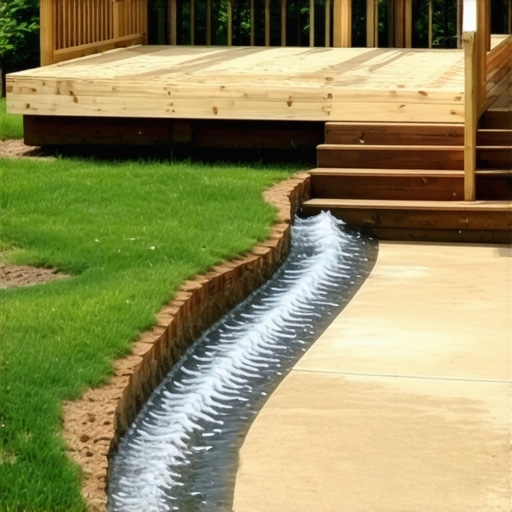
Integrate drainage solutions like gravel-filled trenches or a French drain beneath your deck’s perimeter. I installed a simple gravel trench lined with perforated pipe, which redirected water away from the structure. For modern designs, you might explore under-deck drainage systems that keep your space dry and prevent water accumulation.
Elevate Your Deck’s Frame
Use concrete pier blocks or adjustable post base connectors to lift your deck above ground level, minimizing contact with damp soil. I used precast concrete footings combined with pressure-treated posts, which kept the frame dry and prevented rot. This elevation also facilitates better airflow underneath, further discouraging water retention and moisture buildup.
Seal and Protect Wood Components
Apply a high-quality, waterproof sealant to all wooden parts, especially cut ends. I used copper naphthenate on exposed ends of pressure-treated lumber, which I found made a significant difference in resisting rot. Remember, sealing isn’t a substitute for drainage; it’s an extra layer of defense to prolong your deck’s lifespan.
Maintain and Adjust Regularly
Inspect your deck after heavy rains for pooling issues or shifting components. Periodic maintenance, like regrading and re-sealing, keeps your drainage system effective. I discovered small erosion gaps along my gravel trench, so I replenished the gravel and added additional drainage fabric, maintaining optimal water flow and preventing future pooling.
 When it comes to deck design, many homeowners rely on popular assumptions that, as an experienced builder, I can tell you are simply myths or oversimplifications. One common misconception is that choosing a stylish railing system is purely about aesthetics. While appearance matters, structural integrity and safety should be front and center. For instance, some believe that a thin cable railing is as sturdy as a traditional wooden balustrade, but in reality, the tension in cable systems requires precise engineering and regular maintenance to prevent sagging, which can compromise safety. For expert insight, check out [our guide on cable railing installation](https://deckforgebuilders.com/the-hidden-bolt-trick-for-rock-solid-deck-stair-railings).
Are Composite Decks as Durable as They Claim? A Deep Dive
Many assume that composite decking is maintenance-free and impervious to weather, but this isn’t entirely accurate. High-quality capped composites are indeed more resistant to moisture and fading, yet they can still warp or develop mold if not installed properly. An advanced mistake I often see is poor ventilation underneath the boards—this can lead to trapping moisture and premature failure. Always ensure proper drainage and airflow, as discussed in [this article on composite deck trends](https://deckforgebuilders.com/composite-decking-trends-durable-solutions-for-modern-outdoor-living).
Another area ripe with myths involves pergola design. Some think that installing a pergola without considering local wind conditions is safe, but it can lead to sway or even structural failure during storms. Reinforcing posts and using the right anchoring techniques are crucial. For nuanced design ideas that can withstand weather, explore [our pergola design tips](https://deckforgebuilders.com/pergola-designs-that-turn-your-garden-into-a-sanctuary).
In railing systems, a frequent misconception is that hardware quality doesn’t impact long-term safety. Yet, subpar fasteners are more prone to rust and loosening, which greatly diminishes stability over time. Choosing stainless steel or coated fasteners and learning proper installation methods can save you costly repairs later. For expert advice, see [our article on fixing wobbly railings](https://deckforgebuilders.com/the-15-bracket-fix-for-wobbly-deck-posts).
So, what’s the most common mistake people make about deck design? It’s neglecting the nuanced interplay between materials, installation techniques, and environmental factors. Overlooking these details can inadvertently lead to safety hazards and costly repairs. Have you ever fallen into this trap? Let me know in the comments.Keeping your deck like new requires the right tools and a disciplined maintenance routine. One of my favorite tools is a cordless impact driver; it’s invaluable for quickly tightening or replacing deck fasteners without stripping screws. I rely heavily on a digital moisture meter to assess wood and composite materials, ensuring they remain dry and free from rot — especially important for preventing water damage beneath decks or within railing posts. For cleaning, a pressure washer with adjustable settings is essential; I avoid high pressure (>1500 psi) to prevent gouging the surface, and always use a fan tip to evenly distribute water, which is particularly effective on composite decking to remove mold and grime without damage. Regular inspections are crucial, so I keep a detailed log with a smartphone app to track wear and identify recurring issues early. And when it comes to sealing, I prefer using a sprayer for even coverage on large surfaces, followed by a brush for detailed areas like joints and cut ends, which I frequently treat with copper naphthenate to resist rot and decay. Prediction for the future trends in maintenance points towards smart-tech integration—imagine sensors embedded in your deck that alert you when moisture levels rise above a safe threshold, or automated systems that apply sealants at optimal times. How do I maintain my outdoor structures over time? Consistently, employing these precise tools and methods ensures longevity and safety. Don’t forget, regular maintenance now can save significant repair costs down the line, especially in high-moisture climates. For a deeper dive into innovative deck care, check out the latest trends on composite decking systems, which are increasingly resistant to decay and fading. If you’re serious about making your outdoor space durable and beautiful, I recommend trying out an impact driver for fasteners or a moisture meter to monitor water levels—trust me, these small upgrades make a surprising difference in the lifespan of your deck and railings. Want to explore more advanced techniques? Visit our [composite deck trend](https://deckforgebuilders.com/composite-decking-trends-durable-solutions-for-modern-outdoor-living) guide for expert insights.
What the Bad Overlooked Detail Taught Me About Deck Longevity
One of the most valuable lessons I learned is the importance of meticulous grading. Initially, I underestimated how critical proper slope is for water drainage, which led me to face puddles and rot earlier than expected. Always double-check your yard’s pitch to ensure water flows away smoothly—it’s a small step that prevents big problems.
Why Dodging the Right Drainage Solution Could Cost You
I used to think that sealing the wood was enough to prevent water damage. But I discovered that without effective drainage underneath, moisture trapped between layers causes decay. Incorporating gravel-filled trenches or under-deck drainage systems makes a notable difference in keeping your deck dry and long-lasting.
The Elevation That Changed My Deck’s Fate
Initially, I built my deck directly on the ground, which resulted in premature rot. Elevating the frame using concrete pier blocks or adjustable post bases improved ventilation, kept the wood dry, and extended the deck’s lifespan. Sometimes, a simple lift makes all the difference.
Sealing Isn’t Enough—But It’s Still Vital
I learned the hard way that sealing cut ends and exposed wood without proper drainage is like putting a band-aid on a leak. Combining sealing with proper elevation and drainage creates a comprehensive defense against water damage. Use high-quality, waterproof sealants to safeguard vulnerable areas.
Regular Checks or End Up Paying for Repairs
After storms, I inspect my deck for pooling or shifting components. Noticing erosion or debris buildup early helps me address issues before they escalate. Regular maintenance—regrading, re-sealing, clearing gutters—keeps the water flowing away and your deck thriving.
Insider Wisdom for Deck Care That Could Save You Thousands
- Don’t underestimate the importance of proper grading—it’s the first line of defense against water pooling.
- Choose elevation methods that promote airflow underneath your deck—damp soil is a rot’s best friend.
- Combine sealing with structural improvements for a holistic approach to water resistance.
- Stay vigilant with post-storm inspections and routine maintenance to catch issues early.
- Invest in the right tools, like moisture meters and impact drivers, to make ongoing upkeep manageable and effective.
Where to Grow Your Knowledge and Tools
If you’re serious about maintaining a durable, beautiful deck, check out [composite decking trends](https://deckforgebuilders.com/composite-decking-trends-durable-solutions-for-modern-outdoor-living) for the latest innovations. For specific techniques on drainage and elevation, I rely on trusted resources like [the under-deck drainage move](https://deckforgebuilders.com/the-under-deck-drainage-move-for-dry-storage-space). These guides have helped me avoid costly mistakes and extend the life of my outdoor space.
Your Next Step Toward Deck Confidence
Creating a deck that withstands time and weather is an ongoing journey. Focus on making smart, informed choices about grading, drainage, and elevation—your future self will thank you. Remember, small improvements today prevent big repairs tomorrow. What’s one overlooked detail in your deck maintenance routine that you plan to change? Share below—I’d love to hear your story!
,