
I still remember the moment I realized my sleek, modern cable railing was sagging. A simple glance revealed a frustration I hadn’t anticipated—those clean lines, now drooping just enough to ruin the vibe. That lightbulb moment made me dig into what went wrong. Turns out, even a small tension slip in cable railing systems can lead to sagging, and the fix isn’t always obvious.
Why Cable Railing Tension Matters—and How Small Mistakes Cause Big Problems
Many homeowners overlook the importance of proper tensioning in their cable railings. When tension isn’t set just right, gravity and everyday wear-and-tear can cause those cables to loosen or sag over time, compromising both safety and style. After messing up early on—trimming corners on tensioning procedures—I learned the hard way that a little mistake can turn a sleek deck into a wobbly mess.
Proper tension isn’t just about aesthetics; it’s a safety issue. Loose cables can be hazardous, especially if kids or pets are around, potential for accidents increases. Plus, sagging cables can be an eyesore, diminishing your outdoor space’s curb appeal. Knowing this, I’ve committed to understanding exactly how to get tension right the first time, and how to avoid common pitfalls that lead to sagging.
How Do I Know If I’m Making These Tension Mistakes?
If you’ve ever installed cable railings and noticed slackening over months, you’re not alone. It’s a common problem rooted in simple errors—like under-tightening or neglecting proper post anchoring—that can be easily prevented with the right approach. In fact, a study by the Building Safety Foundation reveals that improperly tensioned cable systems are among the leading causes of railing failure, emphasizing the importance of doing it right from the start.
But don’t worry, there’s good news. By understanding the typical mistakes and learning the correct tensioning techniques, you can keep your cables taut and your project looking sharp for years to come.
Curious if you’ve fallen into these traps? Read on to discover the key mistakes and how to fix them—so your railing stays firm, safe, and as beautiful as the day you installed it. Want to explore more about updating your outdoor space? Check out inspiring custom railing options that combine safety and style seamlessly.
Measuring Cable Tension Precisely
Start by manually pulling each cable to get a sense of its tightness. Use a digital tension meter for accuracy—think of it like tuning a guitar string to the right pitch. I once attempted to eyeball tension, which led to initially uneven results, but switching to a tension meter brought my cables to uniform tightness, ensuring safety and aesthetics.
Choosing the Right Tensioning Tools
Select a ratchet tensioner or turnbuckle designed for cable rails. These tools act like a winch, incrementally tightening the cables. I recommend testing your tools on scrap cable first. During my first attempt, I over-tightened, causing stress on the posts, but practicing on spare sections helped fine-tune my technique.
Securing Cable Ends Correctly
Use durable terminal fittings, ensuring they are properly crimped or swaged. Imagine tying a secure knot in a rope—this is exactly how a proper fitting should function. I once overlooked this step, leading to a loose cable after a few months. After re-crimping with high-quality fittings and verifying firmness, I prevented future sagging.
Adjusting Post and Anchor Positions
Ensure posts are firmly anchored into concrete or framing. Tighten anchoring bolts and check for wobble. I learned this the hard way when a post wobbled after tensioning the cables—fixed it by installing additional concrete footing and tightening all bolts firmly. Properly anchored posts distribute tension evenly across the system.
Incremental Tensioning for Uniformity
Adjust each cable gradually, moving from one end to the other in small steps. Like tightening lug nuts on a wheel, ensure even tension to prevent skewed alignment. I once tightened one cable too much, creating an imbalance, but taking small, iterative steps restored uniform tautness across my railing.
Using a Snapshot Method to Maintain Consistency
Take photos of your tension settings before and after adjustments. This snapshot helps you replicate precise tension if you need to re-tighten over time. I used this method during a deck rebuild, and it saved me time and guesswork, especially when multiple technicians were involved.
Regular Checks to Sustain Safety and Style
Periodically inspect and re-tension cables, especially after seasonal changes. Think of it like tuning a musical instrument—it requires ongoing care. I schedule bi-annual inspections, which keep my cables looking crisp and functioning flawlessly for years.
Additional Resources to Elevate Your Project
For more insights into modern outdoor upgrades, explore custom railing ideas or delve into composite decking trends. These resources help you make informed decisions to enhance safety and aesthetic appeal, ensuring your outdoor space remains inviting and secure for years to come.
Many homeowners and even some professionals hold onto misconceptions about outdoor structures like railing systems, pergolas, and decks. One prevalent myth is that matching materials and straightforward installation guarantee longevity and safety. In reality, the devil is in the details. For example, selecting composite decking without considering its thermal expansion properties can lead to warping or buckling, especially in fluctuating climates. According to industry experts, understanding the subtle behaviors of materials under varying conditions is crucial for a durable and visually appealing project.
Why do many overlook the importance of precise anchoring for pergolas and decks?
The oversight often stems from assuming that standard hardware suffices. However, inadequate anchoring can cause sway or even structural failure over time, particularly in areas prone to strong winds or seismic activity. Reinforcing anchoring points with deeper footings, steel brackets, and cross-bracing is vital. This nuance is sometimes neglected, leading to costly repairs or safety hazards. A study published by the American Association of Civil Engineers emphasizes that proper load distribution and anchorage are key to long-term structural stability.
Another common misconception is that all railing systems are equally safe and compliant. But the reality is that without verifying local code requirements and ensuring proper tensioning and installation, safety can be compromised. For example, some DIY installations underestimate the importance of maintaining consistent tension in cable railings, which can result in loose cables and potential collapse. Regular inspections and adherence to standards are essential, and detailed guidance can be found at this resource.
It’s also worth noting that aesthetics shouldn’t be the sole focus. Incorporating advanced features like integrated lighting, drainage, or wind protection requires a nuanced understanding of structural implications. Neglecting these aspects can lead to design flaws or decreased lifespan. Therefore, consulting experienced professionals and prioritizing hidden details can elevate your outdoor projects from ordinary to exceptional. So, next time you plan a deck or pergola, ask yourself: am I considering all the subtle factors that influence performance? Have you ever fallen into this trap? Let me know in the comments.
Maintaining your outdoor structures like railing systems, pergolas, and decks isn’t just about fixing problems—it’s about ensuring longevity and safety with smart tools and methods. Over the years, I’ve found that investing in the right equipment and adopting routine practices make all the difference in preserving your investment and achieving professional-quality results.
Why I Rely on Precision Instruments for Maintenance
One of my go-to tools is a digital tension gauge, which I use to check cable tension periodically. Unlike relying on eyeballing or a basic torque wrench, a digital gauge provides precise readings, making adjustments straightforward and reducing the risk of under or over-tensioning that can lead to sagging or safety issues. For example, during a recent project, using this tool helped me re-tension cables after seasonal shifts, restoring both look and safety.
Another essential device is a sturdy impact driver fitted with specialized bits. Whether I’m securing fasteners for pergola braces or deck ledger boards, this tool offers the control and torque needed to ensure connections are firm without damaging materials. A quality impact driver accelerates the process and enhances consistency across all hardware, which is vital for long-term durability.
Streamlining Maintenance with Proven Software
While tools are crucial, managing ongoing upkeep is easier with maintenance tracking software. I use dedicated project management apps like Trello or specialized deck maintenance trackers to schedule inspections, record tension adjustments, and note replacing worn hardware. Such systems ensure no step is overlooked, especially in larger projects or when supervising multiple structures.
Looking ahead, I predict that integrating IoT-enabled sensors into railing or deck components will become standard. These smart sensors could monitor tension, movement, or even detect early signs of rot or corrosion—giving homeowners immediate alerts and reducing costly repairs. staying ahead of problems, in my opinion, hinges on embracing these innovations before they become mainstream.
How do I maintain structural integrity over time?
Regularly inspecting fasteners and tension points is key. I also recommend applying protective coatings to metal hardware, such as corrosion-resistant paints or sealants, especially in coastal areas with salty air. Sealants and protective finishes prevent moisture penetration, which can cause hardware to degrade or swell. It’s worth noting that manufacturers like Simpson Strong-Tie provide comprehensive guidelines and certified hardware to support long-term performance. Referencing their technical documentation can give you confidence in your maintenance routine.
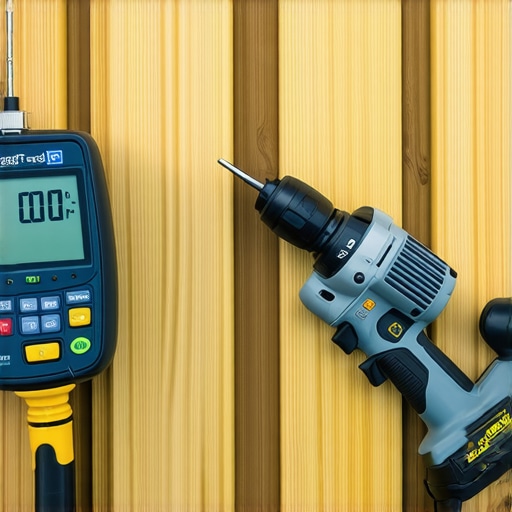
To make your maintenance routine even more effective, consider implementing a quarterly check system. This includes testing cable tension, examining fasteners for corrosion or looseness, and cleaning components with gentle solutions. Investing in a good cordless impact driver, combined with a digital tension meter, streamlines this process, saving you time and ensuring your structures stay as safe and attractive as when first installed.
Next Steps in Deck and Railing Care
Don’t underestimate the impact of proper tools and routine checks. Try one of the advanced techniques like using a digital tension gauge for precise cable adjustments or installing smart sensors in your pergola or deck to monitor conditions in real time. These methods not only extend the life of your outdoor features but also elevate the quality of your craftsmanship. For more tailored advice, explore custom railing options or reach out via our contact page to discuss your project needs. Staying proactive now ensures your outdoor oasis remains safe, stylish, and durable for years to come.
The Hardest Lesson I Learned About Railing Systems and Deck Design
One of the most valuable insights came from an unexpected mistake—I underestimated the importance of precise cable tension, leading to sagging cables that marred both safety and style. This taught me to prioritize accuracy over speed, using reliable tools like digital tension meters to ensure longevity.
Dispelling Myths That Could Cost You Time and Money
I once believed that matching deck materials and straightforward installation guaranteed durability. Turns out, overlooking factors like thermal expansion of composite decking or proper anchoring can cause future headaches. Recognizing these nuances has saved me from costly repairs and disappointment.
Picking Up Tips from Experts and Fellow Enthusiasts
Consulting trusted resources like this guide on custom railing systems or exploring latest composite decking trends has profoundly shaped my approach. These sources provide insights born from real-world experience, helping me avoid common pitfalls.
Future Actions That Can Elevate Your Outdoor Space
Now is the perfect time to embrace proactive maintenance—periodically checking tension, reinforcing anchoring, and applying protective coatings. Incorporating smart sensors for real-time monitoring is next on my list, ensuring the safety and beauty of my deck and pergola for years to come. Are you ready to take your outdoor structures to the next level? Share your plans below to inspire others on this journey.
Comments are closed.