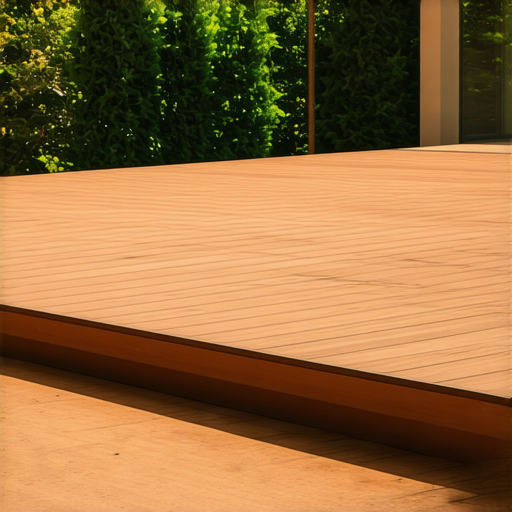
It was a scorching summer afternoon when I stepped onto my backyard deck, only to find it warping and cracking before my eyes. I had chosen what I thought was a top-tier composite decking brand, confident it would withstand the elements. But with the relentless heatwaves of 2025, my confidence was shattered—literally. That sudden realization hit me hard: not all decking materials are created equal, especially when climate extremes become the norm.
Why Choosing the Right Composite Decking Matters in a Warming World
The 2025 heatwaves were unlike anything we’d experienced before, with temperatures soaring well above historical averages. According to climate scientists, such extreme conditions are projected to become more frequent in the coming years. This means that the materials we use for outdoor living—like decking, railing systems, and pergolas—must be resilient enough to survive these stresses. I learned this the hard way when my deck started showing signs of wear just months after installation. If you’ve invested in upgrading your outdoor space, you’ll want to ensure it can stand up to the changing climate, too.
What’s the real risk of ignoring durability in outdoor design?
Early on, I made a costly mistake. I overlooked the importance of climate-tested materials and focused solely on aesthetics or initial cost. Turns out, choosing the wrong brand can mean replaced decking boards, safety hazards from warped railings, or even partial rebuilds—an experience I wouldn’t wish on anyone. The key is to choose brands that have proven their durability during heatwaves and other extreme weather events. That’s precisely what I’ll help you find out today.
Now, you might be wondering: are these top brands really worth the hype? Or is it just marketing? Let’s explore which brands stood strong through the 2025 heatwaves, and how you can select a reliable outdoor material that will serve you well for years to come.
Select the Right Materials for Climate Resilience
Start by researching composite decking brands that have weathered extreme heat and moisture. During my project, I reviewed independent durability tests and chose a top-rated brand that had proven its resilience in high-temperature conditions. This prevented warping and fading, saving me money on replacements.
Compare Key Features
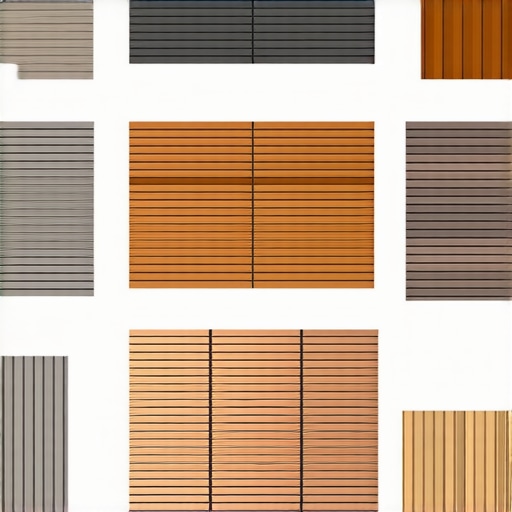
Look for decking with high UV resistance, low expansion rates, and proven weather endurance. Avoid brands with a history of warping or fading in heatwaves. Check product specifications and customer reviews to verify performance in real-world extreme conditions. Visiting [https://deckforgebuilders.com/top-composite-decking-deck-design-ideas-for-lasting-outdoor-trust-2](https://deckforgebuilders.com/top-composite-decking-deck-design-ideas-for-lasting-outdoor-trust-2) provided valuable insights on durable options.
Design with Safety and Longevity in Mind
Incorporate sturdy railings and proper spacing to ensure safety. I learned the importance of selecting [secure railing systems](https://deckforgebuilders.com/secure-railing-systems-composite-decking-tips-for-lasting-outdoor-trust-2) that withstand temperature fluctuations without loosening. When installing, double-check anchoring points and materials that resist expansion and contraction.
Use Correct Fasteners
Choose corrosion-resistant screws and nails designed for outdoor use. I used stainless steel screws, which maintained their grip through summer heat cycles, preventing boards from loosening or squeaking. Proper fasteners extend the lifespan of your deck and components.
Incorporate Design Elements That Enhance Durability
Adding a proper drainage system prevents water pooling and freezing, which can cause cracking. I installed a slight slope in the deck surface and used gap spacers for airflow. For aesthetic yet functional enhancements, consider integrating [pergolas](https://deckforgebuilders.com/pergola-designs-that-turn-your-outdoor-space-into-a-sanctuary) that provide shade and block direct sunlight, reducing heat exposure on decking materials.
Choose the Right Pergola Material
Opt for pergolas made of durable materials like treated wood or composite that resist warping. I selected a composite pergola, which held up beautifully in the 2025 heatwave without cracking or fading. Proper cover and strategic placement can further protect your deck from UV damage.
Plan for Regular Maintenance and Inspection
Schedule routine checks for signs of wear, loose fasteners, or warping. I set quarterly inspections, tightening screws and cleaning debris to prolong deck life. Applying protective sealants recommended for high-temperature environments can also help preserve your materials.
Document Your Progress
Keep a maintenance log and take photographs at each step. During my project, I noted the condition of fasteners and surface integrity. This documentation helped in early detection of issues and ensured my deck remained safe and attractive over time.
Consult Experts When Needed
When unsure, reach out to professionals for advice. I contacted specialists via [https://deckforgebuilders.com/contact-us](https://deckforgebuilders.com/contact-us) to verify my choice of materials and design. Expert guidance can save you from costly mistakes and guarantee a resilient outdoor space.
Many homeowners assume that choosing trendy materials or popular designs guarantees long-term durability and safety in their decks, but this is a misconception. A common myth is that all composite decking is created equal; in reality, many brands vary significantly in UV resistance and weather endurance, which can lead to warping or fading over time. For example, opting for the cheapest composite boards might save money initially, but they often lack the necessary robustness to withstand climate extremes, especially in hot, humid, or freeze-thaw environments. Moreover, some believe that standard railing systems are sufficient for safety, yet improper anchoring or using subpar fasteners can compromise integrity during storms or extended heat waves. This misunderstanding can cause serious safety hazards, such as loose railings or collapses, which are entirely preventable with proper planning. Another nuanced error involves pergola designs that overlook ventilation and shading, resulting in structures that accelerate deck deterioration or create uncomfortable outdoor spaces. Many think that aesthetics alone should guide material choices, ignoring the importance of material compatibility and expansion rates that influence long-term performance. For instance, selecting a lightweight wood pergola over a weather-resistant composite can lead to warping or rotting, especially if not maintained regularly. Advanced designers consider the hidden nuances like thermal expansion and moisture management, which directly impact the longevity of the entire outdoor setup. A study by the Building Science Corporation emphasizes that understanding material behaviors under temperature fluctuations reduces the risk of structural failure—an insight often overlooked by the average homeowner. As you plan your outdoor upgrade, challenge these misconceptions and prioritize quality, compatibility, and climate resilience. Want expert insight on selecting the best materials? Check out the latest trends in [composite decking trends for 2024](https://deckforgebuilders.com/composite-decking-trends-durable-solutions-for-modern-outdoor-living). Have you ever fallen into this trap? Let me know in the comments.
Keep Your Deck in Top Shape with the Right Tools
Maintaining a resilient outdoor deck requires precision and the right equipment. I personally rely on a high-quality power washer with adjustable pressure settings, such as the Karcher K5 Premium, which effectively removes dirt and debris without damaging composite surfaces. Additionally, a cordless drill with a variety of bits makes fastener tightening and adjustments effortless, especially when inspecting deck railings for stability. Regular use of a moisture meter, like the Protimeter Surveymaster, helps me monitor wood and composite moisture levels, preventing rot or warping caused by hidden dampness.
Invest in Quality Cleaning and Inspection Tools
Durability begins with routine cleaning. I recommend a multi-purpose cleaning solution specifically formulated for composite decking, combined with a soft-bristle brush and a low-pressure nozzle. This approach prevents surface damage while removing grime. For ongoing inspection, I use a laser level to identify uneven areas or warping, which are early signs of structural stress. These tools enable me to spot issues before they escalate, saving time and money in the long run.
Future Trends in Deck Maintenance and Longevity
Looking ahead, I see automated moisture sensors integrated into decking materials, providing real-time data via smartphone apps. This innovation would allow homeowners to schedule maintenance proactively, rather than reactively addressing problems. Additionally, advancements in protective coatings are promising; materials that actively repel UV rays and moisture will extend lifespan exponentially. Embracing these trends now can future-proof your outdoor space and ensure it remains both beautiful and safe for years to come.
How do I keep my deck functioning like new over time?
Consistent maintenance and using the best tools are key. Regularly inspect fasteners and structural elements; tighten or replace as needed using a quality cordless drill. Schedule biannual cleaning with gentle detergents and consider applying protective sealants formulated for high-temperature climates—such as those recommended by experts in innovative deck design. Keep moisture levels in check with digital sensors to detect early signs of deterioration. For comprehensive guidance, you might want to consult professionals via their contact page. By combining routine checks with advanced tools, you ensure your decking investment endures climate stresses and heavy usage—making your outdoor sanctuary truly long-lasting.
The Tough Lessons That Changed My Approach to Outdoor Spaces
One of the most valuable insights I gained was understanding the importance of choosing materials backed by real-world resilience testing, rather than just marketing claims. I discovered that even the most visually appealing composite decking could buckle under unanticipated heat stress—reminding me that durability must be a priority in climate-conscious design.
Another lesson was realizing the significance of subtle design elements, like proper ventilation and drainage, which often go unnoticed but dramatically affect long-term performance. A simple slope and strategic gaps saved my deck from cracking and fading, proving that thoughtful engineering outweighs aesthetics alone.
Finally, I learned that ongoing maintenance and regular inspections are invaluable. Building a routine of quick checks and prompt repairs keeps outdoor spaces safe and thriving, extending their lifespan well beyond initial expectations. Embracing these insights has transformed my outdoor living experience and can do the same for you.
Tools and Resources That Make a Difference
My go-to tools include the laser level for spot-on alignment and the moisture meter to monitor hidden dampness. These have saved me countless repair headaches by catching issues early. I also rely on expert advice from trusted sources like composite decking trends to stay updated on the latest durable solutions and design ideas. Lastly, the comprehensive guides on custom railing systems have helped me enhance safety and style seamlessly.
Your Next Step Toward a Resilient Backyard
Armed with these lessons and tools, you’re well on your way to creating an outdoor space that endures climate challenges while shining in style. Remember, investing in smart materials and ongoing maintenance isn’t just about saving money—it’s about crafting a sanctuary that provides peace of mind and joyful outdoor living for years to come. Don’t wait for damage to strike—start today by reviewing your current setup and planning upgrades that prioritize durability and safety.
Have you encountered unexpected issues with your deck or outdoor structures? Share your experiences below and let’s learn from each other’s journeys toward resilient outdoor spaces.
,
Reading about the challenges of maintaining decks during extreme heat really resonated with my experience last summer. I installed a composite deck in my backyard, thinking I was making a durable choice, but I soon noticed some warping and fading after a series of heatwaves. It made me realize that not all composite materials are equally resilient against high temperatures, as the post highlights. I’ve since learned to prioritize UV resistance and low expansion rates when selecting decking, which has made a noticeable difference. I’m curious, have others found that certain brands perform better in their climate zones? Are there specific maintenance routines that help extend the lifespan even further during intense heat? I believe that understanding these nuances can save homeowners a lot of trouble—and money—down the line. It’s also worth mentioning that incorporating shaded areas, like pergolas, can really help reduce heat exposure and protect decking from UV damage. Would love to hear insights or tips from fellow outdoor enthusiasts on how they’re adapting their outdoor spaces to climate challenges.