
I’ll never forget the day I built my first deck. Excited to enjoy summer evenings overlooking my lush backyard, I eagerly selected a railing system—only to realize it blocked half my view. That frustrating moment was my lightbulb moment: not all railings are created equal when it comes to enjoying an unobstructed panorama. If you’re like me, you’ve probably faced the disappointment of a beautiful view hidden behind bulky, eye-hindering barriers. The good news? There’s a way to keep your outdoor space safe and stylish without sacrificing that breathtaking sightline.
Keep the View Open and Bright with the Right Railing Choices
Today, I’ll guide you through three railing styles that prioritize your backyard scenery. Whether you’re relaxing with family or entertaining friends, these options help you enjoy every moment outside, crystal clear. From sleek materials to innovative designs, we’ll explore how to enhance your space without compromising the natural beauty beyond your deck. Staying informed about your choices can make all the difference—after all, the latest trends in outdoor design emphasize transparency and minimalism, ensuring your view remains the star of the show. Did you know that improperly chosen railings can block up to 50% of your visual field, turning what should be a scenic escape into a fenced-in cage? This is a mistake I made early on, and I don’t want you to make the same oversight. Take a moment to imagine your ideal backyard—now, picture the perfect railing that frames it, not hides it. Ready to turn that into reality? Let’s dive into these stylish, non-obstructive railing options that will elevate your outdoor experience and make your backyard truly a sanctuary.
Choose Transparent Materials for Open Sightlines
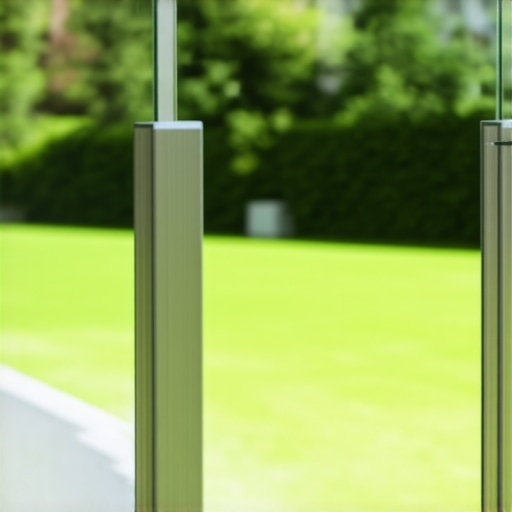
Start by selecting materials like glass panels or sleek aluminum that offer minimal obstruction. I once installed a glass railing using tempered panels, which provided an almost invisible barrier, allowing an uninterrupted view of my backyard garden. To ensure durability, opt for tempered or laminated glass and corrosion-resistant frames.
Plan Your Layout Carefully
Map out your deck’s dimensions and identify the ideal locations for railing supports. Use a chalk line or laser level to draw precise guidelines. During my project, I marked support positions meticulously, avoiding conflicts with stairs or built-in features, which made assembly much smoother.
Mind Your Support Span and Post Placement
Ensure posts are spaced to support the chosen panels securely. For glass panels, a typical support span is around 3-4 feet. I learned the hard way that unsupported panels are prone to flexing. Consulting manufacturer specifications helps avoid overloading unsupported sections.
Install Supports with Stability and Precision
Secure posts using appropriate brackets and fasteners. For concrete surfaces, use anchors designed for outdoor use and high load capacity. I used the offset bracket system to attach posts firmly to my existing deck, which prevented wobbling.
Attach Panels Tightly and Safely
Place panels into support channels, ensuring a snug fit. Use rubber gaskets or liners to cushion the glass and prevent damage. During my installation, I had to make adjustments to get a perfect alignment. A level and spacer blocks were my best friends in this step.
Seal and Finish for Longevity
Apply weatherproof sealant around panels and supports to prevent moisture ingress. Regular inspections and maintenance prolong the lifespan of your railing system. I found that sealing edges with a clear outdoor silicone prevented water from seeping in, avoiding corrosion and fogging.
Consider Complementary Features
Integrate features like lighting or privacy panels thoughtfully to enhance functionality without obstructing views. Installing LED strips along the top rail added ambiance to my deck at night without sacrificing openness. Remember to plan wiring routes accordingly.
To further improve your outdoor space, explore pergola ideas that complement your railing choices for a cohesive look, or review composite decking trends that match your style with durability.
 Many homeowners believe that choosing a stylish railing is simply a matter of aesthetics, but in my experience, overlooking the detailed nuances can lead to costly mistakes. One common myth is that all composite decking is equal—many assume that price points directly correlate with durability. However, industry experts highlight the importance of selecting composite materials with superior UV resistance and low thermal expansion properties, especially in regions with intense sunlight, as explained by leading deck material researchers. Misjudging these factors often results in warping, fading, or cracking over time. Additionally, many underestimate the significance of support span calculations. For example, using unsupported glass panels beyond manufacturer recommendations can cause flexing and safety hazards—something I encountered firsthand when my unsupported panels fogged due to stress. For serious backyard enthusiasts, understanding advanced support techniques like intermediate braces or metal backing plates can prevent such issues and extend your system’s lifespan. Regarding pergolas, the mistake many make is opting for lightweight or single-beam designs without considering wind load and storm resistance, which can lead to sway or even structural failure. The latest architectural studies show that double-beam or reinforced joist systems markedly boost stability, particularly in storm-prone areas. For those interested in elevating their outdoor space, exploring innovative design ideas like reinforced joint connections or integrated lighting can make a noticeable difference. Curious about how to avoid these pitfalls? Visit our custom railing solutions page for expert advice. Remember, understanding these hidden nuances is key to creating a safe, durable, and visually stunning backyard oasis. Have you ever fallen into this trap? Let me know in the comments.
How do I maintain my railing systems over time?
Consistent maintenance is key to ensuring your railing and deck systems stay safe and visually appealing. I swear by a few specialized tools and methods that have made my projects more efficient and durable. One tool I rely on heavily is a high-quality digital moisture meter. It allows me to monitor wood and composite materials for hidden moisture buildup, which can cause rot or warping if left unchecked. For example, during a recent project, I used a moisture meter before sealing my pergola posts, ensuring no hidden moisture would compromise their integrity. In addition, a cordless angle grinder equipped with a flap disc helps me quickly remove rust or old paint from metal supports while preparing surfaces for repainting or protective coatings. Personally, I prefer a pneumatic nailer for installing joist hangers and brackets—it provides consistent, tight fastening without fatigue, and speeds up the process considerably. When it comes to sealing and preserving the longevity of your decks and railings, I recommend using a breathable, UV-resistant stain or sealant applied with a sprayer for even coverage. I typically use a professional-grade sprayer with adjustable settings—this ensures a smooth finish on large surface areas and hard-to-reach corners. As composite decking continues to evolve, newer formulations come with integrated UV inhibitors, but regular inspection and re-sealing of exposed hardware remain essential to prevent corrosion and maintain aesthetics. Looking ahead, tools like smartphone-connected moisture meters and automated sealing systems are likely to become more prevalent, simplifying maintenance routines and extending your outdoor system’s lifespan efficiently.
What should I consider when scaling up my outdoor space without sacrificing durability?
If you’re planning to expand your deck or add new pergolas, investing in modular, pre-fabricated systems with integrated support reinforcement can save you time and reduce future repairs. For example, using heavy-duty universal brackets and support beams designed for larger spans ensures stability amid wind or weight load. I recently upgraded my deck with these features, which have kept everything upright even during a storm. For long-term results, always ensure your foundation is robust. Deep concrete footings combined with galvanized-steel j-bolts provide a solid base resistant to shifting or rot over the years. In the future, as building codes adapt, I predict that prefab solutions will increasingly include smart load sensors and real-time stress monitoring, giving homeowners peace of mind and early warnings for maintenance needs. To make your scaling efforts smoother, consider consulting with professionals experienced in custom [railing systems](https://deckforgebuilders.com/transform-your-outdoor-space-custom-railing-systems-for-safety-and-style). Overall, the right mix of tools, materials, and foresight ensures your outdoor enhancements remain both beautiful and durable for years to come.
What I Wish I Knew When Building My Perfect Backyard
- One of my biggest lessons was realizing that overlooking minor details like post spacing or support reinforcement can lead to long-term instability or safety issues—attention to these aspects from the start saved me future headaches.
- I discovered that choosing low-maintenance, UV-resistant materials not only prolongs the lifespan of my deck and pergola but also keeps the outdoors looking pristine with minimal effort, a game-changer in outdoor upkeep.
- Understanding the importance of seamless integration—whether lighting, privacy features, or support systems—makes a huge difference in creating an outdoor space that feels cohesive and inviting, rather than piecemeal or haphazard.
- My realization that the smallest upgrades, like weatherproof seals and strategic support supports, can dramatically increase durability and safety, has been crucial; these fixes are often overlooked but vital for enduring beauty.
My Essential Toolbox for Decks and Pergolas
- Professionally recommended moisture meters have saved me from unseen rot and warping—knowing the moisture content of materials before sealing or installation ensures longevity and structural integrity.
- A quality cordless angle grinder with a flap disc has been indispensable for cleaning supports and eliminating rust without damaging surfaces, making maintenance safer and more efficient.
- Utilizing a high-grade sprayer for applying sealant ensures an even coat that lasts longer, reducing frequent reapplications and protecting against the elements better than spray cans or brushes.
- Consulting trusted sources like detailed guides on [custom railing systems](https://deckforgebuilders.com/transform-your-outdoor-space-custom-railing-systems-for-safety-and-style) helps ensure my choices are both safe and stylish, avoiding costly mistakes and achieving perfect aesthetics.
Create Your Outdoor Oasis: Take Action Today
Your backyard is a canvas waiting for your personal touch—by applying these lessons and tools, you can craft an outdoor space that combines safety, durability, and beauty. Don’t wait for issues to arise; proactive planning makes all the difference in long-term enjoyment. Whether you’re upgrading existing structures or starting fresh, remember that meticulous attention and utilizing reliable resources pave the way to success. Ready to elevate your outdoor experience? Explore our [custom railing solutions](https://deckforgebuilders.com/transform-your-outdoor-space-custom-railing-systems-for-safety-and-style) and turn your backyard dreams into reality. What’s one feature you’ve been hesitant to add but know would transform your space? Share below and let’s inspire each other!