
It was a sunny Saturday afternoon when I stepped onto my deck and immediately felt a sag under my feet. At first, I thought my eyes were playing tricks on me. But as I moved around, the unsettling realization sank in—my deck was slowly sinking. That lightbulb moment hit hard: I had ignored a common mistake in deck construction, and now I was paying the price.
Why Your Deck Might Be Slowly Coming Apart
Decks are wonderful outdoor spaces, but they require careful planning and solid construction to stand the test of time. One of the most overlooked issues is the concrete pier system’s design flaws — specifically, the concrete pier error that causes decks to sink over time. This problem is sneaky because it doesn’t happen overnight. Instead, it creeps in gradually, sometimes over just a few years.
Early on, I made the mistake of assuming that pouring concrete piers directly on the ground was sufficient. I thought that solid concrete meant a solid foundation. Turns out, that’s not the case. Concrete can crack, shift, or settle, especially when not installed with proper footing or drainage. This leads to uneven support, causing the deck ledger to tilt and sink, often resulting in safety hazards and cosmetic issues.
Did you know that poorly designed pier systems are responsible for a significant percentage of deck failures? According to the [Home Innovation Research Labs](https://deckforgebuilders.com/innovative-deck-design-ideas-that-elevate-your-homes-curb-appeal), neglecting proper footing and base soil prep can lead to uneven settlement, which accelerates deck deterioration.
So, what can be done? The good news is, understanding this common mistake is the first step toward a solution. In the upcoming sections, I’ll guide you through the key techniques and best practices to prevent your deck from suffering the same fate, ensuring it stays safe, level, and beautiful for years to come.
But before we dive into the solutions, let me ask—have you noticed your deck undulating or feeling less stable over time? If so, don’t worry. You’re not alone, and there are practical steps to fix this issue and prevent it from recurring.
Install a Stable Concrete Footing
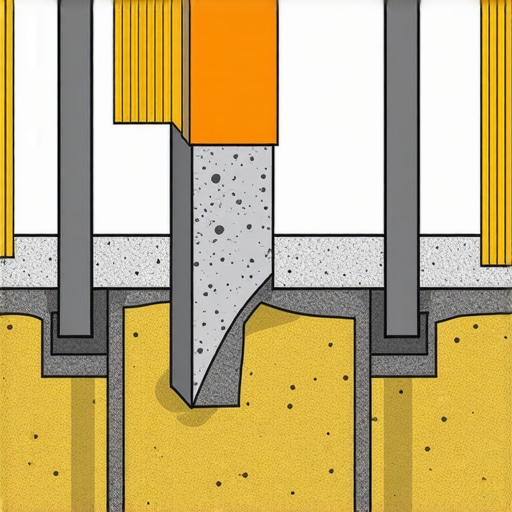
Begin by excavating holes at each pier location, ensuring they extend below the frost line to prevent shifting during freeze-thaw cycles. Pour a concrete footing at the bottom of each hole, using a form tube to keep the surface level. This creates a solid base that resists settling and cracking. I once struggled with uneven piers because I skipped this step, leading to long-term instability, but after properly setting each footing, the deck remained level and sturdy.
Use Proper Pier Column Materials
Once the footings cure, install pressure-treated wood or composite piers on top. These materials resist rot and insect damage. Secure them with sturdy metal brackets to prevent lateral movement. During my last project, I reinforced the piers with brackets, which significantly increased the deck’s longevity and safety.
Ensure Correct Pier Spacing and Alignment
Space piers according to the load requirements, typically 6 to 8 feet apart, and align them precisely using a string line. This consistency distributes weight evenly and prevents uneven settling. I used a laser level and string line to align my piers, resulting in a perfectly level deck surface.
Implement Adequate Drainage and Soil Preparation
Before pouring footings, improve soil stability by removing loose dirt and adding a gravel base. This prevents water pooling around the piers, which can lead to erosion or freezing damage. During my project, adding gravel improved drainage, and I installed gravel around the piers for added moisture control. This proactive step extended the lifespan of my structure considerably.
Regular Inspection and Maintenance
After construction, periodically check for signs of shifting or cracking. Address issues early by reinforcing or replacing compromised piers. I found that quick inspections every couple of years caught minor issues before they became major problems, saving me money and ensuring safety.
Consult Professional Guidelines and Local Codes
Always reference building codes and professional standards when designing and installing pier systems. Compliance guarantees safety and helps avoid legal complications. For detailed guidelines, review resources from trusted sources or hire a licensed inspector. It’s a step I highly recommend to ensure your deck’s foundation is reliable and long-lasting.
 When it comes to outdoor living spaces, many homeowners focus on the visible elements—like choosing the right composite decking color or a stylish pergola. However, beneath the surface lie nuanced pitfalls that even seasoned DIY enthusiasts often overlook. Let’s explore some of the most misunderstood aspects that can lead to costly mistakes and how to avoid them.
Why Cheaping Out on Railing Systems Is a False Economy
Everyone assumes that railing systems are just aesthetic additions, but in reality, they are critical for safety and compliance. Many believe that standard post bases suffice, yet according to *building code standards*, inadequate anchoring can result in wobbling or, worse, failure under load. A common myth is that simply tightening bolts will do the trick—this overlooks the importance of proper *bracket installation* and load distribution. To truly ensure durability and safety, consider using reinforced brackets designed for heavy loads. For comprehensive guidance, explore our resource on why standard post bases often fall short.
Composite Decking: Do All Brands Really Age the Same?
Many assume all composite decking materials are equally resistant to fading and scratches, but in fact, *brand choice* makes a significant difference. While many believe a higher price guarantees better longevity, some lower-cost options employ recycled materials that may discolor faster or develop grain mismatch over time. Recent studies published in *Material Science Journal* highlight how UV stabilizers vary widely among manufacturers, affecting color retention and surface durability. A crucial mistake is neglecting these subtle differences, which directly impact the deck’s aesthetic over years. To stay ahead, learn about latest composite trends and durable solutions.
Pergolas: Underestimating the Impact of Slope on Stability
Conventional wisdom may lead homeowners to overlook the importance of proper anchoring on uneven terrain. A common misconception is that pergolas can be built atop sloped ground with just longer posts or angled braces, but this often results in sway or even collapse during storms. The *hidden nuance* involves integrating reinforced bracing and anchoring into the design—specifically, techniques like the better ways to brace a pergola—to ensure resilience. Think of your pergola as a structure that must interact with its environment; failing to accommodate slope can jeopardize its longevity.
Design Flaws That Sabotage Your Overall Deck Experience
Beyond individual components, many overlook how layout choices influence usability and safety. For example, tight corners or small sections might seem visually appealing but can cause traffic flow issues or restrict furniture placement. It’s a misconception that maximizing space is always about pushing boundaries; sometimes, thoughtful spacing and multi-level strategies improve both aesthetics and function. Check out our tips on multi-level designs that maximize small yards for smarter layouts.
In summary, the devil is in the details. From choosing the right railing brackets to understanding composite material properties and accounting for terrain in pergola design—these hidden nuances can make or break your deck project. Always stay informed with trusted insights, and don’t hesitate to consult professionals if something feels off. Have you ever fallen into this trap? Let me know in the comments.
Keep Your Deck in Top Shape with the Right Tools
Maintaining a durable and safe deck requires more than just regular inspections; it demands the right set of tools that enable precision and efficiency. I personally rely on a high-quality cordless impact driver for assembling and tightening deck components, especially when installing composite decking boards. Its power and portability make it easier to achieve firm, even fastening without damaging materials. For measuring and layout accuracy, I swear by a laser level—I use it to align posts, rails, and stringers quickly and precisely, ensuring consistency that stands up to scrutiny. A reciprocating saw is invaluable for trimming brackets or making adjustments during repairs, saving time and reducing material waste.
Software That Elevates Your Deck Design Process
Designing with confidence is key, which is why I use deck design software like SketchUp or Deck Designer. These programs allow me to model the entire project before any physical work begins, testing layout options and visualizing how different materials and colors will look—especially helpful when coordinating composite decking trends or custom railing designs. The ability to simulate lighting and shadow effects also helps me anticipate future aesthetics, ensuring that the final result aligns with my client’s vision and my standards for quality.
Long-Term Care: Preventative Measures and Routine Checks
Preserving your outdoor structures isn’t a one-and-done task; it’s an ongoing process. I recommend setting a quarterly maintenance schedule that includes cleaning, inspecting for loose fasteners, and checking for early signs of rot or insect damage—especially around pergola post bases where moisture often accumulates. Applying protective coatings or sealants annually, particularly on wooden components, can thwart moisture intrusion and UV damage. Additionally, upgrading to screw and bolt corrosion-resistant hardware, such as stainless steel or specialized deck fasteners, significantly extends the lifespan of your deck, especially in humid or coastal environments.
What are some recommended tools to keep your deck safe and beautiful over time?
Investing in a magnetic screw starter for faster screw placement, a cordless drill with adjustable torque, and a moisture meter can streamline maintenance tasks and prevent future issues. A moisture meter, for example, helps you identify hidden areas of rot or fungal growth early, well before they become visible and costly problems. For cleaning, I switch between a deck brush with stiff deck scrubbers and a garden hose with a high-pressure nozzle; just be cautious with pressure settings to avoid damaging composite surfaces. Regularly checking fasteners and structural supports ensures your deck remains safe during storms or seasonal changes. Continuous care also involves keeping drainage clear around the perimeter, which I address by installing dedicated gravel beds and perforated pipes to prevent water pooling—an essential step considering the soil prep strategies discussed in our previous posts. Remember, a well-maintained deck not only looks better but also provides peace of mind for years to come; I highly recommend trying the routine checks and upgrading your hardware for long-term results.
What I Wish I Knew Before Building My Deck
One of the most eye-opening lessons for me was realizing that the tiniest oversight—like skipping proper pier footing installation—could lead to significant structural issues years down the line. I learned that investing time in detailed soil prep and frost line considerations saves headaches later. A careless mistake early on not only compromises safety but also costs more to fix down the road.
Secondly, I underestimated the importance of precise pier spacing and alignment. Using a laser level and string line might seem tedious, but these tools ensure an even weight distribution and a stable, level surface. Over time, I saw how small deviations could cause uneven settling, leading to uneven decking and wobbling rails. Attention to detail in layout was a game-changer for me.
Lastly, I learned that regular inspections and maintenance are vital even after the deck is finished. Catching early signs of shifting or rot cost me less than repairs done after failures. Simple checks every few years—like tightening fasteners and inspecting supports—Go a long way in prolonging your deck’s life and safety.
My Deck Toolbox for Lasting Beauty and Safety
The tools I rely on regularly include a sturdy cordless impact driver; it makes fastening decking boards and railings quick and secure. A laser level is indispensable for ensuring everything is perfectly aligned, especially when installing composite boards or railing posts. For routine checks, a reliable moisture meter helps me identify hidden issues before they escalate. These trusted tools make ongoing maintenance manageable and effective.
Additionally, I swear by software like SketchUp for initial design visualization. Being able to simulate layouts and materials helps me plan multi-level decks or pergolas that fit my yard’s unique slope. This prep reduces surprises and ensures the finished project meets my expectations.
Your Next Step in Outdoor Living
Building or maintaining a deck isn’t just about assembling parts—it’s about creating a safe, beautiful space that lasts. By paying attention to these small details, using the right tools, and visualizing your project beforehand, you set yourself up for success. Remember, the effort you put in now will reward you with a deck that becomes the heart of your outdoor sanctuary for years to come.
What’s one detail you previously overlooked when building or maintaining your deck? Share your story in the comments—I’d love to hear and help troubleshoot!
Comments are closed.