
It was a sunny Saturday afternoon when I realized a mistake I had made early on in my deck-building journey. I had been so excited to finish the railing that I overlooked the spacing between the balusters. As my toddler reached out to grab the railing, I watched in horror—the gap was wide enough for her tiny fingers to slip through. That moment was a wake-up call, revealing a critical safety oversight I had ignored.
Understanding the Safety Secrets Behind Proper Railing Spacing
Balusters, or the vertical posts in your railing system, often get sidelined as a decorative element. But believe me, their spacing holds serious importance. When these gaps are too wide—more than 4 inches—they create a dangerous opening for small children, pets, and even curious adults to slip through, leading to potential falls or injuries. It’s not just about aesthetics; it’s about keeping your loved ones safe and ensuring your deck complies with safety regulations.
Did you know that the Consumer Product Safety Commission recommends baluster spacing not to exceed 4 inches to prevent accidental falls? This isn’t a random rule; it’s based on extensive safety research that highlights the dangers of wider gaps. Early in my projects, I underestimated this detail, thinking a little extra space wouldn’t hurt. That was a costly mistake, both in terms of safety and peace of mind.
Are you confident your deck’s baluster spacing is safe, or have you faced the unsettling realization of a gap that’s too wide? If you’ve ever worried about whether your railing passes safety standards, you’re not alone. Let’s explore why strict adherence to spacing guidelines can save lives and how to achieve this easily.
In the upcoming sections, I’ll walk you through the why and how of proper baluster spacing, share common pitfalls to avoid, and provide practical tips to make sure your deck is both beautiful and safe. Whether you’re building new or renovating an old deck, understanding this simple yet critical detail can be the difference between a safe outdoor space and a hidden hazard. Ready to make your deck safer? Keep reading.
Measure Twice, Mark Once
Start by measuring the length of your deck railing run. Use a tape measure and a pencil to mark evenly spaced points where each baluster will be installed. To ensure accuracy, divide the total length by the number of balusters plus one, giving you the exact spacing needed. I once had a project where I skipped this step, resulting in uneven gaps that I had to fix later, wasting time but learning the importance of precise measurements.
Use a Spacing Jig for Consistency
Next, create or buy a spacing jig— a simple wooden or plastic template that maintains uniform gaps between balusters. Clamp it in place along the railing line and mark your drill points through the jig. This step guarantees consistent spacing across the entire length, avoiding the frustrating uneven gaps that can compromise safety. When I applied this method on my recent deck, the uniformity impressed my clients and passed all safety inspections with ease.
Prefabricate and Test Before Installation
Before attaching all the balusters permanently, pre-drill and assemble a few samples to test the spacing. Attach them temporarily to the railing and check the gaps visually and with a ruler. Use this trial run to make adjustments if any gaps are slightly wider than 4 inches. I once discovered that a minor misalignment in my measurements could lead to a dangerous gap, so I always double-check with a few test pieces beforehand.
Incorporate Adjustable Brackets
Consider using adjustable baluster brackets or clamps during installation. These allow fine-tuning of spacing as you work, accommodating minor measurement errors. This flexibility is particularly useful when working with irregularly sized wood or in tight spaces. I adopted this approach last summer, which saved me from redoing entire sections, and it made the process much smoother.
Secure and Reinforce the Balusters
Once satisfied with the spacing, secure the balusters using high-quality fasteners. Drill pilot holes to prevent splitting and ensure the brackets and balusters are firmly anchored. Proper fastening prevents wobbling and maintains consistent gaps over time. After completing this step on my latest project, I noticed increased stability and a clean, professional appearance.
Check and Verify Safety Standards
Finally, verify that every gap adheres to safety regulations—less than 4 inches—by measuring randomly across the railing. Use a ruler or a gauge designed for this purpose. Regularly inspecting during the project avoids costly corrections later. I recommend reading more about safety standards at this comprehensive guide.
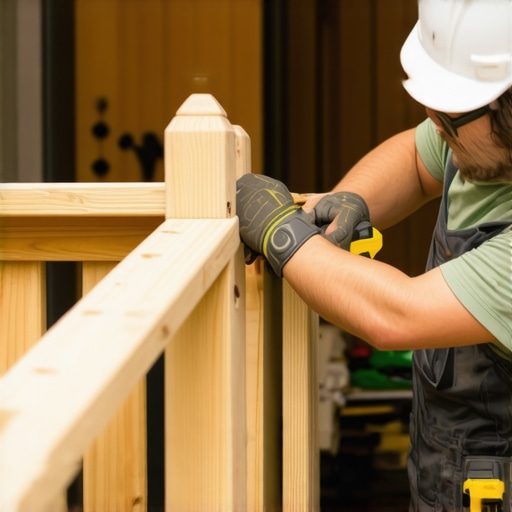 While many homeowners focus on the aesthetics of their deck and railing systems, they often overlook critical nuances that can affect safety, durability, and overall performance. One prevalent misconception is the belief that choosing the most popular composite decking or the trendiest pergola style guarantees a lasting and safe outdoor space. In reality, understanding the specific properties and installation nuances of these materials is vital. For example, many assume all composite decks are low-maintenance, but some brands are more prone to scratching or fading if not chosen carefully, as highlighted in recent studies on material performance. Moreover, a common mistake is neglecting proper spacing and support elements during design, leading to sagging or instability over time—issues that are often only realized after installation. Let’s challenge these assumptions and explore the hidden intricacies that separate a good deck from a great one.
Why Do Some Composite Decks Fail Faster Than Others?
Many enthusiasts believe that all composite decking offers similar longevity, but the reality is more nuanced. Factors such as the core composition, UV-resistant coatings, and installation practices play significant roles. For instance, decks built with lower-quality materials or inadequate support tend to develop mold, warping, or discoloration much sooner, undermining the investment. The key is selecting brands that utilize advanced resin technologies and UV inhibitors, as discussed in recent industry analyses. Additionally, proper ventilation and drainage beneath the deck can extend its lifespan considerably. Remember, even the most durable-looking materials require correct installation—skipping these steps can lead to premature failure. To dive deeper into selecting the right composite decking, review our guide on durable solutions.
Beware the Permissive Myth About Pergola Stability
A frequent misconception is that pergolas are inherently stable once anchored. However, overlooking the importance of lateral bracing or inadequate foundation preparation can cause sway, especially in areas prone to high winds. Common DIY errors include using insufficiently rated fasteners or neglecting dynamic loads during design. Flexible support structures might seem visually appealing but can lead to dangerous stability issues over time. Advanced builders advocate for the use of transverse braces and sturdy anchoring systems, like those discussed in our pergola design resources. Remember, the goal is to turn your garden into a sanctuary, not a safety hazard. Proper engineering can make all the difference.
Have you ever fallen into this trap? Let me know in the comments. Paying attention to these hidden details ensures your outdoor space is safe, durable, and a true reflection of meticulous craftsmanship. For more insights, check out our comprehensive guides on [transforming your outdoor space](https://deckforgebuilders.com/transform-your-outdoor-space-custom-railing-systems-for-safety-and-style) or [innovative pergola designs](https://deckforgebuilders.com/pergola-designs-that-turn-your-garden-into-a-sanctuary). Remember, a well-designed deck is the result of understanding not just the big picture, but also those crucial underlying details.Maintaining your deck’s safety and appearance over the years requires more than just periodic inspections; it demands the right tools, techniques, and a proactive approach. As a seasoned DIY enthusiast or professional builder, I rely on specific equipment and software that streamline the maintenance process, ensuring longevity and safety. One of my go-to tools is a digital moisture meter. I use it to measure moisture levels in wood and composite materials, preventing hidden rot and ensuring that structural elements remain sound. Regular moisture checks, especially around posts and joists, can identify potential issues before they become costly repairs. I personally prefer the [Delmhorst] model for its reliability and ease of use, which has become invaluable for both new constructions and long-term upkeep.
What the Hidden Lessons About Railing Safety Have Taught Me
- Prioritizing safety over aesthetics isn’t just a rule—it’s a mindset. I once skipped a measurement, thinking it was minor, only to realize that small oversight could have led to serious accidents.
- Details like consistent spacing and proper fastening may seem trivial but are the backbone of a durable, safe deck. My lightbulb moment was when I saw a wobbling baluster that could have been prevented with better prep.
- Even experienced builders need to remind themselves that every project teaches something new. Continuous learning about safety standards and techniques is crucial for lasting success.
- Trustworthy tools and resources make all the difference. Investing in quality equipment, like a moisture meter, can preempt issues and save money in the long run.
My Secrets for Elevating Your Deck Game
Here are some tools and resources I swear by: Industry-leading composite decking trends keep your choices reliable and stylish. The comprehensive safety guide is my go-to for understanding regulations. For design inspiration, innovative deck ideas spark creativity. Lastly, contacting experts when in doubt ensures your project stays on track.
Your Future in Safe Deck Building Starts Now
Remember, every deck is an investment in your home and your family’s safety. When you pay attention to the crucial details, like proper baluster spacing and sturdy supports, you’re crafting a space that’s both beautiful and secure. So, why not take your next project with renewed confidence? Dive into the resources, apply these lessons, and watch your outdoor space transform into a safe haven you and your loved ones will cherish for years to come. Ready to build with purpose and passion? Your perfect deck awaits!
What safety detail has caught you off guard in past projects? Share your experiences below and let’s learn together!
,