
I’ll never forget the moment when I finished building my dream deck—only to realize the unsightly raw ends of those composite boards glaring at me every time I stepped outside. It was one of those lightbulb moments that made me wonder, “Why wasn’t I prepared for this?” Honestly, those raw ends can really spoil the sleek look you’re aiming for. After trying a few things and making my share of mistakes, I discovered some effective ways to hide or finish those raw edges, and I promise, they’re simpler than you might think.
Why Hiding Deck Board Ends Matters More Than You Think
The way you handle the raw ends of composite deck boards isn’t just about aesthetics—it’s about protecting your investment. Exposed edges can absorb moisture, leading to premature wear, splintering, or warping. Plus, a clean finish boosts your deck’s overall curb appeal and safety. If you’re like me, you want your outdoor space to be not just functional but gorgeous enough for gatherings and quiet evenings alike. Understanding how to properly conceal or finish these edges can save you headaches and money down the line.
Is it really worth fussing over those edges?
Early in my projects, I made the mistake of thinking those raw ends were just minor details. I left them bare, only to find dirt and moisture gathering, which accelerated deterioration. Trust me—taking the time to learn better methods pays off in the long run. And if you’re concerned about wasting time or money, know that there are budget-friendly, durable solutions that truly work—some even enhance the look of your deck.
Stay tuned as I share three tried-and-true methods I used to hide or finish those raw ends, helping you achieve a professional look with minimal fuss. If you’re eager to elevate your deck design, check out some inspiring innovative deck design ideas that incorporate these finishing touches naturally.
Cutting and Preparing Your Deck Boards
Start by measuring the raw ends accurately using a carpenter’s square and pencil. Clamp a straightedge along the cut line, then saw carefully with a circular saw for a clean edge. I once misjudged the cut and ended up with a jagged edge, which made me realize precision is key. Sand the cut edges with a fine-grit sander to remove splinters and smooth the surface, ensuring an even look after finishing. Smooth edges also facilitate better sealing or covering, which is essential for durability.
Applying Trim and Sealing the Edges
For a seamless finish, attach matching composite or wood trim pieces over the raw ends. Use concealed fasteners or construction adhesive to secure them, then countersink screws for a flush appearance. I remember installing a simple vinyl cap over ends once, which snapped easily into place and provided a clean look without complicated hardware. Applying a waterproof sealant or composite edge banding offers an extra layer of protection against moisture and UV damage. Consistent sealing prevents moisture ingress, reducing warping and splintering over time.
Using End Caps and Concealers Effectively
Choose from a variety of end caps or concealers made specifically for composite decking or wood. Slide or snap them onto the cut ends, making sure they fit snugly. During a project, I used vinyl end caps that clipped onto the edges effortlessly, transforming an unfinished look into a polished one instantly. For a more permanent solution, adhesively bonded aluminum or PVC caps resist weather and last for years. Ensuring the caps are properly sealed with weatherproof caulk enhances their protective function, preventing water penetration.
Incorporating Railing and Decorative Features
Finish the edges by installing railing systems that conceal any remaining raw ends. Modern custom railing systems not only add safety but also hide unsightly cuts. When I installed a composite railing, I selected a system with adjustable posts that naturally masked the ends, resulting in a sleek, uniform appearance. Properly secured handrails and balusters can also serve as a finishing touch, tying the deck together visually.
Enhancing Aesthetics with Decorative Elements
Consider integrating decorative features like lighting, built-in benches, or plant boxes that draw attention away from raw edges. For example, I embedded LED strip lights along the perimeter, which diverted attention and added ambiance. Custom-designed planters or trellises can be mounted to corners or edges, giving your deck a personalized flair while covering raw ends. Use weather-resistant fixtures and secure them tightly for safety and longevity.
Maintaining Your Finishes for Long-Term Beauty
Keep your finished edges looking sharp by regularly cleaning with mild soap and water, and inspecting for damage. Reseal or replace end caps periodically to maintain their protective qualities. In my experience, a yearly touch-up with sealant kept the edges looking new and prevented moisture intrusion. Proper maintenance ensures your efforts in hiding those raw ends pay off years down the line, allowing your deck to stay beautiful and durable.
Even seasoned DIY enthusiasts often fall prey to misconceptions about deck design and accessories. One prevalent myth is that choosing the most affordable railing system is always the smartest choice. While budget-friendly options may seem enticing initially, they frequently lead to durability issues and safety concerns over time. Expertly designed railing systems incorporate premium materials and precise engineering, ensuring longevity and maximum safety, which many beginners overlook. Another nuance is the surprising extent of thermal expansion in composite decking boards. Many assume that modern composites are immune to temperature fluctuations, but in reality, insufficient gap allowances or improper fastening can cause buckling or warping during hot summers. An advanced mistake I’ve seen is neglecting to account for these expansion gaps during installation, leading to costly repairs. For sophisticated deck designs, installing pergolas without considering wind sway and load distribution is another trap. Proper bracing and foundational support are often underestimated, causing structural failure in stormy conditions. A common misconception is that all composite decking is equally UV resistant, yet some brands fade faster or develop chalky appearances if not specified for high exposure. This oversight can diminish aesthetic appeal quickly, prompting premature replacement. According to a study from the American Society for Testing and Materials, selecting UV-stable composites enhances long-term color retention and surface integrity. Make sure to scrutinize product specifications thoroughly. Have you ever fallen into this trap? Let me know in the comments.
Keeping your deck and railing systems in top shape requires more than just know-how; it demands the right tools that enable precision, efficiency, and durability. Over the years, I’ve tested and refined a set of equipment that makes maintenance tasks—from sealing edges to checking for structural integrity—much smoother. Investing in high-quality tools not only saves time but also ensures the longevity of your outdoor space. Today, I want to share some of my go-to tools that I rely on for regular upkeep and repairs.
How do I maintain my deck and railing systems over time?
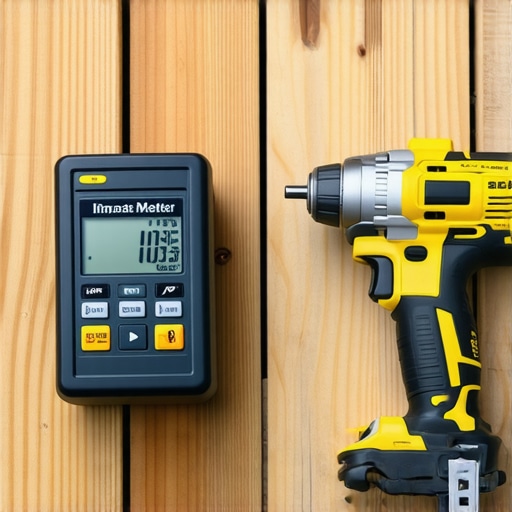
Routine inspections combined with the proper tools can catch issues early before they escalate. For example, a digital moisture meter helps detect hidden water intrusion in hard-to-see areas, preventing rot or warping — as emphasized in a comprehensive study by the American Society for Testing and Materials. Similarly, a quality cordless impact driver speeds up fastening tasks, ensuring screws are driven flush and secure, which is crucial when sealing or attaching trim. Using a combination of these tools with a disciplined maintenance schedule keeps your deck looking pristine and performing reliably for years to come.
Now, let’s delve into some specialized equipment that I’ve found indispensable in my projects.
Power Tools That Elevate Your Deck Care
First off, I recommend the Cordless Rotary Hammer with Chiseling Function. This versatile tool allows me to remove old, weathered paint or sealant from deck edges and railing components with precision, making prep work for sealing or refinishing much faster. Plus, its impact mechanism minimizes user fatigue. For smoothing out cut edges after sawing, I use a Powered Orbital Sander fitted with fine-grit sandpaper. This ensures that sealing, whether with composite edge banding or applying end caps, adheres evenly and lasts longer. Check out the router bits I swear by for perfect edge finishing.
Essential Inspection and Measurement Devices
Maintaining structural integrity is vital. That’s why I keep a Digital Level and Straightedge in my toolbox. They help me verify the flatness and alignment of railings and joists, preventing wobbles and uneven gaps that could compromise safety. In addition, a Laser Distance Measure allows quick and accurate measurements for ensuring correct expansion gaps and spacing, especially when dealing with complex pergola layouts or wide decking spans. Proper measurement is the cornerstone of professional-looking results and long-term durability.
Specialized Maintenance Equipment for Sealing and Finishing
Applying sealants and caps effectively calls for specific tools. For precise application of waterproof caulk or sealant around posts and joints, I prefer a Sealant Gun with Adjustable Bead Control. It helps achieve a clean, consistent line that prevents moisture ingress. When installing end caps or trim, a Small Rubber Mallet becomes invaluable to seat components snugly without damage. These seemingly simple tools make a big difference in achieving a professional finish — which aligns with the techniques discussed in articles like finishing edges smoothly.
Looking Toward the Future of Deck Maintenance
As technology advances, I believe we’ll see even smarter tools integrated with IoT capabilities, providing real-time data on moisture levels or structural health. Imagine a deck sensor system that alerts you when seals are wearing or when wood components show signs of rot. Meanwhile, the trend toward automated maintenance devices might make routine inspections more accessible—and less time-consuming. Until then, cultivating a well-stocked toolkit with high-quality, specific equipment remains the best way to keep your deck and railing systems functioning flawlessly.
Try adopting an impact driver or digital moisture meter into your maintenance routine; these tools can profoundly improve both efficiency and results. Remember, ongoing care is key to enjoying a beautiful, safe outdoor space for years to come. If you’re ready to upgrade your toolkit or need tailored advice, don’t hesitate to reach out.
Over the years, I’ve realized that the small details—like finishing those raw ends—truly elevate your deck from good to exceptional. Reflecting on my journey, a few lightbulb moments stand out, reminding me that patience and precision are the secret ingredients for a long-lasting, beautiful outdoor space.
Lessons That Changed My Approach to Deck Finishing
- Don’t underestimate the power of quality tools: Investing in a good impact driver or moisture meter saved me time and prevented costly mistakes, proving that the right equipment is an investment in your project’s success.
- Every cut matters: Taking the extra few minutes to measure twice and saw carefully paid off with a cleaner, more professional look. Precision really is key when finishing deck edges.
- Sealing is your best friend: Properly sealing or adding end caps can dramatically extend your deck’s life by preventing moisture intrusion, which I learned the hard way by neglecting these details early on.
- Concealment creates seamless beauty: Using matching trim or railing systems to hide raw ends not only enhances appearance but also provides additional protection against the elements. Modern railing systems are designed to do this effortlessly, turning functional elements into design features.
- Maintenance is ongoing: A regular check-up schedule with a few simple tools keeps your deck looking fresh and durable, which makes all the difference over the years.
Gear I Trust for Deck Perfection
- Cordless Impact Driver: Speeds up fastening tasks and ensures everything stays flush, preventing issues like mushrooming screws or loose boards.
- Digital Moisture Meter: Vital for early detection of any hidden water damage, helping me address issues before they escalate.
- High-Quality Orbital Sander: Guarantees smooth edges after cutting, essential for applying sealants or caps evenly.
- Sealant Gun with Bead Control: Achieves clean, consistent sealing lines—crucial for a professional finish.
Your Next Move Starts Today
Don’t let small imperfections hold back your deck’s potential. Whether you’re concealing raw ends or installing decorative elements, remember that attention to detail and quality tools can transform your outdoor project into a masterpiece. The future of deck mastery is in your hands—start today, experiment with new techniques, and enjoy the satisfaction of a beautifully finished space. What finishing challenge have you been hesitating to tackle? Share your story below, and let’s learn together!