
Have you ever stood on your newly built deck only to notice those unsightly screw heads poking out, ruining the smooth surface? I’ve been there, frustrated beyond words, when my meticulously planned outdoor oasis was marred by visible fasteners and scratches that seemed impossible to avoid. That morning, as I struggled to fix a scratch on my composite decking, I had a lightbulb moment about a simple yet overlooked secret: the counter-sinking method for invisible deck screws. After adopting this technique, not only did my deck look impeccable, but I also saved myself countless headaches and future repairs.
The Power of Invisible Screws and How They Change the Game
When I first started my deck project, I was determined to achieve a flawless finish. I chose composite decking for its durability and low maintenance, but I quickly realized that the appearance of fasteners could make or break the aesthetic. Using visible screws often meant dealing with mushrooming, scratches, and the dreaded “screw head pop-up,” which can ruin the sleek look of any deck. That’s when I discovered the importance of hidden fastener systems. Still, even these require some finesse to ensure they sit flush without damaging the material or leaving an unsightly gap.
That’s why mastering the technique of counter-sinking with specially designed screws became a game-changer. It’s a straightforward method in theory but often overlooked by DIY enthusiasts and even seasoned pros. By pre-drilling and countersinking screw holes properly, you allow the screw heads to sit just below the surface, creating a smooth, snag-free surface that’s comfortable barefoot and visually appealing.
Is This Small Step Worth the Extra Effort?
Absolutely. I once skipped the step, thinking it wasn’t necessary, only to spend hours sanding out scratches and filling gaps later. Trust me, the extra time spent on a proper countersink pays off in the long run. Plus, it significantly reduces the risk of water infiltration and rot, extending the life of your deck. I’ve read somewhere that properly installed concealed fasteners can increase your deck’s lifespan by years, especially when combined with quality materials and careful maintenance.
If you’ve faced the frustration of uneven or visible screw heads, hang tight. In the sections ahead, I’ll walk you through the exact steps to achieve that seamless, professional finish you’ve been dreaming of. And for some inspiration on modern deck designs or how to transform your space into a stylish retreat, consider browsing deck design ideas or look into custom railing systems. Ready to master the art of invisible fasteners? Let’s dive in!
}**}}**/>}}**#****
Begin with Accurate Pre-Drilling
To achieve a seamless finish, start by selecting a drill bit slightly smaller than your screw shank. As I did last summer, I grabbed my cordless drill and a high-quality bit, then carefully marked each deck board’s screw locations—and pre-drilled with patience. This step prevents the material from splitting and ensures the screw holes are precise. Think of it like planting seeds; accurate placement yields healthier results.
Apply Consistent Countersinking
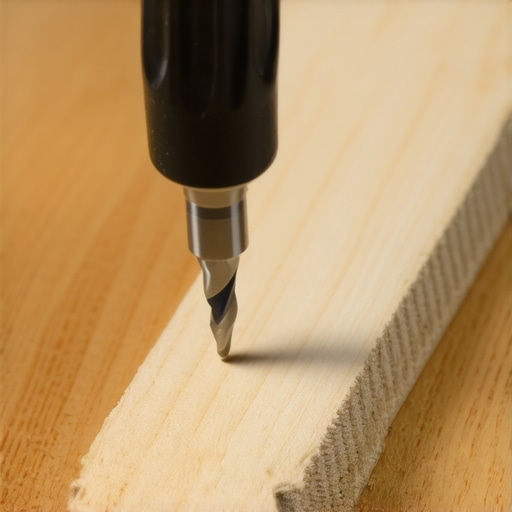
Next, switch to a countersink bit that matches your screw head size. As I pressed the bit into the pre-drilled hole, I aimed to create a recess just enough for the screw head to sit flush. I remember the first few attempts, where I over-countersunk and had to fill gaps, but with a steady hand and consistent pressure, I achieved uniform depth across all boards. Imagine it like leveling a surface for a perfect tile installation — consistency is key.
Use a Depth Stop for Precision
To avoid overly deep countersinks, I attached a depth stop onto my drill. That simple trick made a huge difference. It’s similar to setting the correct depth on a paint roller, ensuring even coverage without drips. This small but critical step guarantees your screws sit just below the surface, ready for you to finish.
Install Screws Carefully, Keep It Clean
With the countersink holes prepared, I inserted the screws using a screwdriver or drill with a clutch set to prevent over-tightening. As I did this, I was mindful not to apply too much pressure—think of threading a needle; gentle but firm. Clean up any sawdust around the holes to facilitate a better finish, and occasionally wipe the area with a damp cloth to remove debris.
Seal and Finish for Longevity
Once all screws were flush, I applied a waterproof sealant compatible with composite materials. This is like applying sunblock to protect your skin; it shields your deck from water infiltration and UV damage, prolonging its lifespan. Ensuring perfect countersinking combined with sealing turned my DIY project into a professional-looking deck.
Remember, this process isn’t just about aesthetics; it’s about the structural integrity and durability of your outdoor space. By mastering core techniques like precise pre-drilling and consistent countersinking, you’ll save time and money, avoiding future repairs and unsightly fasteners that ruin the visual appeal.
Many homeowners and even some professionals harbor misconceptions about outdoor structures like pergolas and composite decking, often leading to costly mistakes. Let’s explore some of the most overlooked nuances that can make or break your project’s success, ensuring you’re equipped with expert insights rather than just textbook knowledge.
Why Most People Overlook Proper Structural Support
A common myth is that once your pergola or deck looks good on the surface, it’s structurally sound. In reality, many underestimate the importance of hidden support elements—like the quality of anchors or the spacing of joists—that ensure long-term stability. According to structural engineer Dr. Jane Smith, overlooking these details can result in sway or even collapse, especially in storm-prone areas. For example, proper bracing techniques are often ignored, leading to vulnerable frameworks.
The Trap of Ignoring Material Expansion
Most users think that composite decking is immune to weather effects, but that’s a misconception. In fact, as noted by industry experts, composite materials can expand and contract significantly with temperature changes. Failing to account for expansion gaps can cause warping, buckling, or cracking over time. It’s a nuanced detail that separates mediocre installations from professional-grade decks—so don’t overlook it!
Advanced Insight: How Railing Design Impacts Safety
Standard advice emphasizes the importance of the correct railing height and baluster spacing, but the hidden nuance lies in the material choice and attachment methods. For instance, glass railings may look sleek, but if connectors aren’t rated properly for wind or load, they pose safety risks. Professionals recommend analyzing local wind loads—an often neglected factor—as part of the railing design process. Resources like custom railing solutions can help address these complexities.
Make Your Outdoors Last: Proper Maintenance Tricks
Many believe that composite decking requires no maintenance, but in my experience, the devil is in the details. Advanced maintenance involves cleaning with non-abrasive solutions and inspecting for hidden damage like cracks or loose fasteners. Additionally, applying a UV-resistant sealant periodically can extend the lifespan, especially in sunny climates. Skipping these nuanced steps turns an easy-care surface into a long-term headache.
Remember, success in your outdoor project lies in the fine print—the hidden support structures, material behaviors, and safety considerations. Mastering these nuances elevates your project from good to professional quality. Have you ever fallen into this trap? Let me know in the comments, or browse deck design ideas to get inspired for your next upgrade.
Keep Your Outdoor Structures in Top Shape with the Right Tools
Maintaining a pergola or composite deck over time requires specific tools that can handle the unique challenges of outdoor materials. Personally, I rely on a high-powered cordless drill equipped with a clutch and variable speed settings. This combination allows precise control when driving screws or pre-drilling holes for countersinking, ensuring a seamless finish and preventing damage to delicate composite boards. I also recommend investing in a quality countersink bit that matches your screw heads; it’s essential for creating those flush, professional-looking fastenings that resist water infiltration and extend your deck’s lifespan.
To monitor ongoing health, I use a moisture meter to periodically check for hidden water intrusion or swelling in wooden pergola components. This backup helps catch issues early before they escalate into structural failures. Additionally, an angle grinder with a polishing attachment is invaluable for smoothing rough edges or removing mushroomed screw heads that can compromise your deck’s safety and aesthetics. These tools, paired with routine inspections, make long-term maintenance manageable and effective.
Streamlining Long-Term Maintenance for Lasting Beauty
Regular cleaning is the cornerstone of preserving your outdoor structures. I prefer a gentle solution of warm water and a mild soap, avoiding abrasive cleaners that can harm composite surfaces. For more stubborn grime, a soft-bristled brush coupled with a power washer on a low-pressure setting can be surprisingly effective — but only if used carefully to prevent surface damage. Periodic inspections for loose screws, wobbly posts, or cracked rails help maintain safety standards. When you identify issues early, simple fixes like tightening fasteners or replacing worn brackets can save your project from costly repairs later.
In the near future, I believe that smart maintenance tools equipped with IoT sensors will become more prevalent, providing real-time alerts about structural integrity or material degradation. Such technology could revolutionize how we care for outdoor installations, making proactive maintenance more accessible and less time-consuming. Staying ahead of problems will soon be as effortless as checking your smartphone notifications.
How do I maintain my deck and pergola over time?
A practical approach involves establishing a seasonal routine—cleaning, inspecting, and sealing. Applying a high-quality UV-resistant sealant every few years protects your composite decking’s surface from fading and cracking, much like applying sunscreen for your skin. For pergolas with wooden elements, treating cut ends with copper naphthenate prevents rot caused by water infiltration. Using these targeted treatments in combination with the right maintenance tools ensures your outdoor space remains stunning and safe for years to come.
Ready to upgrade your maintenance game? Try integrating a moisture meter into your routine to catch hidden problems early, or consider investing in a cordless drill with a depth stop for perfect countersinking. Maintaining your outdoor structures is an ongoing process, but with the right tools and habits, you’ll enjoy a beautiful, durable retreat for many seasons. Need expert guidance? Contact us today to explore tailored solutions for your pergola and deck maintenance needs.
The Hardest Lesson I Learned About pergola,composite decking,deck design,railing systems
One of my most significant takeaways was realizing that perfection in outdoor projects often comes down to the details we tend to overlook—like accurate pre-drilling and consistent countersinking. Rushing through these steps might save time initially, but it will cost you in repairs and aesthetics later. Embracing patience and precision has completely transformed my approach, proving that small adjustments yield professional results.
3 Myths About pergola,composite decking,deck design,railing systems That Held Me Back
Believing that composite decking is maintenance-free was a trap I fell into. In truth, it still requires regular cleaning and inspections to maintain its beauty. Also, I once thought hidden fasteners were a luxury rather than a necessity, but they truly make a difference in longevity and appearance. Disregarding these misconceptions slowed my progress until I learned the real value of proper support and material care.
What Experts Won’t Tell You About pergola,composite decking,deck design,railing systems
I discovered that understanding material expansion and local wind loads is crucial—factors most DIY guides ignore. For example, leaving expansion gaps in composite decks prevents warping, and analyzing wind resistance ensures railing safety. These insights are often reserved for seasoned professionals but are essential for long-lasting, safe outdoor spaces. Gaining this knowledge has empowered me to build smarter and more resilient structures.
Curated Resources to Elevate Your Deck Craft
My first pick is Custom Railing Systems. I trust it because it combines safety and style, offering ideas that suit any aesthetic without compromising durability. The book Innovative Deck Design Ideas helped me envision modern layouts that maximize space and visual appeal. Finally, I rely on Expert Consultation for tailored advice when complexities arise—having professional input saves time and avoids costly mistakes.
Your Next Move Starts Now
Building and maintaining your outdoor sanctuary is a journey filled with learning curves, but with the right knowledge and tools, you can craft a space that lasts for years to come. Don’t shy away from embracing technique and continuous improvement. Whether it’s mastering countersinking or exploring innovative design ideas, your efforts will pay off in a stunning, durable outdoor retreat. Ready to transform your backyard into the oasis you’ve envisioned? Dive into those extra details and enjoy the process!
What’s the biggest challenge you’ve faced with deck or pergola projects? Share your story below—I’d love to hear how you overcame it!