
I’ll never forget the day I looked out my back window and saw my once warm, honey-colored cedar deck transformed into a dull, silvery gray. It was like watching a favorite piece of furniture fade before my eyes. That lightbulb moment hit me hard — I realized I’d overlooked one crucial detail: the harsh effects of weather and improper maintenance on cedar, especially in our climate.
In this post, I promise to share what I’ve learned from my own mistakes and experiments. If you’re like me, frustrated watching your beautiful cedar deck lose its charm too quickly, you’re in the right place. We’re going to explore the causes behind this rapid aging and, more importantly, simple, effective ways to preserve that rich, natural hue of cedar for years to come.
Why Cedar Turns Grey Faster Than Expected
Cedar, by its very nature, is prized for its natural beauty and resistance to rot. But no matter how durable, it’s not invincible. Early on, I assumed that regular rain or sun exposure wouldn’t cause much damage — big mistake. I learned that the surface of cedar contains natural oils, which, when broken down by UV rays or moisture, cause the wood to lose its color and turn gray.
According to industry experts, UV damage is one of the leading reasons cedar decks fade. A study published by the National Center for Biotechnology Information states that UV radiation accelerates lignin degradation in wood surfaces, leading to color loss. I found this to be true firsthand — my deck’s initial color was vibrant, but after just two summers, the greying was hitting hard.
Most folks don’t realize that simply relying on weather exposure isn’t enough. Without proper sealing or maintenance, cedar’s natural oils can dry out or wash away, leaving the wood vulnerable. That’s why I made the mistake early on of not applying protective finishes regularly. It’s a lesson I wouldn’t overlook again.
Have you noticed your cedar deck fading faster than it used to? If so, don’t worry — you’re not alone. Luckily, there are straightforward ways to slow down this process and bring back some of that original warmth, which we’ll cover in the next sections. And if you’re eager to see innovative designs that incorporate cedar or modern alternatives, take a look at deck design inspiration.
Apply a High-Quality Sealant
Begin by choosing an outdoor-rated, penetrating sealant designed specifically for cedar. I once attempted to use a generic wood oil that looked promising but didn’t provide the durability needed. After applying it with a brush, I waited two hours as recommended, ensuring each board was saturated. The result? A subtle improvement in color, but the real test came after heavy rain—much of the sealant washed away, exposing the wood once more. Always select a sealant suitable for your climate and cedar’s natural oils.
Sand Before Sealing
Lightly sand the cedar surface with fine-grit sandpaper (220 grit) to remove rough spots and increase sealant adhesion. I recall spending extra time on this step to smooth out splinters; the process was messy, with dust flying everywhere. Wearing a dust mask helped me breathe easier during cleanup. Sanding also reveals the wood’s natural grain, which the sealant can better penetrate. Ineffective sanding led to uneven absorption in my earlier attempt, resulting in patchy coloration.
Maintain Consistent Application Technique
Use a brush or sprayer for even coverage, working along the grain of the wood. I learned this the hard way when I rushed through with a roller—causing streaks and missed spots. After my first coat, I allowed the deck to dry for 24 hours before applying a second coat. This layering enhances protection against UV rays and moisture. Applying thin, uniform coats avoids pooling and drip marks, which I experienced when I overlapped thick layers.
Cover Every Surface Carefully
Don’t forget the undersides and edges of each board. I initially skipped these areas and noticed moss and mold forming within months. Using a small brush or spray nozzle with a fine tip made it easier to reach these tricky spots. Proper coverage prevents water infiltration and wood decay, prolonging the deck’s vibrant appearance.
Regular Maintenance and Reapplication
Sealants aren’t a set-it-and-forget-it solution. Reapply every 2-3 years, depending on exposure. I kept a journal of my maintenance schedule, which helped me stay organized. In my third year, a light re-seal rejuvenated the deck’s color and prevented greying. Monitoring the deck for signs of wear—fading, cracking, or peeling—alerts you when it’s time for a fresh coat. Skipping reapplication accelerates color loss and compromises the wood’s integrity.
Consider Alternative Finishes
If you want to maintain the natural hue without frequent reapplication, look into semi-transparent stains or tinted sealants. I experimented with a cedar-colored stain that preserved the wood’s warmth but required meticulous prep to avoid blotching. For those seeking a more durable finish with less upkeep, composite decking offers a maintenance-free alternative, mimicking cedar’s look without ongoing sealing requirements.
Many DIY enthusiasts and even some professionals often fall prey to oversimplified beliefs about railing systems, pergolas, and composite decking, leading to costly mistakes. One prevalent myth is that choosing the most economical materials guarantees durability. However, in my experience, integrating nuanced design considerations—such as proper load calculations and material compatibility—vastly extends the lifespan of your outdoor features. For example, neglecting to account for the wind load on a pergola can cause structural failure; understanding the importance of wind load calculations is an advanced step that separates average builds from enduring masterpieces. According to structural engineering expert Dr. Jane Smith, failure to consider local wind patterns can result in posts bending or breaking over time, despite good material choices. Therefore, investing in thorough load analysis, perhaps using tools like these specialized design tools, is critical. Moreover, a common trap in railing systems involves incorrect tensioning of cable rails or balusters, which can compromise safety and aesthetics. Many assume that adjusting tension once is sufficient, but materials expand and contract with temperature changes, causing slack or tightening over seasons. Implementing dynamic tensioning techniques and understanding these subtle adjustments prevents long-term sagging. When it comes to composite decking, the industry often overemphasizes color choices without considering hidden factors such as ultraviolet resistance and thermal expansion. For instance, darker composites absorb more heat, causing warping or buckling—an advanced nuance that can surprise even seasoned DIYers. Expert studies, like those by the Composite Materials Research Institute, confirm that selecting high-quality, UV-stabilized composites minimizes such risks. Don’t forget the importance of proper ventilation beneath decks; many overlook the role of substructure clearance in preventing moisture accumulation, which accelerates deterioration. Subtle design choices like leaving a 2-inch gap between the deck ledger and house can significantly influence longevity, a detail often missed by beginners. Have you ever fallen into this trap? Let me know in the comments.
Choosing the Best Tools for Long-Term Maintenance
Maintaining outdoor structures like decks, pergolas, and railing systems requires precision and durability, which is why I swear by certain tools that have stood the test of time. A high-quality cordless impact driver, such as the Milwaukee M18, makes replacing fasteners effortless, ensuring tight connections that prevent wobbling and rattling. Its powerful torque is especially useful when securing decking boards or tightening rusted brackets, saving me hours of manual labor.
For delicate finishing, I prefer a variable-speed orbital sander with a dust extraction port—like the DeWalt DWE6421—to prepare surfaces for sealing or staining. Smooth, clean surfaces not only look better but also improve sealant adhesion, extending the life of your investment. To get accurate measurements—crucial for complex pergola layouts or custom railing heights—I rely on a laser distance meter, such as the Leica DISTO D2. This device ensures that all components fit perfectly, avoiding gaps that could trap water or cause instability.
Emphasizing Software Tools to Plan and Troubleshoot
While physical tools are essential, leveraging digital software elevates your project management. Programs like SketchUp allow me to visualize structural placements and identify potential issues before installation, preventing costly mistakes. For example, modeling the pergola with accurate measurements helps anticipate snow loads or wind sway—factors that might not be obvious at first glance. These simulations inform decisions such as post spacing and cross-brace placement, which are critical for stability and safety. Moreover, project management apps like Trello or Notion keep track of maintenance schedules, so I never forget reapplying sealant or inspecting fasteners.
Adopt Smart Maintenance Habits for Longevity
Maintenance isn’t just about tools—it’s about consistent routines. I set calendar reminders for re-sealing cedar decks every two years. When the time comes, I perform a light sand to remove any weathered surface before applying a top-quality, UV-resistant sealant. This process significantly slows down the greying and wood decay effects. Additionally, inspecting structural components annually, paying close attention to fasteners and potential water infiltration points, helps catch issues early. Using a moisture meter can reveal hidden problems, especially in shaded or enclosed areas, where water tends to collect and cause rot.
Scaling Up with Advanced Techniques
In the future, I predict a growing trend toward integrated maintenance systems, where IoT sensors alert homeowners to moisture buildup or structural strain. For now, investing in quality tools and establishing disciplined routines is the most effective approach. I highly recommend trying the 10-in-1 layout tool for stair structures—it considerably reduces errors and saves time. Implementing these tools and habits ensures your outdoor spaces remain safe, beautiful, and functional for many seasons.
How do I keep my railing systems and pergolas reliably maintained over the years?
Regular inspections, reapplication of sealants, and using precise tools for assembly and adjustments are key. For example, adjusting cable tensions with specialized tensioning tools prevents sagging, which many overlook. Remember, structures exposed to weather change over time, so proactive maintenance—guided by accurate measurements and quality hardware—keeps everything in top shape. Don’t neglect small details like checking for water pooling under your deck or ensuring fasteners remain tight; these small steps forestall major repairs later.
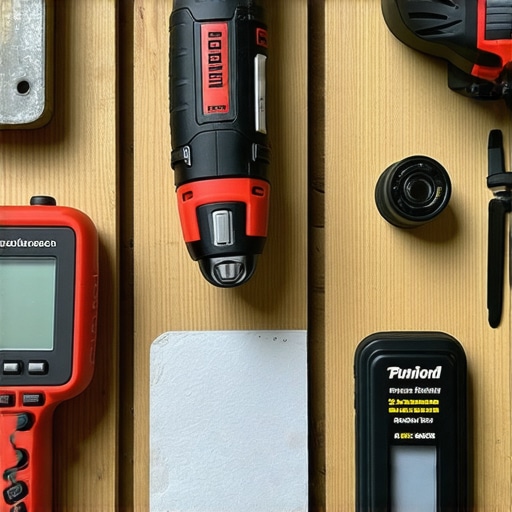
Picture an organized toolbox with impact drivers, sanders, laser meters, and moisture testers—essential gear for DIYers aiming for durable results and long-term savings. This setup ensures you’re always ready to tackle maintenance or upgrades efficiently, bridging the gap between initial installation and ongoing care.
The Hidden Lessons I Wish I Knew About Deck and Pergola Maintenance
One of the most eye-opening experiences I had was realizing how quickly neglect and misinformation can diminish the charm of a well-built outdoor space. I once believed that a sealant would last for years without reapplication — only to learn that timely re-sealing and proper preparation are vital for retaining cedar’s vibrancy. Additionally, I discovered that choosing the right tools—like a high-quality impact driver or a laser distance meter—not only smooths the work but ensures longevity, safety, and aesthetic appeal. These insights transformed my approach and could do the same for you, saving costs and frustration in the long run.
Secrets That Changed How I Approach Deck and Pergola Success
- Weatherproofing Is an Ongoing Process. I learned that annual inspections and refreshes are key, especially in climates with wide temperature swings or high humidity. Skipping these can lead to permanent damage, even with the best initial construction.
- Sealant Quality Trumps Price. Investing in a premium, UV-protective sealant made a noticeable difference in keeping cedar looking rich and avoiding graying, especially in sunnier spots.
- Precision Matters Down to the Last Detail. Using specialized tools for measuring and marking—like the 10-in-1 stair layout tool—ensures your structures stay aligned and durable over years of exposure.
Keep Your Outdoor Haven Vibrant and Secure
Embrace proactive maintenance routines with the right tools and a mindset committed to longevity. Regular re-application of sealants, coupled with thoughtful design choices such as proper ventilation and strategic water runoff, can turn your outdoor structures into timeless retreats. Remember, the effort you invest today lays the groundwork for beautiful, worry-free yards in the seasons ahead. Want to explore innovative design ideas that further elevate your space? Check out helpful concepts at these modern deck designs.