
It was a bright Saturday morning when I finally decided to build my dream pergola. I had meticulously planned every detail—choosing the perfect spot, selecting beautiful materials, even imagining how it would transform my garden. But as I laid out the joists, reality hit me like a splash of cold water: several of the joists were uneven, some warped, and my vision of a perfectly level pergola seemed more like a distant dream. I remember thinking, “How did I overlook this?” That lightbulb moment made me realize how common this problem is among DIY enthusiasts and pros alike.
Why Uneven Joists Can Turn Your Pergola Into a Wobbling Nightmare
Uneven joists are one of those sneaky issues that can jeopardize the entire stability and aesthetic of your outdoor structure. If you’ve ever tried to lay a deck or pergola over uneven framing, you know how frustrating it is to get everything to line up perfectly—only to find that one or two boards refuse to sit flush. This misalignment isn’t just a minor inconvenience; it can lead to wobbling, uneven weight distribution, and even structural failure over time.
What’s worse, many builders assume that simply shimming the joists will do the trick. But in my early days, I made the mistake of relying solely on shims—until I realized they only covered up the problem, not solved it. As noted by experts, achieving a level foundation is critical for long-term stability, especially when dealing with large spans like pergolas.
The good news? After some trial and error, I discovered a simple but effective technique known among seasoned builders as “The Shim Trick.” It allows you to compensate for uneven joists without sacrificing strength or appearance. And today, I’ll walk you through it, so you can avoid the same pitfalls I did. Imagine a sturdy pergola with a perfectly flat roof and beams that don’t wobble—sounds ideal, right?
If you’ve faced this challenge, or worry about your project turning into a crooked disaster, stay tuned. We’re about to dive into practical solutions that will make your building process smoother and your structure more durable. For further inspiration, check out options for transcendent pergola designs that could elevate your backyard to a whole new level.
Assess and Mark Your High and Low Points
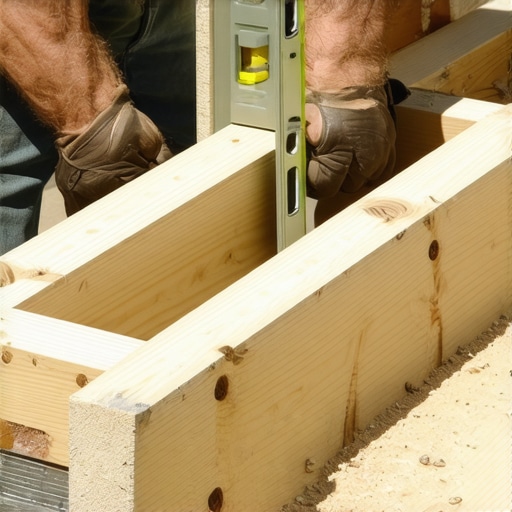
Start by using a long level or a string line across your joists to identify the highest point. Mark this as your reference to ensure all other joists are level with it. I remember when I built my pergola, I used a laser level to pinpoint the highest point precisely, which made subsequent steps much smoother and prevented surprises later.
Adjust with Shims and Cut-Downs
Place shims under the low joists to bring them up to the marked high point. For larger height differences, consider trimming the bottom of the joists with a saw to reduce the gap. During my project, I used a combination of plastic shims and a fine-tooth saw, which allowed me to get pretty close to perfection before final leveling.
Secure the Joists Temporarily
Fasten the shims and cut joists temporarily with clamps or nails to hold them in place. This prevents shifting while you set the rest of the structure. I recommend double-checking with a spirit level after securing each joist to catch any shifts early.
Double Check Level and Adjust Accordingly
Use a long level or a string line to ensure the entire frame is flat. If you notice any deviations, re-shim or trim as needed. Remember, small adjustments here make a big difference in the final look and stability of your pergola.
Secure Permanently and Confirm Stability
Once satisfied with the layout, permanently fasten the joists with galvanised screws or nails. It’s crucial to double-check the level one last time after fastening, as tightening can sometimes cause shifts. I learned this the hard way when I thought I was done, only to find my pergola slightly tilted—redoing a small part saved me headaches down the line.
Seal and Protect Your Joists
Apply a weather-resistant sealant or protective coating to prevent warping and rot, especially if using wood. For composite decking or pergola components, avoid bleach-based cleaners—these can damage the material, as explained in this article. Proper sealing ensures lasting stability and appearance.
 Many homeowners and even some DIY enthusiasts fall prey to misconceptions when designing decks, railing systems, pergolas, or selecting composite decking. Let’s dig deeper into some of these overlooked nuances and mistakes that can cost both time and money.
First, a widespread myth is that all composite decks are immune to warping or fading. While advancements have improved durability, factors like improper installation or neglecting manufacturer guidelines can lead to premature issues. For instance, neglecting to leave expansion gaps can cause boards to buckle as they expand in sunlight. Moreover, not all composite brands are equal—some are more resistant to UV rays and moisture, which should influence your choice.
When it comes to railing systems, many assume that installing a standard system guarantees safety. However, overlooking the importance of proper anchoring and testing for wind resistance can be dangerous. For example, using inadequate post-supports on windy days may result in safety hazards. To ensure longevity and safety, consider exploring innovative deck design ideas that incorporate advanced anchoring techniques, like those discussed here.
Pergolas often get designed with aesthetics in mind, but neglecting structural nuances can lead to wobbling or collapse over time. A common misconception is that size alone determines strength. Larger spans without proper bracing or support can sway or falter under heavy snow loads. Advanced techniques, like using diagonal bracing or the double-beam support, are critical but often overlooked by amateurs. I recommend reviewing detailed support methods discussed here.
Concerning material choices, many underestimate the importance of understanding expansion and contraction behaviors. For example, cedar decks can gray faster if not properly sealed or cleaned, affecting aesthetics and integrity. Similarly, pressure-treated woods are prone to warping if not properly maintained. Knowing when and how to apply weather-resistant sealers can extend the lifespan significantly, as discussed in this article.
An often-ignored aspect is the importance of proper drainage and ventilation around outdoor structures to prevent rot. Installing flashing or ensuring an adequate air gap beneath the deck or pergola can prevent water accumulation, which is a key idea behind the drain-based strategies shared here. Neglecting this detail might lead to costly repairs down the line.
Not sure if your design incorporates all these nuances? Consult with seasoned professionals and review cornerstone content to avoid costly mistakes. Have you ever fallen into this trap? Let me know in the comments.Maintaining your outdoor structures over time requires the right tools combined with a disciplined approach. I swear by a high-quality cordless impact driver, like the Milwaukee M18 Fuel, for fastening decking boards and railings efficiently. Its torque power reduces the risk of overdriving screws—crucial when working with composite decking, which can be damaged by improper fastening techniques. Additionally, a digital moisture meter helps me monitor wood dryness, preventing warping and rot, especially in climates with high humidity. Regular inspections with a flashlight and mirror allow for early detection of loose fasteners or damaged components before they become costly repairs. To keep everything level and aligned, I rely on a laser level—not only for initial layout but for ongoing checks during maintenance, ensuring your structure remains safe and visually appealing. Looking ahead, I predict advancements in robotic tool systems will streamline routine inspections, making long-term upkeep more manageable. So, why not try using a moisture meter to catch wood issues early? It might just save your project from costly failures down the line.
The Hardest Lesson I Learned About deck design, railing systems, pergola, composite decking
One of my biggest takeaways was realizing that rushing the foundation setup can lead to wobbling structures down the line. I once skipped meticulous level checks and paid the price with a wobbly pergola that marred my backyard aesthetic. Now, I always double-check the high and low points, ensuring a solid base before proceeding.
3 Myths About deck design, railing systems, pergola, composite decking That Held Me Back
I used to believe that all composite decks are maintenance-free, which isn’t true—some require regular sealing to prevent warping. Also, I thought bigger was better for pergola spans, but without proper support, they sway in the wind. Debunking these myths early saved me costly revisions and structural worries.
What Experts Won’t Tell You About deck design, railing systems, pergola, composite decking
Professionals often keep hidden the importance of proper drainage around your structure—neglecting this can cause rot and instability over time. Learning about the drainage gap and flashing techniques from trusted sources transformed my approach, leading to longer-lasting builds that withstand weather challenges.
Curated Resources to Elevate Your Outdoor Creations
My go-to for reliable insights is Pergola Designs That Turn Your Garden Into a Sanctuary; it offers innovative ideas that inspire my projects. I also trust Custom Railing Systems for Safety and Style for practical safety solutions. For the latest trends, Composite Decking Trends keeps me updated with durable, modern materials. Lastly, I rely on Why You Should Never Use Bleach on Composite Boards to avoid common cleaning mistakes that damage surfaces.
Your Turn to Try
Building a beautiful, sturdy deck or pergola is a rewarding challenge, especially when armed with insider knowledge and proven techniques. Remember, the foundation is everything—take your time with leveling and support, and don’t overlook drainage or material nuances. With patience and the right tools, you can create an outdoor space that not only looks fantastic but endures for years to come.