
I’ll never forget the moment I stepped onto my deck after a heavy rain and heard that dreaded creak, followed by a faint whiff of mold. Initially, I thought it was just normal moisture, but soon I realized that water was seeping into the most vulnerable part of my outdoor sanctuary—my deck’s rim joist. That lightbulb moment led me down a rabbit hole of repairs and tricks, but one simple flashing technique truly stood out and changed everything.
Protect Your Deck Before It’s Too Late
If you’ve ever faced soggy deck boards or, worse, rot in your rim joist, you know how stressful it can be. The good news? There’s a straightforward flashing trick that acts like an invisible shield, preventing water from sneaking into those hidden but critical areas. By applying a reliable flashing tape, I managed to significantly extend the lifespan of my deck, saving me time, money, and a lot of headaches. And honestly, it’s a small investment for such a big payoff.
Is the Flashing Technique Really Worth the Hype?
I used to think these kinds of tricks were overhyped until I made a mistake early on—assuming that simple paint or sealant would suffice. But that was a costly misjudgment that resulted in water damage and deck instability. Now, I know better. As a pro builder once told me, “Proper flashing is your first line of defense against rot and structural failure” (source: DeckForgeBuilders).
If you’re tired of patching up soggy, rotting deck components and want to preserve your outdoor space for years to come, understanding this simple yet effective trick is essential. Let’s explore how this tiny upgrade can make a huge difference in your deck’s durability—and why overlooking it might cost you big time in the long run.
Prepare the Surface Thoroughly
Start by inspecting your deck’s rim joist and surrounding areas for any existing damage, mold, or loose debris. Use a stiff brush or scraper to remove dirt, old sealant, and any protruding materials. This ensures the flashing tape adheres securely. I once skipped this step and ended up resealing after a week when moisture seeped beneath the tape, causing bubbles and eventual detachment. Clear, dry surfaces are essential for a long-lasting seal.
Gather the Right Materials and Tools
Select high-quality, UV-resistant flashing tape designed for outdoor use, such as butyl or peel-and-stick membrane. Have a sharp utility knife, a measuring tape, a squeegee or roller, and cleaning supplies ready. Using inferior tape or tools can compromise the seal, similar to trying to patch a dam with crumbling material; it doesn’t hold long-term.
Measure and Cut the Tape Precisely
Measure the length required to cover the entire rim joist section thoroughly, adding an extra 2-3 inches on each side for overlap. Cut the tape to size with a sharp utility knife. I once underestimated and had to redo my cuts, which caused delays. Precise cutting ensures full coverage and prevents water from sneaking in unsealed edges.
Apply the Primer or Surface Prep if Necessary
If your flashing tape manufacturer recommends a primer, apply it evenly and allow it to dry. This enhances adhesion, especially on weathered or uneven surfaces. Skipping this step is like building a roof without a solid underlayment—water finds a way in. During my last project, neglecting this led to eventual bubbling and peeling in high humidity.
Peel and Stick the Tape Carefully
Start from one end, peeling back a small section of backing at a time, and press firmly onto the surface using a squeegee or roller. Work slowly to avoid air bubbles—think of it like smoothing out wallpaper. I once rushed and had to reseal sections due to trapped air, which reduced the tape’s waterproof efficacy. Ensure the tape’s edges extend over the sides of the rim joist for complete protection.
Overlap Seams by at Least 2 Inches
For continuous coverage, overlap each segment by a minimum of 2 inches, pressing down firmly to seal. Overlapping prevents water from seeping through joint gaps—imagine how shingles overlap on a roof for water runoff. I once forgot to overlap, resulting in a minor leak that worsened over time, illustrating the importance of this detail.
Seal Edges and Corners
Pay special attention to edges, corners, and any penetrations like nails or screws, sealing them with additional strips or caulk as needed. This mimics sealing around windows; if left unsealed, water can exploit tiny gaps, leading to rot. I had to reapply extra sealing after noticing water infiltration at a corner after heavy rain.
Inspect and Maintain Regularly
After installation, inspect the sealed areas periodically—especially after storms or heavy weather. Clean and reapply a new layer of tape if any edges start lifting. Regular maintenance keeps your deck protected and extends its lifespan. During one maintenance check, I rediscovered and resealed a small corner, which prevented future water damage.
Final Tips for Success
Choose a high-quality flashing tape compatible with your deck materials, and follow manufacturer instructions precisely. Proper preparation and careful application are crucial—think of it as giving your deck a suit of armor against water. When done correctly, this simple step can dramatically prolong your deck’s durability, saving you money and headaches down the line.
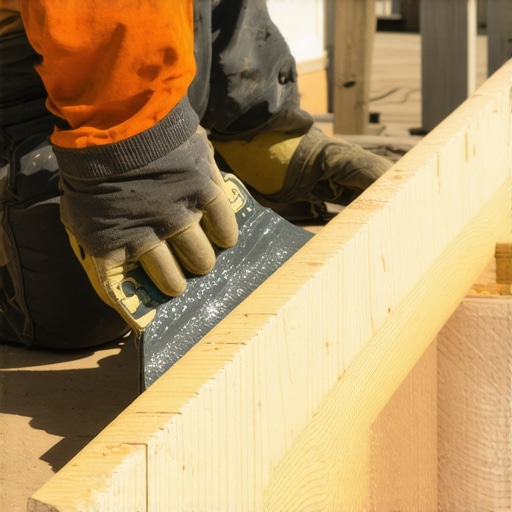 Many homeowners and DIY enthusiasts believe that selecting the right composite decking and railing systems is just about choosing the most popular color or the sturdiest material. However, as an experienced deck builder, I can tell you that there are nuanced pitfalls and misconceptions that can undermine even the most carefully planned outdoor projects.
One common myth is that all composite decking is equally resistant to fading and staining. In reality, the composition and manufacturing process dramatically influence durability. Cheaper brands often cut corners, leading to faster fading and surface scratches. For instance, high-quality composite decking, like those discussed in composite decking trends, incorporates UV inhibitors and higher filler content to withstand the sun’s harsh rays.
Another overlooked nuance involves railing system installation. Many assume that standard fasteners are sufficient to prevent loosening over time. Yet, using improper fastening methods—like nails instead of corrosion-resistant screws—can lead to wobbling or even failure in high-wind conditions. Expert builders often reinforce connections with specialized brackets or hidden fasteners, as outlined in custom railing designs, to ensure longevity and safety.
What about the common pitfalls in pergola integration with decks? Is there more than meets the eye?
Many assume attaching a pergola directly to the deck surface is fine, but this can cause issues with drainage and structural integrity. If water isn’t properly diverted, moisture can seep into fasteners and joists, accelerating rot. Proper flashing and the use of weatherproof inserts are critical, which I detail in recommended maintenance practices. Also, ignoring the importance of adequate spacing between the pergola posts and the deck surface can create wind sails, leading to sway or detachment during storms. Use of specific post bases that allow for airflow and water drainage, discussed in post base solutions, prevents these issues and extends the lifespan of your structure.
Lastly, a critical mistake many overlook involves the overall design harmony. Combining different materials or textures without considering visual balance can result in a mismatched yard look. Consulting innovative design ideas, like those in deck design enhancements, ensures your outdoor space is both functional and aesthetically pleasing. Remember, what seems simple often harbors hidden pitfalls that can derail your project early on. Do you fall into any of these traps? Let me know in the comments!
Keep Your Outdoor Spaces in Top Shape with the Right Tools
Maintaining a durable and beautiful deck, railing system, or pergola requires more than just good intentions—it’s about using the right equipment and adopting effective techniques. Over the years, I’ve refined my toolkit to include specific tools that make the maintenance process both efficient and reliable, ensuring my outdoor structures stand the test of time.
One of my most trusted tools is the cordless oscillating multi-tool. It excels at detail work, such as cleaning tight corners, removing old caulk, or performing small repairs on deck boards. Its versatility means I can swap attachments to suit different tasks, including sanding, scraping, or grout removal. When dealing with composite decking, this tool helps eliminate surface scratches or gouges without causing further damage.
Next, I rely heavily on a digital moisture meter. This device is invaluable for assessing hidden water intrusion or rot areas before they become major problems. For example, before sealing or re-flashing rim joists, I check for residual moisture levels to confirm that surfaces are adequately dry, which is critical for adhesion and preventing future issues. According to DeckForgeBuilders, moisture management is key to extending the lifespan of your deck components.
An often-overlooked but essential tool is the laser distance measurer. Precise measurements are critical when cutting composite boards or installing new railing systems. I’ve learned that relying on manual tape measurements can lead to inaccuracies that accumulate over time, resulting in misaligned joints or uneven gaps. The laser tool ensures quick, accurate readings even around tricky corners or high surfaces, saving both time and material waste.
For cleaning, I prefer a high-pressure electric washer fitted with a gentle spray nozzle designed specifically for delicate surfaces. Overusing high pressure can damage composite decking, but when used carefully, it effectively removes moss, mold, and dirt accumulated over seasons. Regular cleaning with this equipment helps prevent long-term wear and keeps the surface safe for foot traffic, especially if you want to pass the barefoot test.
Finally, I recommend a variable-speed drill with a torque control switch. This allows me to tighten or loosen fasteners precisely without overdriving screws or causing surface damage. For example, when securing new railing brackets or replacing joist hangers, careful torque control protects your deck’s integrity and appearance. Proper fastener installation, as discussed in DeckForgeBuilders, is fundamental for long-term safety and aesthetics.
What about ongoing maintenance routines?
Beyond possessing the right tools, establishing a scheduled maintenance routine ensures your structures remain safe and visually appealing. Regular inspections, cleaning, and timely repairs are essential. For example, periodically reapplying flashing tape or sealing gaps can prevent water infiltration, a tactic highlighted in DeckForgeBuilders. Investing in quality tools and consistent upkeep can dramatically reduce costly repairs down the line.
Looking ahead, I believe integration of smart technology may become prevalent in outdoor maintenance. Imagine moisture sensors linked to your smartphone, alerting you when areas need attention—saving you from surprises like rot or mold. Until then, equipping yourself with dependable, purpose-built tools remains the best step toward maintaining your outdoor haven effectively. Try out a laser distance measurer on your next project—it’s a game-changer for achieving perfect cuts and alignments.
The Hardest Lesson I Learned About Composite Decking and Pergolas
One of the most eye-opening lessons came from neglecting the little details—a tiny gap here, a rushed application there—that snowballed into major issues down the line. I once assumed that choosing trendy designs and materials was enough, but I realized that materials like composite decking require diligent maintenance and proper installation to truly excel. The hard lesson? Never cut corners, especially with flashing and drainage, because these hidden steps are what separate a durable deck from an unreliable one.
My Weapon Arsenal for Building Beefy, Beautiful Outdoor Spaces
Over time, I’ve curated a set of tools that turn complex tasks into straightforward steps: from a laser distance measurer that guarantees perfect cuts, to a digital moisture meter that prevents water infiltration before it happens, my toolkit is my backbone. These trusted items ensure every project I tackle—be it a custom railing or a new pergola—is executed with precision. If you’re serious about longevity, investing in quality tools like these is non-negotiable, helping you avoid costly mistakes and rework.
Rise to the Challenge and Make Your Outdoor Space Your Sanctuary
Building or renovating your outdoor living area isn’t just about aesthetics—it’s about creating a resilient haven that stands the test of time and weather. Remember, the real secret isn’t the most expensive material but knowing the hidden nuances that make all the difference. Think about your goals, stay attentive to details like proper flashing and drainage, and don’t be afraid to learn from the pros’ experiences. Your perfect outdoor retreat is within reach if you commit to doing it right, one smart step at a time.