
Picture this: the first snow melts, the air warms up, and you eagerly open your pergola louvers to enjoy that perfect afternoon breeze. But instead of swinging smoothly, they resist, jammed tighter than a bad zipper. Frustrating, right? I’ve been there, scratching my head, wondering why those once-gliding louvers now seem frozen in place after just one winter.
Discovering the Real Cause Behind Sticking Louvers
Early on, I made the mistake of assuming that installing quality pergola louvers meant they’d just take care of themselves. Turns out, even premium systems can succumb to seasonal challenges if not properly maintained. This realization hit me hard when I found my louvers stuck shut after a brutal winter, costing me precious weekends trying to pry them open without causing damage. From my experience, the issue usually boils down to moisture and debris seeping into the moving parts, and in some cases, improper installation that doesn’t account for seasonal expansion and contraction. These problems aren’t unique, and experts agree that neglecting lubrication and sealing can turn your beautiful summer feature into a seasonal nightmare. Did you know that water infiltration is one of the leading causes of pergola component failure? According to Deck Forge Builders, water damage can accelerate corrosion and warping, making your louvers harder to move and more prone to sticking. But don’t worry—I’ve compiled some practical tips to prevent this from happening again. We’ll go through what I wish I’d known early on, so you won’t have to stumble through trial and error. Are your own pergola louvers sticking this winter? If so, stay with me. There’s a solution, and it’s simpler than you think.
Is Seasonal Damage Overhyped, or a Real Threat?
Admittedly, I was skeptical at first. I wondered if the sticking was just a minor nuisance or a sign of deeper issues. It’s easy to dismiss these problems as just part of outdoor living. But ignoring it can lead to more expensive repairs down the line—trust me. Early mistakes, like neglecting regular cleaning or seizing up the moving joints with dirt and moisture, can turn an easy fix into a costly replacement. In fact, many pergola owners don’t realize that proper maintenance isn’t just about aesthetics; it’s about ensuring safety and longevity. Curious if your pergola might be more vulnerable than you thought? Well, let’s get into what really causes these issues and how you can make sure your louvers swing freely for years to come.
Apply Regular Cleaning and Lubrication
After experiencing my own frozen louvers, I learned that consistent cleaning removes dirt, debris, and moisture that can cause them to seize. I used a soft brush and mild soap to scrub the moving parts, then applied a silicone-based lubricant to the joints and hinges. This simple step kept my louvers swinging smoothly through the seasons. Regular maintenance prevents buildup that traps moisture and causes corrosion, ensuring your system remains operational.
Seal and Protect Movement Components
Protecting metal and wood parts from water infiltration is critical. I sprayed a weatherproof sealant over exposed metal hinges and painted wood components with a waterproof barrier. Think of it like wrapping your pergola’s moving parts in a raincoat—this keeps water out and minimizes rust and swelling that lead to sticking. Performing this annually maintains performance and extends the life of your louvers.
Inspect for Damage and Proper Installation
During my routine check, I noticed a few hinges had slightly warped due to improper installation. Ensuring all components are correctly aligned and securely fastened is vital. Use a level and check for any misalignment, adjusting screws or brackets as needed. Correct installation prevents uneven wear and allows for smooth operation, even after harsh weather.
Install Protective Covers or Housing
In my case, adding custom-made weather shields over the hinge mechanisms kept rain and snow from directly hitting the moving parts. Think of it like a rain cover for your bicycle’s chain—they guard against moisture and dirt. These covers can be DIY or purchased from pergola suppliers. Proper weather protection reduces the risk of corrosion and reduces the need for frequent lubrication.
Manage Seasonal Moisture with Proper Drainage
I realized that water pooling around the base of the pergola exacerbated issues. To combat this, I improved drainage by installing slight slopes around the structure and adding gravel fill to direct water away. This mimics how a well-designed deck incorporates drainage gaps, preventing water from seeping into critical joints. Good drainage minimizes moisture exposure and helps keep louvers working smoothly.
For more detailed advice on pergola construction and maintenance, see our guide to pergola designs.
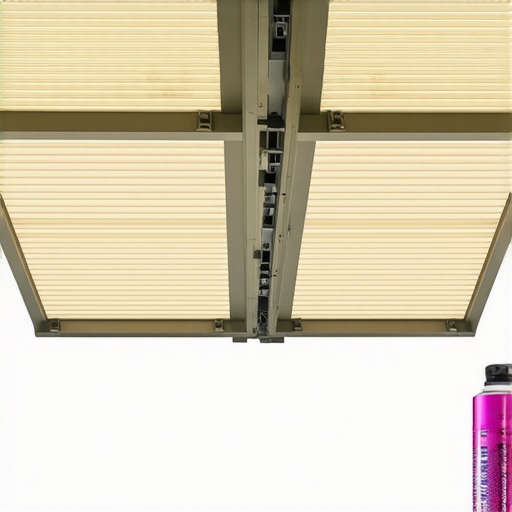 When it comes to outdoor spaces, many homeowners fall into the trap of oversimplifying deck and pergola design, often relying on popular myths that can lead to long-term issues. One widespread misconception is that choosing trendy materials or following current design fads guarantees durability and aesthetic appeal. However, in my experience, understanding the nuanced behavior of materials like composite decking or metal railing systems is crucial for a lasting installation. For example, many assume that composite decking, touted for its low maintenance, is entirely resistant to warping or fading. But in reality, exposure to direct sunlight and poor ventilation can cause warping—an outcome discussed by experts on modern composite solutions.
A trap I frequently see is the misapplication of fasteners and hardware, leading to squeaks, looseness, or even structural failure over time. Homeowners often overlook the importance of proper spacing and expansion gaps, which are vital for accommodating material expansion, especially in climates with significant temperature fluctuations. Neglecting these details can cause inboard warping or joint separation, negating the very ease of maintenance that materials like composite decking promise.
Let’s also talk about the common belief that a well-designed deck is primarily about aesthetics, ignoring safety aspects. Proper railing height and secure attachment are non-negotiable for code compliance and personal safety. Many don’t realize that using the right fasteners—not just any screws—can prevent issues like rust, corrosion, or loosening that pose safety risks. For further insights on railings, check out custom railing systems.
How about the often overlooked detail of waterproofing and drainage? People tend to neglect these until water damage or rot becomes apparent, but a proactive approach saves headaches and money. Properly installed drainage gaps and flashing details are essential to prevent water infiltration that accelerates wood rot or warping of composite boards. Ignoring these nuances can turn a beautiful project into an ongoing maintenance nightmare.
Finally, advanced homeowners are increasingly aware that climate-specific design choices matter more than generic solutions. For example, selecting darker-colored composite boards may cause them to absorb heat excessively, leading to uncomfortable barefoot walking, as noted in dark composite issues. Being aware of these subtleties becomes a form of protecting your investment, ensuring longevity and enjoyment.
In summary, the true expert approach to deck and pergola design involves understanding the detailed behaviors of different materials, implementing proper installation techniques, and anticipating environmental impacts. Do you fall into any of these common traps? Let me know your experiences in the comments. Remember, a well-informed design process saves you time, money, and frustration down the line.
Keep Your Outdoor Spaces Functioning Seamlessly
Maintaining your deck and pergola over time requires more than just occasional cleaning; it demands precision, good habits, and the right tools. To ensure longevity and aesthetic appeal, I rely on specific equipment that makes inspections, repairs, and adjustments efficient and effective.
Invest in a Digital Moisture Meter
Understanding moisture levels in wooden components is crucial, especially for structures exposed to rain and humidity. I personally use a Moisture Meter to regularly check posts, beams, and rafters, preventing rot and warping before they become visible. A reliable moisture meter helps me decide when to apply sealants or perform repairs, saving me money and headaches in the long run. For best results, choose models with pin and pinless functions, like those discussed on Deck Forge Builders.
Power Tools That Save Time and Improve Precision
My go-to power tools are a high-quality cordless impact driver and a compound miter saw. The impact driver speeds up fastening and disassembly, especially when installing or replacing railing systems, while the miter saw ensures precise cuts for composite boards and framing. Investing in a brushless impact driver reduces maintenance needs and prolongs battery life. These tools are indispensable when aligning expansion gaps or sealing joints to prevent water infiltration, which is vital for long-term performance.
Laser Levels for Perfect Alignment
A laser level is a game-changer for deck-building and pergola projects. I use a rotary laser level to establish perfectly level and plumb lines across large spans, ensuring that railings, beams, and joists stay true over time. Proper alignment not only preserves aesthetics but also prevents uneven wear that compromises structural integrity. For outdoor use, I prefer models with waterproof features—many are rated IP65 or higher—so they withstand weather, like on this Deck Forge Builders.
Sealant and Lubrication Aids
Applying the right sealants and lubricants is essential for moving parts. I recommend a high-grade silicone spray for hinges and joints, which I use annually to combat moisture intrusion. For sealing wood and metal surfaces, I prefer products with UV resistance, like those discussed in Deck Forge Builders. Proper application not only protects components but also simplifies future maintenance. Remember, lubrication is most effective after cleaning and before sealing, creating a barrier against seasonal damage.
Looking Ahead: Technology Trends in Maintenance
Advancements in sensor technology and smart tools promise to revolutionize outdoor structure upkeep. Imagine integrating IoT moisture sensors that alert you via your smartphone when water infiltration occurs. Furthermore, drone inspections could become more common, providing comprehensive views of large structures without scaffolding. Embracing these innovations today will set you apart as a proactive homeowner or professional builder, ensuring your outdoor investments stand the test of time. For a detailed look into innovative deck design ideas, visit this resource.
How do I keep my pergola and deck working over decades?
Consistent inspections with a moisture meter, timely lubrication, and precise alignment using laser levels form the foundation. Additionally, establishing a maintenance schedule—checking sealants and cleaning joints bi-annually—keeps everything in optimal shape. Don’t neglect environmental factors like drainage and shading, which also influence long-term durability. By adopting these practices and tools, you can enjoy a safe, beautiful outdoor space for years to come. Why not try out a laser level on your next project? The accuracy it provides can dramatically improve your results and save you from future repairs.
Over the years, I’ve realized that the true key to a lasting outdoor haven isn’t just in the initial design but in understanding the subtle nuances that make or break long-term durability. One of the most valuable lessons I learned is that seasonal changes can quietly undermine your efforts if you’re not proactive. For instance, overlooking proper water management led to my pergola’s post rot, teaching me the importance of precise drainage and sealing from the get-go. Additionally, I underestimated how critical it is to select materials suited for my climate—what works in one region might not in another. These insights, born from personal experience, have empowered me to craft outdoor spaces that stand resilient through every season, offering peace of mind and lasting beauty for my family and me.