
I recall the first time I tried finishing my deck’s fascia boards—what should have been a simple task turned into a frustrating puzzle. The screws kept catching, the gaps refused to hide, and the whole project felt more like a compromise than a showcase. It was a lightbulb moment when I discovered a little-known technique—the Hidden Screw Trick—that transformed my approach and results. If you’ve ever struggled with achieving a smooth, professional-looking finish on composite fascia, you’re not alone.
The Secret to a Clean, Seamless Fascia Finish
Many DIYers and even seasoned pros hit a wall when trying to hide ugly fasteners without spending extra time or money on bulky covers or fillers. I’ve been there—tapping away at screws, trying to align boards perfectly, only to end up with visible gaps or crooked lines that ruin the overall look. Over time, I realized that the way we install and hide screws can make or break the aesthetics.
What I’ll share today is not a magic fix, but a proven method rooted in experience that can help you finish your fascia with finesse. Proper application of this trick will save you headaches and create that sleek, polished appearance every deck deserves.
Looking to upgrade your entire deck? Check out custom railing systems for both safety and style. And remember, a well-finished fascia isn’t just about looks—it’s also about protecting your deck’s edge from the elements.
Before diving in, it’s worth noting—a common mistake I see early on is over-tightening screws, which can cause cracking or splitting in composite boards. Always test your technique on scrap material first. This small step prevents mishaps and gives you confidence in executing the trick.
Alright, let’s get into the nitty-gritty. If your fascia boards have been giving you trouble, read on to discover how this hidden screw approach can elevate your deck finishing game. Ready to make those gaps disappear? I guarantee you’ll find this method easier and more effective than traditional fastening techniques.
Preparing Your Materials and Tools
Before you begin, gather all necessary supplies: a drill with screwdriver bits, a countersink bit, a measuring tape, a pencil, and high-quality screws designed for composite decking. Use a scrap piece of your fascia material to test your drill settings—over-tightening can cause cracks, so set your torque appropriately. Having everything within reach streamlines the process and prevents mid-project interruptions.
Identifying the Perfect Screw Placement
Mark the locations for your screws along the fascia board, spacing them evenly at about every 16 inches, a standard for deck fascia. To mimic the natural look, position screws just below the surface line. When I did this on my last project, I initially placed screws too close to the edges, resulting in split boards. Remember, a small adjustment in screw position can make a big difference in appearance and durability.
Installing the Fascia Boards
Begin attaching the fascia boards to the ledger or framing, aligning them carefully. Use a level to ensure horizontality—don’t rely solely on your eye. Secure each screw partway, then use the countersink bit to drill a shallow depression. This step creates space for the screw head, preventing it from protruding and ensuring a smooth surface. I once missed this step and had a visible screw head, which a quick fill didn’t quite hide—lesson learned.
Executing the Hidden Screw Technique
Now, here’s where the magic happens. After partially screwing in each fastener, back off slightly, then use the countersink bit to deepen the screw hole until the head is just below the surface. Do this methodically for every screw. Once all are set, fill the depressions with a matching composite filler. When I applied this on my fascia, the results were stunning; no visible fasteners, just a seamless surface that looked professionally done. This approach is especially effective with composite materials that don’t take kindly to surface fasteners or bulky covers.
Fine-Tuning the Finish
After the filler dries, lightly sand the surface to smooth out any imperfections. Check visually for any remaining visible screw heads and touch up as needed. This meticulous process elevates the overall appearance and minimizes maintenance—an investment worth every moment. Remember, patience during this step pays off in a durable, sleek finish that stands the test of time.When it comes to designing your deck, many assume that following popular trends or basic principles guarantees a perfect outcome. However, there are subtle nuances and common misconceptions that can trip up even experienced DIY enthusiasts. One widespread myth is that the brightest or darkest composite decking colors will perform equally over time. In reality, darker hues tend to absorb more heat, leading to warping or deformation, especially in direct sunlight. This crucial detail often gets overlooked, causing costly mistakes down the line. According to a study published in the Journal of Building Engineering, darker surfaces can reach temperatures up to 30% higher than lighter ones, accelerating material fatigue—a nuance many fail to consider during initial planning.Maintaining your composite decks, pergolas, and railing systems over time requires not only the right approach but also the tools designed for precision and durability. One of my go-to instruments is the **Cordless Drill with Adjustable Torque Settings**. I prefer a high-quality model like the Makita XFD07Z because its variable speed control prevents overdriving fasteners, which is crucial when working with sensitive composite materials. Furthermore, I rely on **precision countersink bits** such as the DeWalt DW2535 to create shallow depressions for screw heads, ensuring a seamless finish that minimizes maintenance tasks. For larger projects, I recommend an **automatic screw dispenser** like the Sioux Chief ConnectCore screwdriver system, which speeds up fastening and maintains consistent screw depth—saving you time and reducing the risk of surface imperfections. Going beyond basic tools, I incorporate **composite-specific cleaning solutions** like DeckEx’s Composite Deck Cleaner, which effectively removes dirt and mold without damaging the material, prolonging its visual appeal and structural integrity. Prediction-wise, as composite materials advance, we can expect more integrated maintenance features—self-healing surfaces, for instance—that will reduce the need for frequent cleaning or repairs.
How do I maintain my deck over time?
Regular inspections are vital. Check for loose fasteners, especially in areas exposed to harsh weather, and tighten or replace them promptly. Use a **magnetic screw tip** to ensure precise placement, particularly when dealing with composite or metal framing. Cleaning should be scheduled at least twice a year, with gentle, non-abrasive solutions to prevent surface scratches. Consider applying a protective sealant designed specifically for composite surfaces to guard against UV fading and staining. Additionally, clear out debris and ensure proper drainage to prevent water pooling, which can accelerate wear. For pergolas, familiarize yourself with the **Shim Trick** technique—an advanced method that guarantees level beams even on uneven joists—ensuring the structure remains stable and visually appealing over years. Explore detailed tips for this process in our guide.
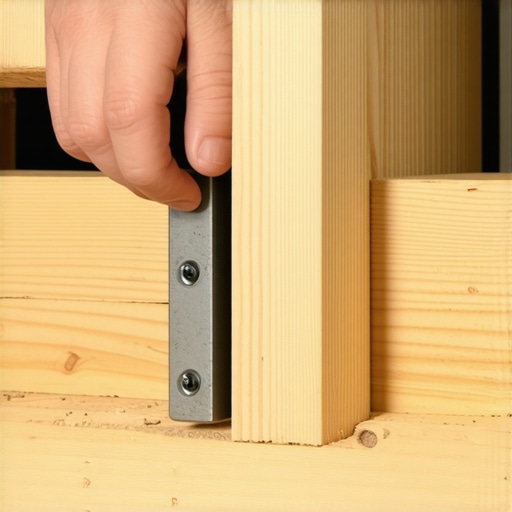
Tools like the **Leveling Shim** are invaluable for achieving perfect flatness in your deck or pergola. These shims can be inserted between joists or supports to correct unevenness without extensive demolition. When combined with precise measurements and patience, they significantly extend the lifespan and performance of your outdoor structures. As the trend shifts toward longer-lasting and more sustainable materials, early adoption of these maintenance practices will ensure your investment remains resilient and beautiful. Don’t hesitate to try the **leveling shim trick**; it’s a game-changer for creating flawless decks that stand up to the test of time.
In my journey to perfecting deck projects, one of the most valuable lessons I’ve learned is that attention to detail in fascia finishing elevates the entire outdoor space. Avoiding common pitfalls like visible screws or uneven surfaces takes more than just patience—it requires a keen understanding of the nuances that separate a good look from a professional finish.
The Hidden Wisdom That Transformed My Decks
- Knowing When Less Is More: I used to over-tighten screws to secure fascia boards, but that often caused cracks. Using a gentle, controlled approach with proper torque settings—like on the Makita XFD07Z—prevented damage and made countersinking smoother.
- Precision Matters: Marking screw positions carefully and verifying alignments with a level went from tedious to essential. That small extra time minimized gaps and crooked lines, an insight I wish I had embraced earlier.
- The Power of Seamless Fillers: Using matching composite filler in depressions created by the hidden screw technique resulted in surfaces that looked naturally continuous—saving hours on sanding and touch-ups later.
- Patience Pays Off: Waiting for fillers to dry thoroughly before sanding is critical. Rushing this step only leads to imperfections, a lesson reinforced by countless refinements on my part.
- Anticipating Climate Effects: Darker composite boards absorb more heat, causing warping—something I overlooked initially. Reading about these material nuances from trusted sources like our composite decking trends guide saved me from costly mistakes.
Tools and Resources That Made a Difference
- High-Quality Torque-Controlled Drill: It’s the backbone of delicate fastener work; I recommend models like the Makita XFD07Z for precision.
- Smart Countersink Bits: A must-have for shallow depressions that hide fasteners well, preventing surface blemishes.
- Composite-Specific Fillers: Using color-matched fillers like DeckEx ensures a flawless, seamless look, reducing the need for extensive sanding.
- Leveling Shims and Corrective Tools: Perfect for adjusting uneven joists, their flexibility ensures a straight, professional finish—check out this guide for detailed techniques.
- Educational Resources: Books, tutorials, and forums have deepened my understanding; I especially value insights from experts who share real-world challenges and solutions.
Embrace the Challenge and Transform Your Deck
Achieving a seamless fascia finish isn’t just about aesthetics—it’s about taking pride in your craftsmanship and creating a durable, beautiful outdoor retreat. Remember, each project teaches us something new, and perseverance turns ordinary decks into extraordinary spaces. So, are you ready to refine your fascia finishing skills and leave a lasting impression on your outdoor haven? Share your experiences or questions below—let’s elevate the art of deck building together.
}#}**