
How to Shore Up a Deck for a New Hot Tub

Picture this: I finally got around to installing that hot tub I’ve been dreaming about for years. Excitement turned to panic within minutes when I realized my deck, which looked perfectly solid just yesterday, suddenly felt wobbly and unsteady beneath my feet. It was a lightbulb momentβ€”if you’re adding a hot tub, your deck’s stability isn’t just about aesthetics; it’s about safety and longevity. This experience taught me that proper support is crucial, and I want to share what I learned so you can avoid the same pitfalls.

Why a Well-Shored Deck Matters More Than You Think

When I first looked into adding a hot tub, I assumed that my existing deck would handle the extra weight effortlessly. Spoiler alert: It won’t. The weight of a typical hot tub can easily surpass 2,000 pounds when filled with water and people, which is significantly more than the deck was initially designed to support. According to the American Society of Construction, improper support can lead to sagging, board warping, or worseβ€”deck failure. I learned this the hard way, and I don’t want you to go through the same.

Shoring up your deck isn’t just about adding some extra blocks here and there; it’s about understanding the structural requirements and getting them right the first time. Whether you’re planning a simple platform or a multi-layer outdoor space, solid support ensures your hot tub becomes a source of enjoymentβ€”not a safety hazard. I’ll guide you through proven strategies, sharing insights I’ve gathered from my own blunders and successes.

Is Reinforcing a Deck for a Hot Tub Really Worth the Effort?

Many homeowners worry that reinforcing a deck is complicated, expensive, or unnecessary. My early mistake was underestimating this challenge because I thought I could just throw in some extra joists and call it a day. Big mistake. Without proper blocking, additional support beams, and correct load calculations, your deck might look steady but be structurally compromised over time. Remember, taking shortcuts here can cost you a lot moreβ€”both financially and in terms of safety. For a detailed discussion on ensuring your deck can handle heavy loads, check out this expert advice.

Now that you know why the support system is vital, let’s dive into some practical steps you can take to shore up your deckβ€”and keep your new hot tub safely nestled in place for years to come.

}#}#}**}#}#}**}**}#}#}**}**}#}#}**}**}#}#}**}**}#}#}**}**}#}#}**}**}#}#}**}**}#}#}**}**}#}#}**}**}#}#}**}**}#}#}**}**}#}#}**}**}#}#}**}**}#}#}**}**}#}#}**}**}#}#}**}**}#}#}**}**}#}#}**}**}#}#}**}**}#}#}**}**}#}#}**}**}#}#}**}**}#}#}**}**}#}#}**}**}#}#}**}**}#}#}**}**}#}#}**}**}#}#}**}**}#}#}**}**}#}#}**}**}#}#}**}**}#}#}**}**}#}#}**}**}#}#}**}**}#}#}**}**}#}#}**}**}#}#}**}**}#}#}**}**}#}#}**}**}#}#}**}**}#}#}**}**}#}#}**}**}#}#}**}**}#}#}**}**}#}#}**}**}#}#}**}**}#}#}**}**}#}#}**}**}#}#}**}**}#}#}**}**}#}#}**}**}#}#}**}**}#}#}**}**}#}#}**}**}#}#}**}**}#}#}**}**}#}#}**}**}#}#}**}**}#}#}**}**}#}#}**}**}#}#}**}**}#}#}**}**}#}#}**}**}#}#}**}**}#}#}**}**}#}#}**}**}#}#}**}**}#}#}**}**}#}#}**}**}#}#}**}**}#}#}**}**}#}#}**}**}#}#}**}**}#}#}**}**}#}#}**}**}#}#}**}**}#}#}**}**}#}#}**}**}#}#}**}**}#}#}**}**}#}#}**}**}#}#}**}**}#}#}**}**}#}#}**}**}#}#}**}**}#}#}**}**}#}#}**}**}#}#}**}**}#}#}**}**}#}#}**}**}#}#}**}**}#}#}**}**}#}#}**}**}#}#}**}**}#}#}**}**}#}#}**}**}#}#}**}**}#}#}**}**}#}#}**}**}#}#}**}**}#}#}**}**}#}#}**}**}#}#}**}**}#}#}**}**}#}#}**}**}#}#}**}**}#}#}**}**}#}#}**}**}#}#}**}**}#}#}**}**}#}#}**}**}#}#}**}**}#}#}**}**}#}#}**}**}#}#}**}**}#}#}**}**}#}#}**}**}#}#}**}**}#}#}**}**}#}#}**}**}#}#}**}**}#}#}**}**}#}#}**}**}#}#}**}**}#}#}**}**}#}#}**}**}#}#}**}**}#}#}**}**}#}#}**}**}#}#}**}**}#}#}**}**}#}#}**}**}#}#}**}**}#}#}**}**}#}#}**}**}#}#}**}**}#}#}**}**}#}#}**}**}#}#}**}**}#}#}**}**}#}#}**}**}#}#}**}**}#}#}**}**}#}#}**}**}#}#}**}**}#}#}**}**}#}#}**}**}#}#}**}**}#}#}**}**}#}#}**}**}#}#}**}**}#}#}**}**}#}#}**}**}#}#}**}**}#}#}**}**}#}#}**}**}#}#}**}**}#}#}**}**}#}#}**}**}#}#}**}**}#}#}**}**}#}#}**}**}#}#}**}**}#}#}**}**}#}#}**}**}#}#}**}**}#}#}**}**}#}#}**}**}#}#}**}**}#}#}**}**}#}#}**}**}#}#}**}**}#}#}**}**}#}#}**}**}#}#}**}**}#}#}**}**}#}#}**}**}#}#}**}**}#}#}**}**}#}#}**}**}#}#}**}**}#}#}**}**}#}#}**}**}#}#}**}**}#}#}**}**}#}#}**}**}#}#}**}**}#}#}**}**}#}#}**}**}#}#}**}**}#}#}**}**}#}#}**}**}#}#}**}**}#}#}**}**}#}#}**}**}#}#}**}**}#}#}**}**}#}#}**}**}#}#}**}**}#}#}**}**}#}#}**}**}#}#}**}**}#}#}**}**}#}#}**}**}#}#}**}**}#}#}**}**}#}#}**}**}#}#}**}**}#}#}**}**}#}#}**}**}#}#}**}**}#}#}**}**}#}#}**}**}#}#}**}**}#}#}**}**}#}#}**}**}#}#}**}**}#}#}**}**}#}#}**}**}#}#}**}**}#}#}**}**}#}#}**}**}#}#}**}**}#}#}**}**}#}#}**}**}#}#}**}**}#}#}**}**}#}#}**}**}#}#}**}**}#}#}**}**}#}#}**}**}#}#}**}**}#}#}**}**}#}#}**}**}#}#}**}**}#}#}**}**}#}#}**}**}#}#}**}**}#}#}**}**}#}#}**}**}#}#}**}**}#}#}**}**}#}#}**}**}#}#}**}**}#}#}**}**}#}#}**}**}#}#}**}**}#}#}**}**}#}#}**}**}#}#}**}**}#}#}**}**}#}#}**}**}#}#}**}**}#}#}**}**}#}#}**}**}#}#}**}**}#}#}**}**}#}#}**}**}#}#}**}**}#}#}**}**}

Assess Your Existing Support System

Start by measuring your deck’s current joist sizes and spacing. Use a tape measure and a joist span table to determine if your support meets the weight requirements for a hot tubβ€”generally over 2,000 pounds when filled. I once skipped this step, assuming my 2×8 joists were enough, only to find them sagging under the load. This highlights the importance of thorough evaluation.

Strengthen the Joists

Upgrade or add additional joists where necessary. If your current joists are under-dimensioned, sister them with new 2×10 or 2×12 lumber, glued and screwed for maximum strength. Remember to pre-drill to avoid splitting. In my project, I doubled my joists, which provided a solid foundation and prevented future sagging. Ensure all new joists are level and properly supported at both ends.

Install Supporting Beams and Posts

Adding extra support beams underneath the deck distributes the weight evenly. Use LVL (Laminated Veneer Lumber) beams for longer spansβ€”these are stronger and more stable. Secure them with heavy-duty post anchors and ensure posts are embedded deep into concrete footings to prevent shifting. I used post brackets with adjustable heights for precise leveling, which made the entire installation more stable.

Use Blocking and Cross Bracing

Install blocking between joists to prevent twisting and improve load transfer. Diagonal cross braces further stabilize the structure, especially for larger decks. I used metal angle braces at critical points, which greatly reduced sway and bounce, making the deck safer and more rigid.

Evaluate and Reinforce the Rim Joist and Frame

The perimeter rim joist must handle additional weight and lateral forces. Reinforce it with extra blocking and, if needed, sister it with new lumber. Tighten all bolts and replace any rusted screws. In my case, I doubled the rim joist and added metal straps, which resulted in a sturdier frame that felt more solid under the hot tub’s weight.

Ensure Proper Flotation and Drainage

Good drainage prevents water accumulation that can weaken supports. Install a drainage plane beneath the deck using gravel or a synthetic fabric. Grade the land around the deck to divert water away. When I added a gravel layer and a slight slope, I observed less moisture retention, prolonging the deck’s lifespan.

Consult a Structural Engineer if Needed

If your deck is particularly old or spans a large area, consider hiring a professional. They can perform precise load calculations and may recommend additional underpinning or support enhancements. I personally contacted an engineer for my large multi-level deck, which gave me peace of mind and qualified guidance.

By following these steps, you’ll reinforce your deck effectively, creating a safe and durable platform for your hot tub. Remember, investing time and effort upfront saves you from costly repairs or dangerous failures later.
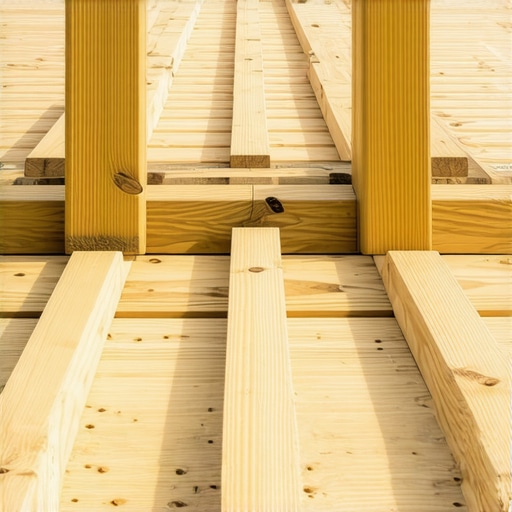
Diagram showing reinforced joists and support beams under a deck for hot tub installation.,When it comes to composite decking and outdoor structure design, many homeowners think they’ve covered the basics but overlook critical nuances that can make or break their project’s longevity and aesthetic appeal. A widespread misconception is that composite materials are completely maintenance-free and impervious to issues like warping or fading. In reality, the quality and installation technique dramatically influence performance, as highlighted in recent studies assessing durability factors in modern composites. Rushing into installation without understanding expansion and contraction properties often leads to unsightly gaps and buckling over time, especially under fluctuating weather conditions. For example, dark-colored composite boards absorb more heat, increasing thermal expansion and potentially causing warping or misalignmentβ€”an often overlooked aspect in initial planning. This mistake can be costly, requiring repairs or replacements that could have been avoided with proper pre-installation setup.

Are You Overlooking Structural Support for Unique Designs?

Many believe that innovative deck designs or elaborate pergolas naturally support themselves, but in reality, neglecting tailored support structures introduces instability risk. Overloading a pergola with heavy roofing materials or sprawling plants without reinforcing beams and proper anchoring can lead to sagging or even collapse. The key is understanding the load capacity for each design element and reinforcing accordingly, which is where many stumble. Incorporating cross-bracing or additional support posts enhances safety and ensures the structure withstands seasonal stresses. Moreover, considering the expansive nature of composite materials, incorporating expansion gaps and choosing the right fasteners play a pivotal roleβ€”if missed, it results in uneven surfaces and shortening lifespan. According to industry experts, detailed planning that accounts for material behavior under various conditions prolongs the integrity of your outdoor structure. For stylish yet functional options, explore design ideas for pergolas that marry form with durability.

Don’t forget that railing systems, often seen as mere safety features, are also a focal point of design. Many homeowners opt for aesthetically pleasing yet structurally inadequate railings, risking failures or unsafe gaps. Selecting systems with proper spacing and reinforcement, and understanding the importance of support blocks and fastener quality, guarantees safety and visual harmony. Regular inspections and maintenance are equally critical, especially since composite or metal railings can develop rust, corrosion, or loosen over time if not properly cared for.

Let’s face itβ€”every detail counts. A well-designed outdoor structure combines aesthetics, safety, and longevity, but it demands attention to nuanced support details and material behaviors. Have you ever fallen into this trap? Let me know in the comments. For a comprehensive guide on elevating your outdoor space, check out innovative design ideas or reach out through our contact page.

Keeping Your Outdoor Space in Top Shape: Tools I Trust

Maintaining a beautiful and durable deck, pergola, or railing system requires the right set of tools and routines. Over the years, I’ve refined my toolkit to include equipment that ensures precision and longevity. One indispensable tool is a high-quality oscillating multi-tool, such as the Dremel Multi-Max. I use it for detailed sanding, cleaning tight corners, and removing stubborn debris from composite surfaces. Its versatility makes it my go-to for annual cleaning and minor repairs, especially in hard-to-reach areas.

For large-scale cleaning without damaging the composite material, I personally recommend a low-pressure washer with adjustable nozzles. Avoid high-pressure power washers, as they can cause surface damage, a point highlighted in this comprehensive guide. I set mine to a gentle spray and maintain a distance of at least 12 inches from the surface, ensuring thorough cleaning without risking warping or stripping protective coatings.

When it comes to sealants or touch-up compounds for scratches, I trust a high-quality acrylic paint designed for outdoor use. Applying it with a fine-tip brush allows for precise repairs, which helps in maintaining the aesthetic appeal. For ongoing support, a cordless impact driver is invaluable for tightening loose screws and securing fittings on railings and supporting beams. I particularly favor models with variable torque settings to prevent over-tightening, which can compromise connections.

Predicting Future Trends in Outdoor Maintenance

The trend toward smarter, tech-integrated maintenance tools is accelerating. IoT-enabled sensors, for example, can monitor moisture levels or structural strain in real time, alerting homeowners before problems become severe. In the coming years, expect more automated cleaning systems and maintenance drones that inspect and even perform minor repairs autonomously, making regular upkeep more accessible and less time-consuming.

How do I keep my outdoor structures functioning smoothly over time?

Implement routine inspections with a detailed checklist: check for loose fasteners, signs of water intrusion, and surface damage. Use a moisture meter to evaluate wood or composite materials and identify early signs of rot or warping. Regularly apply protective sealants to exposed surfacesβ€”preferably in dry weatherβ€”and adhere to manufacturer recommendations for reapplication intervals. Keeping your pergola or railing system clean and checking for structural integrity periodically will prevent costly repairs down the line. For precision work, I recommend utilizing the extra blocking techniques discussed here, which boost overall support and safety.

Don’t hesitate to try out a mid-span header reinforcement as outlined in support upgrades. It’s a game-changer for heavy or long structures, prolonging their functional lifespan and ensuring safety for years to come.

Final Thoughts

Investing in the right tools and establishing a proactive maintenance routine will save you time and money while preserving your outdoor investments. Remember, as composite material technology evolves, so do the methods to keep them working seamlessly. Be sure to stay updated with industry innovations such as those detailed in the latest composite trends. Your future self will thank you for the effort today!

Try incorporating one of these advanced maintenance techniques this season, like applying targeted sealants or checking structural supports regularly, to keep your outdoor space performing at its best. For personalized assistance or to explore custom solutions, contact us through our contact page.

The Steep Learning Curve of Unsupported Designs

One of my biggest lightbulb moments was realizing that even the most innovative deck or pergola design can fail rapidly if I overlook fundamental support principles. Early in my projects, I believed aesthetic flair could compensate for structural shortcomings, but experience taught me that stability is non-negotiable. Now I understand that meticulously planning support supports and reinforcement techniques saves time, money, and headaches in the long run.

Essential Tools That Transformed My Maintenance Routine

Over the years, I discovered that certain tools are game-changers for upkeep and repairs. The impact driver, for instance, makes securing loose railing posts effortless, while a quality moisture meter helps detect early signs of rotβ€”saving me from costly replacements. Using a handheld scraper keeps composite boards looking fresh without damage, and a pressure washer with adjustable settings is perfect for regular cleaning when used carefully. These tools collectively ensure my outdoor structures stay durable, safe, and beautiful.

Why Overcoming My Product Myths Became a Game Changer

  • Myth 1: Composite decking is maintenance-free.
    Realization: Even premium composites need regular cleaning and inspection, especially for expansion gaps and fastener integrity.
  • Myth 2: Bigger supports always mean better stability.
    Realization: Proper load calculations and support spacing are keyβ€”more material doesn’t necessarily equal safer support.
  • Myth 3: Structural reinforcement is only for old or large decks.
    Realization: Modern designs with complex features still require support enhancements to prevent future safety issues.

Recognizing these misconceptions has allowed me to approach projects more thoughtfully, ensuring safety and longevity while avoiding unnecessary expenses.

Step Into a Safer, Stronger Outdoor Space β€” Your Turn

Building or upgrading outdoor structures isn’t just about visual appeal; it’s about creating safe, lasting environments where memories are made. By applying the lessons learned from my journeyβ€”prioritizing support, using the right tools, and challenging common misconceptionsβ€”you can elevate your outdoor spaces beyond just beautiful to truly resilient.

What support upgrade or reinforcement are you considering for your outdoor space? Share your plans or questions belowβ€”I’d love to hear your ideas and help you succeed!

Scroll to Top