
One summer afternoon, I looked out at my deck and noticed those unsightly rust stains creeping along the aluminum railing like an unwelcome guest. I’d spent so much time designing and upgrading my outdoor space—picking out charming pergolas, modern composite decking, and sleek railings—and suddenly, this ugly discoloration threatened to ruin the whole aesthetic. That was my lightbulb moment: I realized that rust stains aren’t just a minor annoyance—they can quickly turn a beautiful backyard into an eyesore if left unchecked.
Protecting Your Outdoor Sanctuary from Rust Intruders
Rust stains can appear surprisingly fast and stubbornly cling to shiny aluminum surfaces, marring the clean look you’ve worked so hard to achieve. The good news? With a little know-how, you can keep your railings looking fresh and pristine. Today, I’ll walk you through proven techniques to banish those unsightly spots and maintain the beauty of your backyard masterpieces. From cleaning tips to preventative measures, this guide is built on real experience—and a desire to help your outdoor space shine as bright as you want it to.
Is Rust Stain Removal Really Worth the Effort?
Early in my journey, I made the mistake of ignoring rust stains, thinking they would wash away with a good rinse or fade on their own. Spoiler: they didn’t. Rust is a chemical reaction that bonds strongly with metal surfaces, and if you don’t tackle it promptly, it can cause long-term damage. According to experts at Deck Forge Builders, neglecting rust can lead to corrosion that weakens your railing system—potentially compromising safety and aesthetics. Trust me, a little effort now saves you from costly replacements later. But don’t worry; with the right approach, you can restore your aluminum railings and keep your deck stunning for years to come.
So, have you faced stubborn rust spots already? Or are you just starting to notice the signs? Either way, I’ve been there, and I promise, the solutions I’ll share are straightforward and effective. Ready to roll up your sleeves and give your outdoor space the shining finish it deserves? Let’s dive into the practical steps that will make rust stains a thing of the past!
,
Start with a Mild Cleaning Solution
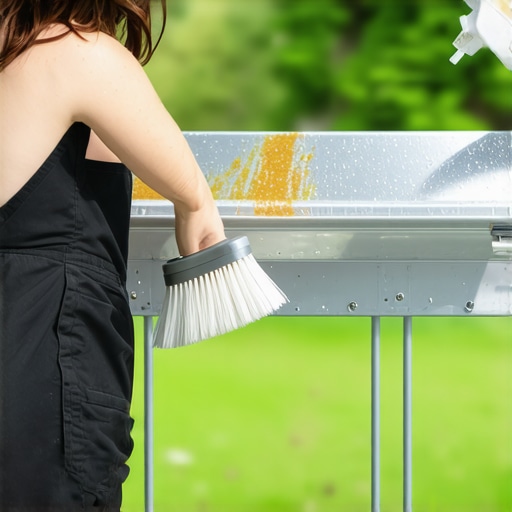
Mix a solution of warm water and a few drops of dish soap in a bucket. Use a soft-bristle brush or sponge to scrub the rusty areas gently. As I did when I first tackled my deck, avoid harsh chemical cleaners that can damage the aluminum finish. This initial scrub helps loosen surface grime and prepares the stain for more effective removal.
Apply a Commercial Rust Remover
Choose a rust remover safe for aluminum, such as a product containing oxalic acid or phosphoric acid. Wear gloves and eye protection. I once applied a commercial rust remover to a corner of my railing, following the manufacturer’s instructions carefully. Let it sit for the recommended time, then scrub with a non-abrasive pad. This chemical reaction dissolves the rust, revealing a fresh surface underneath.
Tip: Test a Small Area First
Before applying any chemical directly to your entire railing, test on a hidden spot. This prevents unexpected discoloration or damage, as I learned the hard way when a leftover cleaner slightly darkened my aluminum finish. Always read the label for compatibility and safety guidelines.
Use a Lime and Baking Soda Paste for Stubborn Stains
If rust stains persist, mix equal parts lime juice and baking soda to form a paste. Apply it directly to the stain, then let it sit for 15 minutes. Scrub gently with a soft cloth or sponge. After trying several approaches, I found this natural method to be gentle yet effective, especially for lighter rust spots. Rinse thoroughly afterward.
Rinse Thoroughly and Dry Completely
After using any cleaner or remover, rinse the area with clean water. Use a hose with a gentle spray to avoid damaging the aluminum. Dry the railings thoroughly with a soft towel to prevent water spots or further oxidation. When I finished cleaning my rails, this step was crucial to prevent future rusting, especially in humid climates.
Protect and Prevent Future Rust
Apply a clear aluminum sealant or protective coating to shield your railings from moisture. I applied a spray-on transparent coating after cleaning, which significantly slowed down new rust formation. Regular inspections and prompt cleaning of any new stains can keep your outdoor aluminum surfaces looking pristine and extend their lifespan.
Remember, the key to effective rust stain removal is acting quickly before the rust embeds deeply into the surface. With these concrete steps, you’ll maintain a sleek, safe, and beautiful backyard that complements your well-designed deck and railing system. If you’re considering upgrading your outdoor space, explore custom railing systems to enhance both safety and aesthetics.
 Many homeowners believe that selecting the most popular railing style or the latest composite decking trend guarantees a perfect outdoor space. However, these assumptions can lead to overlooked nuances that impact durability, safety, and aesthetic appeal over time. For instance, a common misconception is that all composite decking is equally resistant to warping. In reality, as detailed in [expert research](https://deckforgebuilders.com/composite-decking-trends-durable-solutions-for-modern-outdoor-living), variations in core composition and installation practices can significantly influence performance, especially under direct sunlight and fluctuating temperatures. Similarly, many think that installing a pergola is straightforward, but overlooking foundational stability or wind load considerations can result in structural sagging or failure. To avoid these pitfalls, understanding the detailed engineering behind these elements is crucial. When it comes to railing systems, opt for designs that not only look appealing but also comply with safety standards—considering factors like baluster spacing and load capacity—elements often neglected by amateurs. Additionally, choosing the wrong material for pergola posts, such as untreated wood in a humid climate, can lead to rot and costly replacements. As outlined in [design insights](https://deckforgebuilders.com/pergola-designs-that-turn-your-garden-into-a-sanctuary), integrating proper treatments and supports from the outset creates a resilient, long-lasting structure. So, are you truly aware of the subtle factors that differentiate average from exceptional outdoor designs? Let’s dig deeper into the hidden details that most overlook. Have you ever fallen into this trap? Let me know in the comments.
Keeping your outdoor structures in top shape requires more than just good materials; it hinges on having the right tools and a solid maintenance routine. Over the years, I’ve found that investing in specific equipment makes a significant difference in the longevity and appearance of your deck, railing systems, composite decking, and pergolas.
Investing in Quality Tools for Long-Term Success
One of my go-to tools is a digital moisture meter. I use this device regularly to monitor moisture levels in wood and composite materials, preventing rot and decay before visible signs appear. It provides precise readings, allowing me to decide whether additional sealing or repairs are needed. For example, maintaining proper moisture levels is crucial for preventing wood rot in pergola posts, especially in humid environments, as emphasized by experts in deck maintenance.
Another indispensable item is a cordless impact driver. I rely on mine for installing fasteners—be it for composite decking, railing brackets, or pergola support beams. Its portability and power speed up projects significantly, reducing fatigue and increasing precision. Using a quality impact driver ensures screws are set tightly without damaging the material, which is especially vital when working with engineered composites like those discussed in modern decking trends.
Tools That Simplify Regular Maintenance
Maintaining your outdoor structures involves routine inspections and cleaning. I recommend a high-pressure nozzle with adjustable settings for rinsing surfaces without causing damage. Carefully controlling pressure prevents peeling paint or dislodging fasteners in railing systems. After cleaning, I use a foam applicator and soft sponge for applying sealants or protective coatings evenly, ensuring long-lasting protection against moisture and UV damage.
For detailed work, such as re-scribing boards or aligning pergola beams, a laser level is invaluable. It guarantees levelness and straightness, which are crucial for safety and aesthetics. Modern laser levels provide easy-to-read lines that streamline setups, saving hours during construction or repairs.
Future Trends in Maintenance Technology
Advancements in technology suggest that automation and smart sensors will play larger roles in outdoor maintenance. Imagine sensors embedded in wood or composite materials that alert you when moisture or temperature thresholds are exceeded, prompting timely interventions. This trend aims to extend the lifespan of outdoor structures even further, aligning with innovations in smart home integration.
How do I maintain my deck and pergola over time?
Consistent inspection, cleaning, and protective measures remain your best defense against deterioration. Regularly check for loose fasteners, signs of rot, and moisture retention. Applying high-quality sealants and protective coatings, especially after cleaning with a gentle pressure washer, helps preserve the finish and structural integrity. Don’t overlook tools like moisture meters and laser levels—they boost your precision and effectiveness. I encourage you to try out an impact driver with adjustable torque settings; it’s my secret to efficient fastening and troubleshooting in complex projects. For ongoing support and tailored advice, consider reaching out through my consulting services to keep your outdoor oasis thriving in the long run.
Crafting Beauty Beyond the Surface
One of the most profound lessons I’ve learned is that the true strength of outdoor structures lies in the details often overlooked. For instance, I once thought choosing trendy materials was enough, only to realize that understanding their long-term behavior, like expansion rates of composites, makes all the difference. Knowing that dark composite boards can heat up to uncomfortable levels prompted me to consider lighter shades or shading solutions, ultimately enhancing comfort and safety. These insights taught me that every choice, from fasteners to material placement, shapes the lifespan and appeal of my backyard spaces.
Tools That Turn Maintenance from Mundane to Mastery
Investing in quality tools isn’t just a luxury—it’s a necessity for longevity. My impact driver, with an adjustable torque setting, has revolutionized how I secure railing brackets without damaging the material. A moisture meter helps me catch early signs of rot in pergola posts before it becomes costly, and a laser level ensures my beams are perfectly aligned—saving hours and preventing headaches. These tools have empowered me to maintain my outdoor sanctuary confidently, ensuring it remains a source of pride rather than stress.
Believe in Your Outdoor Vision and Make It Last
Embarking on a deck or pergola project is as much about passion as it is about perseverance. Remember, setbacks such as unexpected warping or rust stains are just opportunities to learn and improve. Embrace the process, utilize reliable resources, and don’t shy away from seeking expert advice when needed. Your outdoor space is an extension of your lifestyle; nurturing it with knowledge and care guarantees it will be a source of joy for years to come. Ready to take the next step? Dive into [custom railing systems](https://deckforgebuilders.com/transform-your-outdoor-space-custom-railing-systems-for-safety-and-style) or explore [innovative deck design ideas](https://deckforgebuilders.com/innovative-deck-design-ideas-that-elevate-your-homes-curb-appeal) to elevate your backyard now.