
The Rubber Mallet Trick for Seating Tight Composite Boards

I vividly remember the first time I installed a composite deck. Everything looked perfect, until I stepped back and realized a few boards sat just a tad too loose, rattling softly whenever the breeze picked up. Frustrating, right? It’s like the deck’s heartbeat is out of sync. That experience hit me hard—seeing a beautiful outdoor space compromised because of something as simple as a slight gap. But then, I stumbled upon a surprisingly effective trick that transformed my decking game—the rubber mallet trick for seating tight composite boards.

Why Properly Seated Boards Matter More Than You Think

Ensuring your composite boards are snugly seated might seem trivial at first. Yet, over time, gaps can lead to water infiltration, debris accumulation, and even promote unwanted movement that jeopardizes the whole deck’s stability. Did you know that wooden gaps can speed up rot and decay? Even composite materials, touted for durability, benefit immensely from perfect installation. Early in my projects, I made the mistake of rushing through the seating process—using only a hammer or my fists—until I realized I was missing out on a simple technique that guarantees a tight fit every time.

Is the Rubber Mallet Trick Truly Worth It When Seating Composite Boards?

Honestly, I was skeptical at first. It sounded too straightforward. But after a few trials, I discovered it’s a game-changer. The key is in the gentle, controlled taps with a rubber mallet—no damaging dents, just enough force to seat the boards firmly without risking damage. This trick not only saves time but also ensures your boards sit flush, creating a watertight and professional-looking surface. I remember early on, I’d often damage the edges with a metal hammer, or worse, leave stubborn gaps that I’d struggle to fix later. Learning this simple step was like finally cracking the code—my decking looked better, lasted longer, and the installation process felt more confident.

If you’ve ever wrestled with stubborn boards that refuse to seat properly, you know the frustration. But what if I told you that a quick, gentle tap with a rubber mallet can make all the difference? Curious? Keep reading, because I’ll walk you through exactly how to master this underrated technique—so your deck can stand the test of time and weather.

Secure Each Board with Body-Approved Taps

Start by positioning your first composite board on the joists, making sure it’s aligned precisely. Grab your rubber mallet—avoid metal hammers to prevent dents—and prepare to tap. Like tuning a guitar string, a gentle, rhythmic tap can seat the board snugly without damage.

Mark Your Spot for Consistency

Before actual tapping, identify the high points or slight gaps. Use a pencil to mark these spots. When you hit those with your rubber mallet, each tap intentionally pushes the board into perfect alignment. Think of it as giving your deck a gentle, but firm, handshake.

Controlled Tapping: The Secret Technique

Apply controlled, light taps—around 10-15 per area—targeting the edges and any stubborn spots. This prevents overdriving or damaging the composite material. Remember, it’s about finesse. I learned this during my own deck build when a stubborn board kept wavering; a few well-placed taps fixed the issue instantly.

Avoid Common Mistakes

Do not use excessive force—this risks cracking the composite or causing uneven seating. Equally, don’t hammer blindly; always focus on the problematic areas. A quick tip from my experience: if the board resists, check underlying joists for warping or debris, and clear those first.

Fine-Tune the Fit

After the main seating, run your hand along the board to feel for gaps or high spots. Lightly tap any uneven areas to level the surface. This process improves the overall look and prevents water pooling or debris accumulation, which can lead to deterioration over time.

Practice on a Scrap Piece

Before tackling your main deck, practice on scrap composite boards or cut-offs. This hands-on practice helps build a sense of the right force and technique—saving you from costly mistakes. Remember, the key is subtlety and control, not brute force.

Additional Tips for Success

Work in a well-lit, clean environment—debris can cause misalignments. Also, ensure your boards are dry; moisture can affect seating and the grip of the composite material. For added precision, consider using a straightedge or level to single out any residual gaps.

By mastering this simple yet powerful technique, you’ll elevate your decking project to professional standards, ensuring a durable, flush surface that withstands weather and time. The next step, perhaps, involves combining this with a strong railing system—like those found in custom railing systems—to create a complete backyard retreat.

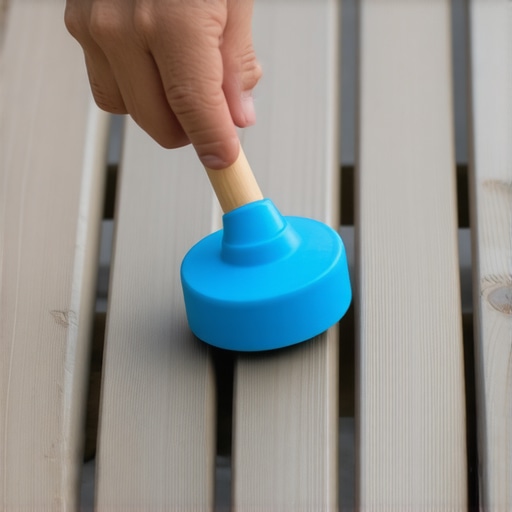
<Person using a rubber mallet to seat composite decking boards>
Many homeowners and even seasoned DIY enthusiasts hold misconceptions about outdoor structures, often simplifying complex design principles into myths. One widespread myth is that all composite decking planks are universally compatible, but in reality, nuances like expansion gaps and material thickness can dramatically affect durability and appearance. Overlooking these details can lead to uneven surfaces or early warping, especially in fluctuating climates. Experts agree that understanding these subtleties is crucial for longevity, and according to a study published in the Journal of Building Engineering, proper installation techniques that consider material behavior under environmental stress yield significantly longer-lasting decks (source).

What are the common pitfalls in designing custom railing systems that professionals avoid?

Many DIYers underestimate the importance of anchoring posts into a solid footing and may opt for superficial fixes that look neat initially but compromise safety over time. For instance, neglecting to use structural blocking or sufficient fasteners can cause rails to wobble or even detach, particularly under heavy loads or wind pressure. This is why consulting specialized guides, like those on custom railing systems, is essential. One common mistake is choosing decorative elements over structural integrity, which looks attractive but may not withstand real-world forces. Addressing these issues proactively ensures safety and aesthetic appeal, making your outdoor space both beautiful and functional.

Jumping into elaborate deck designs without considering the fine points—such as proper spacing for expansion or ensuring drainage pathways—can lead to costly fixes later. A well-designed pergola, for example, should include proper venting for materials to expand and contract naturally. If you pay close attention to these details, your structure will require fewer repairs and maintain its charm for years. For innovative ideas which can elevate your backyard, check out creative deck ideas.

Benefits of integrating advanced techniques in outdoor construction

Implementing advanced methods, such as hidden fasteners for a seamless look or using gap fillers to prevent water intrusion, increases both functionality and aesthetics. These nuances often go unnoticed but greatly influence the longevity of your deck or pergola. On the practical side, using quality fasteners like stainless steel or coated screws prevents rust and deterioration, especially in humid climates. Remember that even the most beautiful design can be undermined by overlooked details—so investing in professional-grade hardware and meticulous measurement pays off in the long run. For more resources, visit our contact page.

Have you ever fallen into this trap? Let me know in the comments. Mastering these nuances is what separates a DIY project from a lasting masterpiece. Embrace the complexity, and your outdoor space will reward you with enduring beauty and resilience.

Tools That Make a Difference in Deck Maintenance

Maintaining your outdoor structures requires precision and reliability, which is why I rely on specific, high-quality tools. A good cordless impact driver, such as the Milwaukee M18, provides the torque needed for tightening fasteners securely without damaging composite boards. For measuring and alignment, I swear by a digital level—like the Bosch GLL 3-80—to ensure all components stay perfectly straight over time, especially when installing custom railing systems. Additionally, a cordless angle grinder with a polishing attachment helps clean and restore wood or composite surfaces, extending their lifespan.

Why an Accurate Pressure Washer Is Vital

While power washing can be risky, a variable-pressure washer like the Sun Joe iON delivers adjustable settings, allowing me to remove dirt and mold without harming the surface. Regular gentle cleans prevent grime buildup, which can degrade materials prematurely. Remember, never use a high-pressure setting on composite decking; the goal is to clean, not cut into the surface.

Software and Planning Tools I Trust

Designing a cohesive outdoor space benefits from intuitive software. I use SketchUp for drafting custom pergola designs, which easily helps visualize scale and proportions—ensuring your structure complements the surrounding landscape. For project management, I recommend Trello, keeping track of maintenance schedules, part replacements, and deadlines. Consistent planning minimizes surprises and keeps your deck and railing systems in prime condition for years.

Long-Term Care Includes Routine Checks

To guarantee durability, I schedule seasonal inspections—spring and fall—checking for loose fasteners, signs of wood rot, or corrosion on metal components. Addressing issues early prevents costly repairs later. For instance, replacing rusted galvanized screws with stainless steel hardware enhances longevity, according to experts in outdoor construction standards. Incorporate these practices and you’ll safeguard your investment, turning maintenance into an effortless routine.

Moving Towards Smarter Maintenance

Looking ahead, I see a trend toward smart tools and sensors integrated into decks and rails—detecting movement or moisture buildup before visible problems emerge. Companies are developing adhesive sensor strips for joists and posts that alert homeowners via smartphone apps. Adopting these advancements now could mean your outdoor systems stay pristine with minimal intervention, preserving their beauty and safety for decades.

How do I maintain railing systems and decks over time?

Regular inspections, combined with using the right hardware and cleaning tools, form the backbone of longevity. Always tighten fasteners, monitor for corrosion, and clean surfaces with appropriate cleaners—like non-abrasive composite deck cleaners. For sturdy, safe railings that withstand seasons of wind and weather, consider reinforcing anchor points or adding extra blocking inside the posts. Remember, blending traditional techniques with modern advances offers the best results. I encourage you to try the impact driver for fast, secure fastening—it’s a game-changer for DIY projects and professional builds alike.

By carefully selecting the right tools and scheduling routine checks, you ensure your outdoor oasis remains safe, beautiful, and functional for years. Want to learn more about designing endurance into your project? Explore innovative custom railing systems or get in touch through our contact page.

A set of essential tools for maintaining and installing outdoor decking and railing systems, including impact driver, digital level, pressure washer, and planning software.

Lessons That Changed My Deck-Building Perspective

  • One of my biggest revelations was realizing that precision seating of composite boards isn’t just about aesthetics—it’s about long-term durability. Skipping the rubber mallet trick might save seconds initially, but it costs much more later.
  • I learned to look beyond the obvious; small details like proper expansion gaps and secured railing posts prevent years of headaches. Paying attention to these nuances transforms a good deck into a great one.
  • My most memorable lightbulb moment was understanding that consistent practice and mental cues, like marking stubborn spots beforehand, streamline the entire installation process, boosting confidence and quality.

Tools and Resources That Elevate My Deck Projects

  • Pergola design guides: They inspire creative yet practical structures that complement decks with style and function.
  • Custom railing systems: I trust these resources to help ensure safety without sacrificing aesthetics, especially with complex layouts.
  • Latest composite decking trends: Staying updated ensures I choose durable, modern materials that stand up to weather and foot traffic.
  • Structural reinforcement tips: They remind me to bolster weak points before issues emerge, extending the life of my decks and rails.

Your Next Step to Outdoor Excellence Starts Now

Armed with these insider insights and trusted resources, you’re ready to elevate your outdoor space with confidence. Don’t let small details hold back your dream deck—embrace the process, learn constantly, and enjoy the rewarding results. Every careful tap with that rubber mallet, every well-planned joint, brings you closer to a backyard oasis that combines beauty, safety, and resilience. So, what’s the next detail you want to improve—fitting that last board flush or designing a stunning pergola? Dive in and make it happen!

Have you ever struggled with seating composite boards perfectly? Let me know your challenges below, and together, we can find solutions that last a lifetime.

Scroll to Top