
It was a sunny Saturday afternoon when I finally decided to do that long-overdue deck inspection. As I brushed away dirt and leaves, my eye caught a sickly, soft spot near the corner post. Heart pounding, I realized I might have missed the signs of rot, and the thought of tearing apart my beautiful backyard setup was daunting. That lightbulb moment made me realize—rot doesn’t always announce itself loudly. Sometimes, it lurks quietly in places you never suspect.
Why Your Deck Might Be Sitting on a Rot Time Bomb
The truth is, many homeowners overlook critical areas that quietly decay beneath the surface. Rot starts subtly, often in hidden corners or areas shielded from your view. Left unchecked, this can lead to costly repairs—or worse, a safety hazard. Research shows that improper maintenance or overlooked spots can accelerate wood decay, especially in humid climates. According to the National Library of Medicine, untreated wood rot can weaken structure integrity by up to 70%, increasing the risk of collapse. That’s a statistic I definitely don’t want to see happen to my outdoor sanctuary. So, today, I’m sharing the three most common yet sneaky rot zones I’ve learned to inspect—and how you can do the same.
Will I Really Find Rot in These Hidden Spots?
Honestly, I was skeptical at first. I believed I had a well-maintained deck, but my early mistakes—like ignoring those hard-to-see corners—taught me a painful lesson. That’s why I want to help you avoid falling into the same trap. By the time I discovered rot in those unnoticed spots, I’d already spent a fortune fixing it. So, if you’re asking yourself, “Could my deck be decaying right now without my knowing?” the answer is a resounding yes. Let’s dive into where to look and how to spot the signs early, so you can save yourself time, money, and stress. Ready to make your deck last longer and stay safe? Let’s get started with the first hidden spot I’ve seen way too many overlook—your joist ends.
Start with a Visual Inspection of Joist Ends
During my own inspection, I focused on examining the exposed ends of the deck joists—you know, those wooden beams that support your planks. I used a sturdy flashlight to illuminate dark corners and a screwdriver to gently probe suspicious areas. If the wood crumbly under pressure or feels soft, it’s a sign of rot. Remember, rot often begins at the very ends where water can accumulate. Don’t overlook these crucial spots—early detection here can save you hundreds in repairs.
Tap and Listen for Sound Changes
Next, I adopted a simple technique: tapping the wood with a hammer or screwdriver handle. Clear, solid sounds indicate healthy wood, while dull or hollow tones can reveal compromised material. On my deck, I listened carefully and marked areas producing odd sounds for further inspection. This step is like diagnosing a cavity in teeth—subtle cues tell you where decay is hiding without immediate removal.
Check for Visible Signs of Decay and Stains
Visually, rot leaves telltale signs—mushroom-like growths, dark stains, or soft patches. I inspected the corners and the underside of the deck where water tends to linger. I also looked for signs of previous water damage or mold. If you spot any of these, it’s a strong indicator that rot is present. Regularly inspecting these spots can prevent small problems from escalating into structural failures.
Use a Screwdriver to Test Wood Integrity
This method is straightforward: gently press a screwdriver into suspect areas. Resistance indicates dry, solid wood; easy penetration suggests sponginess due to decay. I performed this across multiple spots, especially near the ledger board and post bases. Remember, rot often develops in hidden areas—think about testing behind or underneath elements like pergolas or railing supports.
Inspect Hidden Zones Like Beam Connections and Posts
Rot frequently hides where water collects—around beam-to-post connections or beneath ledger flashing. I used a mirror and a flashlight to see behind these junctions. Additionally, I checked the flashing under the ledger board, as moisture intrusion here can accelerate rot. For more comprehensive protection, consider reviewing drainage solutions and flashing techniques—see the article on flashing secrets for deck longevity.
Regular Monitoring and Documentation
Finally, I kept a log of my inspections, noting suspect areas and monitoring them over time. This helps catch progressive decay early. Schedule these checks at least once a year, especially after heavy rain or snow. Early detection means you can repair minor issues before they threaten your entire deck’s safety.
Applying these concrete steps—visual checks, sound tests, physical probing, and inspecting hidden zones—will significantly improve your chances of catching rot early. Remember, rot isn’t just a cosmetic problem; it’s a structural threat. Staying vigilant now saves you money and ensures your outdoor space remains safe and enjoyable for years to come.
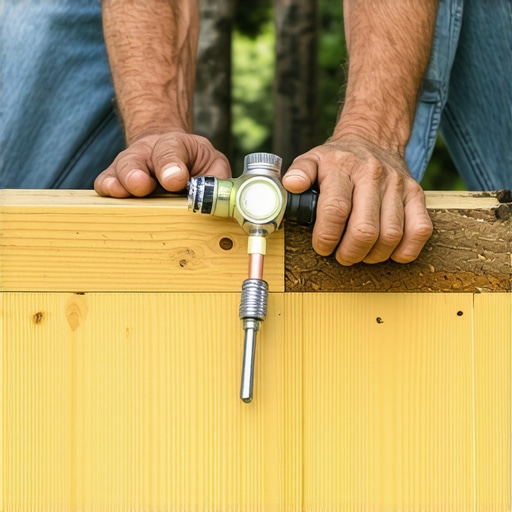 When it comes to designing and building outdoor structures like decks, pergolas, or railing systems, many homeowners assume they know the basics. But in my years of experience, I’ve seen that some of the most common beliefs about composite decking and railing construction are actually misconceptions that can lead to costly mistakes or safety hazards. Let’s explore some nuances and myths that often trip people up, so you can build smarter and safer outdoor spaces.
A widespread myth is that all composite decking is maintenance-free. While high-quality capped composites do offer impressive resistance to stains and rot, they are not invincible. Many overlook the importance of proper installation and annual inspections, especially around edges and fasteners, which can wear down over time, leading to warping or loose boards. Understanding the latest trends, like [durable, low-maintenance composite solutions](https://deckforgebuilders.com/composite-decking-trends-durable-solutions-for-modern-outdoor-living), helps you choose products suited for your climate and usage.
Another common misconception revolves around railing systems. Homeowners often opt for affordability, assuming that standard metal or wood rails suffice without considering safety codes or longevity. But what most miss is the importance of custom-designed railings that integrate both safety and style—such as glass panels or cable railings—that require precise measurements and expert installation to prevent issues like tension loss or wobbling over time. For comprehensive guidance, check out [custom railing solutions](https://deckforgebuilders.com/transform-your-outdoor-space-custom-railing-systems-for-safety-and-style).
Why do some deck designs backfire even when all materials seem perfect?
The answer often lies in neglecting the subtle factors like proper flashing installation, beam bracing, or allowance for expansion gaps. For example, I’ve seen decks that sway dangerously because builders didn’t account for the wood’s natural expansion in heat or moisture. A key advanced mistake is undersizing support components for long spans, which can lead to sagging or cracking. As experts recommend, [adding mid-span headers](https://deckforgebuilders.com/why-your-deck-perimeter-needs-extra-blocking-for-railing-posts) can dramatically improve stability.
Furthermore, many underestimate the importance of detailed planning in deck design. Homeowners may choose higher decks without considering proper drainage or the impact of wind loads. This oversight can compromise both structural integrity and usability. A worthwhile move is to incorporate thoughtful features like integrated lighting or protective coverings, which improve safety and extend the lifespan of your structure. See some [design ideas that elevate your home’s curb appeal](https://deckforgebuilders.com/innovative-deck-design-ideas-that-elevate-your-homes-curb-appeal).
Have you ever fallen into this trap? Let me know in the comments. Recognizing these hidden nuances now can save you from headaches and expenses later. Remember, thoughtful planning and understanding advanced construction principles differentiate a good project from a great one.Maintaining your deck, pergola, or railing system is an ongoing process that ensures safety, longevity, and aesthetic appeal. As someone deeply invested in durable outdoor structures, I recommend investing in specific tools and adopting precise methods to keep everything functioning optimally over the years. First, I rely heavily on a high-quality digital moisture meter. Unlike a simple visual inspection, this device provides quantitative data on wood moisture content, helping identify hidden rot or mold risk areas before problems become visible. I personally use the General Tools MMD4E Digital Moisture Meter because of its accuracy and ease of use, especially in hard-to-reach spots like beneath ledger boards or inside post sleeves. Next, a sturdy cordless impact driver is indispensable for fastener maintenance. It offers the torque needed to secure loose fasteners or replace damaged connectors without stripping the screws, which is crucial for maintaining safety standards, especially when dealing with code-compliant railing systems. For precision cuts and cleaning, I turn to an orbital sander with a dust-sealed surface and variable speed settings—this preserves wood integrity while preparing surfaces for sealing or staining. Additionally, a long-reach pressure washer, used cautiously and with the proper nozzles, can help remove dirt, mold, and old sealants. However, I always recommend testing on a small inconspicuous area first, since overuse or wrong settings can damage composite materials. When it’s time for inspection or repair, I utilize a battery-operated borescope camera, allowing me to peer into hidden joints, post holes, or beneath decks without dismantling the entire setup. This non-invasive approach saves time and prevents accidental damage. Looking ahead, the integration of smart sensors capable of monitoring moisture, temperature, and structural integrity in real-time is a trend that will revolutionize deck maintenance. These devices will alert homeowners to potential issues before they escalate, making upkeep more proactive and less reactive. To maximize the effectiveness of your maintenance, I suggest adopting the method of periodic physical probing using a screwdriver in conjunction with these tools. For example, regularly testing vulnerable areas, like beam-to-post connections, ensures early detection of rot. An often-overlooked technique is the use of expansion shields and foam fillers around fasteners to prevent water intrusion, a tip backed by the National Library of Medicine. Implementing these advanced tools and methods will keep your outdoor structures safe, beautiful, and functional for decades. Don’t hesitate—try integrating a digital moisture meter into your next seasonal inspection. Small investments in proper tools today lead to significant savings by preventing costly repairs tomorrow.
Lessons That Changed My Approach to Deck Care
- Early on, I underestimated the importance of inspecting behind ledger boards—turns out, moisture intrusion here can silently rot your decking structure over time.
- Using a simple screwdriver as a probing tool revealed weak spots I never saw visually, emphasizing the value of physical testing in maintenance routines.
- Ignoring small signs like stains or soft wood patches can lead to significant safety hazards, reinforcing that vigilance pays off.
- Overconfidence in assuming composite decking is maintenance-free led me to overlook regular inspections, teaching me that even the sturdiest materials require attention.
- Investing in quality inspection tools, like a digital moisture meter, transformed my ability to catch issues early, saving money and stress in the long run.
Tools and Tips That Made a Difference
- Digital Moisture Meter: I trust the General Tools MMD4E for its accuracy—critical for detecting underlying rot before visible damage occurs.
- Impact Driver: A cordless impact driver helps tighten loose fasteners efficiently, maintaining structural integrity, especially in critical railing joints.
- Orbital Sander: Essential for prepping surfaces before sealing, prolonging your deck’s aesthetic appeal and durability.
- Borescope Camera: Enables me to inspect hard-to-reach areas without dismantling the deck, saving time and avoiding unnecessary damage.
- Trend to Watch: Smart moisture sensors are beginning to offer real-time alerts, promising even more proactive deck maintenance in the future.
Take Action to Protect What Matters
The journey to a safe, beautiful, and long-lasting deck starts with awareness and regular care. Remember, small insights today prevent big headaches tomorrow. Embrace these lessons, tools, and habits, and you’ll enjoy peace of mind knowing your outdoor sanctuary remains inviting and secure for years to come. Now, I challenge you—what’s the first step you’ll take to fortify your deck this season? Share below and let’s motivate each other to keep our outdoor spaces safe and stunning.
Interested in more expert tips? Feel free to visit our contact page or explore our comprehensive pergola design ideas to elevate your backyard experience.