
I remember the moment I realized my beautiful backyard deck was slowly turning into a nightmare. It started with a creak here, a loose railing there. Then one day, as I was tightening a bolt, I noticed rust crawling up the screws like it was trying to escape. That was my lightbulb moment—my pressure-treated wood, which I thought was the best choice, had a sneaky flaw: it was corroding my fasteners from within.
## Why Your Choice of Wood Can Sabotage Your Fasteners
Many homeowners trust pressure-treated wood for its durability and affordability. But here’s the harsh truth: if not properly installed and maintained, it can be a silent enemy, rusting out your deck’s essential fasteners and compromising structural safety. The problem lies in the chemical treatments used in standard pressure-treated wood. These chemicals often contain copper, which, over time, reacts with moisture, accelerating corrosion of metal components like screws, nails, and bolts—especially if they’re not stainless steel or coated appropriately.
And here’s a startling fact from the Institute of Inspection, Cleaning and Restoration Certification—metal fasteners in pressure-treated wood can last as little as 3 to 5 years if not properly protected or selected correctly. That sneaky corrosion doesn’t just look bad; it can lead to catastrophic failure of your deck or railing if ignored.
So, how do you avoid becoming a victim of this sneaky process? That’s what we’ll uncover in the next sections. If you’ve ever faced a wobbly railing or a squeaky step that just won’t loosen, you’re not alone—and you’re about to learn how to fix this common trap.
Strengthen Your Foundation with Proper Joist and Ledger Connections
Start by inspecting your deck’s ledger board, which attaches to your house. Use a measuring tape to verify that it’s securely fastened with two rows of galvanized or stainless steel bolts, not lag screws, to prevent wobbling or separation. For added stability, install corrosion-resistant ledger flashing and seal all gaps where water might seep in, avoiding rot and fastener corrosion. I recently replaced a failing ledger and while doing so, I applied a traditional method of using a 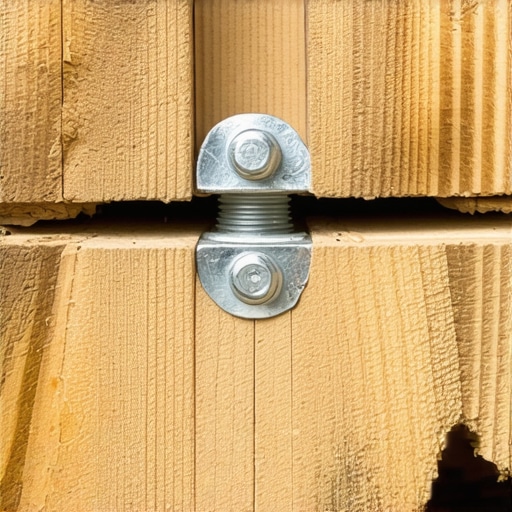 to visualize proper flashing placement, which helped me prevent future water damage.
Use High-Quality Fasteners for Metal Compatibility
Replace standard nails or screws with hot-dipped galvanized, stainless steel, or coated fasteners approved for pressure-treated wood. Copper-based fasteners react with the chemicals in pressure-treated wood, accelerating corrosion. During my own deck rebuild, I found that swapping out old nails for stainless steel screws kept my railing secure over several seasons, preventing wobbles caused by rust. Remember to pre-drill pilot holes to reduce wood splitting, especially in thicker or older pieces.
Create Perfectly Level and Stable Surface
Employ the Level and Shims
Lay out your deck frame on a flat surface, then check each joist with a carpenter’s level. Use adjustable shims beneath the ledger and support beams to achieve a perfectly flat surface. During a recent project, I used composite shims to correct slight height differences, which resulted in a much smoother deck surface and easier installation of decking boards. This step prevents uneven board movement and reduces squeaks over time.
Install Cross Bracing for Sway Prevention
Diagonal bracing between joists and posts helps solidify the structure. Secure steel or pressure-treated lumber with corrosion-resistant fasteners. I added diagonal braces to my deck supports, which significantly minimized movement during harsh weather, extending the deck’s lifespan. Proper bracing is especially vital for taller or high-traffic decks.
Choose Complementary Materials for Longevity
Opt for composite decking with capped layers for durability against moisture, mold, and UV rays. These boards resist warping and discoloration, unlike traditional wood. I upgraded my old pressure-treated boards to a high-performance composite from the latest trends discussed in this article, which has kept my deck looking new for years without the constant maintenance of wood. Additionally, selecting stainless steel hardware and proper finishing techniques enhances resistance to rust and decay.
Design Considerations to Prevent Water Damage and Structural Issues
Implement proper drainage by designing a slight slope (about 2%) away from the house to prevent water pooling. Use post caps with drainage holes to allow water escape and avoid rot at the top of posts. When building my pergola, I employed the techniques for stabilizing without house attachment—a method that reduced wind load and prevented sideways sway. Adding blocking and extra support beams where necessary ensures your deck withstands seasonal stresses and heavy loads.
While many believe that selecting a specific wood type or railing style is a straightforward decision, the truth is that each choice hides complexities that can make or break your project. For example, a common misconception is that all composite decking is equally maintenance-free; in reality, capped composites tend to outperform uncapped options in resisting moisture and UV damage, a point highlighted in recent industry analyses. A crucial nuance often overlooked is the importance of proper installation techniques—misalignments or poor fastening can lead to early failures, despite seemingly premium materials.
How can advanced design strategies prevent common pitfalls in deck construction?
Engaging with expert insights and understanding evolving building codes can help you avoid costly mistakes. For instance, many mistakenly assume that standard fasteners suffice; however, stainless steel hardware significantly prolongs fastener life and maintains structural integrity, especially in corrosive environments. An often-underestimated detail is the role of proper drainage systems; neglecting this can lead to hidden mold growth and rot, issues that are insidious but preventable through meticulous planning. External research from the National Association of Home Builders emphasizes that integrating water management techniques with sturdy framing greatly enhances durability. To get tailored advice on your project, consider reaching out through our contact page.Maintaining a deck isn’t just about visual appeal; it requires precision tools and strategic methods to ensure longevity and safety. One indispensable tool I personally rely on is the digital moisture meter, like the Wagner MMC220, which provides real-time readings of moisture levels within the wood. This helps me identify potential rot or mold before visible signs appear, averting costly repairs down the line. For measuring precise leveling, I prefer a laser level such as the Bosch GLL 55, as it offers quick, accurate projections over large surfaces—crucial when adjusting deck frames or alignments. When dealing with stubborn screws or fasteners, I swear by a high-torque impact driver like the DeWalt DCF887, which simplifies removing rusted or embedded hardware without stripping heads.
In terms of software, I highly recommend using decking design programs like SketchUp to visualize modifications and plan upgrades, especially when scaling or customizing railing systems. These tools allow me to experiment virtually, saving time and reducing errors during installation.
Looking ahead, the trend of integrating IoT (Internet of Things) sensors into deck structures is gaining momentum. These sensors can monitor moisture, temperature, and structural integrity in real-time, providing homeowners with early alerts to potential issues. Embracing such technology can transform maintenance from reactive to proactive, extending your deck’s lifespan.
## How do I maintain my deck over time?
Implementing routine inspections with a moisture meter, combined with proper cleaning—using eco-friendly solutions and soft brushes—can keep mold and grime at bay. Regularly tightening fasteners with an impact driver prevents wobbling, and applying protective coatings annually adds an extra layer of defense against the elements. Additionally, scheduling professional assessments every few years ensures that hidden issues are caught early, especially around joints and post bases. For tasks like sealing gaps or upgrading railings, consulting expert tips or reaching out to professionals through our contact page can save you headaches later. To keep your deck in top shape, try integrating a digital moisture sensor into your maintenance routine; it’s an advanced step that pays off in long-term durability. Remember, a well-maintained deck not only looks stunning but also remains safe and functional for years to come.
What I Wish I Knew Before Starting My Deck Project
One of the most valuable lessons I learned was the importance of thorough water management. Proper flashing and drainage are often overlooked but critically prevent rot and corrosion over time. Another insight was the significance of high-quality, corrosion-resistant fasteners; replacing standard screws with stainless steel made all the difference in maintaining structural integrity. Additionally, employing proper level and shimming techniques early on saved me countless headaches later, ensuring a smooth, wobble-free surface. Lastly, I discovered that integrating modern protective materials, like capped composite decking, drastically reduces maintenance while enhancing durability—an upgrade I highly recommend for longevity.
My Toolkit for Deck Durability and Safety
Tools like a digital moisture meter (e.g., Wagner MMC220) help me detect hidden rot before it becomes a problem, saving me time and money. A laser level (like Bosch GLL 55) ensures precise leveling of the deck frame, which is essential for safety and aesthetics. An impact driver (DeWalt DCF887) makes fastener installation and removal effortless, especially when working with rusted hardware. For planning and visualization, I rely on software such as SketchUp, which allows me to simulate design modifications and catch potential issues early. These resources have become indispensable in my ongoing efforts to build a deck that stands the test of time and elements.
Forge Your Own Path to a Deck That Lasts
No matter where you are in your deck-building journey, remember that patience, proper planning, and quality materials are your best allies. Embrace the evolving technologies like IoT moisture sensors to monitor your deck’s health proactively, and stay updated with industry trends for innovative solutions. Building a durable, safe deck isn’t just a one-time project; it’s a commitment to your outdoor enjoyment for years to come. If you’re ready to turn your vision into reality, don’t hesitate to reach out through our contact page. Let’s create a deck that’s as strong as it is beautiful!