
I remember the exact moment I realized I was doing it all wrong. I was midway through framing a new deck, eyeballing the stair stringers, trying to make everything look perfect. But no matter how carefully I measured, my steps ended up uneven, and my excitement quickly turned into frustration. Frustration that often accompanies DIY projects, especially when you’re staring at a complicated staircase layout and thinking, “There has to be an easier way.”
The Lightbulb Moment That Changed Everything
One weekend, while wandering through my local hardware store, I stumbled upon a simple, inexpensive tool that caught my eye — a $20 stair stringer calculator. At first, I was skeptical. Could a small gadget really be the magic bullet for perfect stair stringers? But after giving it a shot, I discovered it was the game-changer I desperately needed. It made the math ridiculously simple, allowing me to lay out accurate cuts without the usual guesswork or complicated math.
That tiny investment paid off multiple times over. Now, I can craft stairs with confidence, knowing they’ll be safe, sturdy, and visually proper. Plus, the time I save these days is invaluable—I no longer spend hours recalculating or fixing errors. Instead, I focus on the fun part: building and creating a space I love.
What’s the Big Deal About this Tool?
You might wonder if such a small, inexpensive device is truly worth your attention. Well, let me tell you—that little tool automates all the crucial measurements for stair stringer angles and cuts, which can be notoriously tricky. It ensures each step is level and consistent, reducing waste and errors. The best part? It’s straightforward enough for beginners but precise enough for seasoned DIYers.
And let’s be honest, we’ve all made mistakes—early on, I ignored some fundamental measurement principles, leading to wobbly stairs and endless adjustments. Trust me, learning from those blunders is part of the journey, but investing in simple tools like this makes the process much smoother and more enjoyable.
If you’re tired of second-guessing your measurements or ending up with stairs that look wonky, stick around. I’ll walk you through exactly how this tool works and how it can save your project—and maybe your sanity.
If you’ve faced these frustrations, you’re not alone. Creating perfect stair layouts is a common challenge among DIYers. Luckily, the solution is more accessible than you think. Ready to get precise and confident with your stair stringers? Let’s dive into how this little tool can make a big difference, transforming your approach to deck-building and stair construction.
Start with Precise Measurements
Before making any cuts or installing components, double-check your measurements using your stringer calculator. During a recent project, I marked my stair stringers, then verified measurements twice—once with my tape measure, and once with the calculator—avoiding costly errors. This simple step ensures the foundation of your deck is solid.
Mark Your Cut Lines Clearly
Use a chalk line to draw your cut lines on the stringers, following your measurements meticulously. I once used a pencil, but the chalk line proved sharper and more visible across the rough-cut wood, making for accurate cuts later. Remember, clarity is key to avoiding miscuts.
Cutting with Confidence
Secure your stringers firmly to prevent slipping. Use a fine-tooth saw for cleaner cuts, and cut slowly to maintain accuracy. I employed a leftover piece of wood as a guide when making angled cuts, which helped keep my lines straight, even if my initial attempts were messy. Safety glasses are a must—never compromise on eye protection.
Smoothing Cut Edges
After cutting, sand down rough edges with a medium-grit sandpaper. This prevents splinters and ensures a smooth surface for closer fitting. I learned this the hard way when a splinter caused a minor injury—better to take the time now than deal with injuries and imperfections later.
Assembling Your Deck Frame
Use a framing square to ensure your deck’s frame is properly aligned. During assembly, I found that measuring diagonals and adjusting until they match prevented a skewed structure. Quick tightening of bolts and screws—without over-tightening— preserves materials and prevents warping.
Installing Railings Securely
Railing systems add safety and style. Mount posts to the deck using extra blocking and rated hardware, following local code guidelines. I once installed a railing without proper blocking, which resulted in instability; reinforcing posts with extra blocking made everything feel sturdier and more durable.
Using the Right Fasteners
Choose corrosion-resistant fasteners suitable for your materials—galvanized or stainless steel for outdoors. I mistakenly used cheaper nails initially, which rusted prematurely; switching to better fasteners preserved the appearance and safety of my deck over time.
Managing Expansion Gaps
Leave appropriate gaps between decking boards to accommodate expansion. I filled gaps with spacers during installation, preventing buckling under temperature changes. For long runs, consult [the secret to hiding expansion gaps](https://deckforgebuilders.com/the-secret-to-hiding-expansion-gaps-in-long-deck-runs) for professional tips.
Final Checks and Adjustments
Before finishing, walk across your deck, testing for stability. Tighten any loose screws and ensure all connections are secure. I noticed a slight wobble in my handrail post, which I fixed by adding extra support—this last step ensures safety and longevity.
Protect and Finish Your Deck
Apply a weatherproof sealant or stain suitable for your decking material. I used a semi-transparent stain, which enhanced the wood grain and provided UV protection. For composite decking options and trends, visit this guide.
By following these detailed steps, your deck will not only look professional but stand the test of time. Precision, patience, and proper materials are your best tools for success—so take your time with each step, and don’t rush through the core processes that define your project’s integrity.
Level Up Your Backyard Space
Once your deck is complete, consider adding [custom railing systems](https://deckforgebuilders.com/transform-your-outdoor-space-custom-railing-systems-for-safety-and-style) for both safety and style. Think about integrating a pergola for shade or modern lighting for ambiance. Curious how to create a seamless outdoor experience? Explore these pergola designs for inspiration. With attention to detail and purposeful planning, your backyard oasis is within reach—start building and enjoy the process.When it comes to building or upgrading your outdoor space, many DIY enthusiasts and even seasoned homeowners fall prey to oversimplified assumptions about railing systems, composite decking, and pergolas. Let’s dispel some myths and uncover nuanced truths that can make or break your project’s success.
Does Everyone Really Get Railing Heights Wrong? Think Again.
Many believe that adhering strictly to local building codes suffices for railing heights, but overlooking the importance of continued functionality and aesthetics can lead to wobbly supports and safety concerns. For example, the common rule of thumb—42 inches for residential decks—may not account for user comfort or stylistic preferences. An advanced mistake is ignoring the impact of post spacing on overall stability, which becomes evident when heavy wind loads or active children come into play. Strategically, integrating custom railing systems can enhance both safety and style, but only if you understand the underlying structural nuances rather than just code minimums. Check out this guide for expert insights.
Composite decking isn’t just about choosing any pattern or color—many get confused about the actual durability benefits. Some assume that cheaper, un-capped composites are equally maintenance-free as premium capped options. In reality, un-capped boards tend to absorb moisture and dirt, leading to faster degradation and discoloration, especially in shaded or high-moisture areas. A common trap is neglecting the importance of surface coatings and manufacturing quality—these hidden factors greatly influence lifespan. For those aiming for longevity, opting for the latest composite trends ensures your investment withstands the test of time. Don’t overlook the significance of proper installation—fastener selection and spacing can make or break your deck’s appearance and durability.
Perplexed About Pergola Maintenance? You’re Not Alone
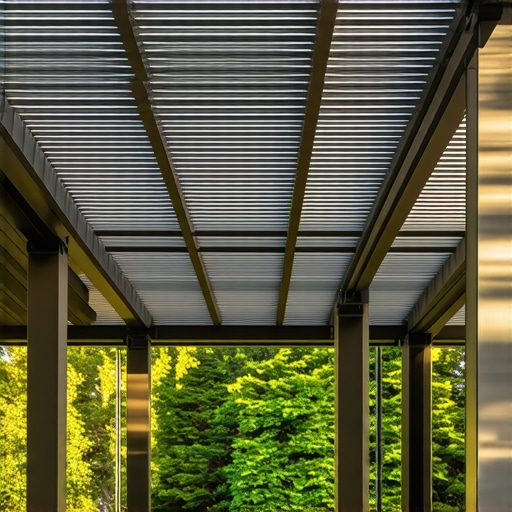
A frequent oversight is underestimating the complexities of pergola design—many see it purely as aesthetic framing, not realizing the deeper structural and environmental factors. For example, choosing the wrong joint connections or not accounting for wind sway can lead to long-term instability. Additionally, overlooking the importance of proper tension in louvers or canopy systems often results in sagging or distortion. Advanced homeowners understand that materials matter: aluminum and fibreglass are often more durable than wood in wind-prone areas, but they require precise assembly techniques. Integrating features like design considerations for weather resistance can make a significant difference. Have you ever fallen into this trap? Let me know in the comments.
Keeping It Working: Essential Tools and Maintenance Strategies
Achieving a stunning and durable outdoor space isn’t a one-and-done task. Regular maintenance, coupled with the right tools, ensures your deck, pergola, or railing system remains safe and attractive for years to come. Personally, I rely heavily on a few specialized tools that make maintenance manageable and even enjoyable. One such tool is the cordless oscillating multi-tool. Its versatility allows me to perform tasks from sanding rough spots and removing old sealant to cleaning tight corners around railings, saving time and reducing the need for multiple gadgets. For more detailed repairs, I turn to a digital moisture meter, which helps identify hidden rot or areas prone to decay, especially crucial when dealing with pressure-treated wood that can warp or rot unnoticed over time.
When it comes to cleaning, I swear by eco-friendly white vinegar solutions. They are gentle yet effective for removing algae and dirt buildup without damaging your finish. Having the right brushes, like stiff-bristled scrub brushes for composite surfaces, keeps your deck looking fresh without scratching the material. To protect your investment, regular inspections using a flashlight and a handheld mirror can reveal less visible issues like loose fasteners or signs of initial corrosion.
What Tools Will Keep Your Deck in Top Shape Over Time?
Investing in a quality power washer designed for delicate surfaces allows you to refresh the appearance of composite decking without risking warping or damage. However, always follow the manufacturer’s recommendations—never use high-pressure settings that can gouge the material, as detailed in this guide. Additionally, a drip-free caulking gun speeds up sealing joints and cracks, preventing water intrusion that could lead to long-term deterioration. For ongoing upkeep, weekly visual inspections combined with these tools can pre-empt bigger issues.
Predicting the Future of Outdoor Maintenance
As materials evolve, so will maintenance techniques. Expect to see more smart sensors integrated into wooden and composite surfaces that alert homeowners to moisture levels or structural stress in real time. The trend toward long-lasting, low-maintenance composites will continue, but even these require periodic checks. Embracing technology now will make scaling your outdoor projects more manageable in the future.
How do I maintain my railing systems to ensure safety and longevity?
To keep your railing systems in optimal condition, periodically check for loose or corroded fasteners, and tighten or replace them as needed. Applying a coat of weatherproof sealant every few years can prevent wood rot and corrosion in metal posts. For composite railings, inspecting connection points with a wrench helps catch hidden issues before they escalate. Remember, proper maintenance extends beyond the initial installation—it’s an ongoing process that preserves safety and aesthetics. Consider reviewing this resource for detailed steps on reinforcing your railing supports if you notice wobbles or instability. Ready to take your railing maintenance to the next level? Try tightening your fasteners with a torque wrench for precision, and see how this simple step can dramatically improve safety and durability.
What I Didn’t Expect About Railing Heights and Safety
One of the biggest surprises was realizing that following building codes isn’t always enough; understanding the purpose behind those standards has been crucial. For example, I used to think that a 42-inch railing was universally safe, but after encountering wind loads and active families, I learned that customizing height and support spacing can prevent future wobbliness. This insight pushed me to explore custom railing systems that combine safety with style, making my deck more comfortable for everyone involved.
How Skimping on Materials Usually Costs More
Early in my deck projects, I underestimated the importance of quality fasteners and materials, opting for cheaper options to save a few bucks. That led to rust, warping, and frequent repairs. It wasn’t until I invested in durable composite decking and corrosion-resistant fasteners that I saw the difference—long-term savings and peace of mind. Choosing the right materials isn’t just about aesthetics; it’s about creating a lasting outdoor space that withstands weather and heavy use.
Making Pergola Maintenance Less Painful—A Personal Breakthrough
I used to dread cleaning and maintaining my pergola, thinking it was a tedious chore. Then, I discovered the importance of selecting weather-resistant materials like aluminum, and I found that simple design tweaks—like proper joint connections and tensioning—can greatly reduce sagging. For ongoing ease, I now incorporate design principles that enhance durability, turning my pergola into a long-lasting feature rather than a maintenance headache. Small changes make a big difference when it comes to outdoor furniture and structural longevity.
Lessons That Changed How I Approach Deck Design
One pivotal lesson was realizing the value of precise measurements and the right tools. For instance, I once tried to cut corners by eyeballing my joist spacing, leading to uneven support and creaky boards. After implementing the 4-foot rule for joist support and using a quality measuring tool, my decks became much sturdier and safer. Attention to detail, especially in layout planning, transforms a good-looking deck into a professional-grade masterpiece.
Curated Resources to Level Up Your Outdoor Living
- Composite Decking Trends: For the latest in durable and low-maintenance materials, I highly recommend browsing this resource. It’s helped me select options that balance beauty and longevity.
- Custom Railing Solutions: Designing safe and stylish railings is easier with this guide. It offers expert tips that I’ve applied to my projects, ensuring stability and elegance.
- Pergola Design Inspiration: To create a sanctuary in your backyard, check out these inventive pergola ideas. They’ve inspired me to add shade and structure that last for years.
- Maintenance Tools and Strategies: Keeping my deck in top shape is easier with tools like a cordless oscillating multi-tool and moisture meters. For continuous upkeep, this resource has practical maintenance techniques that save time and prevent damage.
Your Turn to Build with Confidence
The journey to a stunning, durable outdoor space is filled with lessons—many learned the hard way, but all worth it in the end. Embrace the process, trust your tools, and don’t shy away from customizing your project to suit your needs. With the right knowledge and resources, you can turn your backyard into a personal sanctuary that stands the test of time. So, are you ready to take your deck or pergola project to the next level? Share your plans below or ask any questions—I’d love to hear about your upcoming outdoor adventures.
,