
Have you ever scrubbed your beautiful new deck with bleach, only to find the colors fading faster than you expected? I once believed that bleach was the magic solution to stubborn stains and mold. I watched my once vibrant surface turn dull, warped, and barely recognizable after a few harsh cleanings. That lightbulb moment hit me hard—bleach wasn’t helping my deck; it was damaging it.
Protect Your Deck by Understanding What Truly Causes Damage
In my early projects, I thought that heavy-duty cleaners like bleach were the way to maintain a pristine outdoor space. Instead, I was unintentionally stripping away the protective layers that keep modern decking looking fresh and new. Modern deck surfaces, especially composite materials and sealed wood, are designed to withstand the elements—but only if you treat them right. Using the wrong cleaning products can open the door for moisture infiltration, mold growth, and premature wear. According to the National Park Service, harsh chemicals can break down surface seals and leave your deck vulnerable to decay.
Is Bleach Actually Worth the Hype?
Honestly, I used to think that bleach was a miracle cleaner, perfect for tackling mold and grime. But my mistake was applying it without considering the material’s specific needs. I learned the hard way that bleach can discolor, weaken, and degrade composite and wood surfaces over time. If you’ve faced similar frustrations, you’re not alone. But don’t worry—we’re about to explore effective, safe alternatives that will keep your deck looking stunning without risking damage.
That said, transitioning away from harmful chemicals will not only prolong the lifespan of your deck but also keep your outdoor space safer for your family and pets. Ready to swap out harsh cleaners for smarter solutions? Let’s dive into the secrets that professionals use to preserve modern deck surfaces and make them last for years to come.
Start With a Thorough Inspection and Cleaning
Before applying any cleaning solution, walk around your deck and look for signs of damage or wear. I once noticed loose railing posts that could have worsened if left unchecked. Use a stiff-bristled brush and a garden hose to remove loose dirt, debris, and mold. Avoid harsh chemicals like bleach at this stage, as they can weaken your deck’s surface. Instead, opt for a gentle cleaner suited for your deck material—many manufacturers recommend specific products, or you can craft a natural solution with vinegar and water. Make sure to scrub all surfaces, including underneath railing systems and around stairs, for a comprehensive clean.
Choose the Right Cleaning Solution
The secret to preserving your deck lies in selecting cleaning agents that are effective yet gentle. For composite decking, I recommend low-pressure, biodegradable cleaners that won’t damage the surface. If there’s mold or algae, a mixture of water, mild detergent, and a bit of bleach alternative (like oxygen bleach) can work—just test a small area first. For cedar or other softwoods, avoid anything abrasive that could cause splintering or discoloration. Applying the cleaner with a pump sprayer ensures even coverage. Let the solution sit for 10-15 minutes to break down grime, then scrub with a soft brush. Rinse thoroughly with water, avoiding high-pressure washers which can damage the surface or force water into seams.
Address Structural Components Carefully
Once the surface is clean, evaluate the structural elements. Check joists, ledger boards, and post bases for signs of rot or rust. I once discovered a hidden rot behind a ledger board that was concealed by paint; a screwdriver easily revealed the softness. Use a flashlight and a screwdriver or awl to probe wood or metal parts. Replace any compromised components before proceeding with cosmetic treatments. Strengthening wobbly stair railings or loose posts now prevents future safety hazards. For example, installing blocking between joists enhances stability and helps distribute weight more evenly, preventing sagging.
Implement Protective and Maintenance Measures
After cleaning and repairs, applying a protective sealant is crucial—think of it as an armor layer for your deck. Modern sealants for composite and sealed wood decks repel water and resist UV damage. I once applied a semi-transparent stain that refreshed my tired-looking wood, making it look brand new. For composite decks, a dedicated cleaner with anti-gray formulas keeps colors vibrant. Regular maintenance—power washing once a year with a low-pressure system and inspecting for damage biannually—extends your deck’s life significantly. Adding gutter extensions or drainage mats can prevent water pooling, which often leads to warping or mold growth. Also, consider upgrading railing systems for safety and style, tying into the latest railing options that fit your aesthetic and safety needs.
Seasonal Care to Keep It Looking New
In autumn, clear fallen leaves promptly—damp organic matter accelerates rot. During winter, shield your deck with covers or clear tarps when heavy snow or ice is expected. I learned from a mistake: leaving snow to sit turned into ice, making the surface slippery and risking damage. In early spring, revisit your deck to clean off salts and deicing agents, which can corrode metal fixtures. Regularly check for loose fasteners and tighten or replace them as needed. Proper upkeep makes a tangible difference, letting your deck serve as a stunning centerpiece for years—just like the expertly crafted deck designs that elevate your home’s outdoor appeal.While many believe that selecting the right materials is enough for a stunning outdoor space, the truth is that common misconceptions about pergolas, composite decking, and railing systems can severely impact durability and aesthetics. One frequent myth is that all composite decking is maintenance-free; in reality, many fall prey to neglecting the importance of proper sealing and cleaning, which are crucial for longevity. Additionally, homeowners often underestimate the significance of designing for airflow and drainage, leading to mold and warping issues over time.
Is There a Smarter Way to Integrate Design and Functionality for Advanced Deck Projects?
Let’s challenge the notion that aesthetics should trump structural integrity. Combining stylish elements with sound engineering principles—such as proper post anchoring and load calculations—is essential. For example, incorporating diagonal bracing or mid-span support can be game-changers, making your deck resistant to sway and collapse, which is especially vital in areas prone to high winds. Expert insights, like those found in deck design strategies, reveal that innovative planning can elevate both safety and visual appeal. Moreover, many overlook that railing systems aren’t just decorative; they are structural components that demand careful selection to meet safety codes while complementing your overall style. Railing choices should account for the distance between posts, tension, and material compatibility to prevent rattling or failure under stress. A common mistake is installing railings as an afterthought, which can cause costly repairs or compliance issues later. To avoid this, consult trusted resources like composite decking trends and railing systems guide. By understanding these nuances and applying advanced planning, you’re not just building a deck—you’re creating a durable outdoor sanctuary. Have you ever fallen into this trap? Let me know in the comments.
Keeping your deck in top shape over the years requires not only the right mindset but also the proper tools and methods. Having invested in quality composite decking and stylish railing systems, I learned early on that maintenance isn’t just about aesthetics—it’s about ensuring longevity and safety. With the right equipment, you can significantly reduce wear and extend the lifespan of your outdoor space.
Why I Swear by a Low-Pressure Power Washer
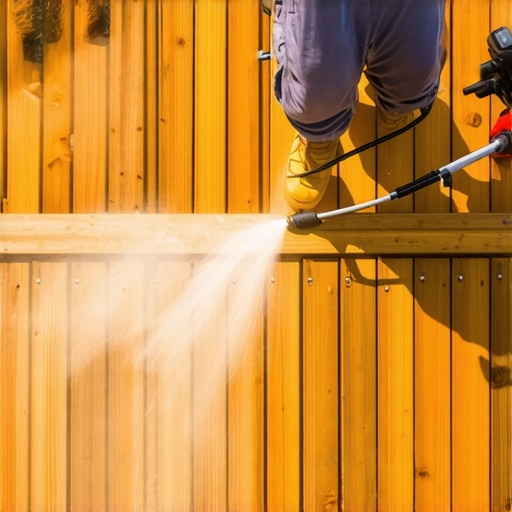
When it comes to cleaning, I rely on a low-pressure, biodegradable power washer. Unlike high-pressure variants, which can gouge out fibers or seam caulking, a gentle spray removes dirt without damaging the surface. I use my pressure washer at around 500-600 PSI, carefully maintaining a consistent distance of about 12 inches from the surface. This method effectively clears grime and mildew, preparing the deck for sealing and preventing issues like mold growth as highlighted in composite decking tips.
An Irrigation System That Works Smarter, Not Harder
Monitoring moisture levels is crucial, especially for wood elements like pergolas and traditional railing posts. I endorse a smart soil moisture sensor system that connects to my smartphone, alerting me when certain areas need watering or drying out. This prevents overwatering, which can lead to rot, and under-watering that causes cracking. With future trends leaning toward integrated IoT devices, adopting intelligent watering aids for your deck can save time and protect your investment.
Why I Prefer a Digital Inspection Camera
Invisible rot behind joists or posts is a common problem that can lead to catastrophic failure if unnoticed. I keep an inspections camera with a flexible, waterproof probe in my toolkit. It allows me to peer into hard-to-see areas underneath the deck framework without dismantling anything. Regular inspections with this tool have caught early signs of decay, saving me hundreds in repair costs. Visit pressure washer warnings to understand what not to do during routine cleaning.
Investing in Quality Fasteners and Sealants
Over time, even the best treated wood and composite materials need sealing. I recommend using corrosion-resistant fasteners such as stainless steel or silicone-coated screws for railing systems. Additionally, applying a high-quality, UV-resistant sealant annually fortified my deck against weathering. Technologies are evolving, with some sealants now offering anti-mold formulations—an evolution I predict will dominate future decking care. Long-term maintenance strategies emphasize using advanced materials that resist environmental stress.
What’s Next in Deck Maintenance Tools
Looking ahead, I believe the integration of automation—such as robotic cleaners and AI-powered inspections—will revolutionize deck upkeep. These innovations will give homeowners like us more control, fewer chores, and peace of mind. For now, I challenge you to try an advanced cleaning tip: use your pressure washer at lower PSI with a wide spray pattern, and then follow up with a detailed inspection using an inspection camera. Doing so can prevent costly repairs and preserve your deck’s beauty for decades.
Maintaining your deck’s structural integrity and aesthetic appeal is a continuous journey. Equipped with these trusted tools and methods, you’re better prepared to tackle long-term challenges. The future of deck care is bright, with innovations making upkeep easier and more effective.
Lessons from My Deck Building Mishaps
- One major realization was that the smallest oversight, like neglecting drainage, could lead to long-term damage—simple fixes save big headaches later.
- I’ve learned that materials—no matter how high quality—need tailored maintenance; generic cleaning products can cause more harm than good.
- Sealing isn’t a one-and-done task; consistent checks and reapplications preserve beauty and safety, especially in variable climates.
- Perfection in design comes with planning—investing time into layout and structural planning pays off with a durable, stunning outdoor space.
- Listening to professional insights and not just DIY tips from online forums helped me avoid costly mistakes—trust expert advice to truly maximize your deck’s lifespan.
My Armory for Long-Lasting Outdoor Living
- Oxygen bleach solutions for gentle, effective cleaning—trusted by industry pros for mold and stain removal.
- High-quality sealants that resist UV and mold—your deck’s armor against the elements.
- Low-pressure power washers—my go-to for cleaning without damage—ensures thorough results without harming materials.
- Smart moisture sensors—saving me time and preventing rot—help monitor exactly where and when to water or dry.
- Inspections cameras—for hidden issues—spot early signs of decay behind posts or within joist spaces before it’s too late.
Your Next Step Toward Outdoor Excellence
Building and maintaining a pergola or deck isn’t just about aesthetics—it’s about creating a safe, enduring outdoor haven that you and your loved ones can enjoy for years. Embrace the lessons learned, equip yourself with trusted tools, and don’t shy away from seeking expert guidance. Your perfect outdoor retreat is within reach—start today and let your outdoor space tell your story of care and craftsmanship.
What’s been your biggest lesson or challenge when upgrading your outdoor space? Share below and let’s learn together!
Thank you for trusting me to share these insights on caring for your pergola, composite decking, and railing systems. Here’s to building outdoor spaces that stand the test of time and delight for generations to come.