
It was a chilly evening, and I was descending my deck stairs after a barbecue. The dim lighting cast shadows, making the uneven steps look like harmless bumps. Suddenly, I misjudged a step and nearly took a tumble. That lightbulb moment hit hard—proper lighting isn’t just about aesthetics; it’s about safety, especially around those tricky stairs. Ever found yourself in a similar situation, realizing that your deck lighting isn’t quite doing the job? If so, you’re not alone. Today, I want to share a simple yet crucial guideline I discovered early on: the 3-Inch Rule for Installing Safer Deck Stair Lighting. This small detail has made a huge difference in preventing accidents and giving me peace of mind.
Why Small Details Make a Big Difference in Deck Safety
When designing or upgrading your outdoor space, it’s easy to get caught up in the visual appeal—the choice of deck boards, stylish railings, or a beautiful pergola. But safety always comes first, especially when it involves stairs, which are statistically the most dangerous part of any deck. Studies show that falls on stairs are among the leading causes of injuries in home outdoor spaces. That’s why paying attention to how you light those stairs can significantly reduce the risk. Early in my deck-building journey, I overlooked the importance of proper stair lighting. I thought a few flickering solar lights would suffice. Big mistake. Not only did they provide inadequate illumination, but I also learned that the placement and height of the lights matter immensely.
In my experience, adhering to established safety standards can be the difference between a beautiful outdoor setup and a hazardous one. The National Safety Council emphasizes the importance of lighting in reducing trip hazards around your home. It turns out that light placement within the critical zone—roughly three inches from the edge of each step—is a game-changer. This is what the professionals refer to as the ‘3-Inch Rule.’ Understanding and applying this rule in your lighting design ensures every step is visible, reducing missteps and accidents.
Now that I realize how crucial this small detail is, let’s explore what exactly the 3-Inch Rule entails and how you can implement it effectively. But before diving into the practical steps, let me address a common concern I had early on—”Is this really necessary?” If you’ve ever thought that, you’re not alone, and yes, it truly makes a difference.
Ready to learn how to make your deck safer without overhauling the entire design? Keep reading, and I’ll guide you through simple tips and expert insights to get your lighting just right.
Set Your Lighting Goals
Start by visualizing how you want your stairs to look at night. Identify the most trafficked steps and note where lighting gaps exist. Remember, the goal is to illuminate each step edge clearly, reducing trip hazards. During my project, I marked the edges with chalk to plan precise light placement.
Choose the Right Light Fixtures
Select fixtures designed for outdoor stair lighting—terrain-compatible LED step lights work best. Opt for low-voltage lighting systems for safety and energy efficiency. I opted for in-ground LED fixtures because they blend seamlessly with my deck’s style and provide focused illumination.
Maintain the 3-Inch Distance
Position each light so it’s within three inches of the outer edge of the step tread. This ensures sufficient light coverage where it matters most. To achieve this, I used a measuring tape and a level to mark exact spots. It can be messy, but accurate placement makes a big difference in safety.
Insert Image
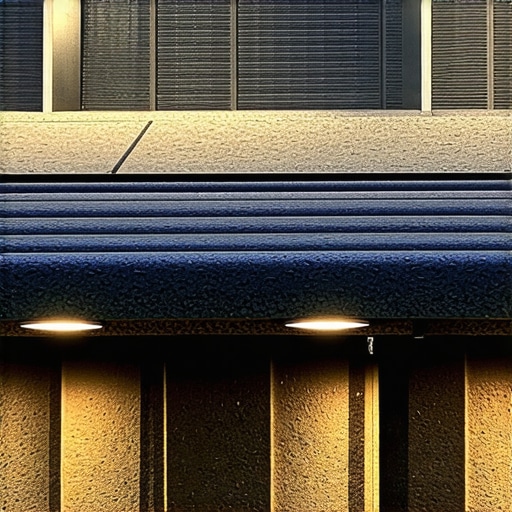
Imagine each fixture as a spotlight on a stage—drawing attention to the edge and guiding your steps. I remember installing my lights one evening; the first time I walked down my stairs at night with everything illuminated just right, I felt a huge sense of relief and pride.
Secure and Protect the Wiring
Use weatherproof conduits and seal all connections to prevent moisture damage. Bury wiring within the deck structure or run it along the railing post to keep it aesthetically clean. During my installation, I used conduit tubing and waterproof connectors, which has kept my system trouble-free for years.
Test and Adjust for Maximum Visibility
Once installed, switch on the lights and check for even illumination. Adjust the fixtures if necessary to eliminate shadows or dark spots. I found that minor tweaks significantly improved my safety. Regular maintenance, like cleaning fixtures and checking connections, prolongs their effectiveness. For more tips on railing height and safety standards, visit https://deckforgebuilders.com/how-to-select-the-perfect-railing-system-for-every-deck .
Many homeowners assume that choosing the right railing system or deck design is straightforward, but in reality, there are several nuanced pitfalls that can undermine safety, durability, and aesthetics. One widespread misconception is that all composite decking products are equally resilient; however, the truth is that not all formulations offer the same long-term performance. For example, some lower-quality composites are prone to fading, discoloration, and even mold growth if not properly maintained, which contradicts the common belief that composite is entirely maintenance-free. For expert insights on selecting durable composite decking solutions, visit https://deckforgebuilders.com/composite-decking-secrets-longevity-tips-for-a-lasting-deck.
Why Do Many Railing Choices Fail Safety Tests?
It’s a common mistake to prioritize style over safety when selecting railing systems, especially in scenic locations like lakeside properties. While modern designs may look sleek, they often compromise on spacing or height standards, risking violations and accidents. Industry standards specify minimum heights and maximum baluster spacing to prevent falls, but many DIY installations overlook these details, believing aesthetics trump safety. This oversight can lead to costly code violations and safety hazards. For comprehensive safety and style guidelines, see https://deckforgebuilders.com/the-complete-guide-to-choosing-railing-systems-for-safety-style.
The Hidden Danger of Overlooking Material Nuance
Samplings from the market reveal that some composite materials contain fixed fibers that don’t expand or contract ideally, leading to warping or buckling over time, especially in climates with temperature swings. This advanced nuance is often overlooked, with many users assuming all composites behave similarly under stress. Failing to account for expansion and contraction can result in uneven surfaces or structural failure. For a deep dive into trends and solutions, review https://deckforgebuilders.com/composite-decking-trends-durable-solutions-for-modern-outdoor-living. Recognizing these material idiosyncrasies is essential for avoiding costly repairs and ensuring longevity.
In deck design, the misconception that all plans should maximize size often leads to impractical spaces that are difficult to maintain. Conversely, embracing smarter, space-efficient layouts can improve usability and safety. As for pergolas, many believe that any design works—the reality is that structural balance matters greatly, especially when supporting a canopy or lights. Structural imbalance can cause shaking or even collapse—something expert builders plan for meticulously. For inspiring ideas on balancing form and function, explore https://deckforgebuilders.com/pergola-design-inspiration-from-modern-to-classic-looks.
Avoiding these advanced mistakes requires more than surface-level knowledge; it demands a keen eye for detail, an understanding of materials science, and familiarity with safety standards. Remember, superficial choices might seem convenient but could cause significant problems down the line. Have you ever fallen into this trap? Let me know in the comments, and share your experiences or questions about deck design and materials.Maintaining a beautiful, long-lasting deck involves more than just initial construction; it requires the right tools and routine care to keep everything in optimal condition. As someone who has spent years working on decks, I can attest that having the right equipment streamlines the maintenance process and helps prevent small issues from turning into costly repairs.
Power Washers: The Deep Cleaning Powerhouse
For decks with composite materials or wooden surfaces, a quality power washer is indispensable. I recommend using a electric washer with adjustable pressure settings—around 1500 to 2000 PSI—to remove dirt, mold, and mildew without damaging the surface. Regular power washing, at least once a year, restores the wood or composite finish and maintains the deck’s appearance. Be cautious around fasteners and delicate features like pergolas to avoid unnecessary damage. For detailed guidance, check out https://deckforgebuilders.com/how-to-clean-red-wine-stains-off-composite-boards-without-damaging-the-finish.
Specialized Cleaning Solutions
Alongside equipment, the cleaning agents matter. For composite decking, I use environmentally friendly, non-abrasive cleaners designed specifically for these surfaces to prevent discoloration or damage. A solution of mild soap and water or a specialized composite deck cleaner can help preserve color and texture. Over time, build-up like algae or mildew can affect safety and durability, making routine cleaning vital.
Precision Measuring Tools for Correct Installation and Repairs
Accurate measurements ensure that railing heights, post placement, and pergola supports stay within safety standards and look aesthetically pleasing. I rely on digital laser distance meters for quick, precise readings—this accelerates the process and minimizes errors. Manual tape measures can lead to inconsistent results, especially over large spans or complex layouts. Proper measurements also contribute to long-term stability, reducing sagging or wobbling issues that compromise safety.
Maintenance Software to Track Tasks
Staying on top of routine tasks is easier with digital tools. I use simple project management apps, like Trello or Asana, to schedule annual inspections, cleaning times, and upgrades. These apps help set reminders for replacing worn components such as railings or decking boards, and they contribute to extending your deck’s lifespan. As technology evolves, I predict that smart sensors integrated into deck structures will provide real-time alerts about moisture levels, structural shifts, or the need for repairs—making maintenance predictive rather than reactive.
Protective Gear to Keep Yourself Safe
Don’t underestimate the importance of personal safety equipment. When power washing or repairing railings, I always wear safety goggles, gloves, and masks to prevent injuries from flying debris or chemical splashes. It’s a small investment that pays off by avoiding accidents during maintenance routines.
How do I keep my deck tools effective over time?
Regular maintenance of your tools ensures longevity and consistent performance. Rinse power washers after each use, store tools in a dry place, and check for any signs of wear. Sharpen blades periodically, and replace worn-out brushes or fittings. Keeping your measuring devices calibrated maintains accuracy, crucial for safety and aesthetics. As I’ve learned from industry experts, such as technical documentation on composite material maintenance, correctly functioning equipment makes the difference between a smooth repair process and a project riddled with errors. Try implementing a scheduled maintenance routine for your tools: it’s a simple step that protects your investment and keeps your deck in showroom condition for years to come.
The Unexpected Snags That Shifted My Perspective
One of the hardest lessons I learned was realizing that aesthetics often overshadow safety until a close call made me reassess. I used to think that relying on decorative elements like fancy railings or stylish pergolas was enough, but overlooking small details—like proper lighting placement—could lead to serious hazards. That realization prompted me to prioritize detail-oriented planning, such as adhering to the 3-Inch Rule, which dramatically improved my deck’s safety and my confidence in outdoor gatherings.
Another insight was discovering how crucial weatherproofing wiring and fixtures truly is. I thought a quick sealant would suffice, but I learned that investing in quality waterproof conduits and regular checks prevents long-term damage. This mistake taught me that small investments in quality materials yield big safety dividends over time, especially in outdoor environments where moisture challenges are constant.
Finally, I quickly found out that routine maintenance—though seemingly tedious—is the backbone of durability. Using tools like digital laser distance meters or scheduling software was a game changer in keeping everything in check without the chaos of last-minute repairs. These personal lightbulb moments shaped a more cautious, detail-driven approach to deck building and maintenance, emphasizing quality, safety, and longevity.
My Arsenal of Trusted Resources for Deck Success
When it comes to building or upgrading decks, I rely on expert-curated content to stay ahead. This guide on composite decking longevity offers invaluable tips that have helped me select materials with confidence, ensuring my deck stands the test of time. Another essential tool is comprehensive railing safety standards, which demystifies the complex code requirements and simplifies compliance. Lastly, pergola design inspiration broadens my creative horizons, combining style with structural integrity. These resources form the backbone of my ongoing learning journey, helping me craft outdoor spaces that are both beautiful and safe.
Your Next Step Toward a Safer, More Stunning Deck
Remember, every detail counts when transforming your outdoor space into a safe retreat and a personal masterpiece. The little lessons—like proper stair lighting placement or securing wiring—accumulate into a stronger, more resilient deck that you’ll enjoy for years. Embrace each project as an opportunity to learn, adapt, and elevate your outdoor living experience. Don’t let overlooked details hold you back from creating a space that combines beauty with peace of mind—your perfect deck awaits.