
I remember the first winter I installed a composite deck, full of excitement and optimism. But come January, I faced an unexpected nightmare: warped, creaking boards that looked more like a war zone than a porch. It was a lightbulb moment about how poor material choices can turn a beautiful outdoor space into a maintenance headache. If you’ve ever dealt with decking that doesn’t hold up in colder weather, you’re not alone. Today, I want to share how I discovered that solid-core composite decking is the game-changer for cold climates—and how it can save you time and money in the long run.
Braving the Cold: The Real Challenge for Deck Materials
Cold weather exposes the weaknesses in many decking options. Traditional hollow boards might seem convenient and affordable initially, but they often suffer from issues like joint separation, cracking, and warping when temperatures drop. I learned this firsthand when my hollow composite boards started to split during a particularly frigid winter. The gaps widened, and each step became a mini adventure in avoiding squeaks and squeals. It dawned on me that these boards lacked the necessary density to expand and contract smoothly with temperature shifts. This personal experience pushed me to dig deeper into the differences between hollow and solid-core options.
Is the Hype About Solid-Core Worth the Extra Investment?
Early on, I made the mistake of choosing a cheaper hollow board, thinking it would suffice. Big mistake. Not only did I face deterioration sooner than expected, but I also spent more on repairs. The lesson? Quality materials matter—especially in challenging climates. Solid-core composite decking, with its dense construction, resists the expansion and contraction that plague hollow boards. According to recent studies, these boards provide superior thermal stability, which is crucial when temperatures fluctuate rapidly (source: Deck Forge Builders). As I discovered, investing in solid-core isn’t just about aesthetics—it’s about practicality.
Have you faced similar issues with your deck material? If so, you’re probably wondering how to choose a system that withstands the cold comfortably. Don’t worry, I’ll walk you through everything, from material comparisons to installation tips, to ensure your outdoor space stands strong year-round and looks fantastic for years to come.
Start with Precise Planning and Material Selection
Before any physical work begins, draft a detailed plan outlining your deck’s size, shape, and features like pergolas and railings. Use tools like the pergola design inspiration guide to visualize designs that suit your climate. Opt for solid-core composite decking, as it’s more durable in cold weather than hollow varieties. This choice minimizes warping and cracking, saving you future headaches.
Prepare the Site Accurately
Clear and level the area meticulously. Mark your layout using a string line to ensure straight lines, which simplifies subsequent steps. Lay out batter boards and string lines to identify exact measurements. When set, excavate the foundation, ensuring proper drainage; install gravel base for stability. Proper preparation helps the deck resist shifting or heaving during temperature fluctuations.
Build a Robust Foundation for Cold Resistance
Construct concrete pier blocks or footings at calculated points, especially under load-bearing areas. Use surge-protected post bases—these reduce the risk of rot and frost heave. Place pressure-treated beams on these supports, making sure they’re level. Securely attaching beams with galvanized fasteners ensures stability and longevity, critical for winter resilience. Check that all supports are level to prevent uneven board stress.
Frame with Care and Precision
Install rim and inner joists, spacing them no more than 12 inches apart to minimize gaps that could fill with snow or ice. Use a level to confirm alignment. Reinforce with cross braces if necessary, to prevent lateral movement. Use corrosion-resistant fasteners to withstand moisture and cold expansion. When setting joists, double-check for proper spacing; this is vital for even load distribution during winter loads.
Install Composite Boards Properly
Lay the solid-core composite boards perpendicular to the joists. Leave expansion gaps of about 1/16 inch to accommodate temperature-induced expansion and contraction. Secure boards with hidden fasteners for a seamless appearance. During installation, I once had to carefully cut a board to fit around uneven ground, which was messy but crucial for a tight fit. Applying a heat gun to the boards during fitting can ease adjustments, preventing warping.
Ensure Correct Fastening
Use specifically designed composite deck screws, preferably with a coating that resists corrosion. Pre-drill holes to avoid splitting, especially in cold weather when wood is more brittle. Secure each board tightly, but avoid over-tightening, which can deform the material. Proper fastening prevents boards from loosening or buckling in the cold.
Attach Sturdy Railing and Pergola
Select a railing system compatible with cold climates; research your options here. Use structural screws and brackets designed for outdoor use to anchor posts firmly into the concrete footings. For pergolas, employ diagonal bracing to prevent sway during winter storms, similar to how I secured mine with extra braces—resulting in a solid, wind-resistant structure. Consider a modern pergola trend to add style and functionality.
Seal and Protect Your Deck
Finally, apply a high-quality sealant designed for composite materials to protect against moisture infiltration and UV damage. Regular maintenance extends the lifespan, especially in freezing conditions where moisture can infiltrate tiny crevices. I learned this the hard way when neglecting sealing led to surface roughness and discoloration after just one winter.
 Many homeowners operate under misconceptions when it comes to deck design, pergola construction, and choosing railing systems, often leading to costly mistakes. One prevalent myth is that aesthetics should always take precedence over function. While visual appeal is important, overlooking structural integrity and durability—especially with materials like composite decking—can result in safety hazards and increased maintenance. For example, some assume that all composite decks are equally resistant to cold weather, but in reality, choosing solid-core composites offers superior thermal stability, reducing warping and cracking during winter months (source: Deck Forge Builders). A common oversight is underestimating the importance of correct fastening techniques; over-tightening screws can cause surface stress and micro-cracks, undermining longevity. Instead, pre-drilling and using corrosion-resistant, heat-enhanced fasteners ensures a seamless appearance and longer lifespan. Moreover, many believe that bigger or more elaborate pergolas automatically enhance outdoor spaces, but poorly designed structures, with improper weight distribution or inadequate bracing, can sway or collapse under harsh weather conditions. Incorporating diagonal bracing and proper load calculations can safeguard your investment and ensure stability. We also tend to overlook the nuance of railing heights and styles, assuming a one-size-fits-all approach. Yet, safety codes vary by region, and selecting low-profile or open-style rails might compromise security or obstruct views. Consulting guides like this resource can help balance aesthetics and safety. An advanced consideration is how climate impacts material choice; for instance, in freeze-thaw cycles, hollow composite boards are prone to splitting, whereas solid-core options withstand temperature fluctuations more effectively. Recognizing these subtleties can prevent premature replacements and costly repairs. Have you ever fallen into this trap? Let me know in the comments. Your outdoor space deserves thoughtful planning that goes beyond superficial choices, ensuring durability, safety, and style for years to come.
Keeping It Working with the Right Tools
When it comes to maintaining a durable and visually appealing deck, having the proper tools makes all the difference. I personally rely on a high-quality cordless impact driver, such as the Milwaukee M18 Fuel, because of its powerful torque and battery life, which are crucial when tightening or replacing fasteners quickly. Using my impact driver, I can efficiently install hidden fasteners or secure railing brackets without stripping screws or damaging Composite decking surfaces. Pre-drilling holes with a concrete drill bit ensures screws go in smoothly, preventing splitting, especially in colder weather when material brittleness increases.
Advanced Maintenance Equipment
For keeping my deck free from debris and preventing long-term damage, I use an electric pressure washer with adjustable settings. I prefer models with a low-pressure mode for gentle cleaning of composite surfaces, avoiding surface damage, and a focused nozzle for targeting stubborn dirt in tight spaces. Regular, gentle cleaning prevents dirt buildup that can trap moisture and cause staining over time. To monitor and document the condition of my deck, I utilize a moisture meter like the Wagner Meters MMC220; it helps detect hidden moisture issues under the decking boards or around post bases, preventing rot before it becomes visible.
Software and Planning Tips
In addition to physical tools, I use design software like SketchUp for planning modifications or expansions. This allows me to simulate adding a pergola or upgrading railing styles, ensuring every element is in proportion and meets safety standards. When selecting a railing system, I consult this guide to ensure compliance and style harmony.
Prediction: The Future of Maintenance and Design
Predictably, integration of smart sensors and IoT technology into deck systems will become more prevalent. Imagine a deck that alerts you when moisture levels are high or when fasteners loosen—saving time and preventing costly repairs. AI-powered planning tools may even suggest optimal maintenance schedules based on weather patterns and material longevity data.
How do I keep my deck in top shape year after year?
Focus on routine inspections with a moisture meter, schedule regular gentle cleanings with a low-pressure electric washer, and stay proactive about fastener tightness. Using a composite decking-specific cleaner can prolong surface life and maintain its appearance, especially in challenging climates. I also suggest applying a protective sealant designed for composite materials every couple of years to guard against UV damage and moisture infiltration. For a comprehensive safety check, consider consulting a professional or referencing industry-standard inspection guidelines.
Selecting the Right Maintenance Gear
Invest in a quality deck brush with stiff bristles for scrubbing surfaces and a durable pair of gloves to protect against splinters and chemical cleaners. For cleaning around railings and difficult corners, a narrow spray nozzle attachment on your pressure washer is indispensable. Additionally, maintaining a detailed record of your maintenance routines with digital tools or even a simple spreadsheet helps in planning long-term upkeep and spotting recurring issues early.
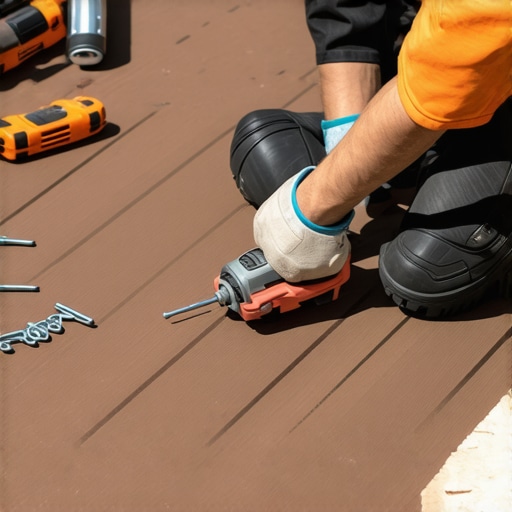
Keep in mind, adopting these precise tools and methods will extend your deck’s lifespan and preserve its beauty. For guidance tailored to your project, don’t hesitate to reach out to professionals or explore advanced techniques from industry experts. Start by trying out a moisture test on your deck this month—it’s a small step that can save you from big problems down the line!
The Toughest Lessons I Had About Decks and Pergolas in Freezing Conditions
- Sometimes, I underestimated the significance of material density. Choosing hollow composite boards for my deck seemed economical initially, but I didn’t account for how they expand and contract with the cold, leading me to costly repairs and replacements. Now I know that solid-core composites are worth every extra penny for their stability in winter.
- Aligning structural elements properly isn’t just about aesthetics—it’s about resilience. I learned this when a slight misalignment during framing caused uneven stress on the boards during freezing temperatures, leading to gaps and squeaks. Precise measurements and reinforcing support structures are vital for long-lasting outdoor spaces.
- Installation techniques make all the difference. Pre-drilling and using the right fasteners prevented splitting and looseness in my deck boards during cold months. Investing time in proper fastening not only improves appearance but also extends your deck’s lifespan.
- Overlooking drainage and frost heave can be disastrous. I once ignored proper site preparation, which resulted in foundation heaving and warping of my deck in winter. Thoughtful site prep with good drainage systems safeguards your investment against severe weather.
Tools and Resources That Transformed My Approach to Deck and Pergola Building
- The Milwaukee M18 Fuel impact driver became my best friend—powerful and reliable for fastening in cold weather without damaging materials. It significantly sped up my project without sacrificing quality.
- The Wagner MMC220 moisture meter taught me to detect unseen moisture issues before they cause structural problems. This tool ensures I catch issues early, saving time and money in repairs.
- SketchUp helped me visualize complex pergola designs and extensions, avoiding costly mistakes. Its intuitive interface makes planning outdoor renovations efficient and fun.
- For project guidance, I trust Deck Forge Builders’ detailed articles—particularly their insights on composite decking and safety standards—because they combine industry experience with practical advice.