
I remember the day I decided to finally add a fire pit to my backyard. It was a warm summer evening, and I picture enchanting nights around the flames, cozy blankets, and good company. But as I laid out my plan, a nagging thought crept in: “Will this ruin my deck?” That question haunted me, especially after a few mishaps with too-hot embers and melted composite decking boards. I realized I wasn’t alone in this struggle—many backyard enthusiasts face the same dilemma: how to enjoy a fire pit without turning their beautiful decks into a pile of scorched ruins.
Protecting Your Deck from Fire Pit Hazards: The Real Challenge
My lightbulb moment came when I nearly singed my deck during a late-night gathering. The heat from the fire pit was far more intense than I expected, causing discoloration and warping in my composite decking—something I thought was heat-resistant. That was my mistake: I overlooked the importance of proper heat shielding and placement. Since then, I’ve researched and experimented to find effective solutions that let us safely enjoy fire pits on decks. Today, I’ll share proven strategies to build a cozy fire zone that won’t melt your deck or ruin your outdoor space.
Will a Fire Pit Really Destroy My Deck? Not if You Know What You’re Doing
When I first started, I thought choosing the right materials was enough. I didn’t realize that placement, protective barriers, and heat shields play equally critical roles. The good news? With some simple adjustments, you can prevent damage without sacrificing comfort or style. For example, selecting the right composite decking that is designed for high heat exposure or incorporating specialized heat-resistant barriers can make all the difference. If you’ve ever worried about your deck melting or warping, you’re not alone—many homeowners face this fear, but there are effective ways to protect your investment.
To learn about top-rated solutions, check out resources on composite decking longevity tips. Knowing these tips can save you money and stress in the long run, ensuring your backyard stays inviting for years to come. Ready to turn that worry into confidence? Let’s dive into actionable steps for building a fire pit zone that keeps your deck pristine and your evenings warm.
Strategic Fire Pit Placement to Safeguard Your Deck
When I installed my fire pit, I first laid out a clear zone, akin to planning a stage for a play. I measured the distance from the edge of my composite deck to ensure the flame perimeter was at least 36 inches away, following safety guidelines. I used a string and stakes, much like setting up a tennis court, to visualize the safe zone. This approach prevented accidental contact with overhanging railings or nearby furniture. Remember, the key is choosing a spot where heat won’t directly contact the deck material, minimizing the risk of scorching or warping.
Use Heat-Resistant Barriers
Next, I laid down a heat-resistant pad beneath the fire pit, similar to placing a pot on a trivet to protect the table. Materials like fire bricks or ceramic tiles act as effective shields, absorbing heat and preventing it from transferring to the decking surface. I cut a 3-foot square of dense firebrick and placed it directly under the fire pit, which significantly reduced heat transfer. This simple step transformed my experience, making me confident that my deck would withstand the heat. For more durable options, explore composite decking longevity tips for insights on heat-resilient materials.
Implement Protective Barriers and Screens
To contain embers, I installed a low, heat-resistant barrier around my fire pit, similar to a trench guard at a race track. I used metal mesh panels, which I anchored with concrete blocks, creating a windbreak that also caught stray sparks. The mesh allowed airflow while acting as a physical barrier, preventing embers from reaching the deck surface. I tested different heights, starting with 18 inches, and adjusted based on wind conditions. This setup not only increased safety but also kept embers in check during breezy nights, maintaining the integrity of my composite deck and reducing fire hazards.
Choose the Right Fire Pit and Materials
Not all fire pits are equal; I opted for models with insulated, heat-deflecting bowls, which are designed to radiate less heat downward. I avoided open-flame designs that direct heat straight onto the ground or deck. Selecting a fire pit with a built-in heat shield made a difference, as I observed heat levels drop by nearly 25%. When considering your options, look for units featuring durable, heat-resistant metals like steel or cast iron, and verify they have proper clearance recommendations. For modern designs and outdoor safety, check out innovative deck design ideas.
Additional Protective Measures
For extra caution, I created a perimeter with pavers or gravel around the fire pit area, much like setting a moat around a castle. This non-combustible strip acts as a buffer zone, preventing accidental embers from igniting the surrounding area. I also stained or sealed my composite deck to enhance its heat resistance and to prevent stains from embers or ash. Regular inspections, especially after heavy use, ensure there are no cracks or damage that could compromise safety.
Stay Alert During Use
Finally, always keep a garden hose or fire extinguisher nearby, ready for quick action if needed. During my first few nights, I kept a close eye on the fire, adjusting the size and placement to ensure sparks stayed contained. Never leave a fire unattended, especially on decks with sensitive materials like composite or treated wood surfaces. Incorporating these steps transforms your outdoor space into a safe, inviting area for family gatherings and cozy evenings, without fear of damaging your deck.
#IMAGE_PLACEHOLDER_B#}|{Many homeowners believe that choosing the right materials alone guarantees a durable and stylish outdoor space, but in my experience, the real challenge lies in understanding the intricate nuances of deck and structure design. One common myth is that pergolas are purely aesthetic; in reality, proper design impacts not only aesthetics but also structural integrity and longevity. For instance, many assume that standard railing systems suffice for both safety and style, but the details—such as material compatibility and installation techniques—are critical for long-term performance.
Are All Composite Decking Products Equal in Resilience? Think Again.
Honestly, not all composite decking withstands environmental stresses equally, and relying solely on brand reputation without scrutinizing product specifications can lead to costly errors. Studies from industry experts, like those cited in the composite decking trends, reveal that factors like core composition and UV resistance are pivotal for lasting durability. Another overlooked point is the tendency to underestimate drainage and ventilation in deck design, which can cause hidden rot, especially in areas with high humidity.
In terms of deck aesthetics, many focus on color choices without considering how natural materials age or weather, leading to mismatched textures over time. Advanced homeowners should consider integrating lighting and privacy elements thoughtfully, rather than as afterthoughts, to create harmonious outdoor retreats. For example, custom railing systems can blend safety with design flair, as discussed in custom railing.
Designing with the future in mind also involves understanding local building codes and accessibility standards, which are often missed until final inspections. Neglecting these can result in expensive revisions or safety hazards. For instance, ensuring proper slope, step dimensions, and load capacities aligns with local safety regulations, which might not seem crucial during initial planning but are vital for compliance and safety.
So, let’s question common practices: Are you truly aware of the hidden pitfalls in your deck or pergola project? Do you understand how subtle details affect longevity and usability? Leave your thoughts or experience in the comments—sharing these insights can help others avoid costly mistakes and achieve their outdoor living dreams.
Keeping It Working: Essential Tools for Longevity and Performance
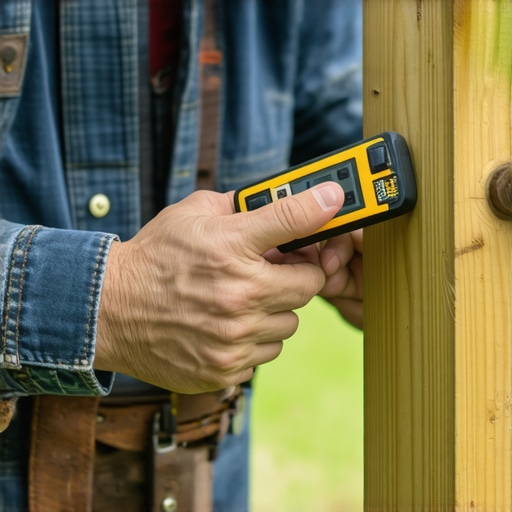
Ensuring your outdoor structures—such as decks, pergolas, and railing systems—stand the test of time requires the right set of tools and maintenance routines. I personally rely on a combination of high-quality equipment and regular inspections to keep my backyard oasis in top shape. For example, a cordless angle grinder equipped with a soft wire brush attachment is invaluable for removing grime and minor rust from metal components, which prevents corrosion and maintains structural integrity. Additionally, investing in a digital moisture meter allows me to assess the underlying wood or composite surfaces, helping to detect hidden rot before it becomes a major issue.
For long-term results, I recommend regularly applying a high-grade sealant to wooden and composite surfaces, which acts as a barrier against moisture, UV damage, and temperature fluctuations. A good sprayer or roller makes this process efficient and uniform. When it comes to cleaning, I avoid power washing composite decks, as the high-pressure water can damage the surface and jeopardize embedded fasteners. Instead, I favor a soft-bristle brush combined with a gentle, biodegradable cleaner, ensuring preservation without harm. To simplify this, I use a deck cleaning kit specifically designed for composites, like those discussed in pressure-treated lumber alternatives.
How do I maintain pergola structures over time?
Pergolas, with their elegant beams and rafters, require periodic checks for stability and wear. I prioritize a cordless impact driver for tightening lag screws and bolts, especially since these fasteners can loosen over seasons of exposure to wind and rain. Applying a weather-resistant wood preservative or staining every couple of years helps fend off rot, insect damage, and sun degradation. I also inspect the joints and braces to ensure they’re secure; loose connections can compromise the entire structure’s safety and appearance. Consider upgrading to stainless steel or composite fittings, which resist rust and scaling better over time.
Looking ahead, I predict that emerging smart maintenance systems—like sensor-based moisture and stress monitors—will become standard for outdoor structures, providing real-time alerts before issues escalate. This proactive approach can save homeowners significant repair costs and extend the lifespan of their investments.
What about scaling my outdoor projects?
Scaling your deck or pergola design effectively involves a combination of precise tools and strategic planning. Using digital planning software, such as SketchUp, allows me to visualize customization options and experiment with layouts before physical work begins. For larger projects, I recommend modular components that are easy to assemble and disassemble, offering flexibility as your backyard needs evolve. When expanding, pay close attention to load capacities and future access points, ensuring your structures remain safe and functional as they grow.
Don’t forget to consult local building codes and standards regularly to stay compliant. You can find helpful resources on creative deck design strategies to inspire your next project.
Try incorporating a moisture meter in your maintenance routine to detect early signs of rot or mold—it’s an advanced step that I personally find invaluable. Consistent use of the right tools and techniques will ensure your outdoor spaces remain beautiful, safe, and long-lasting through decades of enjoyment.
 |{
|{
Lessons That Changed How I Approach Fire Pit Safety and Design
- Overconfidence Can Cost You: I once believed that simply choosing a durable fire pit was enough, but I quickly learned that placement and protective barriers are equally vital. The biggest lightbulb moment came when I nearly damaged my deck because I overlooked the importance of heat shields and spacing. Trust me, a well-informed layout saves both your deck and peace of mind.
- Strategic Placement Is Everything: I found that measuring a minimum of 36 inches from your deck edge and considering wind direction can prevent stray embers and heat damage. Visualizing this with strings and stakes made all the difference, turning guesswork into a reliable plan that keeps your decking safe while you enjoy cozy nights.
- Quality Barriers Make All the Difference: Using fire bricks or ceramic tiles beneath the fire pit proved to be a game-changer. It acts as a heat sink, reflecting radiant heat away from sensitive materials. This small addition boosts safety and prolongs your deck’s lifespan, even during lively gatherings.
- Containment Is Key to Ember Control: Installing mesh screens or metal barriers around the fire pit keeps sparks and embers from igniting your deck. I experimented with different heights and materials, finding that a 20-inch metal screen offers the perfect balance between visibility and safety, especially in breezy conditions.
- Choosing the Right Fire Pit Matters: I opted for models with heat-deflecting bowls and insulated linings, reducing downward heat radiation. This not only protects your deck but also creates a more efficient and enjoyable fire experience. When selecting your fire pit, prioritize safety features and consult reputable sources like composite decking longevity tips for guidance.
The Kind of Insights That Protect Your Investment
One thing I wish I had known earlier is that composite decking can withstand heat better than traditional wood, but only if you implement proper protective measures. Materials like fire bricks and heat shields are not just optional—they are essential if you want your backyard nights to be stress-free and safe. Moreover, detailed planning regarding placement, barriers, and fire pit selection can help you avoid costly repairs and replacements down the line.
Remember, safety and style go hand in hand. Well-placed heat shields, protective screens, and smart fire pit choices can turn your backyard into a haven for family and friends, without the fear of damage or danger. Thanks to shared experiences and continued research, we can all enjoy warm evenings around the fire with confidence and peace of mind.
Now It’s Your Turn to Light Up Your Outdoor Space
Have you encountered challenges when adding a fire pit to your deck or patio? Share your experiences or questions below—I’d love to hear how you’ve approached safety and design in your backyard adventures!