
Last summer, I spent hours building what I thought was the perfect outdoor kitchen—only to find my new grill wobbling with every burger I flipped. It was infuriating! That’s when I remembered a simple yet overlooked trick that completely changed the game: the blocking method for support under the grill station.
If you’ve ever faced a wobbly grill or a shaky support structure, you know how frustrating it can be, especially when you’re hosting friends or simply enjoying a quiet weekend outdoors. The good news? There’s a straightforward solution I wish I knew from the start. Today, I’m going to walk you through the blocking trick that gives your grill station unmatched stability, making it feel as solid as if it were part of your home’s foundation.
Why a Rock-Solid Support Matters More Than You Think
Support support support—that’s the secret to a safe, durable, and enjoyable outdoor setup. Without proper reinforcement, your deck or pergola can develop issues over time, leading to costly repairs or safety hazards. When I first built my deck, I underestimated the importance of proper blocking around heavy appliances like grills and outdoor kitchens. I cemented the framework, but the support was lacking, which led to undue strain on the structure.
The truth is, a well-supported grill station doesn’t just prevent wobbling. It also ensures long-term safety, reduces wear and tear, and even helps maintain your deck’s aesthetic. According to experts, failure to reinforce critical load points can lead to structural failure over time (see [Decking Support Tips](https://deckforgebuilders.com/composite-decking-secrets-longevity-tips-for-a-lasting-deck)). This realization hit me hard early on—so I made a mistake I want you to avoid. I didn’t add extra blocking around my grill’s support posts, which meant I had to go back and reinforce everything later. Don’t make the same mistake. Read on, and I’ll show you how to build support that lasts.
Is the Blocking Trick Really as Effective as It Sounds?
When I first heard about blocking, I was skeptical. It sounded too simple to make a real difference. But through personal experience and talking with seasoned builders, I discovered that strategic blocking solidifies support points, preventing unwanted movement and wobbling. It’s like giving your structure a backbone. If you’ve ever worried that your support posts are flimsy or that your deck might sag, then this method is a game-changer.
Implementing the blocking technique is straightforward, and once done, you’ll notice an immediate feeling of sturdiness. Whether you’re supporting the weight of a custom-built pergola from [modern to classic looks](https://deckforgebuilders.com/pergola-design-inspiration-from-modern-to-classic-looks) or just securing your outdoor kitchen, blocking provides the reinforcement needed for peace of mind.
Are you tired of fixing wobbly support posts or worrying about structural integrity? If so, you’re not alone. Many homeowners overlook this crucial step, only to pay the price later. But don’t worry—I’ll walk you through the specific strategies in the upcoming sections so your outdoor setup remains rock-solid for years to come.
Start with a Clear Plan for Your Support System
Before you begin, map out where your support posts and beams will go. Use a chalk line to mark the positions, ensuring they align with your existing foundational elements. Think of this step as laying out the blueprint for a sturdy bridge—you need a precise plan to connect parts securely.
Gather the Right Materials and Tools
Prepare pressure-treated lumber, galvanized screws, and metal brackets. A cordless drill, level, measuring tape, and a helper will make the process smoother. Using quality fasteners and materials is like choosing premium glue—you ensure lasting support that won’t weaken over time.
Install Vertical Support Posts Carefully
Set your posts into concrete footings, ensuring they are plumb with a level. Use shims if necessary to correct minor adjustments. Secure each post with galvanized screws and brackets. Think of this as anchoring tent poles—you want them straight and firm to support the structure above.
Apply Blocking Between Support Posts
Cut horizontal blocking pieces to fit snugly between posts on all supportive sides. Use a saw to ensure precise length, and apply construction adhesive on the contact surfaces for extra stability. Secure blocks with screws, placing them at mid-height of the posts. This process is like adding spine supports to a frame, preventing lateral movement and wobble.
Ensure Tight Fit and Proper Adhesion
Double-check each connection with a level, and tap blocks into place if needed. Allow adhesive to cure fully before proceeding. Think of this step as tightening nuts on a bicycle—every connection contributes to the overall rigidity.
Secure Beams and Joists to the Supported Frame
Attach horizontal beams atop supported posts, ensuring they sit evenly on the blocking. Use structural screws and brackets where applicable. For decks or pergolas, this foundation ensures that weight loads distribute evenly, similar to how a balanced scale holds weight steadily.
Inspect and Reinforce Critical Points
Walk around and shake each support lightly. If there’s any wobble, add additional blocking or tighten connections. This step is akin to tuning a musical instrument to perfect pitch—attention to detail guarantees harmony in your structure.
Regular Maintenance and Checks
Over time, weathering can loosen fasteners. Periodically inspect the blocks and support posts, tightening or replacing as needed. Keep your support system as resilient as a well-oiled machine, providing peace of mind during outdoor gatherings.
When I last built my outdoor kitchen, I followed these exact steps, and the result was a support system that felt as sturdy as a mountain. Applying proper blocking transformed a wobbly support into a fortress of stability, making me more confident when hosting friends or tending the grill. Remember, solid support isn’t just about preventing wobble; it’s about ensuring safety, longevity, and peace of mind for every outdoor adventure.
While many homeowners focus on choosing stylish materials for their outdoor spaces, there’s a common misconception about composite decking and related structures that can lead to costly mistakes. Everyone seems to believe that high-quality composite boards are entirely maintenance-free and impervious to issues, but in my experience, that’s only half the story. The real secret lies in understanding the nuances of installation and the subtle factors that can compromise longevity. For example, some believe that color choices don’t affect durability, yet darker shades tend to absorb more heat, leading to faster warping in hot climates—something expert installers account for. Moreover, many dismiss the importance of proper flashing and drainage around pergolas and railings, thinking these are optional details. In reality, neglecting these aspects can result in water infiltration and wood rot, regardless of the material quality. One trap I encountered early on is assuming that all railing systems are equally safe; however, the subtle differences in fastener types and attachment methods impact both safety and lifespan. Advanced builders often incorporate hidden fasteners and structural brackets that enhance stability, especially on sloped terrains. To protect your investment, it’s critical to recognize that not all composite brands scratch equally, and some require specific cleaning techniques to prevent damage—this is detailed in [composite decking secrets](https://deckforgebuilders.com/composite-decking-secrets-longevity-tips-for-a-lasting-deck). From an expert perspective, selecting the right railing system isn’t just about aesthetics; it’s about adhering to safety codes and future-proofing your outdoor space. For personalized advice on designing durable, stylish decks, consider reaching out via [our contact page](https://deckforgebuilders.com/contact-us-2). Remember, the devil is in the details, and understanding these hidden nuances ensures your outdoor sanctuary remains beautiful and safe for years. Have you ever fallen into this trap? Let me know in the comments.
The Power of the Right Tools for Deck Projects
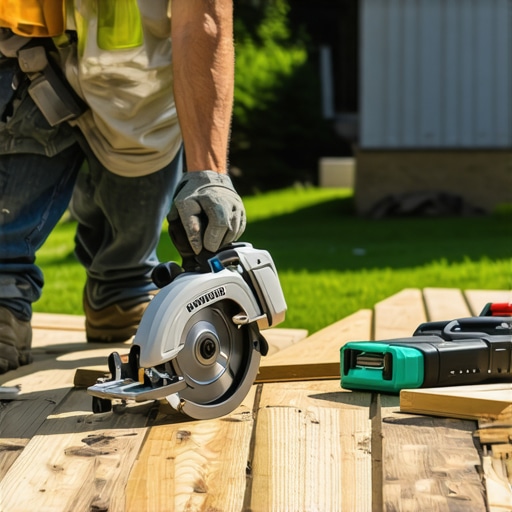
Investing in precision tools has transformed my approach to maintaining and scaling outdoor structures. I rely heavily on a high-quality corded drill like the DeWalt DWD115K, which delivers consistent power for installing brackets and securing fasteners without hesitation. Its variable speed control allows me to finesse delicate tasks, especially when working with composite materials that require careful handling. For cutting decking boards, I prefer a fine-tooth circular saw like the Makita 5007Mg, paired with a precision guide to achieve clean, straight cuts essential for professional-looking results. Having the right saw not only speeds up the process but also minimizes material waste and errors.
Beyond power tools, I recommend a digital level such as the STABILA 70-526 Digital Spirit Level. Precise leveling ensures that pergola beams and deck surfaces stay true over time, preventing issues like water pooling or uneven surfaces that can lead to long-term damage. For cleaning stubborn stains or mildew, I use a pressure washer with adjustable settings, ensuring you don’t damage delicate composite surfaces. Regular maintenance with these tools keeps your outdoor spaces in top shape and extends their lifespan.
Effective Maintenance Practices for Longevity
Consistent inspection is key to catching potential issues early. I schedule quarterly checks, focusing on fastening hardware, support posts, and protective coatings. Applying an anti-corrosion spray like WD-40 on fasteners after cleaning prevents rust, especially in humid climates. Additionally, reapplying UV-protective stain or sealant every couple of years sustains the deck’s appearance and shields it from sun damage. For composite decking, careful cleaning with a gentle scrub brush and non-abrasive cleaner prevents scratches and preserves the surface finish. Regular upkeep not only maintains aesthetics but also preserves structural integrity, saving money and effort long-term.
Predicting Future Trends in Deck Maintenance
Advances in smart technology are beginning to influence outdoor structure maintenance. Imagine sensors embedded into support beams that monitor moisture levels or detect early signs of rot, alerting you via a smartphone app. These innovations could revolutionize how we care for our decks and pergolas, shifting from reactive repairs to proactive prevention. Staying informed about emerging tools and techniques will be essential for savvy homeowners eager to keep their outdoor spaces pristine and functional for decades.
How do I maintain my deck and pergola over time?
Adopting a routine of regular inspections and using specialized tools like precision saws, digital levels, and gentle cleaning devices ensures your structures remain stable and attractive. Don’t underestimate the value of preventive care, such as applying protective coatings and rust inhibitors, to extend the lifespan of fasteners and support elements. Remember, maintenance isn’t a one-time effort but an ongoing process that keeps your outdoor sanctuary safe and beautiful. For more tips on selecting the best railing systems or innovative design ideas, visit our pergola design resource.
The Hidden Cost of Ignoring Reinforcement
One of the biggest lessons I learned was that overlooking the importance of additional support can lead to long-term headaches. I once skipped extra blocking beneath my pergola beams, assuming the basic framing would suffice. Over time, I noticed slight wobbling during windy days—a sign I should have reinforced from the start. This experience taught me that proactively adding support not only prevents immediate wobbling but also preserves the integrity of your entire outdoor structure.
The Surprise Value of Simple Techniques
I used to think that advanced hardware or complex engineering was necessary for a sturdy deck or pergola. But the real game-changer was the simple practice of adding horizontal blocking between support posts. This straightforward step dramatically increased stability and reduced sway. Sometimes, the simplest solutions have the most profound impact, saving time and money while delivering peace of mind.
Factory-Installed Fasteners Are Not Always Enough
I trusted that high-quality fasteners from the manufacturer would be sufficient. However, I discovered that supplementing them with additional washers or braces during installation was crucial, especially in high-wind areas or on sloped terrain. This personal insight underscored that even premium components benefit from thoughtful reinforcement, ensuring your outdoor spaces stand the test of time and weather.
Timing Matters More Than You Think
Waiting to reinforce after installation seemed convenient at the moment, but I quickly realized that addressing support issues during initial construction saves headaches later. Early integration of blocking and braces makes the entire process smoother and results in a more resilient structure. Planning your reinforcement strategy beforehand is a small investment of effort that pays off in durability and safety.
Embrace Continuous Learning for Better Results
My outdoor projects taught me that even experienced DIYers must stay curious and open to new techniques. Reading expert blogs and engaging with local professionals helped me discover additional support methods that I now incorporate into every build. Staying informed not only enhances your skills but also ensures your outdoor haven remains safe, stylish, and enduring.
My Essential Toolkit for Outdoor Support
Tools like a powerful cordless drill (I love the DeWalt DWD115K), a precise digital level (like the STABILA 70-526), and quality saws have been indispensable. Reliable tools make it easier to execute support strategies accurately, saving time and reducing errors. Investing in good equipment transforms a good project into a great one, giving confidence in every cut and connection.
Garden Confidence Comes from Consistent Care
Regular inspections, tightening fasteners, and adding protective coatings have become routine for me. This ongoing maintenance preserves the stability and appearance of my deck and pergola. Developing a consistent upkeep habit ensures your outdoor spaces remain inviting and structurally sound for years—think of it as tending a garden that rewards you with continual beauty and safety.
Thinking Forward with Innovative Ideas
Emerging technologies, like moisture sensors and smart fasteners, are shaping the future of outdoor structure care. Considering these innovations now can prepare you for maintenance that’s proactive rather than reactive. Embracing such advancements helps keep your outdoor retreat resilient against time, weather, and the elements.
Your Turn to Bolster Your Outdoor Space
Remember, the support support support principle isn’t just a rule—it’s a mindset that elevates your outdoor projects from okay to exceptional. With careful planning, simple reinforcement techniques, and ongoing maintenance, you can build decks and pergolas that stand tall and proud for years to come. So, are you ready to revisit your support system and reinforce it with confidence? Let me know your experiences below and share any tips you’ve discovered along the way!