
It was supposed to be a relaxing evening—just me, a good friend, and a bottle of red wine on my backyard deck. But in a blink, that relaxing moment turned into a miniature disaster. A glass tipped over, and a deep, stubborn stain spread across my pristine composite decking. I remember the sinking feeling in my stomach—the frustration of knowing that my beautiful outdoor space was now marred by a vibrant red blotch. Have you ever faced that shock, watching a perfect deck become an unintended canvas for wine? You’re not alone.
Why Red Wine Stains Can Feel Like the End of the World
Composite boards are designed to withstand weather, pests, and time, but that stubborn red wine stain can make even the most durable material seem vulnerable. When I first encountered this problem, I thought I could just wipe it away with standard cleaning routines. Spoiler alert: I was wrong. The stain lingered, and each attempt to clean only seemed to make it worse. It was a lightbulb moment—realizing that my usual cleaning tricks didn’t cut it for stubborn wine spills.
Understanding what causes these stains is key. Red wine contains pigments called anthocyanins, which are notorious for sticking stubbornly to porous surfaces. Although composite decking is less porous than wood, some products can still absorb or trap stain particles, especially if the surface isn’t properly sealed or if the stain is left unattended.
Early on, I made a critical mistake by using a generic household cleaner that wasn’t suited for composite materials. This taught me a vital lesson in choosing the right cleaning agents—something I’ll share with you soon—and underscored the importance of quick, targeted action.
So, if you’ve ever looked down at a red wine spill and thought, “This is hopeless,” don’t despair. There’s a way to restore your deck’s beauty, and it’s simpler than you might think. Ready to learn how to banish those stubborn stains for good? Let’s dive into the practical steps that transformed my deck—and can save yours too.
For more insights on maintaining your outdoor spaces, check out [composite decking trends](https://deckforgebuilders.com/composite-decking-trends-durable-solutions-for-modern-outdoor-living) and discover the latest in durable, stylish options for your deck. Now, let’s get to the good part—the cleaning techniques that work.
During my own mishap with spilled red wine, I learned the hard way that prompt action is crucial. Gather a bucket of warm water, mild dish soap, a soft-bristled brush or sponge, a clean cloth, and a spray bottle filled with equal parts water and white vinegar. This combination is gentle enough for composite materials but effective against stubborn stains. Avoid harsh chemicals or pressure washing, which can damage the deck surface.
Start by sweeping the area to remove any loose dirt or debris. Next, gently blot the stain with a clean cloth to absorb as much wine as possible. Do not rub, as this can push the stain deeper into the surface or damage the composite’s finish. My first attempt involved vigorous scrubbing, which worsened the stain — lesson learned. Patience is essential here.
Mix a few drops of mild dish soap with warm water in the bucket. Dip your sponge into this soapy water and lightly scrub the stained area, working with the grain if your deck has a visible pattern. The soap helps lift the pigments without harming the deck’s surface. Afterward, spray the area with your water-vinegar mixture. Vinegar neutralizes the pigments and helps break down the stain molecules. I found spraying with vinegar and letting it sit for 5-10 minutes boosted the cleaning process.
For persistent stains, gently scrub with a soft-bristled brush or nylon scrub pad. Focus on the stained zone, applying light pressure to avoid damaging the composite surface. In my experience, incremental scrubbing yielded better results than aggressive efforts. Be cautious around the edges of the stain to prevent uneven coloration.
Once the stain lightens significantly, rinse the area with clean water to remove any residual soap and vinegar. Use a hose with a gentle spray or a damp cloth to wipe down the surface. Proper rinsing prevents soap or vinegar buildup, which can affect the deck’s appearance over time. After rinsing, dry the area with a clean towel or let it air dry. I noticed that residue left on the surface sometimes caused a dull appearance, so complete removal is vital.
If some discoloration persists, a mild abrasive like baking soda paste (baking soda mixed with water) can be gently applied using a soft cloth, acting as a gentle polish. Be sure to test on a small, hidden section first to ensure compatibility. Alternatively, for broader stains or extensive damage, professional cleaning products designed specifically for composite decking may be effective. Regular maintenance and prompt response are key to keeping your deck looking new. For ongoing updates and tips, explore the latest composite decking trends and learn about custom railing systems that can complement your refreshed deck.When venturing beyond the basics of composite decking and outdoor design, many homeowners and even enthusiasts often fall prey to misconceptions that can lead to costly mistakes. Let’s dig deeper into some of these misunderstandings, especially those that even seasoned DIYers overlook.
Are All Composite Decks Created Equal
The prevailing belief is that since composite decking is advertised as low-maintenance and durable, any brand or type will perform similarly. However, this isn’t true. Many products differ significantly in core materials, resin content, and manufacturing processes, affecting their longevity and resistance to staining or mold. For instance, solid-core composites generally outperform hollow boards in coastal salt air or humid environments. If you’re curious about how to pick the right boards for your climate, explore latest composite decking trends for expert guidance.
Many assume that installing a railing system is straightforward, but the details matter immensely. Pick the wrong fixings or neglect proper anchoring, and you’ll face rattling, wobbling, or even safety hazards. For example, hidden fasteners are popular for a sleek appearance, but if not installed correctly or if the wrong type is used (like standard steel screws in saltwater zones), they can rust or pop out over time. To avoid this, read our guide to selecting the perfect railing system.
Deck design myths often involve the perceived need for symmetry or intricate patterns to achieve visual appeal. Yet, asymmetry or mixing materials, like combining wood with composite, can add character—if done intentionally. A common mistake is uniform spacing of balusters, which can look monotonous. Instead, consider diverse spacing strategies or decorative panels to create focal points. For more creative ideas, check out innovative deck designs.
Per gimppoles, many assume a simple, square shape is always best. But a curved or slatted pergola not only provides better shade but also creates a more inviting ambiance. Many overlook the importance of proper pitch in pergola rafters; a slight slope ensures water runoff and durability. For design inspiration and technical tips, visit pergola design ideas. Why is this nuance so often missed? Because it’s subtle, yet it impacts lifespan.
In the realm of construction, there’s a trap related to connecting different materials. For example, attaching composite decking to steel or aluminum framing requires specialized fasteners—using regular screws can lead to premature failure due to thermal expansion and contraction. This nuanced understanding is vital for longevity. For a detailed rundown, explore hidden connection secrets.
To sum up, embracing these nuanced aspects of outdoor structures ensures that your investment lasts longer, performs better, and looks stunning. Remember, the devil is in the details. Have you ever fallen into this trap? Let me know in the comments. For ongoing insights, stay connected with our guides, and elevate your outdoor living space with confidence.
Keeping Your Outdoor Spaces in Shape with the Right Tools
Maintaining your composite decking and pergolas requires more than just a good eye—I rely on specific tools that streamline the process and ensure long-lasting results. One of my top recommendations is a high-quality microfiber deck brush. Unlike stiff scrapers, this gentle brush effectively lifts dirt without scratching the composite surface. I personally use the Corona Deck Brush because of its ergonomic handle and soft yet durable bristles, which make routine cleaning much easier and prevent surface damage.
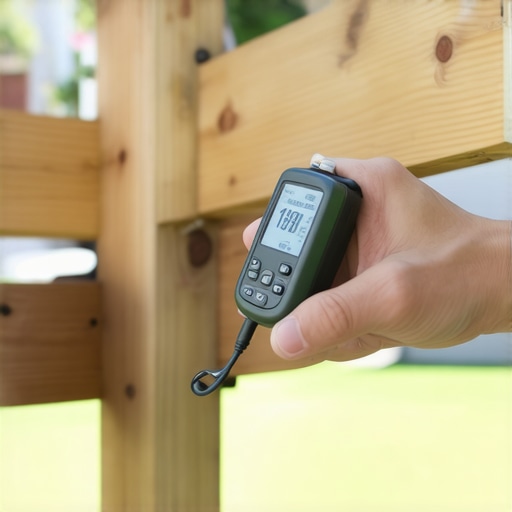
Additionally, a digital moisture meter is invaluable for checking humidity levels before sealing or staining wood components. While composite decks aren’t as susceptible to moisture issues, pergola wood beams benefit greatly from accurate moisture readings. I prefer the AcuRite Digital Moisture Meter due to its quick readings and user-friendly interface. It helps me pinpoint the right timing for sealing, prolonging the structure’s integrity and appearance.
Investing in a reliable cordless drill with adjustable torque settings is a must for DIY upkeep and minor repairs. The DeWalt DCD771C2 has served me well, especially for inserting fasteners or installing new brackets. Its versatility makes it a go-to tool for updating railing systems or adjusting pergola lathings, ensuring safety and style over the years.
How do I keep outdoor structures looking their best over time?
Long-term maintenance really comes down to consistent monitoring and timely interventions. Regularly inspect for loose fasteners, rusted hardware, or signs of wood rot in pergola posts. Applying a protective sealant designed specifically for composite decks, like our recommended sealers, can prevent stains, UV damage, and material breakdown.
For wood elements, I suggest annual sanding and sealing to combat sun exposure and moisture. Using a Power Sander with variable speeds speeds up the process and reduces manual effort. This not only keeps the wood smooth but also allows better adhesion of sealants and stains, extending the lifespan significantly.
Trend-wise, outdoor living areas are shifting toward low-maintenance, high-durability materials. Composite trends continue to evolve, with newer formulations resisting mold and discoloration more effectively. Stay updated through sources like this resource to select products that will stand the test of time.
Quick tip for ongoing upkeep
Don’t overlook the importance of a drainage system under your deck; it prevents water pooling and mold growth. Regularly clearing drainage channels with a flexible metal brush enhances airflow and reduces maintenance frequency. Try incorporating this into your annual maintenance routine—the simplicity of this step can dramatically extend the life of your deck or pergola.
Now, take a moment to evaluate your current tools. Could upgrading to a moisture meter or a power sander help you stay ahead of issues? Exploring advanced tools and methods is a proven way to protect your investment and enjoy a beautiful outdoor space for years to come.
Remember, the key lies in proactive maintenance using the right equipment. For detailed method guides and product suggestions, visit our comprehensive guides. Don’t hesitate—try one of these tool upgrades today and see the difference in your outdoor space’s longevity!
The Hidden Lessons Beneath My Deck’s Surface
One of the most eye-opening realizations I encountered was how seemingly minor oversights, like neglecting proper drainage or choosing the wrong fasteners, can lead to long-term issues that are costly and frustrating. I once dismissed the importance of a slight pitch in pergola rafters, only to learn the hard way that water pooling can cause rot and sagging. It taught me that attention to detail from the outset can save years of headaches later. Additionally, I discovered that customizing my cleaning routine based on the specific materials and stains, like red wine on composite boards, made a dramatic difference in maintaining their appearance. These lessons emphasized that proactive, informed care isn’t just maintenance—it’s an investment in your outdoor sanctuary.
Tools and Insights That Changed How I Protect Outdoor Spaces
A reliable microfiber deck brush, like the Corona Deck Brush, became my secret weapon for gentle yet effective cleaning without damaging delicate surfaces. I also swear by the AcuRite Digital Moisture Meter to determine humidity levels before sealing, ensuring longevity in both decks and pergolas. For quick fixes and precise repairs, my DeWalt cordless drill with adjustable torque settings proves invaluable. For those eager to elevate their outdoor spaces, trusted resources like latest composite decking trends and inspiring pergola designs provide the knowledge needed to choose durable materials and stylish designs that truly stand the test of time.
Step Into the Future of Outdoor Living Confidence
Embrace the journey of caring for your outdoor haven with a mindset rooted in curiosity and proactive action. Your deck and pergola are more than just structures—they’re settings for memories, relaxation, and beautiful moments. Investing in the right tools, learning nuanced techniques, and adopting a vigilant maintenance routine will ensure your outdoor space remains stunning and functional for years to come. Now is the perfect moment to take control and redefine your outdoor experience with confidence and pride. How will you start enhancing your composite decking and pergola care today? Share your plans below, and let’s grow together in this outdoor living adventure.