
Have you ever sat on your deck during a breezy evening, only to be startled by that sudden, loud ringing from your aluminum railing? I remember the first time it happened—relaxing with a cold drink when a gust of wind turned my peaceful outdoor space into an irritating symphony. It was a lightbulb moment that I couldn’t ignore. That high-pitched noise was not just a nuisance; it was a sign of a problem that many deck owners overlook.
Why Your Aluminum Railing Has Lost Its Silence—and How to Fix It
Many homeowners deal with the ringing without realizing there are simple, effective solutions. In this post, I’ll share the techniques I’ve tested and refined over years to keep my deck peaceful and enjoyable. Whether you’ve just noticed the noise or it’s become a recurring annoyance, I promise we’ll explore practical fixes that actually work. After all, your outdoor space should be a haven, not a source of constant noise.
Is the Noise Worth Worrying About or Just Annoying? Think Again
In my early days, I made a critical mistake: I dismissed the ringing as just a minor annoyance. That was a mistake, because it indicated that my railing needed attention. Ignoring it could lead to faster wear or even damage over time. According to industry experts, unaddressed issues with railing systems can compromise safety and longevity (see this detailed guide), making it essential to tackle the problem early. So, have you experienced this ringing? It’s more common than you might think, and fixing it is simpler than you imagine.
Getting your railing quiet again isn’t just about comfort; it’s about preserving your deck’s integrity and your peace of mind. Let’s turn that noisy frustration into a thing of the past. We’ll proceed with easy-to-follow steps to silence your railing, ensuring your outdoor evenings remain calm and serene.
Identify the Source of the Noise
First, access your railing joints and connection points. I remember a humid Saturday when I noticed the ringing intensified after a rain; this was a clue that moisture played a role. Use a dry cloth to wipe metallic contact areas, looking for rust or corrosion, which can exacerbate sound issues. Confirm whether the noise originates from loose fittings, metal-on-metal contact, or thermal expansion. Taking the time to pinpoint the root cause makes subsequent fixes more effective.
Secure Loose Fittings and Fasteners
Loosen and tighten screws or bolts that hold the railing sections together. I once had a railing that wobbled slightly; tightening the anchoring screws with a socket wrench reduced the movement and the ringing. Ensure all fasteners are properly torqued per manufacturer specifications. Over-tightening can strip threads; if a screw is too tight, back off slightly. Regular maintenance here prevents future loosening—think of it as tightening the bolts on a bicycle to keep it smooth.
Add Padding to Reduce Metal Contact
Use rubber or silicone pad spacers between metal contact points. During my second attempt, I cut small strips of weather-resistant rubber (found at hardware stores) and slipped them into the contact points. These act like silent buffers, dampening vibrations that cause ringing. 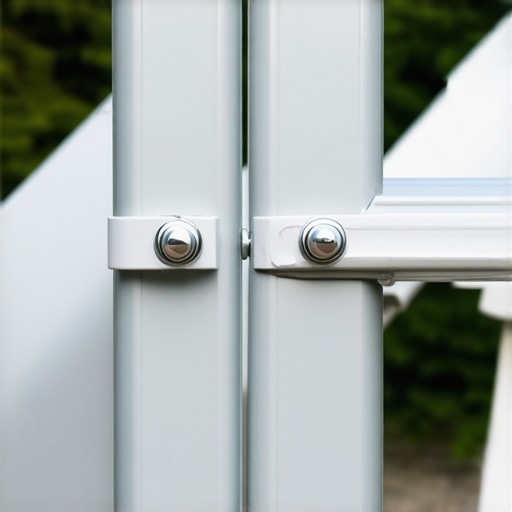 For a visual, imagine the padding as the cushioning in a shoe, absorbing shocks and reducing noise. Make sure the pads are securely placed and won’t shift over time.
Apply Anti-Rattle or Sound-Dampening Tape
Wrap self-adhesive foam or tape around contact areas. I used weatherproof foam tape on the rail brackets, which greatly cut down the vibrations. Peel and stick the tape to the contact surface; press firmly to ensure adhesion. This step is especially effective if the noise is due to small vibrations intensifying in windy conditions. Remember, this is a quick fix that can be reapplied if needed, acting like a damper in a musical instrument to quiet unwanted sounds.
Address Expansion and Contraction
Metal naturally expands or contracts with temperature changes, causing tapping sounds. To accommodate this, leave small gaps (about 1/8 inch) at connection points during installation, if not already in place. For existing railings, consider installing expansion strips or washers at joints. This prevents the metal from rubbing against itself, which can create that high-pitched ring. During a chilly morning, I added small spring washers to allow for movement, and it significantly muted the noise.
Consider Alternative Railing Designs
If noise persists despite these measures, look into alternative railing styles or materials. Composite or vinyl railings are silent, as they don’t conduct sound like aluminum. I explored these options when I wanted a maintenance-free deck; you’ll find safety and style available without the ringing. Check out custom railing options to match your aesthetic while eliminating noise issues.
Applying these steps methodically turned my noisy railing into a peaceful part of my outdoor space. With patience and the right materials, you can silence your aluminum railing and reclaim the tranquility of your deck.
Don’t Believe Everything You Hear About Deck Materials
One widespread misconception is that composite decking requires no maintenance at all. While it’s marketed as low-maintenance, in reality, neglecting periodic cleaning and inspections can lead to issues like mold, warping, or color fading. Experts from this resource emphasize that proper upkeep extends the lifespan of composite boards beyond the typical warranty period. Many homeowners overlook this nuance, assuming that composite is entirely maintenance-free, which can result in costly repairs or replacements down the line.
Beware of Railing Designs That Seem Perfect but Are Actually Flawed
Contrary to popular belief, choosing a railing system based solely on aesthetics can compromise safety and longevity. For instance, some opt for ornate or thin balusters to achieve a modern look, but these can be too widely spaced, violating safety codes and increasing trip hazards. A study published by the National Association of Deck Safety highlights that proper spacing and sturdy hardware are critical for both safety and compliance. Overlooking these details, often seen in trendy designs, can lead to legal issues or accidents—something no homeowner wants to face.
Advanced Question: Are There Hidden Risks in Pergola Construction That Most Ignore?
Absolutely. Many assume that a straightforward pergola with basic bracing will suffice, but overlooking complex load calculations and wind resistance can cause significant problems. For example, inadequate diagonal bracing or improper attachment to the deck structure can result in wobbling or collapse under heavy weather conditions. Experts recommend installing compatible, code-compliant bracing and ensuring that pergola posts are anchored into stable footings—details discussed thoroughly in this guide. Failing to address these nuances might seem insignificant initially but could lead to expensive repairs or safety hazards over time.
Making assumptions about these common points of oversight can be costly. It’s essential to dig beneath the surface of popular “rules” and understand the critical details that ensure durability, safety, and style. Have you ever fallen into this trap? Let me know in the comments.
Remember, a well-informed homeowner recognizes that mastery of deck design involves understanding these hidden nuances, not just selecting the most attractive option. For more in-depth guidance, explore innovative deck design ideas or other expert resources to elevate your outdoor space with confidence.
.Maintaining your pergola, composite decking, and railing systems over time requires not only diligent inspections but also the right tools and methods to ensure longevity and appearance. One of my favorite investments is a high-quality digital torque wrench like the **CDI Torque Wrench**; it guarantees all fasteners are tightened to the manufacturer’s specifications, preventing issues caused by over- or under-tightening. Regularly using a torque wrench, especially on railing bolts, helps avoid loosening that could lead to rattling or structural failure, saving you costly repairs in the future. Additionally, a cordless oscillating multi-tool such as the **Dremel Multi-Max** proves invaluable for precise, vibration-free sanding or cutting around delicate areas during maintenance or adjustments. Its variable speed allows careful handling, which is crucial when working on composite boards, where too much heat or force can cause melting or damage. To detect moisture intrusion or hidden rot in your deck’s framing, I recommend a digital moisture meter like the **Moisture Encounter Plus**; early detection here can prevent significant framing issues and preserve your investment. For cleaning, I swear by using a pressure washer with adjustable settings—set to low pressure for composite surfaces—to avoid surface damage while effectively removing dirt, mold, or stains. I always balance pressure and nozzle size carefully, choosing a 25-degree nozzle to ensure thorough cleaning without harm. Looking ahead, I predict that integrated smart sensors into railing posts and joist systems will become the next standard, alerting homeowners to structural weaknesses or moisture buildup in real-time, extending lifespan and safety. How do I maintain decking and railing systems over time? My approach combines routine visual inspections, semi-annual tightening of fasteners with a torque wrench, and targeted cleaning using gentle pressure washing and appropriate cleaning agents. Consider adding a **weatherproof sealant** to your composite boards every few years, which can improve color retention and resist staining. Finally, invest in a reliable, cordless multi-tool for quick repairs and adjustments; this single device has saved me hours during maintenance. If you’d like to try one of these advanced techniques, start with regularly checking your fasteners’ torque with a high-quality wrench—it’s a simple step that pays off in safety and durability. For more ideas on expanding your outdoor living space’s longevity, visit our latest deck designs.
What I Wish I Knew About Pergola and Railing Secrets
- Sometimes, the most overlooked detail—like proper bracing—can make or break your pergola’s durability. I learned this the hard way, discovering that a simple diagonal brace can prevent wobbles even during gusty days, saving me costly repairs down the line.
- Choosing the right materials isn’t just about aesthetics. I initially went for trendy aluminum railings, only to find out that proper sealing and maintenance are essential to prevent rattling and corrosion, especially in coastal climates. Trust me, informed choices save you headaches.
- Small installation nuances, such as leaving expansion gaps during setup, can prevent future squeaks and structural issues. It’s these fine details that transform a good deck into a safe, long-lasting outdoor retreat.
Tools and Resources That Changed My Decking Game
- The Moisture Encounter Plus moisture meter is indispensable—I use it to catch hidden rot before it spreads, prolonging the lifespan of my deck’s framing. Trust me, early detection makes all the difference.
- A high-quality digital torque wrench keeps fasteners tight and secure, preventing those annoying rattles and structural flaws. I recommend it for anyone serious about maintenance.
- When I need to clean or adjust my composite decking, my Dremel Multi-Max allows precision work without damaging the surface—saving time and money.
- For design inspiration, I always check out the latest innovative deck ideas. It keeps my projects fresh and functional, blending style with longevity.
This Is Your Chance to Transform Your Outdoors
Remember, building a lasting outdoor space isn’t just about following steps—it’s about understanding the little secrets that set apart a temporary fix from a true masterpiece. With patience and the right knowledge, your pergola, composite decking, and railing system can become more than just structures; they’ll be your sanctuary for years to come. So, why wait? Start implementing these insights today and turn your backyard into the retreat you’ve always envisioned. If you’ve faced unique challenges or discovered your own tips, share your story below—your experience might inspire someone else’s next breakthrough.