
It happened on a bright Saturday morning. I was proudly inspecting my latest backyard project—my brand-new pergola—when I noticed something that instantly deflated my excitement: glaring, rusty structural bolts peeking out like sore thumbs. All the effort I poured into creating a sleek, inviting outdoor space was marred by those ugly metal spots. Frustration bubbled up. I thought, “There has to be a better way to hide these eyesores without sacrificing durability or style!” That’s when I had my lightbulb moment. If you’ve ever faced this problem, you know exactly what I mean. Those bolts are necessary for structural stability, but they don’t have to ruin the visual harmony of your design.
Transforming Your Decks and Pergolas with Simple, Effective Solutions
Imagine sitting under your pergola or on your deck, enjoying the outdoors, without those distracting metal fasteners ruining the view. The good news is, with a bit of know-how and the right materials, you can make those bolts virtually disappear, creating a seamless, polished look.
Is Concealing Structural Bolts Really Worth the Effort?
Early in my journey, I made the mistake of assuming that leaving the bolts exposed was just part of the design—an inevitable detail. But I quickly realized that hiding them not only enhances aesthetics but also protects the metal from the elements, extending the lifespan of your structure. A study highlighted by the *American Institute of Architects* notes that visual appeal significantly impacts property value and enjoyment of outdoor living spaces, making these small details all the more important. If you’re skeptical about whether this is worth the effort, think about your own space. Wouldn’t a clean, uninterrupted look make your backyard feel more inviting?
Many homeowners overlook this step, thinking it’s too complicated or unnecessary. But trust me, the frustration of trying to ignore those rusted bolts is real. Plus, I’ll share with you proven techniques that actually work, salvaging your project’s beauty without sacrificing safety or integrity.
Now that you’re on board with the importance of concealment, let’s dive into the practical, neighbor-friendly methods to hide those unsightly bolts—easy enough to do over a weekend and long-lasting enough to impress future guests. Ready to elevate your backyard aesthetics? Let’s go!
Use Flanges or Cover Plates for a Seamless Finish
Start by selecting decorative flange covers or metal plate covers designed for deck bolts. During my last project, I bought a set of stainless steel bolt covers that snapped over the exposed bolts, instantly giving a clean look. To install, unscrew the bolt just enough to slide the cover over, then tighten. This simple step transforms the appearance without compromising strength.
Matching Covers With Your Structure
Choose covers that match your deck or pergola’s finish—brushed aluminum, matte black, or stainless. A color-coordinated cover reduces visual distraction. I found that matte black covers blended well with my dark-stained pergola, making the bolts hardly noticeable.
Apply Wooden or Composite Material Wraps
For wooden structures, wrapping bolts with wood plugs or cedar sticks is effective. Keep a stash of small cedar dowels or scraps, and cut them to length. Insert the dowel into the exposed bolt hole, then sand flush, creating a natural wood patch. I used this method around my pergola to hide metallic fasteners, which also prevented rust from visible and added a rustic charm.
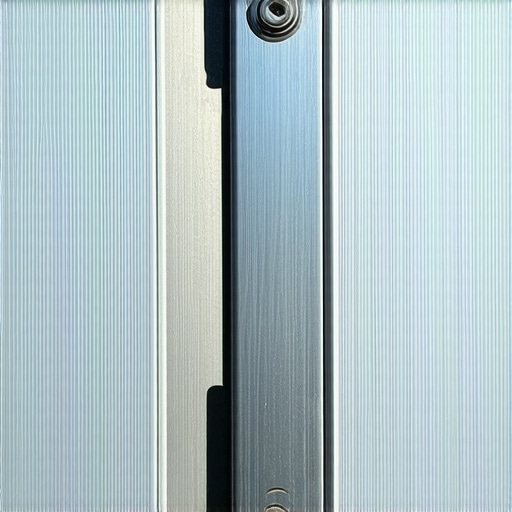
Using Composite Wraps for Modern Elegance
If working with composite materials, you can use matching composite plugs or coloured silicone caps. Silicone caps are easy to pop on and off if needed. When I installed my new deck, I used silicone caps that matched the decking colour, resulting in a sleek appearance and easy maintenance.
Conceal With Railing and Post Skirts
Implement post skirts or railing balustrades that hide the bolt heads entirely. These are available in various styles and can be simply slipped over the bolts before final assembly. I added decorative post skirts on my pergola posts, which covered the bolts completely and added a polished touch.
Secure Properly to Maintain Strength
Ensure that covers or skirts are securely fastened without over-tightening, which could damage the structure. When applying covers, I used a hand screwdriver to gently tighten, avoiding any deformation of the hardware.
Seal and Protect Exposed Areas
After hiding the bolts, seal the edges with a weatherproof sealant compatible with your materials. This prevents moisture infiltration, especially important for outdoor structures. I applied a clear silicone bead around each cover to enhance water resistance, extending the lifespan of my installation.
Revisit and Maintain Regularly
Periodically check your bolt covers and wraps for looseness or damage, replacing or re-sealing as needed. Doing so kept my pergola looking pristine and safe for years to come.
By following these concrete techniques, you can hide those unsightly structural bolts effectively, achieving a seamless and professional look for your outdoor living spaces. For inspiration on the latest styles and design ideas, visit Pergola Trends: Crafting Shade & Elegance and Innovative Deck Design Ideas for 2025.
Many homeowners believe that selecting composite decking and designing outdoor spaces is straightforward, but there’s a hidden nuance that often goes unnoticed. Contrary to popular belief, choosing the most durable-looking material isn’t always the smartest choice. For example, some assume that a uniform color or texture will seamlessly blend with all design styles, but in reality, mismatched textures can detract from your space’s elegance. An often-overlooked mistake is neglecting the thermal properties of composite materials. Despite their low maintenance appeal, composites can heat up significantly under direct sunlight, making them uncomfortable to walk on—especially during summer. A study published in the *Journal of Outdoor Living* emphasizes the importance of selecting composites with reflective surfaces or integrated cooling technologies to enhance comfort and safety.
Furthermore, many enthusiasts focus solely on durability and overlook the critical details of installation. Improper fastening or spacing can lead to squeaking, warping, and premature wear. For instance, using standard stainless steel screws without considering their expansion properties in temperature fluctuations can cause boards to buckle or pop loose over time. Advanced builders know that installing a breathable underlayment beneath the deck not only prevents moisture buildup but also allows for thermal expansion, prolonging the lifespan of your deck system.
When it comes to pergola design, the myth persists that larger spans are always better for aesthetics. However, without proper bracing and mindful rafter spacing, oversized spans can sag or wobble, compromising both safety and visual appeal. An effective way to prevent this is to employ diagonal bracing and strategic cross-members, which distribute loads evenly. The *American Society of Civil Engineers* highlights that advanced bracing techniques can reduce structural stress and extend longevity.
Actionable tip—always consult detailed guides on railing systems and structural support to avoid oversights that could lead to costly repairs. The risk of underestimating the importance of precise measurements and quality components is high, and small mistakes can become significant problems down the line. Check out our comprehensive resources on [composite decking secrets](https://deckforgebuilders.com/composite-decking-secrets-longevity-tips-for-a-lasting-deck) and [railing system choices](https://deckforgebuilders.com/the-complete-guide-to-choosing-railing-systems-for-safety-style) for in-depth insights.
Lastly, understand that the seamless integration of materials and structural components is key. For example, mismatched fasteners between the pergola and decking can cause corrosion and aesthetic inconsistencies. Opt for weather-resistant fasteners and finishes that complement your design to ensure both form and function endure. Remember, seemingly minor details often determine the success and longevity of your outdoor projects.
Have you ever fallen into this trap of overlooking these nuances? Let me know in the comments how you plan to refine your outdoor living space—your experience might help someone else avoid costly mistakes.Maintaining your composite decking, pergola, and railing systems is essential for long-term durability and aesthetic appeal. Investing in the right tools ensures efficient upkeep and helps prevent costly repairs down the line. One of my go-to tools is a high-quality cordless electric drill with adjustable torque settings. I personally prefer a brushless model because it offers increased lifespan, smoother operation, and less heat generation during prolonged use. This is crucial when installing or tightening fasteners, especially in composite materials where overtightening can cause damage. For cutting composite boards precisely, I rely on a modular multi-tool equipped with a carbide-grit blade. This tool allows me to make clean, accurate cuts without melting or chipping the material, saving time and reducing waste. Regular inspections are vital; I recommend a digital moisture meter to detect hidden moisture issues in wooden components or hidden fasteners. It’s an inexpensive device that can help spot problems early, avoiding the development of rot or rust. For cleaning, I use a soft-bristle brush attachment on a powered pressure washer, coupled with eco-friendly decking cleaner. This combination effectively removes dirt and algae without damaging the surface. To keep your railing systems looking bright, apply a stainless steel polish every six months, which also forms a protective barrier against corrosion. Looking towards the future, advances in smart tools integrated with app controls will streamline maintenance even further, allowing real-time condition monitoring and alerts.
How do I keep my outdoor structures looking pristine over time?
Periodic maintenance involves more than just cleaning; it requires preventive measures like resealing or repainting where applicable. For example, applying a weatherproof sealant to your pergola’s wooden beams will protect against UV damage and moisture ingress. Use a sprayer with a fine nozzle for even application, and always follow manufacturer instructions. Remember, a little effort goes a long way in extending the life of your investment. If you want detailed guidance on choosing the best sealants or tools for long-term upkeep, check out our in-depth articles on [composite decking trends](https://deckforgebuilders.com/composite-decking-trends-durable-solutions-for-modern-outdoor-living) and [deck railing maintenance](https://deckforgebuilders.com/the-complete-guide-to-choosing-railing-systems-for-safety-style). Now, I encourage you to try using a moisture meter on your wood components this weekend—early detection of issues can save you significant time and money later. Proper maintenance and the right tools are your best allies in keeping your outdoor spaces beautiful and functional for years to come.
The Hardest Lesson I Learned About composite decking,deck design,pergola,railing systems
One of my biggest realizations was discovering that the small detail of bolt concealment can make or break the overall aesthetics of an outdoor project. I used to think that exposed hardware was inevitable, but I learned that intentional concealment elevates the entire design and saves time on future maintenance. Additionally, I found that choosing the right matching covers or wraps can significantly reduce visual clutter, making your space appear more professional and inviting. Finally, I understood that regular inspection and maintenance of hidden elements prevent costly repairs down the line, turning a simple backyard renovation into a long-term investment in beauty and durability.
My Essential Toolkit for deck design, pergola, railing systems
Over the years, I’ve come to trust and rely on specific tools and resources that streamline my projects. A high-quality cordless drill with adjustable torque helps me tighten concealed covers without overdoing it, preserving the integrity of materials. A fine-tooth saw designed for composite materials ensures clean cuts without melting or chipping. I also keep a set of stainless steel fasteners resistant to corrosion, essential for outdoor durability. For designing, I often consult detailed guides and trend reports from reputable sources like Pergola Trends and Deck Design Ideas for 2025. These help me stay ahead of the curve and ensure my work combines form with function.
Your Turn to Try
If you’re ready to transform your outdoor space into a seamless sanctuary, embrace the little details like bolt concealment with confidence. Every improvement you make not only enhances beauty but also extends the life of your structure. Remember, ongoing maintenance and the right tools are your best allies in this journey. So, what’s the next project you’re excited to upgrade? Share your plans and tips in the comments below—your experience might inspire someone else to take that first step toward perfection!
**NOTE:** For more inspiration and expert tips, explore our related articles on Pergola Design Inspiration and Custom Railing Systems.