I remember the moment clearly. I was halfway through building my first pergola, happily attaching the posts to a freshly poured concrete slab. Suddenly, I realized my posts wobbled just a bit too much when I leaned on them — a small movement, but enough to make me worry about long-term stability. That little wobble kept nagging at me, especially knowing how much I wanted this structure to stand firm for years to come. It was then I stumbled upon the secret that would change everything: the Hidden Bolt Move for Anchoring Pergolas to Concrete.
Why A Secure Pergola Matters More Than You Think
Your outdoor space is an extension of your home’s comfort and style. But if your pergola isn’t anchored properly, it can turn from a charming feature into a shaky, unreliable structure. Over time, even the best-looking pergolas can suffer from concrete cracks or shifting posts, especially in climates with freeze-thaw cycles. According to a study by the Concrete Network, improper anchoring can lead to structural failures that are costly and dangerous. That’s why knowing the right techniques upfront is crucial.
In my early projects, I made a common mistake—using regular anchors without considering the unique demands of pergola weight and wind loads. This oversight left me vulnerable to post wobble and potential safety hazards. Thankfully, after some trial, error, and expert advice, I discovered the Hidden Bolt Move—an elegant solution that offers unmatched stability without compromising aesthetics.
Could this simple move really make a difference? Or is it just hype?
If you’re skeptical, believe me, you’re not alone. I was too at first. That’s why I’ll walk you through the exact steps I took, including common pitfalls to avoid. And if you’re worried about installing bolts that are visible and ugly, I’ll also share tips on keeping everything neat and tidy. This approach isn’t just about making your pergola sturdy—it’s about doing it right from the start, so you’re free to enjoy your space worry-free for years to come. Curious? Let’s dive into how the Hidden Bolt Move can give your outdoor oasis the anchoring it deserves.
Preparing for the Perfect Anchor
Start by selecting the right location for your pergola, ensuring it’s on a solid, level concrete slab. Use a long spirit level across the slab to identify high spots or dips. In my messy first attempt, I forgot this step and ended up with uneven post heights, which caused squeaking and instability.
Drill Precise Holes
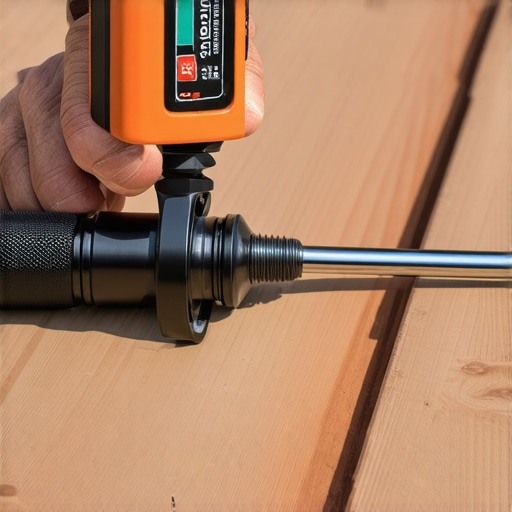
Mark the spots where your anchor bolts will go, ideally outside the pergola footprint but aligned with the base plates. Use a hammer drill with a carbide-tipped masonry bit, slightly larger than your anchor bolts, to drill into the concrete. Pressing too hard or rushing can cause cracks, so maintain steady pressure and let the drill do the work.
Insert and Set the Hidden Bolts
Clean out the drilled holes with compressed air or a brush to remove dust. Insert epoxy anchors or red-head wedge anchors according to manufacturer instructions, ensuring they are flush with the surface. For my project, I used epoxy because it filled gaps well and provided extra grip, especially in slightly cracked concrete.
Attaching the Posts with Hidden Bolts
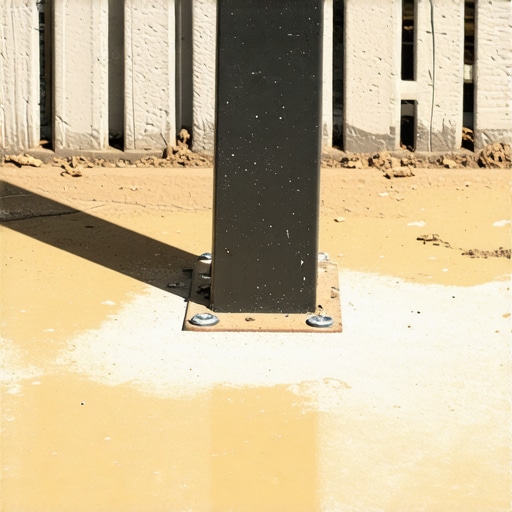
Place the metal post base plates over the anchors, aligning holes meticulously. Insert the bolts through the base plates, and tighten them with a wrench. During my first attempt, I forgot to double-check the alignment, resulting in crooked posts—an issue easily avoided by measuring and using a template for drilling.
Keep It Tidy and Secure
Use washers and nuts to tighten each bolt thoroughly. To hide the bolts and create a cleaner aesthetic, I filled the bolt heads with matching wood plugs or caps, giving my pergola a sleek look. This method not only secures the structure firmly but also protects the bolts from weathering—something I learned the hard way from rusting exposed hardware.
Additional Tips for Longevity
Apply a sealant or protective coating around the bolts and base plates to prevent moisture ingress, which can lead to rust and concrete spalling. Regularly inspect the anchors for signs of movement or corrosion, especially after severe weather. For more details on designing a stable pergola, check out our pergola design inspiration page.
Remember, the key to a long-lasting pergola is not just in choosing durable materials but in ensuring robust anchoring methods like the Hidden Bolt Move. With careful planning and precise execution, you can enjoy a sturdy, safe outdoor structure that stands the test of time.
 Many homeowners and DIY enthusiasts believe they understand the basics of building with composite decking, pergolas, and railing systems, but there are often overlooked nuances that can make or break a project. One prevalent misconception is that selecting the most popular composite material automatically guarantees durability. In reality, not all composites are created equal, and the hidden factors like core composition, UV resistance, and climate adaptability play a critical role in longevity. For example, studies by industry expert Mark Clement reveal that some composites degrade faster under intense sunlight if they lack proper UV inhibitors, contradicting the myth that all composite materials are inherently weatherproof.
Another common mistake involves underestimating the importance of appropriate fastening methods. Many assume that standard screws suffice, but stainless-steel, corrosion-resistant fasteners are essential for lasting performance, especially in coastal or humid environments. Using inferior fasteners can lead to rust streaks, loose connections, and safety hazards, with the added caution that improper fastening can void warranties. Choosing the wrong hardware is a nuanced decision often overlooked by beginners, so paying close attention here registers as an advanced mistake.
How can advanced decor choices impact structural integrity over time?
Some designers focus solely on aesthetics, like selecting elaborate railing styles or intricate pergola lattices, but neglect how these choices influence airflow and moisture buildup. For instance, overly dense shading structures can trap humidity, leading to mold or wood rot in adjacent framing components—fault lines for long-term failure. An expert tip is to balance style with function, ensuring adequate ventilation and drainage. This advanced insight underscores that aesthetics and durability must go hand-in-hand; otherwise, beauty can hide underlying structural vulnerabilities. Check out more about trends in outdoor pergola designs to ensure your project is both stunning and resilient.
Additionally, failing to consider thermal expansion can lead to warping or cracking in composite and wood elements, especially in regions with significant temperature swings. Using gaps or expansion joints correctly is a nuanced detail that experienced builders incorporate to prevent aesthetic disruptions and structural compromise. Don’t fall for the trap that all materials behave the same—seasonal changes can have profound impacts if not properly addressed. For more detailed advice, review our composite decking trends and learn how to adapt designs for your specific environment.
Keeping It Working: The Tools I Recommend for Durable Decks and Pergolas
Ensuring the longevity and stability of your outdoor structures involves more than just quality materials; it hinges on using the right tools and methods for maintenance and repair. Over the years, I’ve honed my toolkit to include specific equipment that guarantees precision and efficiency. One indispensable tool is the digital torque wrench. I rely on it to tighten bolts to manufacturer-recommended settings, especially when securing railing systems or pergola brackets. This prevents over-tightening, which can cause material stress, and under-tightening, which risks loosening over time.
Another game-changer is the multifunctional cordless drill with variable speed control. It allows me to switch between drilling holes and driving fasteners smoothly, reducing fatigue and increasing accuracy. I prefer models with brushless motors—these are more durable and provide consistent power, crucial during large projects or routine maintenance checks.
For inspecting and verifying structural integrity, I use a laser level. It ensures that all components—be it pergola rafters or deck joists—are perfectly aligned. Proper alignment isn’t just aesthetic; it distributes loads evenly, preventing warping or undue stress. Investing in a quality laser level has paid off in numerous projects by catching subtle misalignments early.
Now, maintenance also involves dealing with weather-related wear. I recommend having a high-pressure washer in your toolkit. When used correctly, it removes debris, algae, and mold that can compromise wood or composite surfaces. It’s vital to use the washer at appropriate pressure settings—around 1500-2000 PSI—to avoid damaging finishes or pushing water into vulnerable joints.
Looking ahead, I predict that automation and smart devices will become more integral to long-term structure maintenance. Think moisture sensors that alert you to potential rot or corrosion, and app-based tools that guide you through routine inspections. As these technologies evolve, staying updated ensures your decks and pergolas remain safe and stunning for years to come.
How do I maintain my deck or pergola over time?
The secret lies in regular inspections, timely cleaning, and applying protective sealants. Use a high-quality sealant periodically to prevent moisture infiltration—especially in joints and beneath hardware. Replace worn fasteners with stainless steel options to combat rust, and always check for loose bolts or wobbling posts after severe weather events. Incorporating these practices with the right tools will extend your structures’ lifespan and save you costly repairs in the future.
If you haven’t already, try using a torque wrench to tighten all visible fasteners—it’s a simple step that makes a significant difference in stability. For more advanced insights, visit our pergola design inspiration page to explore ideas that combine form and function seamlessly. Remember, maintaining your outdoor space is an ongoing process—equip yourself with the right tools and stay vigilant to enjoy your investment for many years.