
Imagine standing on your deck during a gusty day, expecting only the whisper of the wind… but instead, you’re greeted by an annoying hum coming from your cable railing system. I’ve been there. At first, I thought it was just the nature of cable railings—a minor nuisance I could ignore. But after a few persistent windy days, that hum became a constant background noise that I just couldn’t get used to. It was distracting and, frankly, a bit frustrating. That moment of irritation turned into my lightbulb moment: I needed to figure out how to silence that hum once and for all.
Why High Winds Turn Your Beautiful Railing into a Noisy Nuisance
The truth is, cable railings are appreciated for their sleek look and unobstructed views. But, often overlooked is their tendency to vibrate and hum in windy conditions. This isn’t just a minor annoyance—it’s a sign of underlying issues that, if left unaddressed, can lead to faster wear or even structural damage. According to a study by the University of California Cooperative Extension, vibrations caused by wind can accelerate component fatigue in outdoor metal structures, affecting their longevity and safety.
Are you tired of the relentless hum during storms or breezy days? Have you experienced the disappointment of your peaceful outdoor space suddenly turning into a noisy environment? You’re not alone. Many deck owners face this issue, and surprisingly, early mistakes—like neglecting proper tensioning or choosing incompatible hardware—can make the problem worse.
But here’s the good news: resolving this isn’t just about buying new parts or silencing the noise temporarily. It’s about understanding the root causes and applying practical, proven solutions. Over the next sections, I’ll share what I learned through trial, error, and plenty of research. Together, we’ll make your deck quiet again, so you can enjoy the breeze without the hum.
If this sounds familiar, stay with me. We’re about to uncover how to tame that unruly railing and reclaim your outdoor tranquility.
Identify the Vibration Points
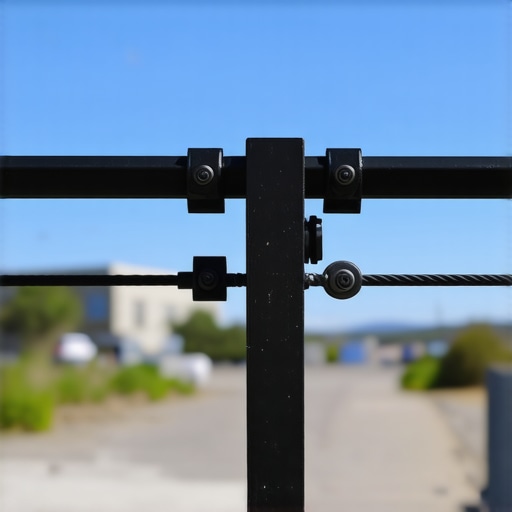
Start by inspecting your railing system during a windy day. Focus on the points where the cables attach to the posts and the tensioners. I once noticed a slight rattle at the tensioning hardware after a storm, which was the culprit. Secure or replace loose fittings to prevent vibrations that cause humming sounds.
Adjust Cable Tension Properly
Achieving the right tension is crucial. Too tight, and the cables may resonate more; too loose, they hum. Use a torque wrench or a cable tension gauge, ensuring the cables are tight enough to be firm but not overstressed. During my project, loosening some cables slightly reduced the hum significantly, making the deck peaceful again.
Install Dampening Devices
Attach vibration dampers or rubber grommets where cables contact fittings or posts. These materials absorb vibrations, reducing hum. I inserted small rubber pads between the cable fittings and the posts, which dampened the vibrations effectively. For more creative solutions, consider specialized anti-vibration clips designed for cable railings, like those discussed in this custom railing guide.
Secure Hardware and Post Attachments
Check all bolts, screws, and fittings regularly. Loose hardware acts like a guitar string, vibrating in the wind. I used a power impact driver to tighten all fittings, ensuring everything was snug. Adding lock washers or thread-locking compounds can prevent hardware from loosening over time.
Consider Adding Windbreaks or Screens
If the hum persists, installing windbreaks like lattice panels or privacy screens can reduce wind speed around the railing. This not only diminishes vibrations but also enhances privacy and aesthetics. I installed a decorative lattice on one side of my deck, which reduced the wind flow enough to eliminate the hum, creating a more tranquil outdoor space.
Regular Maintenance and Monitoring
Vibrations may change with seasonal weather patterns. Schedule periodic inspections, especially after storms, and adjust tension as needed. Keeping hardware tight and inspecting for wear prolongs your railing’s lifespan and keeps the noise at bay.
 While many think that choosing high-quality materials is enough for a long-lasting deck, the real nuances often lie in the details. A common misconception is that newer composite decking automatically guarantees durability, but in reality, installation techniques and environmental factors play critical roles. For example, some homeowners overlook proper ventilation beneath the deck, leading to trapped moisture and premature warping—an often unnoticed flaw that can cause long-term damage. Additionally, when selecting railing systems, opting for style over safety can become a costly mistake; ensuring baluster spacing adheres to code is essential to prevent accidents. An advanced consideration is understanding how thermal expansion impacts materials; for instance, composite decking can expand and contract significantly with temperature fluctuations, so incorporating adequate gaps and movement allowances is vital. Experts like the International Association of Certified Home Inspectors highlight that neglecting these small but crucial details is a leading cause of deck failures. As you plan your outdoor project, ask yourself if you’ve accounted for these subtle nuances to avoid future headaches. Have you ever fallen into this trap? Let me know in the comments.Maintaining a beautiful, long-lasting deck requires more than just routine inspections—it hinges on the right tools and methods that ensure durability and safety over time. One indispensable weapon in my arsenal is the **digital torque wrench**, which I personally rely on to achieve precise tension in cable railing fittings. Unlike standard torque screwdrivers, a high-quality digital model allows me to set exact torque values, preventing under-tightening that causes rattles and over-tightening which can stress the hardware. This level of precision is crucial, especially when working with stainless steel components subject to thermal expansion.
For cutting composite boards cleanly without melting or chipping, I prefer **blade saws equipped with carbide-tipped blades**. These blades maintain sharpness longer and cut through tough materials smoothly, saving me hours during installation or repairs. I also swear by **hi-vis inspection mirrors** for hidden inspection points—snaking into tight corners of railing posts or under joists where dust, debris, or corrosion can lurk unnoticed. Regular checks with these mirrors prevent small issues from escalating into costly repairs.
When it comes to cleaning and protecting your deck, **pressure washers with customizable nozzles** are my go-to for surface prep, ensuring dirt and grime are swiftly removed without damaging the surface. For applying protective coatings, I lean on **foam brushes and sprayers** for even application, which helps the sealants or finishes adhere better and last longer.
Predicting future trends, I believe automation and smart sensors will soon play a central role in outdoor maintenance. Imagine sensors that track tension levels or detect corrosion in real-time, alerting you before any problem becomes serious. This proactive approach can extend the lifespan of your deck and railing systems significantly.
How do I maintain my deck and railing systems over time?
Regular, detailed inspections combined with the right tools can make all the difference. Checking hardware tightness with a digital torque wrench, verifying structural integrity with mirrors, and scheduling seasonal surface treatments ensure your outdoor oasis remains safe and stunning for years to come. Incorporating these methods now will save you headaches down the line and help you avoid costly repairs or replacements.
As you implement these advanced maintenance techniques, I recommend trying the precise tensioning approach with your cable rail fittings. Use a **digital torque wrench** to set exact torque specifications recommended by hardware manufacturers, typically around 30-40 ft-lb. Doing so not only minimizes vibrations and hum but also preserves the structural integrity of your railing system, especially during seasonal changes. For further tips on upgrading your railing systems for safety and style, visit [here](https://deckforgebuilders.com/transform-your-outdoor-space-custom-railing-systems-for-safety-and-style).
Over the years, my experience with deck design and railing systems has taught me that every detail counts—especially when aiming for a tranquil outdoor retreat. The most unexpected lesson came when I discovered that proper tensioning and vibration damping are not just technical steps—they’re essential in creating a peaceful backyard sanctuary. Small adjustments, like incorporating rubber grommets or fine-tuning cable tension with a digital torque wrench, transformed my noisy, wind-squeaked deck into a serene haven. I’ve learned that paying attention to these nuances ensures longevity and safety, but also preserves that perfect moment when nature’s breeze is a gentle whisper, not a constant hum. Incorporating windbreaks and scheduled maintenance can further protect your investment, embedding calm into every gust. Ultimately, embracing these insights has enriched not just my deck, but my entire approach to outdoor living—reminding me that in craftsmanship, as in life, the smallest detail can make the biggest difference.