
Ever found yourself stepping out into your tiny backyard only to feel its cramped, cluttered, and uninspiring? I remember the moment I realized my urban backyard was a missed opportunity. Despite its size, I wanted a space that felt inviting and functional—not just a patch of grass or a few weathered pavers. The lightbulb went off when I understood that brilliant layout and smart design could transform even the tightest spaces into a backyard oasis.
Why Clever Deck Layouts Matter More Than You Think
Designing a deck in a limited space isn’t just about fitting a few chairs or a tiny table. It’s about maximizing every inch, creating flow, and ensuring the space doesn’t feel like an afterthought. Small backyards can be surprisingly versatile when approached with the right strategies. From integrating multi-level designs to choosing the right materials, every decision can double or triple your usable area. For example, using composite decking offers durability with a sleek look that suits compact spaces perfectly, making maintenance a breeze and extending the deck’s lifespan.
Early in my journey, I made the mistake of choosing standard lumber for my deck. The wood warped and splintered within a few years, turning my dream space into a maintenance nightmare. That experience taught me that choosing the right materials and layout isn’t just about aesthetics but about longevity and ease of use. Want to avoid that mistake? It’s crucial to look into low-maintenance options that are perfect for small, high-traffic areas.
Does Your Small Backyard Feel Too Crowded or Stifling? Here’s What to Do
If you’ve ever felt cramped in your own outdoor space, I bet you’re wondering how to make it more open and inviting. Well, you’re in the right place. Today, I’ll share proven layout ideas and clever design tricks—things I wish I knew when I first started—and a few pitfalls to avoid. This isn’t just about throwing down some planks; it’s about crafting a space that reflects your style while making every square inch count.
Let’s dive into the specifics of what works—and what doesn’t—in small backyard deck design. By the end, you’ll be ready to turn your compact outdoor area into a personal retreat that feels spacious, functional, and absolutely you.
Build a Solid Foundation and Plan Your Layout Carefully
Start by measuring your space precisely, then sketch a layout that maximizes functionality without overcrowding. Use a string line to mark the perimeter, ensuring straight, clean lines. I once mistakenly skipped this step and ended up with crooked edges that I had to redo—lesson learned, accuracy matters. Choose a durable foundation, like concrete footings, and consider using adjustable pier blocks to level uneven terrain.
Choose the Right Materials that Stand the Test of Time
Opt for composite decking such as composite decking; it’s low-maintenance and resists warping, perfect for small spaces where you want minimal upkeep. When selecting a railing system, prioritize safety and style. For example, stainless steel balusters provide a sleek look and are rust-resistant, especially near pools or humid climates. Use this guide to choose the best option for your needs.
Create Visual Flow with Thoughtful Railing and Edge Treatments
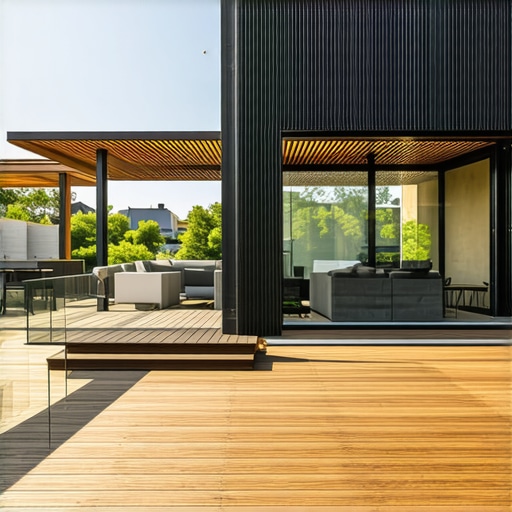
Install a railing that offers safety without blocking sightlines. A minimalist glass railing can make your space feel larger, while a classic wood handrail provides a cozy vibe. Remember the overhang rule when installing joists; maintaining a proper overhang prevents water from pooling and protects your structure. Use a string line to ensure your balusters are evenly spaced—this small detail drastically improves the overall look and feel.
Add Architectural Interest with a Pergola or Shade Structure
Incorporate a pergola to define the space and add shade. Use these design ideas to select a style that complements your home. For small yards, a cantilevered pergola without visible support posts can open up the area, making it seem more expansive. When building, use diagonal bracing for stability—this technique prevents sway and adds a touch of craftsmanship. I once built mine with a simple diagonal brace and noticed the difference immediately; it felt sturdy and seamless.
Add Finishing Touches that Reflect Your Style
Incorporate lighting, planters, or built-in seating to personalize your space. Use low-profile furniture to keep sightlines open and avoid clutter. To prevent splinters or splits in your deck surface, follow the overhang rule and use the right fasteners, such as stainless steel screws. Regularly inspect your deck for loose boards or wobbly railings—tightening fasteners and securing posts enhances safety and longevity.
Don’t Overlook Railing Systems: What’s Really Important?
Many homeowners assume that any railing will suffice for safety and style, but in reality, most get the details wrong. For example, spacing between balusters is often underestimated. Industry standards recommend no more than 4 inches apart to prevent children from slipping through, but some DIY projects ignore this rule, risking safety and legal issues. Additionally, the choice of material is crucial; while some believe all glass railings are fragile, high-quality options with protective nano coatings can withstand harsh conditions—if installed correctly. Skimping on this step can lead to foggy or damaged glass over time. To get it right, some turn to comprehensive railing guides. Many ignore the importance of proper post anchoring, which can cause wobbling or failure, especially in windy conditions.
Advanced deck design goes beyond the basics
Contrary to popular belief, maximizing small spaces isn’t about cramming in as much as possible. Instead, strategic layout adjustments—like using multi-level designs or carefully placed planter boxes—can create the illusion of space and improve functionality. A common mistake is uneven joist spacing, which causes deck boards to warp over time. Experts suggest following the overhang rule to prevent splits and ensure even expansion. Incorporating clever visual cues, like texture contrasts or layered plantings, also enhances perception of space. This nuanced approach can transform a tiny yard into an inviting retreat.
Composite decking misconceptions
A widely held myth is that all composite decking is equally durable and resistant to fading. In fact, as analyzed in expert reviews, brands vary significantly in quality. For instance, some composite boards are more prone to scratching or discoloration when exposed to direct sunlight. Homeowners often choose based solely on price or appearance, neglecting the importance of UV resistance and anti-scratch properties. To ensure longevity, selecting top-rated, low-maintenance options tailored for your climate is critical. Failing to do so might lead to expensive replacements sooner than expected.
Perplexing pergola placements and styles
Many believe that a pergola’s primary purpose is shade, but in reality, placement and design greatly impact its effectiveness and aesthetic appeal. For example, siting a pergola in a shady spot without considering prevailing winds can lead to structural issues and discomfort. Similarly, a free-standing pergola with visible support posts may look less appealing than a cantilevered design without supports, but it requires precise calculations and reinforcement—something often overlooked. Using modern trends helps homeowners blend style and functionality, turning a simple structure into a statement piece. Neglecting proper bracing or not following best practices can cause long-term stability problems, especially under heavy snow or wind load. Remember, consulting expert plans or professional guidance can prevent costly mistakes.
Maintaining your outdoor structures like decks and pergolas requires more than just DIY enthusiasm; it demands the right tools, a systematic approach, and knowledge of durable materials. Over the years, I’ve refined my toolkit and methods to ensure my installations stay stunning and functional for the long haul.
Essential Tools for Longevity and Ease of Maintenance
One tool I can’t do without is a digital moisture meter. It helps me assess wood and composite health, identifying areas prone to rot or warping before they become visible problems. I prefer the Extech MO290 because of its accuracy and ease of reading, which saves me time during inspections. A high-quality cordless impact driver is equally vital; I use the DeWalt DCF887 due to its adjustable torque settings and ergonomic design, making repetitive tasks like tightening screws on railings and pergola braces less tiring and more precise.
For cleaning, a stiff-bristle deck scrub brush paired with a variable pressure washer, like the Karcher K5, allows me to refresh my decking and pergola supports without damage. Consistent cleaning prevents mold and grime buildup, and power washing at the correct pressure (around 1500 PSI for composite decks) cleans effectively without etching surfaces.
Choosing Maintenance-Boosting Software and Techniques
To keep track of maintenance schedules, I rely on specialized apps like DecksApp which reminds me of the next sealing or cleaning date based on my local climate data. By setting reminders, I avoid neglecting crucial maintenance intervals and extend the lifespan of my structures. For instance, applying a nano-coating to glass railings every 1-2 years ensures clarity and protection against the elements, as explained in detailed guides.
Long-Term Results and Future Trends
Investing in quality tools and disciplined maintenance pays off. My decks have resisted warping, fading, and corrosion far longer than I anticipated, with some components approaching a decade of service. Industry experts predict the rise of smart, sensor-equipped materials that can notify homeowners of damage or wear directly via their smartphones. Embracing these advancements now allows you to preempt costly repairs and keep your outdoor areas pristine.
How do I keep my railing systems functioning smoothly over time?
Regular lubrication and tightening of fasteners are key. I recommend using a corrosion-inhibiting lubricant like Permatex Dielectric Grease on all fittings annually—it prevents rust and makes future adjustments easier. Additionally, inspecting baluster spacing and replacing worn components promptly preserves safety and aesthetic appeal. Using professional-grade fasteners, like stainless steel screws, ensures durability in humid or salty environments. Keep in mind that consistent checking and minimal disruption with proper tools will keep your railing systems stable and beautiful for years to come.
To test the effectiveness of your maintenance routines, perform the spray test—frequently used in professional maintenance, this helps verify your water resistance levels and guides timely reapplications.
Try integrating a dedicated maintenance routine with these precise tools and techniques. Not only will your outdoor spaces look impeccable, but they’ll also stand up to weather, time, and use, transforming your backyard into a true sanctuary.
Little Secrets That Changed My Approach to Decks and Pergolas
The biggest lesson I learned about railing systems and deck design is that patience and meticulous planning outweigh rushing into projects. I once hurried through measurements, only to discover later that my railings wobbled—wasted time, money, and effort. Now, I double-check everything with a laser level and take my time when installing fasteners, which pays off with stable, safe, and stunning outdoor spaces. I also realized that choosing high-quality composite decking isn’t just a luxury—it’s a necessity. Cheaper options fade faster, warp, and require more maintenance, negating initial savings. By investing in top-rated low-maintenance materials, I’ve maintained my deck’s beauty for over a decade, avoiding costly replacements and repairs.
Tools and Resources That Keep My Projects on Point
My toolkit has evolved with some game-changing items, like my digital moisture meter, which alerts me to potential structural issues before they become visible. I rely heavily on impact drivers with adjustable torque settings for precise work, especially when installing railing posts and pergola braces. A power washer equipped with the correct pressure setting helps me keep my decks looking fresh without damaging surfaces. Additionally, I utilize specialized apps like DecksApp to schedule maintenance and monitor the health of my outdoor structures—these tools save time and extend the life of my investments. For comprehensive guidance, I turn to trusted sources like expert reviews on composite decking to select materials suited for my climate and style.
Believe in Your Backyard Makeover—You Can Do This
Transforming a small backyard into a sanctuary isn’t just a dream—it’s entirely achievable with the right mindset and tools. Every project I completed boosted my confidence, taught me valuable lessons, and made my outdoor area more inviting. Remember, starting with accurate measurements, thoughtful layout, and choosing durable, beautiful materials sets the foundation. With patience, continuous learning, and a willingness to experiment—like trying different pergola styles or railing configurations—you can craft a space that’s uniquely yours and stands the test of time. Don’t wait for perfection; take that first step today, and watch your outdoor oasis come to life.
What part of your backyard do you feel needs the most attention right now? Let me know below—I’d love to hear your plans and share tips!
,