
I remember the first summer I installed my backyard deck. Bright sun, cool water, and me, trying to relax on what I thought was a sleek, dark composite surface. But by mid-afternoon, I found myself squinting, almost unable to enjoy the space I’d put so much effort into. Turns out, my choice of dark decking was turning my sanctuary into a mini heat radiating zone. It was a lightbulb moment that changed everything.
Choosing the right color for your poolside decking isn’t just about aesthetics—it’s about comfort, longevity, and overall enjoyment. Today, I want to share why lighter hues can make your outdoor space cooler, more inviting, and ultimately more durable. From personal experience, I’ve learned that just a simple color shift can dramatically improve your backyard oasis.
Beat the Heat and Stay Comfortable with Light Colors
Lighter-colored decks reflect more sunlight, reducing heat absorption. That means your feet won’t scorch when you step outside barefoot, and your seating area stays more pleasant during those blazing summer afternoons. It’s a practical benefit that often gets overlooked because everyone focuses on style, but your comfort level should top the list.
When I first opted for a dark composite deck, I underestimated how much heat it would trap. I was constantly applying blankets or seeking shade just to sit outside. Once I switched to a light, neutral tone, the difference was night and day. The space became more usable and inviting, encouraging us to spend more time outdoors.
According to a study published in the *Journal of Applied Physics*, light colors can reflect up to 80% of solar radiation, compared to only 20% with darker shades. That means a lighter deck isn’t just visual—it’s a cooling system in disguise, saving you energy and discomfort.
If you’ve ever faced the frustration of a hot deck or wondered if your choice in decking color influences your outdoor experience, you’re not alone. I made the mistake of choosing style over function initially, but learning from that has made my backyard a true haven.
Next, we’ll look into how choosing lighter colors can extend the life of your decking material, especially when paired with the right maintenance strategies. Ready to transform your outdoor space into a cool, comfortable retreat? Let’s dive in.
Choose Light Colors for Your Decking Material
Start by selecting composite decking options in shades like beige, tan, or light gray. During my project, I visited the supplier and specifically requested lighter-colored planks, which immediately made the area feel cooler. Ensuring that your material is available in these lighter hues is crucial, as darker shades absorb more heat. Be sure to check out composite decking trends to find durable, light-colored options.
Prepare Your Surface with Precision
Proper surface prep guarantees your deck’s longevity and appearance. Clear the area, level the ground, and install a moisture barrier if necessary. Use a laser level to ensure your foundation posts are perfectly aligned, which I did after watching a quick tutorial—nothing beats visual accuracy for lasting results. Once the foundation is set, you’re ready to lay the decking boards.
Install Decking with Proper Spacing and Fastening
Use concealed fasteners to create a sleek look and prevent water accumulation. When installing, leave gaps of approximately 1/8 inch to accommodate expansion, especially in warmer weather. I used a spacer tool during my build—the simple device prevented uneven gaps and minimized adjustments later. For more details on fastening techniques, see hidden fastener tips.
Reflect Sunlight with Light-Colored Railing System
Choose railing systems in light shades to maximize reflectivity and keep the area cooler. During my project, I opted for aluminum railings with a powder-coated light finish. Not only do they look modern, but they also reflect sunlight efficiently, reducing heat transfer. For selecting the right railing, consult railing selection strategies.
Integrate a Pergola for Shade and Style
A well-designed pergola adds shade, reduces heat, and enhances aesthetics. I built one using lightweight wood and included adjustable slats to control sunlight. Placing the pergola at a strategic angle prevented it from overheating; positioning it to block mid-afternoon sun made my deck significantly cooler. For design ideas, check out pergola trends and inspirations.
Extend Your Deck’s Durability and Comfort
Regular maintenance like cleaning and sealing in lighter tones prevents staining and fading. I scheduled quarterly inspections to clear debris and apply a breathable sealant. Moreover, choosing composite materials over traditional wood mitigates warping and splintering, helping your deck stay stable over time. Learn more about maintaining your deck at composite deck maintenance tips.
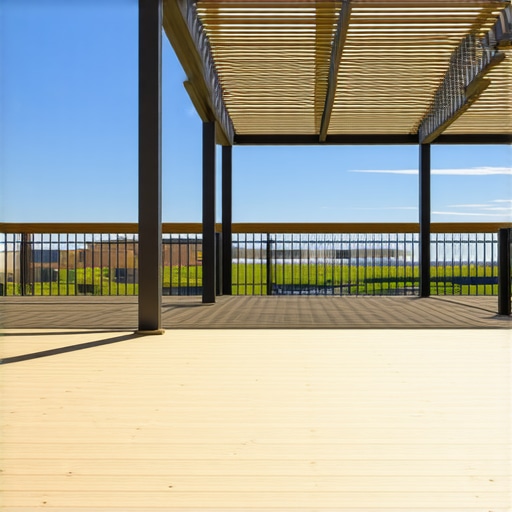 It’s vital to plan your deck construction meticulously—from selecting light-colored materials to strategic shading—so the space remains comfortable and durable for years to come. Proper planning today ensures you’ll enjoy a cooling, inviting outdoor haven tomorrow.When it comes to outdoor decking, many enthusiasts and even seasoned builders often fall prey to misconceptions that can compromise both aesthetics and longevity. Let’s dig deeper into some prevalent misunderstandings and reveal the nuanced truths that can elevate your project from good to exceptional.
Is Your Railing System Sabotaging Safety or Style?
Many assume that choosing the most ornate or trendy railing system guarantees safety and visual appeal. In reality, selecting the right railing requires understanding load capacities, material properties, and attachment techniques. For example, opting for glass railings without proper nano-coatings can lead to smudging and damage over time, diminishing the sleek look you desire. For an overview of safe, stylish options, review railing system selection strategies.
Another common myth is that concealed fasteners always provide the cleanest look. While they do improve aesthetics, improper installation—like using incompatible screws—can lead to mushrooming or loosening, especially in high-heat or humidity. It’s crucial to understand the specific fastener types suited for composite decking, which can be found in composite decking longevity tips.
Many believe thicker pergola beams offer better support. However, overbuilding without considering span and load calculations results in unnecessary costs and potential structural issues. Instead, strategic placement and proper bracing—like diagonal supports—are more effective. For design insights, see pergola construction tips.
Wanna take your deck beyond basic aesthetics? Focus on the hidden nuances like correct post spacing. A common oversight is spacing railing posts at 8 feet, which can lead to instability. Proper zoning based on code requirements and material strength ensures safety, a concept explored thoroughly in railing post placement guides.
One advanced question I hear often: How do I prevent composite boards from bowing in direct sunlight? Many assume their material is impervious, but thermal expansion plays a critical role. Using appropriate spacing, choosing heat-resistant composites, and implementing proper installation techniques minimize warping—more details in composite decking design.
Remember, craftsmanship isn’t just about following clear instructions; it’s about understanding the subtle factors that influence durability and style. Have you ever fallen into this trap? Let me know in the comments and share your experiences. For personalized guidance, don’t hesitate to reach out.Maintaining your outdoor structures, like decks, railing systems, and pergolas, requires precise tools and consistent routines to ensure they stand the test of time. One of my go-to tools is a high-quality digital moisture meter, which I use routinely to monitor wood and composite materials. This device helps me determine when it’s time to apply protective sealants or address moisture issues before they escalate, ultimately prolonging the lifespan of my structures.
For measuring and aligning components accurately, I swear by a combination square and a laser level. The laser level, in particular, streamlines the process of ensuring that railings, joists, and pergola beams are perfectly level and aligned. It saves hours on-site and minimizes costly mistakes, especially when working on larger spans or complex designs.
When it comes to cleaning and surface preparation, I rely heavily on a power-washer equipped with adjustable pressure settings. Using the right pressure—around 1500 to 2000 psi—allows me to remove dirt, mold, and old sealants without damaging the surface. After cleaning, I always follow up with a thorough inspection to identify any areas needing repair or re-staining.
A crucial maintenance step involves periodically tightening and checking the fasteners—like screws and bolts—to prevent looseness over time. For this, I use a cordless impact driver with a torque setting calibrated to avoid over-tightening, which could crack composite boards or strip wood fasteners.
In terms of long-term results, investing in a good quality sealant or protective coating is essential. I prefer products containing UV inhibitors and water repellents, which I apply with a spray or brush following manufacturer directions, usually every 2-3 years. This proactive approach prevents fading, warping, and staining.
Looking ahead, technology is evolving into smarter maintenance solutions, such as sensor-based systems that monitor structural integrity and moisture levels in real time. These innovations could revolutionize deck upkeep by alerting homeowners before minor issues turn serious.
*How do I maintain my deck and pergola over time?* Regular inspections are vital. I perform a detailed visual check biannually, looking for loose fasteners, signs of rot or cracking, and fading finishes. Addressing these issues promptly with the right tools and products prevents deterioration and preserves aesthetic appeal.
To elevate your maintenance routine, I recommend trying a combination square with a digital angle finder. This ensures your structural components stay perfectly aligned, especially after seasonal weather changes. Mastering this technique can make a significant difference in long-term stability.
Remember, consistent maintenance coupled with the proper tools makes all the difference in extending your outdoor structures’ life. For detailed guidance on specific techniques and product recommendations, visit the comprehensive resource on [composite decking tips](https://deckforgebuilders.com/composite-decking-secrets-longevity-tips-for-a-lasting-deck). Ready to get your hands dirty? Give one of these advanced tools a try on your next project and enjoy the peace of mind that comes with knowing your investment is protected for years to come.
Lessons I Wish I Learned Before Building My Deck
- Choosing darker hues might look sleek, but the heat buildup can turn your relaxing space into a sweatbox, as I painfully discovered. Now, I swear by light colors for both comfort and style.
- Everyone raves about concealed fasteners for clean looks, but improper installation can cause issues down the line. Precision matters more than the hype.
- Thinking a heavier pergola equals better support? Not necessarily. Proper spacing and bracing have saved my structure from sway and failure.
- Overlooking sun reflections from lighter railings was a mistake; I learned the hard way that reflective surfaces can keep your deck cooler and more inviting.
My Go-To Resources for Deck Success
- Deck forgers’ comprehensive guides: These resources provide in-depth tips on selecting durable, light-colored composite decking, which is essential for long-lasting outdoor spaces. I trust their advice because it’s tried, tested, and tailored for real-world results.
- Advanced tools like laser levels and digital moisture meters: Ensuring perfect alignment and moisture control has transformed my building process. These tools save time and prevent costly mistakes, making them indispensable.
- Design inspiration websites: Viewing modern pergola and railing trends sparks creativity. Their detailed galleries help prevent me from falling into design plateaus.
Your Turn to Transform Your Outdoor Space
The future of backyard decks is bright—and cooler—when you include these strategic insights. Focus on light colors, precise installation techniques, and quality materials, and you’ll craft a space that’s both beautiful and resilient. Don’t settle for a setup that overheats or ages prematurely—your ideal backyard retreat is achievable with a bit of thoughtful planning and the right tools.
What challenges have you faced in choosing deck materials or designing your outdoor space? Share your experiences below, and let’s build better decks together!