
I vividly remember the first time I tried to clean my cedar deck with a powerful bleach solution. I was desperate, hoping to restore its natural beauty after a long winter. What I didn’t realize was that I was about to cause more harm than good. The once vibrant, warm-toned cedar began to fade to a dull gray, and I was left with a worse mess than before.
Why Does My Cedar Deck Look Worse After Cleaning?
That moment was my lightbulb. I learned that bleach, despite being a common household cleaner, isn’t suitable for cedar. It can strip away the natural oils and protective tannins that give cedar its rich color and resilience. Instead of preserving or enhancing the wood’s beauty, bleach can leave it discolored, dry, and vulnerable to decay.
Today, I want to share what I’ve discovered through personal experience and research: why bleach is a mistake for cedar decks and what safer, more effective methods you can use to keep your outdoor masterpiece looking stunning.
Before we dive into the best cleaning strategies, I want to ask—have you ever used bleach on your cedar or similar wood surfaces? If so, you’re not alone. Many homeowners fall into the trap of thinking that a bleach solution is an all-in-one fix, not realizing the potential damage it can cause. According to the Forest Products Laboratory, harsh chemicals like bleach can weaken wood fibers and lead to premature aging.
Is There’s a Better Way to Clean Cedar?
This realization prompted me to explore alternative cleaning methods that protect the integrity of cedar while still giving it a fresh appearance. In the following sections, I’ll guide you through proven techniques that will help you maintain your deck’s natural beauty without the harmful effects of bleach. Ready to see how small changes can make a big difference? Let’s get started and transform your outdoor space safely and effectively.
Gather Your Supplies and Prepare
Start by collecting necessary tools: a garden hose, a scrub brush, a garden sprayer, biodegradable deck cleaner specific for cedar, and safety gear like gloves and eye protection. I once attempted to clean a stubborn stain with just a hose and a rag, which resulted in only surface dirt removal. To achieve real cleanliness, thorough preparation is essential.
Apply the Cleaning Solution
Dilute Correctly
Mix the deck cleaner according to the manufacturer’s instructions. Using too concentrated a solution can damage the wood, much like applying paint too thickly causes uneven drying. I learned this the hard way when I over-strongly diluted my mixture, leaving a sticky residue that took extra rinsing to remove.
Even Application
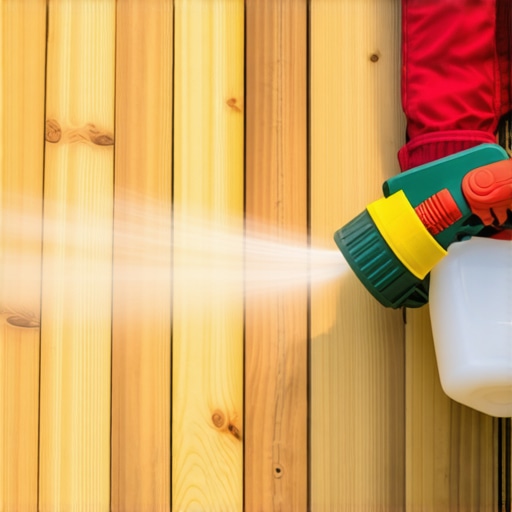
Use a garden sprayer to apply the solution evenly across the surface. Work from one end of the deck to the other to prevent uneven cleaning. I remember rushing through this step, which led to oversaturated spots and streaks. Take your time to ensure uniform coverage.
Scrubbing for Deep Clean
Once the solution dwells for 10-15 minutes, use a soft-bristle brush to scrub the cedar gently. Focus on areas with stains or moss buildup. Think of it like polishing a piece of furniture: gentle but thorough strokes yield the best shine. I once applied too much pressure, causing minor scratches—so gentle is better.
Rinse and Inspect
Use a hose with a spray nozzle to thoroughly rinse off the cleaning solution. Watch for any remaining dirt or residue. Sometimes, I missed spots, and the uneven look showed afterward, highlighting the importance of careful rinsing. Ensure all foam and cleaner are washed away to prevent future discoloration.
Optional Brightening for Enhanced Appearance
If your cedar appears dull after cleaning, consider applying a cedar brightener. This step revitalizes the natural oils and raises the wood’s brightness. I tried this once on a heavily weathered deck, and the difference was striking, making my cedar look refreshed and vibrant again.
Protect with a Suitable Sealant
After the wood dries completely—usually 24 to 48 hours—apply a high-quality cedar sealant or oil to protect against moisture and UV damage. This step seals in the cleanliness and keeps the wood vibrant longer. Remember, skipping sealing is like leaving a freshly cleaned car unprotected; dirt and grime will return faster.
By following these concrete steps, you can restore your cedar deck without risking damage. The key is patience, proper solution application, gentle scrubbing, and protective sealing—simple actions that preserve your outdoor investment. For further ideas on maintaining and enhancing your deck, consider exploring deck design strategies.
While many homeowners believe that choosing the right materials ensures a maintenance-free outdoor space, the reality is more nuanced. Contrary to popular belief, not all composite decking is created equal, and overlooking subtle differences can lead to costly mistakes. One common myth is that all composite boards resist fading and staining equally; however, expertly engineered composites reveal significant variations in durability based on resin types and pigmentation.
Similarly, many underestimate the importance of proper installation techniques for pergolas and railing systems. A frequent oversight involves incorrectly spacing posts or neglecting expansion gaps, which can result in warping or structural instability over time. For example, failing to account for composite expansion can cause boards to buckle or joints to loosen — issues that are often overlooked during initial assembly. To avoid such pitfalls, it’s crucial to follow nuanced practices outlined in advanced tutorials, like Selecting the ideal railing system.
What Are the Hidden Risks of Using Generic or Low-Quality Materials?
Opting for cheaper options might seem cost-effective initially, but often results in premature fading, cracking, or even safety hazards. A comprehensive guide emphasizes that inferior materials lack UV stabilizers and proper wear resistance, leading to a shorter lifespan. Moreover, improperly specified fasteners or structural elements can cause railings to wobble or collapse, especially in areas prone to high winds or heavy use.
Another subtle nuance involves the integration of design with function. For instance, a beautiful pergola that neglects adequate shading or airflow can turn into a hot, uncomfortable space. Incorporating features like adjustable louvers or thoughtful spatial planning enhances usability and aesthetic appeal. For inspiration, explore innovative design ideas.
Finally, never underestimate the value of professional consultation, especially when dealing with complex structures or custom features. Mistakes at this stage can compromise safety and longevity. Need personalized advice? Contact us through our consultation page.
Remember, the devil is in the details — a thorough understanding of these hidden nuances can save you time, money, and frustration. Have you ever fallen into this trap? Let me know in the comments.

Keeping It Working: Tools I Recommend for Deck and Pergola Maintenance
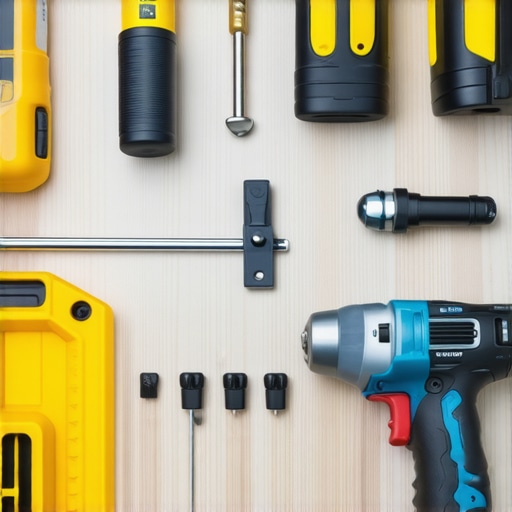
Maintaining the longevity and appearance of your outdoor spaces requires more than just routine cleaning; it demands the right tools and a strategic approach. Over the years, I’ve honed a set of equipment and techniques that ensure my decks, pergolas, and railing systems stay in top condition. Investing in quality tools not only saves time but also prevents accidental damage, preserving the integrity of your investment for years to come.
Power Buffer and Orbital Sanders
For areas where weathering has dulled the finish or for preparing surfaces before staining or sealing, an orbital sander with variable speed control is invaluable. I specifically prefer models with dust extraction capabilities, like the Makita BO5041K, because they minimize debris and keep the workspace clean. This tool is excellent for resurfacing aged wood or composite boards without gouging, ensuring a smooth finish that enhances visual appeal.
High-Pressure Spray Equipment
A robust gas-powered pressure washer with adjustable nozzles is essential for deep cleaning large surfaces efficiently. I recommend models with variable pressure control, such as the Kärcher X-Series, because they allow you to set the correct PSI—around 1500-2000—preventing damage to composite materials and delicate wood. Proper use of this tool helps remove ingrained dirt and algae, preparing surfaces for sealing or refinishing.
Precision Measuring and Alignment Devices
Accurate measurements and alignment are crucial when installing or repairing structures. I frequently use a laser distance meter like the Bosch GLM 50 C, which provides rapid, precise readings up to 50 meters. This device simplifies tasks like ensuring even railing height or proper pergola post spacing, reducing the risk of structural wobble or uneven gaps.
Specialized Fasteners and Adhesives
Choosing the right fasteners impacts long-term stability. I’ve shifted to stainless steel or coated fasteners specifically designed for composites, such as the recommended screws for composite decking. Additionally, using high-quality exterior-grade construction adhesives can help secure low-slope joints or decorative features without damaging the material.
Protective Gear to Extend Tool Life
Always protect your investments with sturdy gloves, safety glasses, and ear protection. Proper maintenance of your tools, like regular cleaning and replacing worn blades, maximizes their lifespan. For example, keeping your orbital sander’s pads clean prevents uneven sanding and ensures a consistent finish.
The Future of Outdoor Maintenance: Smart Solutions
Looking ahead, I predict that integration of smart technology will revolutionize outdoor structure upkeep. Imagine sensors that monitor moisture levels, UV exposure, and structural stress, alerting you when maintenance is needed. Such innovations could dramatically reduce repair costs and extend the life of your decks and pergolas. For now, I urge you to incorporate some of the advanced tools I’ve shared today—starting with a laser distance meter—to simplify your maintenance routine and achieve professional results.
Ready to elevate your outdoor space maintenance? Try using a laser measuring device to ensure precise alignment, or upgrade your pressure washer to one with variable control. These small investments can lead to big improvements. For personalized guidance on selecting the right tools, reach out to us.
Remember, keeping your deck and outdoor features in prime condition is about the combination of smart tools and consistent care. Stay proactive, and your spaces will reward you with beauty and durability for years to come.
Lessons I Wish I Had Learned Sooner About Decks and Pergolas
- Choosing high-quality materials and understanding their unique properties can save you years of frustration. I once opted for cheaper composite boards, only to deal with fading and warping that could have been avoided with a bit more research.
- Patience during installation and maintenance pays off. Rushing through steps like proper spacing and sealing can lead to structural issues or aesthetic flaws later.
- Understanding the nuances of different finishes and protective treatments ensures your outdoor features maintain their beauty and durability over time. A simple brightener or sealant, applied correctly, can dramatically extend the life of your investment.
- Educating myself on hidden risks—like expansion gaps and fastener corrosion—has helped me prevent costly repairs and safety hazards.
- Technology and proper tool selection are game-changers. Investing in quality tools like laser distance meters and pressure washers with adjustable PSI has streamlined my projects and improved outcomes.
My Go-To Resources for Outdoor Living Mastery
- Deck for Builders Blog: A treasure trove of expert advice, tutorials, and the latest trends in deck and pergola design—personally, I trust their insights for making informed decisions.
- Professional-grade tools from brands like Makita and Kärcher: These tools have proven reliable and durable, ensuring consistent results while protecting my investment.
- Product-specific guides and tutorials from manufacturer websites and niche forums: They offer detailed installation tips and maintenance advice that can’t be found elsewhere, helping me avoid common pitfalls.
- Hands-on workshops and local expert consultations: Nothing beats personalized feedback and real-world demonstrations to deepen my understanding and skills.
Your Chance to Elevate Your Outdoor Space
Embracing the nuanced knowledge and practical techniques I’ve shared can transform your outdoor projects from daunting to rewarding. Every mistake I made along the way became a stepping stone toward crafting more resilient and beautiful spaces. Remember, the key isn’t just in doing it right but in continually learning and adapting. Are you ready to take your deck, pergola, or railing system to the next level? Share your goals or questions below—I’d love to hear what you’re working on!