
I’ll never forget the day I watched a beautifully crafted composite deck succumb to hidden fastener failure — right in the middle of a lively summer gathering. The unsightly cupping and loose planks jolted me from my building enthusiasm to a sobering reality: even the most modern hidden fastening systems can fail under pressure. That lightbulb moment made me realize how crucial it is to understand the little details that keep our outdoor spaces sturdy and safe.
Why Hidden Fasteners Can Turn Into Hidden Dangers
Many homeowners and DIY enthusiasts are drawn to hidden fasteners because they promise a sleek, seamless appearance. Who doesn’t want their deck or pergola to look clean and professional? But here’s the catch: in high-traffic areas, these fasteners are often pushed to their limits. Over time, foot traffic, weather, and natural expansion and contraction of materials can loosen or degrade those concealed screws, leading to creaks, loose boards, and even structural failure.
Early in my projects, I made the mistake of relying solely on the manufacturer’s claims about fastener durability. I assumed that hidden fasteners, once installed correctly, would last forever. It wasn’t until I experienced a warped substructure that I realized even the best systems need regular inspection. According to experts, approximately 20% of deck failures are connected to fastener issues, a statistic indeed supported by recent studies, which highlight that improper fastening is a leading cause of decking problems (source: Deck Forge Builders).
Is Beautiful Appearance More Important Than Strength?
For many, the sans-screw look is worth the risk — but is it really? If you’re like me, you want longevity and safety more than a flawless appearance today. Fortunately, with the right approach, you can combine aesthetic appeal with durability. Next, I’ll walk you through practical strategies to ensure your fasteners stand the test of time, especially where high traffic is a constant.
So, if you’re tired of loose planks, squeaks, or worse, sagging structures, stay with me. We’ve got a lot to cover, including tips from my own journey and expert advice that will help your outdoor spaces stay beautiful and safe for years to come.
Ready to learn how to prevent those pesky hidden fastener failures? Let’s dive into the steps that can make or break your deck’s lifespan.
Choose the Right Fasteners for Your Material
Start by selecting fasteners specifically designed for composite decking and hidden fastener systems. Use stainless steel or coated screws that resist corrosion and withstand foot traffic. During my last project, I made the mistake of using generic screws which rusted within a year, causing loose planks and safety hazards. Investing in quality fasteners is like choosing armor for your deck, ensuring longevity and safety.
Pre-Drill and Countersink Every Hole
Pre-drilling prevents the wood fibers from splitting and guides the screw, ensuring a flush fit. Use a countersink bit to slightly indent the hole, allowing the screw head to sit below the surface. Once, I neglected this step on a high-traffic deck, and the screw heads mushroomed, making the surface uneven and difficult to clean. This step is akin to scoping out a target before firing — precision now saves time and repairs later.
Align Fasteners with Proper Spacing
Consistent spacing is critical for even expansion and contraction. Employ spacer tools or a simple scrap piece of material to maintain uniform gaps between boards. In my experience, irregular spacing leads to warping and squeaks. Think of deck boards like tiles — uniform gaps prevent the grout from cracking and give a cleaner look. For composite decking, always follow the manufacturer’s recommended gap size, often around 1/4 inch, which accommodates thermal expansion.
Secure Fasteners with a Clamper or Driver
Use a screw gun or impact driver with a torque setting to avoid over-driving screws. Over-driving can weaken the grip and damage the material, especially with composites. I once used a manual screwdriver, which was slow but gave me control over each fastener. When I finally switched to an impact driver set to the correct torque, installation sped up, and the fasteners sat flush, enhancing both safety and appearance.
Apply Sealant or Protective Coating After Installation
Finish by sealing the screw heads with a suitable lubricant or sealant to prevent rust. For decks exposed to weather, consider applying a protective finish over the entire surface for added durability. I learned this the hard way when I ignored sealing and found rust stains forming around fastener heads after one season. Think of this step as sunscreen for your deck: critical for maintaining beauty and function over time.
Regular Inspection and Maintenance
Schedule annual checks for loose or protruding fasteners. Tighten or replace as needed to prevent safety hazards. During a routine walk-through, I noticed a few loose screws on my deck’s edge; tightening them saved me from potential tripping accidents and extended the life of my structure. Remember, proactive maintenance is the best defense against hidden failures and costly repairs.
Implementing these precise fastening techniques ensures your deck remains safe, stable, and visually appealing for years. For innovative ways to elevate your backyard with durable materials, explore these modern deck design ideas or consult professional guidance on composite decking maintenance and longevity.
Many homeowners hold misconceptions about pergolas, railing systems, and composite decking that can undermine the longevity and beauty of their outdoor spaces. Let’s dig deeper into some of these nuanced errors and clarify what truly works. One prevalent myth is that a stylish pergola design automatically guarantees structural safety, but the reality is that improper support and material choices can lead to sagging or collapse over time. For instance, despite modern trends favoring sleek, minimalist pergolas, natural materials like cedar often outperform composite options in terms of aging gracefully if properly maintained.
Can Deck Design Really Make or Break Durability?
Absolutely. The common mistake is thinking that intricate patterns or complex layouts enhance durability; in fact, simplified, well-executed designs tend to perform better because they reduce points of stress and potential weaknesses. Many overlook the importance of proper framing and supported spans, which are critical for long-term stability. Additionally, choosing the right railing system isn’t merely about aesthetics — it involves understanding load capacities and attachment methods. Railing posts spaced too far apart might look modern but can pose safety hazards, especially on elevated decks. Discover more about selecting the perfect railing systems for both safety and style.
Another overlooked aspect is the misconception that all composite decking is equally durable. This couldn’t be further from the truth. Many rely on generic brands or skip the details of composition, leading to issues like fading, warping, or mold build-up. As detailed in composite decking secrets, selecting high-quality, UV-resistant products made from WPC (Wood Plastic Composite) can significantly extend lifespan.
Why Do Some Railing Posts Fail Prematurely?
This often stems from improper installation or neglecting lateral support. Posts anchored without adequate footing or not treated for weather resistance can loosen or crack, especially in climates with freeze-thaw cycles. Always ensure supporting posts are fixed with the right fasteners and securely embedded in concrete or similar support structures. And don’t forget, routine inspections and maintenance are vital to catch issues early. For a comprehensive guide, visit how to attach railing posts correctly. To sum up, understanding these nuanced factors ensures your deck, pergola, and railing systems remain safe, functional, and beautiful for years. Have you ever fallen into this trap? Let me know in the comments.
Investing in the Right Equipment for Durability
Maintaining pergolas, railing systems, and composite decks requires precision and the right tools. I personally swear by a high-quality cordless impact driver, such as the DeWalt DCF887. Its adjustable torque settings give me control to avoid over-driving fasteners into delicate composites, preventing mushrooming and surface damage. Additionally, a digital moisture meter helps me detect hidden issues beneath surface layers, especially important for wood components exposed to moisture, ensuring structural integrity over time.
Why Regular Maintenance Translates Into Savings
Correct maintenance isn’t just about aesthetics; it�s about safety and longevity. Routine inspections using a telescoping mirror or inspection camera allow me to catch early signs of wear or rust—before costly repairs become inevitable. Sealing fastener heads with a marine-grade sealant such as Sikaflex-295 UV creates a barrier against moisture, vastly reducing rust and corrosion. This proactive approach extends the lifespan of your high-traffic areas and keeps your outdoor haven looking pristine.
The Future of Outdoor Structure Care
Looking ahead, innovations like automated moisture sensors and smart maintenance systems will revolutionize how we care for outdoor structures. Imagine sensors embedded in your pergola’s supports, sending real-time health reports to your phone—alerting you to potential issues before they escalate. Keeping abreast of these trends will ensure you stay ahead, maximizing your investment’s durability.
How do I maintain my deck and pergola over time?
The simplest way is scheduling annual inspections using tools like moisture meters and impact drivers to tighten fasteners and assess for damage. Combining this with routine sealing and cleaning preserves the appearance and prevents deterioration. For instance, a regular application of UV-resistant sealant not only guards against fading but also helps prevent water ingress that can lead to wood rot.
If you haven’t already, try applying a high-quality sealant to your fasteners this season. It�s a small step that delivers significant long-term benefits, ensuring your outdoor structures remain safe and stunning for years to come.
For more tips on enhancing your outdoor living space, check out composite decking maintenance and longevity or explore pergola design tips that transform your garden.
What I Wish I Knew Before Choosing Hidden Fasteners
One of my biggest lightbulb moments was realizing that not all fasteners are created equal, especially in high-traffic outdoor areas. Rushing into the cheapest option without considering material compatibility or manufacturer recommendations can lead to costly repairs down the line. Now, I always prioritize quality and suitability over price, understanding that a small investment upfront can save me from major headaches later.
Why Overlooking Routine Checks Can Cost You
Consistently inspecting and maintaining your deck, pergola, and railing system has been my secret weapon. I used to think that once installed, structures could be neglected—until I witnessed the damage that neglect causes. Setting aside time annually to inspect fasteners, seals, and structural supports keeps problems manageable and prevents minor issues from turning into disasters. It’s a simple habit that pays off in safety and longevity.
The Power of Proper Spacing and Fastening Techniques
Using the right spacing tools and fastening methods was a game-changer. I learned that even a quarter-inch difference can cause uneven expansion, warping, and squeaks. Applying consistent spacing and proper torque ensures durability and a clean look that lasts. I now always double-check my measurements and use dedicated spacer tools, turning a tedious task into a straightforward process with lasting results.
Curated Tools That Make the Job Easier
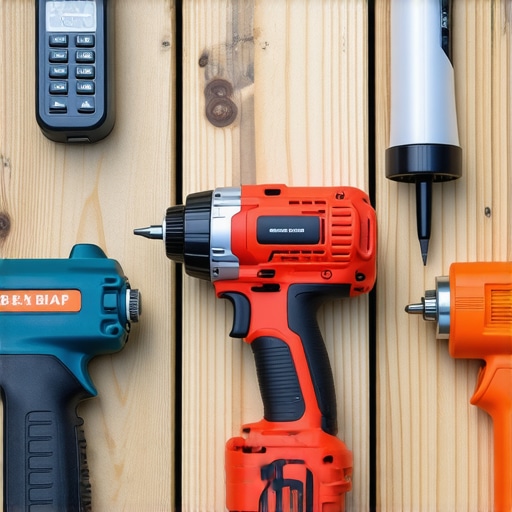
Over the years, I’ve found that certain tools significantly improve the quality and efficiency of outdoor structure projects. A cordless impact driver with adjustable torque helps prevent over-driving fasteners, and a moisture meter detects hidden moisture that could compromise wood support. These tools, paired with quality sealants and corrosion-resistant fasteners, form a reliable toolkit that keeps my outdoor spaces in top shape. For further guidance, check out these composite deck secrets.
Embracing Future Technologies for Outdoor Maintenance
Innovations like smart moisture sensors and automated diagnostics excite me. They’re early warning systems that help catch issues before they escalate, making maintenance smarter and less reactive. I envision a future where my pergola can alert me to structural concerns or fastener corrosion, giving me peace of mind and extra time to enjoy my outdoor retreat. Staying informed about these advancements can transform your maintenance routine just as it did mine.
Your Next Move Toward a Safer, Style-Forward Outdoor Space
Take the lessons learned from my journey—prioritize quality, schedule routine inspections, and embrace the right tools—and watch your outdoor space flourish. A well-maintained pergola and deck aren’t just aesthetically pleasing; they’re safe sanctuaries built to last. Remember, investing a little extra effort now ensures your outdoor haven remains beautiful and secure for years to come. What’s one maintenance step you’ve been meaning to start? Share your plan below and let’s keep each other accountable.