
I remember eager weekends, a new set of string lights, and that moment of disbelief when I stepped outside and saw my beloved pergola sagging like a tired old umbrella. It hit me then—my beautiful outdoor oasis wasn’t so perfect anymore. That sinking beam wasn’t just an eyesore; it threatened my whole setup, and I didn’t want to replace the entire structure.
The Hidden Challenge of a Sagging Pergola Beam
A sagging beam can turn your backyard paradise into a safety concern or just a visual distraction. The good news is, you don’t have to rip out and rebuild—often, a little ingenuity and some practical fixes can restore your pergola’s integrity and charm. Over the years, I’ve learned that addressing these issues early not only saves money but also prolongs the life of your entire outdoor setup.
Have you ever faced the frustration of a drooping pergola, wondering if it’s time for a costly replacement? If so, you’re not alone. Many homeowners hesitate because they fear complicated repairs or might think their pergola is beyond help. The key is understanding that most sagging beams aren’t as hopeless as they seem—they often just need a sturdy, well-planned fix.
Efficiently repairing a sagging beam begins with knowing what causes it. Typically, this issue stems from wood rot, over time, or inadequate support that can’t handle the weight. Surprisingly, the right reinforcement can often be achieved without replacing entire sections, especially if you catch the problem early. According to experts, timely intervention can extend the lifespan of your outdoor structures significantly, sometimes by decades (source: [DeckForgeBuildrs](https://deckforgebuilders.com/composite-decking-secrets-longevity-tips-for-a-lasting-deck)).
The next sections will walk you through simple, effective strategies to lift, reinforce, and preserve your pergola beams—methods that won’t drain your wallet or your patience. Whether your pergola’s made of wood or composite, there’s a solution that can turn that sagging embarrassment back into a proud feature of your landscape.
So, if your pergola is starting to slump and you’re unsure whether to repair or replace, stay tuned. Together, we’ll uncover straightforward fixes that keep your backyard beautiful and structurally sound. Ready to tackle this issue head-on? Let’s dive into the practical steps, and I’ll share some insider tips I’ve picked up along the way.
Identify the Cause of Sagging
Start by inspecting your pergola beam for visible signs of rot, insect damage, or cracks. Use a level to check if the beam is genuinely sagging or if the support posts are uneven. I once noticed my beam drooping after an unusually heavy snowfall; upon closer inspection, I saw that the brackets had loosened, causing the sag.
Gather Necessary Tools and Materials
Before beginning repairs, collect robust replacement brackets, wooden shims, a drill, bolts, and posts for reinforcement. Consider using galvanized or stainless steel hardware to prevent rust. I learned this the hard way when my initial fix rusted within a year, necessitating a redo.
Create a Stable Work Area
Safely access the beam with a sturdy ladder or scaffolding, ensuring the ground below is clear. Secure the area with safety gear. Stability during work is vital; I once haphazardly climbed without proper support and lost my balance, which underscored the importance of caution.
Lift the Sagging Beam
Position sturdy jacks or blocks under the lowest point of the beam to gently lift it. Use a level to monitor progress. Think of this like straightening a bowed piece of wood: work gradually to prevent further damage. I used a simple car jack and gradually raised the beam until it was roughly level, which made the reinforcement easier.
Insert Shims to Maintain the Lift
Place wooden shims between the beam and support post to hold it in position. Ensure shims are snug but not overly tight to avoid stressing the wood. This patience paid off, as it stabilized the beam for secure fastening.
Reinforce with Brackets and Bolts
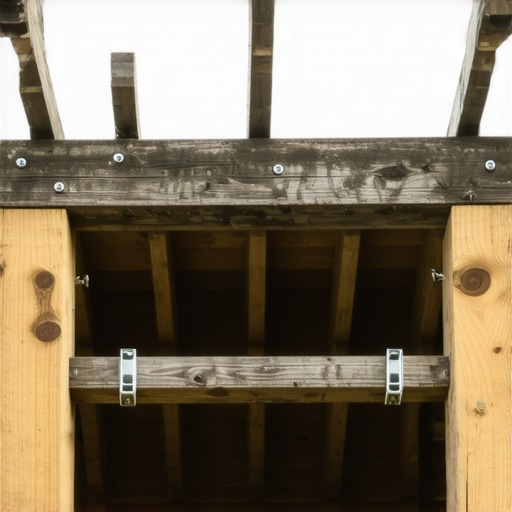
Attach new metal brackets—preferably adjustable ones—around the beam and support post. Tighten bolts securely to lock the position. Think of it as adding braces to a broken arm: stability depends on how well you lock in the support. I tightened each bolt incrementally, checking alignment frequently.
Seal and Protect the Repair
If any wood is exposed or damaged, seal it with a weatherproof preservative to prevent future rot. I painted my repaired beam with a sealant, which extended its life and maintained aesthetic appeal.
Monitor and Maintain Regularly
After repairs, check the beam periodically, especially after storms or heavy snow. Tighten bolts and replace shims as needed. Maintenance is key; I now set a seasonal reminder to inspect my pergola, ensuring longevity and safety.
 Many homeowners assume that standard solutions suffice when designing outdoor spaces, but this often leads to overlooked nuances that can impact both safety and aesthetics. Contrary to popular belief, not all railing systems are created equal; for instance, many underestimate the importance of structural integrity and weather resistance in balustrades, which can result in wobbling or corrosion over time. While wrought iron and wood are traditional choices, modern composite materials offer longevity and low maintenance, but choosing the wrong type can lead to premature fading or cracking, as highlighted in recent studies by [DeckForgeBuildrs](https://deckforgebuilders.com/composite-decking-secrets-longevity-tips-for-a-lasting-deck).Maintaining your outdoor structures requires more than just periodic inspections; it hinges on using the right tools and adopting proven maintenance routines. Personally, I rely on a combination of versatile hardware and specialized software to ensure every component remains in peak condition. For example, I always have a high-quality digital moisture meter on hand. This device enables me to monitor wood and composite material moisture levels accurately, preventing rot and deterioration before symptoms become visible. Regular moisture assessment with a device like this can drastically extend the lifespan of your decking and pergolas, especially in humid climates. Additionally, I use an electric impact driver fitted with corrosion-resistant bits for fastening repair brackets and tightening bolts—this speeds up work and ensures secure, long-term connections. When it comes to upkeep, I rely on weatherproof sealants, such as silicone-based preservatives, to protect exposed wood and composite surfaces from moisture infiltration. Keeping a spray gun for applying these substances evenly is invaluable. To stay ahead of potential issues, I employ structural monitoring software, which allows me to log and analyze stress points over time—crucial for sizable projects or long-term installations. Trends in the industry suggest that smart sensors integrated with IoT technology will become commonplace, providing real-time data on structural integrity, moisture exposure, and material fatigue. Adopting such innovations today can prevent costly repairs tomorrow.
How do I maintain my railing and pergolas over time?
Regular cleaning to remove debris and dirt is fundamental—use a soft-bristled brush and mild detergent for wooden or composite surfaces. I also inspect fasteners monthly to tighten any loose bolts, preventing wobbling or instability. Applying protective sealants every few years forms an effective barrier against weathering, especially in exposed locations. For larger projects, I document repairs and inspections using specialized software, which helps forecast future maintenance and allocate resources efficiently. Remember, early detection of issues like corrosion or wood rot saves money and preserves safety, so stay proactive. If you’re interested in elevating your maintenance game, consider integrating moisture meters and impact drivers into your toolkit—it makes a noticeable difference. For comprehensive guidance tailored to your setup, reach out through [our contact page](https://deckforgebuilders.com/contact-us) or explore innovative deck design ideas for 2025 on [this page](https://deckforgebuilders.com/elevate-your-backyard-innovative-deck-design-ideas-for-2025). Developing a routine that combines precise tools with routine inspections will keep your outdoor spaces beautiful and safe for years to come. Don’t forget, using weatherproof sealants correctly and scheduling regular reviews can dramatically extend your structures’ longevity, making your investment worthwhile. Check out expert tips on composite decking maintenance at [this link](https://deckforgebuilders.com/composite-decking-secrets-longevity-tips-for-a-lasting-deck) and try applying a sealant to your pergola today—your future self will thank you!
3 Surprising Lessons From My Pergola Repair Journey
- I realized that overestimating the strength of aged support beams can lead to bigger problems. It’s essential to assess every component carefully before jumping into repairs, avoiding patchwork fixes that only delay the inevitable.
- Using weather-resistant materials is more than just a trend—it’s a practical strategy. When I switched to galvanized brackets and sealed exposed wood, I saw a significant extension in my pergola’s lifespan, proving durability isn’t optional but necessary.
- I discovered that patience in lifting and shimmying into place makes all the difference. Rushing to finalize a repair can cause misalignments, leading to wobbliness or joint failure down the line. Take your time, and double-check your work for safety and aesthetics.
Tools and Resources That Changed My Approach
- My ImpactX Impact Driver: Its rust-resistant bits and power helped me tighten hardware securely without damaging the wood, saving time and effort.
- MoistureMeter Plus: This device became my go-to for early rot detection, preventing small issues from escalating into costly replacements.
- “The Complete Guide to Choosing Railing Systems for Safety and Style” from DeckForge Builders provided invaluable insights on selecting materials that balance beauty and durability—something I wish I had known earlier.
- Online forums and community groups: Sharing experiences with fellow DIY enthusiasts gave me practical advice and moral support, reminding me that I wasn’t alone in facing backyard challenges.
Your Quest to Perfect Outdoor Spaces Starts Now
“Turning a sagging pergola into a resilient feature of your backyard isn’t just about fixing beams; it’s about investing in your outdoor sanctuary. Every repair, every thoughtful upgrade, adds character and longevity to your space. Remember, with patience, the right tools, and a bit of curiosity, you can craft an outdoor haven that lasts for decades. Don’t wait for small problems to become big headaches—embrace the process and enjoy the rewarding journey of backyard transformation.”,