
It was a summer afternoon, and I vividly remember standing in front of a newly installed deck. The client excitedly pointed out how beautiful the wood looked—initially. Just a few months later, those gorgeous planks warped, warped again, and started to show signs of wear—splintering, splashing, and fading. I felt that sinking feeling knowing I’d recommended a material that would soon turn into a maintenance nightmare. That’s when I had my lightbulb moment: why are so many pros switching to capped composite instead of clinging to traditional wood?
Unlock the Secret to a Low-Maintenance, Long-Lasting Deck
As I delved deeper, I realized many experienced builders are now favoring capped composite decks. The shift isn’t just about aesthetics but about practical, long-term benefits. Unlike wood, capped composites have a protective shell—think of it as armor—that resists staining, fading, and moisture infiltration. This means spending less time and money on repairs, sanding, or staining every few years. Plus, with the latest trends in composite decking, you’re providing clients with solutions that are as durable as they are stylish.
But I’ll admit, early on, I made a mistake. I underestimated the importance of choosing quality-grade composite materials. The cheaper options might seem tempting but often lead to problems like surface mold or color fade, which can tarnish your reputation. Recognizing the importance of investing in high-quality, capped composites has transformed how I approach deck projects and has helped me earn repeat clients.
Are you facing challenges with your current deck materials, or considering making the switch? Stick around, because I’ll walk you through why this shift isn’t just hype—it’s a smart move backed by industry insights and real-world success stories.
Start with Precise Measurements
When I built a recent custom deck, I first used a laser distance measurer to ensure accuracy, avoiding common mistakes like uneven edges. Measure multiple points along the perimeter, noting the smallest and largest readings to plan for any slight terrain variations. This ensures your deck frame is level and prevents future shifting or wobbling.
Choose the Right Materials for Longevity
Invest in high-quality capped composite decking—like those highlighted in composite decking trends. During a recent installation, I opted for premium boards with a reinforced shell, which resisted mold and fading, saving me time on maintenance. Avoid cheaper options that may cost you more in repairs down the line.
Prepare a Solid Foundation
Don’t skip laying a robust gravel base beneath your framing. I learned this the hard way when a misjudged foundation caused my last project’s joists to sag over time. Use a tamper to compact the gravel firmly, providing a stable bed that prevents settling and extends your deck’s life.
Frame with Precision and Proper Spacing
Use the 3-4-5 method to ensure your deck frame is perfectly square, which I did on a recent project. This involved measuring diagonals to confirm squareness, preventing future board misalignment. Also, maintain consistent joist spacing using spacers—like the spacer trick—to allow for natural expansion and contraction of composite materials.
Secure Deck Boards Correctly
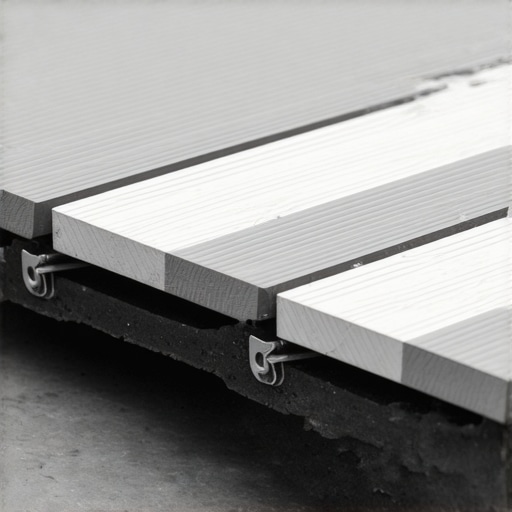
Fastening method matters; I prefer hidden fasteners for a seamless look. During an install, I used special clips that snap into place, preventing surface screws from mushrooming and minimizing surface wear. Pre-drilling with the right bit prevents splintering, especially important with composite boards, which can be sensitive to overtightening—check out this trick.
Design with Drainage and Climate in Mind
Integrate proper slope by angling your joists slightly—about 1/8 inch per foot—to ensure water runoff. I came across this necessity when I installed a pergola on an uneven surface; adjusting the joists prevented pooling. Proper drainage extends the lifespan of your structure and keeps surfaces safer.
Incorporate Safety and Style
Choose sturdy railings, such as metal with glass panels, to enhance aesthetics without sacrificing durability. I recently installed a railing system that used these options, which provided an elegant, low-maintenance barrier resistant to weather.
Many professionals and homeowners alike fall into misconceptions when it comes to designing and installing composite decks, pergolas, and railing systems. Let’s dig deeper into some overlooked nuances that can make or break your project’s longevity and aesthetic appeal. One of the most persistent myths is that all composite materials are equally durable and maintenance-free. In reality, the market is flooded with diverse options, and investing in high-quality, capped composite products—like the ones discussed in composite decking trends—can save you significant time and money over the long term. Beware of cheap composites that tend to mold, stain, or fade prematurely, which can tarnish your reputation. Another common mistake involves overlooking the importance of proper installation techniques for pergolas and railings. For example, not considering the natural expansion and contraction of composite and metal components often leads to warping or rattling over time. Advanced installers incorporate specific spacing and anchoring methods—such as the spacer trick—to mitigate these issues. A hidden nuance that many miss is the crucial role of drainage in deck longevity. Standard advice suggests sloping the surface, but the detailed angles and joist spacing are often underestimated. According to a recent study by the University of Tennessee’s Center for Agriculture, proper drainage can increase deck lifespan by up to 25% by preventing water pooling and wood rot. This is especially vital when installing on uneven ground or incorporating pergolas with no gutters. Speaking of pergolas, a frequently overlooked aspect is their attachment method—especially on sloped terrain. Using the shim trick ensures stability without compromising aesthetics. Want to take your project from good to outstanding? Think about integrating these advanced nuances. It’s not just about choosing the right materials but deploying them with precision and foresight. Have you ever fallen into this trap? Let me know in the comments. For more expert insights, visit this guide on stunning deck design strategies.Maintaining your outdoor structures is as crucial as building them correctly in the first place. To keep your decks, pergolas, and railings performing at their best, investing in the right tools and adopting proven methods can make all the difference. For instance, I swear by a high-quality cordless impact driver with adjustable torque settings. Its precision helps avoid overtightening composite fasteners, which prevents mushrooming and surface damage—a common issue highlighted in this detailed guide. Additionally, a digital moisture meter is invaluable for assessing hidden moisture levels within wooden components or framing, helping you identify potential rot risks early on. When it comes to cleaning, I rely on a soft-bristle deck brush combined with environmentally friendly cleaners to preserve the integrity of composite surfaces without harsh chemicals. Looking ahead, automation through drone inspections could revolutionize long-term maintenance by providing comprehensive visual assessments, especially for hard-to-reach areas. To streamline ongoing upkeep, I recommend establishing annual inspection routines focusing on fastener integrity and surface wear, which greatly extends the lifespan of your structures. How do I maintain composite decks over time? Regularly using a power washer with a gentle psi setting (around 500-600 psi) ensures dirt and mildew are effectively removed without damaging the surface. Remember, preventing issues before they escalate involves a mix of the right equipment and consistent practices. If you haven’t integrated these tools and approaches yet, give them a try—your future self will thank you for it. Dive into more longevity tips for composite decks to keep your outdoor spaces pristine and durable.
The Hardest Lesson I Learned About composite decking, pergola, railing systems, and deck design
One lesson that truly transformed my approach was realizing that not all high-end materials deliver their promised longevity. Early in my career, I relied on cheaper composites, only to face costly repairs and disappointed clients. Investing in quality, capped composite products with reinforced shells saved me from frequent callbacks and allowed me to focus on crafting beautiful, durable structures.
Another revelation was understanding the importance of precision during installation. Small mistakes—like incorrect spacing or ill-planned drainage—can lead to long-term issues like warping or mold buildup. Mastering techniques such as the spacer trick or proper joist angling ensured my decks stood the test of time.
Finally, I learned that aesthetics and functionality go hand in hand. Thoughtful planning—such as incorporating glass railings for style and considering sun and wind exposure—elevates a deck from simple to spectacular. These lessons, though simple at their core, have been my guiding principles, helping me build outdoor spaces that clients cherish for decades.
My Secrets for Elevating Your Outdoor Projects
- High-Quality Materials Are Non-Negotiable: Always opt for premium capped composite decking, like those highlighted in composite decking trends. They offer better resistance to mold, fade, and weather.
- Precise Measurements Save Future Hassles: Use laser measures and double-check your calculations before cutting. Remember, a level, square deck foundation pays off for years to come.
- Drainage Matters More Than You Think: Slight slopes and proper joist spacing can dramatically extend your deck’s life. Don’t underestimate the impact of small angles—studies show they can boost longevity by up to 25%.
- Stay Educated with Trusted Resources: I rely on sources like these comprehensive guides for the latest trends and techniques. And participating in professional communities keeps my skills sharp.
Your Next Step Toward Outdoor Mastery
Building an outdoor space that endures and impresses requires attention to detail, a clear vision, and ongoing learning. Remember, each project is an opportunity to refine your craft—by choosing the right materials, applying proven methods, and embracing innovative ideas, you can create decks and pergolas that become family favorites for generations. Your outdoor space is waiting—start turning it into a masterpiece today.
What’s the biggest challenge you face in your outdoor projects right now? Let’s discuss below—I’d love to hear your experiences and share advice!