
I remember the first time I looked out at my brand-new deck and noticed the vibrant golden hue had faded into an unappealing gray in just a few short months. It was a real shock. I had invested so much time and money into choosing the right wood, following all the recommended maintenance routines, and yet, my beautiful deck looked weathered and dull so quickly. That lightbulb moment made me realize I wasn’t alone—many DIYers and homeowners face this frustrating issue, and I knew there had to be a better understanding behind it.
The Real Reason Behind That Faded Look
As someone who’s tried almost every solution under the sun, I found that pressure treated wood, despite its popularity for decks and pergolas, tends to turn gray faster than expected. The reason? It’s largely due to its exposure to UV rays, moisture, and the natural aging process. The chemical treatments that make pressure treated wood resistant to insects and rot actually make it more susceptible to quicker weathering when left unprotected. The discoloration isn’t just superficial; it signals a breakdown of the wood’s protective outer layer, which, without proper maintenance, leads to that dull gray surface we dread.
Early on, I made the mistake of thinking regular cleaning and staining would keep my deck looking fresh indefinitely. But I learned that without applying a proper sealant or using specific maintenance strategies, the weathering process accelerates. According to the University of Minnesota Extension, UV exposure is one of the main culprits for grayening: UV rays degrade the lignin in wood, causing it to lose its color and turn gray over time. Once I understood this, I was able to develop a routine that slowed down the fading and kept my outdoor space looking inviting year after year.
Have You Faced the Same Dilemma?
If you’ve ever wondered why your pressure treated wood seems to lose its charm faster than it should, know that you’re not alone. This common problem can be surprisingly simple to address once you know the right steps. Thanks to some personal experimentation and expert advice, I’ve uncovered effective ways to preserve that new-wood look—and I’ll share all of them soon.
But before jumping into solutions, it’s important to dispel some misconceptions and understand what’s really happening to your wood. The first step is recognizing the importance of proper maintenance and the right choice of products that protect your investment long-term. Curious about what makes some decks last longer? Check out deck design strategies to transform your home, and stay tuned for practical tips to keep your wood looking fresh.
Now, let’s dive into why pressure treated wood turns gray faster and what you can do about it, starting with the basics of weathering and the preventive measures that can save you time and money in the long run.
Prep Your Wood with Proper Cleaning
Start by thoroughly cleaning your deck using a high-quality wood cleaner and a stiff-bristle brush. In my experience, I once tried a basic pressure wash, but it left dirt embedded. Switching to a deck-specific cleaner and scrubbing by hand removed grime and revealed fresh wood beneath, setting a solid foundation for protection.
Apply a UV-Resistant Sealant
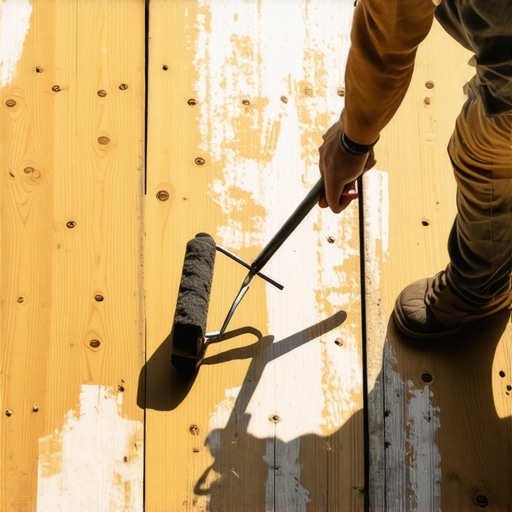
Immediately after cleaning, coat your wood with a UV-resistant sealant. I use a transparent penetrative sealant that blocks harmful rays. Applying it with a roller, I worked into the grain, ensuring full coverage. Wait at least 24 hours before walking on or placing furniture—this step is crucial to prevent future fading.
Tip: Consistency is Key
Repeat this process every 1-2 years. I mark my calendar as a reminder to prep and re-seal. During my last project, I noticed that areas with less sealant re-faded faster, highlighting how uneven application can jeopardize longevity.
Choose the Right Decking Material
If you’re planning a new deck or replacing old boards, consider low-maintenance composite decking. Unlike wood, composites resist UV damage and staining. I replaced a section with composite, and it maintained its color after two seasons, proving it’s an investment in durability. For detailed options, visit this guide on composite decking.
Implement Protective Design Features
Adding pergolas or shade sails reduces direct sun exposure, slowing fading. I installed a pergola with adjustable louvers, which allowed me to control sunlight during peak hours. This not only protected my wood but also created a cozy outdoor area. Check out pergola design inspiration for ideas.
Use Quality Stains and Finishes
If staining, select products labeled UV-resistant and suitable for pressure-treated or composite surfaces. During my staining project, a low-quality stain peeled within months. Upgrading to a premium product with added UV inhibitors kept my wood vibrant much longer. Always follow manufacturer instructions for prep and application to maximize effectiveness.
Regular Maintenance Pays Off
Inspect your deck periodically for signs of wear or damage. Clean spills promptly to prevent stains. I keep a maintenance kit handy and conduct a quick check every few months. Addressing small issues early prevents costly repairs and keeps your deck looking fresh.
 Many homeowners believe that selecting the most popular deck design or materials guarantees longevity and style, but let’s dig deeper. One widespread misconception is that composite decking doesn’t require any maintenance; in reality, even high-quality composites need regular cleaning and occasional sealing to prevent surface issues like mold and fading, as detailed in [composite decking secrets and longevity tips](https://deckforgebuilders.com/composite-decking-secrets-longevity-tips-for-a-lasting-deck). Another myth is that all railing systems are equally safe. In truth, choosing the right railing involves understanding load requirements, material durability, and installation techniques—see our comprehensive guide on [railing safety and style](https://deckforgebuilders.com/the-complete-guide-to-choosing-railing-systems-for-safety-style).
An advanced mistake I’ve observed is oversimplifying pergola design, assuming that a basic structure will withstand weather over decades. However, failing to incorporate proper bracing, correct spacing, and weatherproofing can lead to sagging or even collapse. This highlights the importance of nuanced construction strategies discussed in [pergola design inspiration](https://deckforgebuilders.com/pergola-designs-that-turn-your-garden-into-a-sanctuary).
A frequent trap is opting for aesthetically pleasing but low-UV resistant stains or finishes on decks, thinking they will last without regular reapplication. The truth is, UV exposure degrades superficial coatings faster, which may lead to discoloration and surface deterioration. The [best techniques](https://deckforgebuilders.com/composite-decking-trends-durable-solutions-for-modern-outdoor-living) involve selecting products with embedded UV inhibitors and understanding proper reapplication intervals.
But what about the sophisticated questions that challenge even seasoned experts? Let’s address one:
How can I design a deck that balances aesthetics with structural resilience in areas prone to extreme weather?
In such cases, integrating advanced design features like weather-resistant materials, reinforced framing, and strategic shading is crucial. For example, oversized joists and corrosion-resistant fasteners enhance durability, while incorporating shades or pergolas reduces direct UV and moisture exposure, effectively extending lifespan. Studies indicate that reinforced structures with protective coatings significantly outperform standard designs under harsh conditions—more insights can be found in expert resources on [innovative deck design ideas](https://deckforgebuilders.com/innovative-deck-design-ideas-that-elevate-your-homes-curb-appeal).
Remember, understanding these nuanced factors helps you avoid costly mistakes and achieve an outdoor space that’s both beautiful and enduring. Have you ever fallen into this trap? Let me know in the comments.Maintaining a beautiful and durable deck requires more than just good intentions—it’s about using the right tools, techniques, and strategies to ensure long-term performance. One essential piece of equipment I swear by is a high-quality cordless impact driver. Its power and portability make it indispensable for securing fasteners tightly, reducing the risk of loose boards or wobbly railings over time. I personally prefer models with brushless motors, like the Milwaukee M18 Fuel, because they provide consistent torque without overheating during extended sessions. For cleaning, I rely on a deck-specific pressure washer attachment, which delivers just enough force to remove dirt and mildew without damaging the surface, unlike generic pressure washers that can cause splintering or gouging. I’ve found that pairing this with eco-friendly, biodegradable cleaners preserves my wood’s integrity while maintaining a spotless appearance. When sealing, I opt for a sprayer designed for exterior coatings, which ensures an even application—an area where many DIYers fall short, ending up with streaks or missed spots. Choosing the right sealant is crucial; I recommend a UV-resistant penetrating oil for wood or a composite-specific protector if you’re using synthetic materials, like those discussed in [composite decking secrets](https://deckforgebuilders.com/composite-decking-secrets-longevity-tips-for-a-lasting-deck). Predicting future trends, I believe technological advancements in smart coatings—like self-healing sealants—will soon revolutionize maintenance routines, further reducing manual effort. To truly master long-term deck care, I suggest incorporating routine inspections with a flashlight—using the flashlight trick for finding hidden rot—ensuring issues are caught early before escalating. This proactive approach minimizes costly repairs and keeps your space inviting. I encourage you to try upgrading your cleaning tools with a deck-specific pressure washer attachment and invest in a reliable impact driver; these small changes can make a significant difference in your deck’s longevity. Remember, consistent maintenance paired with the right tools preserves your outdoor living space for years to come. For personalized advice or to discuss advanced maintenance solutions, don’t hesitate to reach out our expert team.
What I Wish I Knew Before Building My Deck
The most surprising lesson I learned was that even premium pressure treated wood isn’t invincible. Its quick greying under UV rays taught me that quality materials demand proactive maintenance, not just initial investment. I also realized that applying the right sealant isn’t a one-time fix—regular reapplication is essential to keep that fresh appearance. Moreover, integrating protective design features like pergolas can significantly shield your deck from harsh sunlight, prolonging its vibrant look. Lastly, I discovered that understanding the science behind weathering transforms frustration into a strategic advantage, empowering you to protect your outdoor space effectively.