I remember the first time I tried to build a deck without proper planning. It was a small backyard project, but I rushed into it, thinking I knew everything. The result? Wobbly railings that didn’t feel safe, and a deck that looked more like a DIY disaster than an inviting outdoor retreat. That moment was a real eye-opener. It taught me that choosing the right railing systems and composite decking isn’t just about aesthetics — it’s about safety, durability, and peace of mind.
Why Settling for Less Can Cost You More
If you’ve ever felt overwhelmed by the sheer number of options out there, you’re not alone. From choosing the right materials to ensuring your deck and railings last for years, the process can seem daunting. But here’s the thing: making uninformed choices can lead to costly repairs, safety issues, and even a total redo of your outdoor space. Trust me, I’ve been there, and I’ve learned that investing in quality from the start pays off big time. And that’s what I want to help you with today.
Are Railing Systems Really Worth the Extra Investment?
Early on, I made the mistake of skimping on railings, thinking they were just a decorative touch. Turns out, they’re your first line of defense. A well-designed, sturdy railing can prevent accidents, especially for kids or elderly family members. Plus, modern railing systems offer style options that can elevate your entire outdoor design. Curious? You should be. Because with the right guidance, you can find solutions that blend safety and style seamlessly. For a deep dive into custom options that suit your needs, check out this resource.
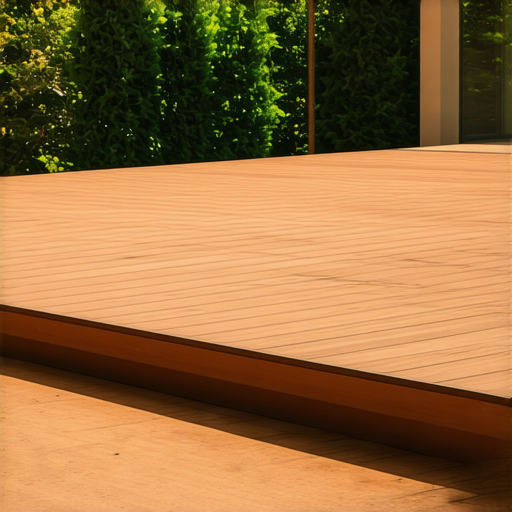
Similarly, composite decking has revolutionized outdoor living for many homeowners, including myself. It’s low-maintenance, weather-resistant, and available in a variety of styles and colors. But not all composite decking is created equal. Selecting the right type can make or break your project’s longevity. I’ll show you how to navigate these choices, so your outdoor space remains beautiful and safe for years to come.
What to Expect Next
In the sections ahead, I’ll share practical tips on choosing the best railing systems, understanding the latest composite decking trends, and avoiding common pitfalls. If you’ve ever felt unsure about where to start or worried about wasting money, you’re in the right place. Let’s turn that backyard chaos into a stunning, safe haven you’ll love spending time in. Ready to get started? Let’s go!
Start with a Solid Foundation
Before diving into specific products, assess your outdoor space thoroughly. Measure your deck area, identify any existing structural issues, and decide on the style that complements your home. Think of this step as sketching your blueprint—clarity now saves headaches later.
Select Railing Systems That Prioritize Safety and Style
Opt for railing systems that meet local safety codes, but don’t sacrifice aesthetics. I once installed a DIY railing that looked good but wobbled under pressure. Instead, I recommend using trusted railing systems known for durability. Consider materials like aluminum or composite, which resist corrosion. When choosing, think of your railing as the neckline of your outdoor outfit—both protective and eye-catching.
Measure and Match for Perfect Fit
Double-check measurements before purchasing. I once ordered a railing kit that was too short because I mismeasured. To prevent this, mark your layout with painter’s tape and use a level for accuracy. Proper fit ensures safety and a sleek look.
Choose Weather-Resistant Composite Decking
Not all composite decking is created equal. My first attempt with a cheaper brand led to fading and warping within two years. To avoid this, research the latest composite decking trends that focus on UV resistance and weatherproofing. Think of composite decking as the skin of your outdoor space—its durability depends on what you pick.
Compare Core Technologies
Look for products with a solid core or capped technology. I found that capped composite boards hold color longer and resist stains better. When shopping, check product specs and reviews—this is like reading a recipe before cooking.
Plan for Easy Maintenance and Longevity
Invest in materials that require minimal upkeep. My initial deck required annual sanding and sealing—an exhausting process. Modern composite decking often just needs occasional cleaning. Set a schedule to keep your space looking fresh without hassle. Think of maintenance as the regular tune-up for your outdoor vehicle—necessary for smooth operation.
Consult Experts for Customization
When in doubt, reach out to professionals or explore custom options. I once worked with a designer who recommended a combination of glass panels and composite balusters, creating a modern yet safe environment. Visit this resource for insights on tailored solutions. Customization ensures your outdoor space reflects your personal style while meeting safety standards.
Implement with Precision
Careful installation is crucial. I learned this the hard way when my first railing installation was uneven, causing safety concerns. Use proper tools, follow manufacturer instructions, and consider hiring a professional if needed. Proper installation is the difference between a beautiful deck and an unsafe one.
Regular Inspection and Upkeep
Finally, schedule routine checks. Tighten loose fittings, replace damaged components, and clean surfaces. A quick inspection every season keeps your outdoor oasis in top shape for years to come. Think of it as regular health checkups for your outdoor investment.
Many homeowners believe that selecting the right railing systems and composite decking is a straightforward process, but there are crucial nuances that often get overlooked. Let’s dig deeper into what most people get wrong, so you can make smarter choices for your outdoor project.
Why Skipping the Details Can Lead to Safety Risks
One of the biggest myths is that all railing systems are created equal. In reality, some systems might meet safety standards but fail in durability or aesthetic appeal over time. For example, choosing a cheaper aluminum railing without considering its coating or design can result in corrosion or an unsightly appearance within a few years. Modern trusted railing systems incorporate advanced materials and coatings to resist weathering, ensuring you don’t have to replace them prematurely.
Overlooking the Nuance of Composite Material Capping
When selecting composite decking, many assume that all products with similar price points or appearances are equally durable. This is a trap. The technology behind capped composite boards, which involves a protective outer layer, significantly impacts longevity. I’ve seen decks with uncapped or poorly capped boards fade or stain easily, leading to costly repairs. Opt for products with advanced capped technology, like those with a solid core or high-quality cap, for lasting beauty and minimal maintenance. For a comprehensive comparison, check out these trends.
Advanced Mistake: Ignoring Local Building Codes and Future Proofing
Many homeowners focus on aesthetics and ignore the importance of local safety codes and future-proofing their outdoor space. For instance, a common mistake is installing railings that look great but don’t meet height or spacing regulations, which can lead to safety violations or costly modifications later. Always verify local standards and consider modular or customizable systems that can adapt to future needs. Need help? Reach out through this contact page to get expert guidance.
Have you ever fallen into this trap? Let me know in the comments. Remember, attention to detail now saves you time, money, and headaches in the long run. Avoid rushing your decision—invest in quality and expert advice to ensure your outdoor space is both beautiful and safe for years to come.
Keeping your deck and railing systems in top shape requires more than just initial installation; it demands regular maintenance, the right tools, and a strategic approach to long-term durability. As someone who has tackled numerous outdoor projects, I can attest that investing in quality tools and understanding proper maintenance routines makes a significant difference in maintaining safety and aesthetics over time.
Invest in Quality Maintenance Tools
For routine inspections and minor repairs, I rely on a few essential tools. A high-quality cordless drill with a set of stainless steel bits is indispensable for tightening loose fittings or replacing damaged components. I prefer a digital torque wrench because it ensures bolts are tightened to manufacturer specifications, preventing over-tightening that can damage materials or under-tightening that risks safety.
Additionally, a good cordless electric screwdriver speeds up the process of installing or adjusting railing components, especially when working on multiple sections. For cleaning, I swear by a pressure washer with adjustable settings, which effectively removes dirt and grime without damaging the deck surface or railings. A soft-bristled brush and a biodegradable cleaning solution are also part of my toolkit for periodic upkeep.
Software and Planning for Long-Term Results
Beyond physical tools, I use project management software like Trello to track maintenance schedules, warranty expirations, and upcoming upgrades. Keeping a detailed log helps me stay proactive rather than reactive. For design consistency and future enhancements, I utilize CAD software to plan structural modifications or aesthetic updates, ensuring that any changes integrate seamlessly with existing structures.
How do I maintain my deck over time?
Regular inspections are vital. I check for loose fittings, signs of corrosion, or damage after harsh weather events. I also routinely clean the surface with a gentle, composite-safe cleaner and reapply protective coatings on metal components to prevent rust. For composite decking, following manufacturer guidelines for cleaning and avoiding abrasive tools preserves the surface’s integrity and appearance.
Embracing Future Trends
Looking ahead, I see smart maintenance solutions emerging, like IoT sensors that monitor structural integrity in real-time, alerting homeowners to issues before they escalate. Integrating such technology could revolutionize outdoor maintenance in the next decade, making safety checks more automated and precise.
Try incorporating a digital torque wrench into your routine or setting up a maintenance tracking system. These small steps can extend the lifespan of your outdoor investments significantly. Remember, consistent care combined with the right tools ensures that your deck and railing systems remain safe, stylish, and reliable for years to come.
Lessons the Hard Way That Changed My Approach to Deck Building
- Discovering that even the most attractive railing systems can fall short if they don’t meet safety standards was a game-changer for me. It taught me to prioritize durability over aesthetics initially, then blend both seamlessly.
- I learned that composite decking isn’t just about looks; technology like capped cores and weatherproof layers significantly extend the lifespan. Skipping this detail cost me time and money in repairs.
- Realizing that local building codes are not optional was a lightbulb moment. Designing with future-proofing in mind saves headaches when regulations change or your needs evolve.
- Investing in quality maintenance tools and setting up a routine has kept my outdoor space safe and stunning without constant rework. Small investments in tools and planning go a long way.
Tools and Resources That Make a Difference
- Trusted Railing Systems: I rely on top-rated railing options known for durability and style, helping me avoid early corrosion or wobbliness.
- Composite Decking Trends: For weather-resistant, low-maintenance decking, I follow latest composite innovations that ensure my deck stays beautiful year after year.
- Design Software: Using CAD tools helps me plan future upgrades and maintain aesthetic consistency, making my outdoor space both functional and stylish.
- Maintenance Tools: A cordless drill, digital torque wrench, and pressure washer are my go-to for quick inspections and upkeep, saving money and extending the life of my deck.
Let Your Outdoor Space Inspire Your Next Move
Building a safe, stylish deck isn’t just about choosing the right materials—it’s about ongoing care, smart planning, and learning from experience. Your outdoor space is an extension of your home and personality. With the right knowledge and tools, you can create a backyard retreat that’s both secure and stunning for many years. Ready to elevate your outdoor living? Dive deeper into expert solutions and turn your vision into reality.
What’s the biggest challenge you’ve faced when designing or maintaining your deck? Share your experiences below—I’d love to hear your story!
Reading this post reminded me of my own experience with deck building, especially the importance of selecting durable materials and doing thorough planning before installation. I once underestimated the impact of cheap, poorly capped composite decking, which faded and warped in just a couple of years. Since making the switch to capped technology with a solid core, I’ve noticed a huge difference in how my deck holds up against weather and UV rays. It’s clear that investing a little more upfront in quality can save a lot of headaches—and money—in the long run. I agree that proper installation and regular maintenance are crucial; even the best materials can fail if not installed correctly or neglected over time. Has anyone here experimented with smart maintenance tools or IoT sensors for monitoring their deck’s stability? I’m curious if those high-tech solutions live up to their potential or if traditional methods still hold strong in ensuring safety and longevity.
This post hit home for me, especially the emphasis on proper planning and quality materials. I recall a project where I initially cut corners with cheaper composite decking, and it quickly warped under the sun’s harsh rays. Since switching to capped composite with a solid core, I’ve noticed a huge difference in durability and color retention. One thing I’d add is the importance of selecting the right railing system not just for safety but also for ease of maintenance; materials like aluminum or composite tend to age better and resist corrosion. Another aspect I’ve found helpful is keeping a detailed maintenance schedule—using digital tools to track inspections and repairs. It’s a lot easier knowing what needs attention before issues become costly. I’m curious, have any of you experimented with smart home tech like IoT sensors to monitor structural health? Do these tools really save time and prevent accidents, or are they more of a luxury than a necessity? Would love to hear about your experiences and recommendations.