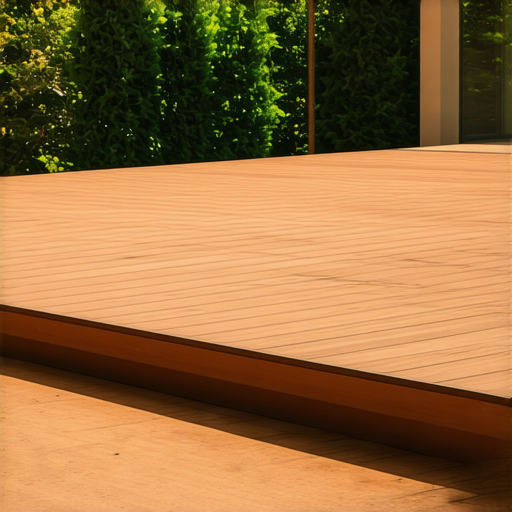

Ever spent a lazy weekend trying to enjoy your backyard, only to be thwarted by a flimsy, poorly built pergola or decking that wobbles under the slightest breeze? I’ve been there. I remember investing in what I thought was a top-notch pergola, only to see it warp and fade within a couple of seasons. That lightbulb moment made me realize: not all outdoor structures are created equal, and choosing the right materials and designs is crucial for lasting outdoor trust.
Why settling for less can cost you big time
When I first started upgrading my backyard, I thought I could cut corners—save some money, pick the cheapest options. But I quickly learned that cheap materials often lead to expensive repairs and replacements down the line. The outdoor elements are relentless—sun, rain, snow—and if your pergola or decking isn’t built to endure, you’ll be back at square one sooner than you think. According to industry experts, investing in high-quality composite decking and engineered pergolas can extend the lifespan of your outdoor setup by years, reducing maintenance costs and increasing your home’s value. (source)
So, what’s the secret to building an outdoor space that you can trust year after year? It starts with understanding which materials stand the test of time and how thoughtful design can turn your backyard into a true sanctuary. That’s exactly what I want to help you discover today.
What we’ll cover next
In this post, I’ll share the essential tips and insights I’ve gathered from my own experience — from selecting durable pergola designs to choosing the best composite decking solutions. Whether you’re just starting or looking to upgrade your existing setup, these practical steps will guide you toward creating an outdoor space that’s not only beautiful but built to last. Ready to make your backyard the envy of the neighborhood? Let’s dive in.
Is going high-end worth it for outdoor trust?
Early on, I made the mistake of assuming that the cheapest materials would suffice. That was a costly lesson. Investing in quality might seem like a big upfront expense, but it pays off in durability and peace of mind. You don’t want to be replacing your pergola or decking every couple of years — trust me on this. If you’re skeptical, I get it. That’s why I’ll show you how to identify the best options that balance cost and longevity, so your outdoor space remains reliable for years to come.
},
Choose the Right Materials for Longevity
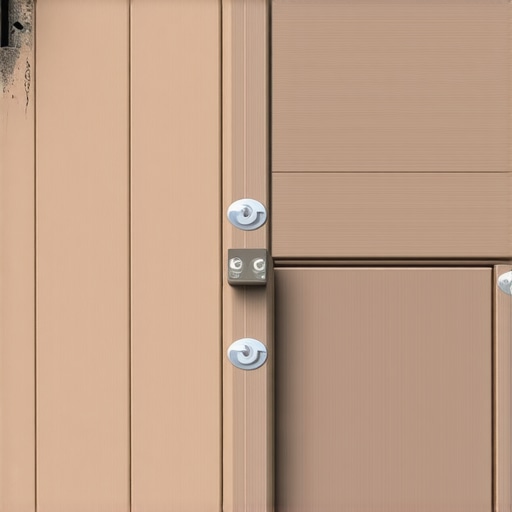
Start with selecting materials that withstand the outdoor elements. For pergolas, engineered wood or durable metal options like aluminum provide strength and resistance to weather. When it comes to decking, opt for composite materials that combine the appearance of wood with enhanced durability. I once installed a composite deck with a hidden fastener system, which not only improved aesthetics but also reduced the risk of water infiltration—making it last much longer under harsh conditions.
Invest in Thoughtful Design
Design your pergola and decking with functionality and durability in mind. Use larger beams and posts for structural strength, especially if your area experiences heavy snowfall or strong winds. Incorporate slatted or open-roof designs that allow water to drain easily and prevent pooling. I experimented with different pergola layouts, and the one with a slightly sloped roof proved best at shedding rain, reducing maintenance and prolonging its lifespan.
Select Quality Hardware and Fasteners
High-grade, corrosion-resistant hardware is vital. Use stainless steel or coated fasteners to prevent rust, which can weaken the structure over time. During my last project, I replaced all standard nails with stainless steel screws, which significantly improved the stability of the pergola over a winter season.
Prioritize Proper Installation Techniques
Even the best materials can fail if not installed correctly. Ensure posts are deeply anchored in concrete footings that extend below the frost line. Use level and plumb checks throughout assembly. For my deck, I made sure to embed posts in concrete and used a laser level to guarantee an even surface, preventing future warping or settling issues.
Implement Maintenance and Protective Measures
Regular upkeep extends the life of your outdoor structures. Clean your composite decking with gentle soap and water, avoiding harsh chemicals that might degrade the surface. Apply protective sealants or paint on pergola wood if applicable, and inspect for signs of wear annually. I learned early on that a simple annual check-up saved me costly repairs later—replacing loose fasteners and sealing small cracks before they worsened.
Leverage Expert Resources and Guides
Consult reputable sources like Ultimate Pergola and Deck Design Ideas to refine your plans. Professional advice ensures your project not only looks great but also provides lasting trust in its durability. When I followed expert tips, my outdoor setup became more resilient and visually appealing, giving me peace of mind for years to come.
< >
>
Many homeowners and DIY enthusiasts assume that selecting the most durable materials or the most advanced design automatically guarantees longevity for outdoor structures like pergolas and decks. But let’s dig deeper into some nuanced pitfalls that can undermine even the most well-intentioned projects. For instance, a frequent mistake is neglecting the importance of proper installation techniques—no matter how high-quality the materials, if the foundation isn’t correctly laid or hardware isn’t corrosion-resistant, the entire structure’s lifespan can be compromised. According to industry experts, up to 70% of outdoor structure failures can be traced back to installation errors rather than material quality. This highlights the critical need to focus on detailed, professional-grade installation practices, such as anchoring posts below the frost line and using stainless steel fasteners to prevent rusting. Learn more about installation best practices.
Why Do Some Materials Fail Despite Being ‘Weather-Resistant’?
A common myth is that choosing weather-resistant materials like composite decking or aluminum pergolas is enough to ensure durability. While these materials significantly improve resilience, they are not invincible. Factors such as improper maintenance, lack of protective coatings, or exposure to extreme conditions can accelerate wear. For example, composite decking, although resistant to rot and insects, can degrade if exposed to harsh UV rays without protective sealants. A study by the Outdoor Living Association indicates that regular maintenance, including cleaning and applying UV-resistant sealants, extends the lifespan of composite materials by up to 30%. So, the real secret isn’t just the material choice but also how well you maintain it over time. Remember, neglecting routine upkeep can turn even the most durable options into liabilities. To find the best maintenance strategies, explore expert tips on maintenance.
Another mistake I’ve seen is underestimating the importance of thoughtful design—such as slope and drainage—to prevent water pooling and rot. Without proper planning, even the sturdiest structure can succumb to moisture damage. So, whether you’re considering a pergola or a deck, integrate drainage considerations from the start, like sloped roofs or open slats for water runoff. This small detail can dramatically increase your structure’s lifespan and reduce repair costs over the years. Remember, the devil is in the details, especially when it comes to outdoor trust. Have you ever fallen into this trap? Let me know in the comments.
By understanding these nuanced factors—installation precision, maintenance routines, and clever design—you can avoid common pitfalls and truly build an outdoor space that stands the test of time. For more expert insights, check our ultimate guide to reliable outdoor design.
How do I keep my outdoor structures functioning smoothly over time?
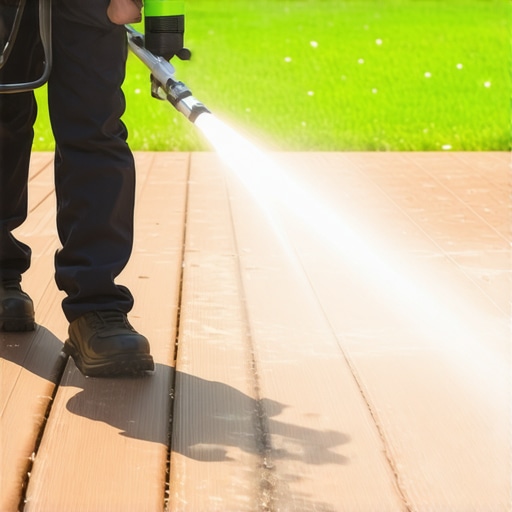
Maintaining your backyard installations like pergolas and decks requires a combination of the right tools and consistent routines. Personally, I rely heavily on a high-quality power washer for routine cleaning. It effectively removes dirt, mold, and algae without damaging the surface, especially when paired with eco-friendly cleaning solutions. For stubborn stains or moss buildup, I use a biodegradable deck cleaner, which helps prolong the lifespan of composite decking and wooden pergolas, ensuring they stay vibrant and durable year after year.
Another indispensable tool I recommend is a cordless impact driver. It’s perfect for tightening fasteners securely, especially when dealing with large beams or metal brackets. Over time, fasteners can loosen due to weather exposure, so having a reliable impact driver makes re-tightening quick and effortless, preventing structural issues. I prefer models with brushless motors for their longevity and efficiency, which is crucial for ongoing maintenance routines.
In terms of software, I utilize digital project planners like Trello or Asana to keep track of maintenance schedules. Setting reminders for annual inspections or sealing treatments ensures nothing gets overlooked, which is vital for preserving outdoor trust. These tools help me organize tasks like checking for rot, applying UV sealants on composite surfaces, or replacing worn hardware, making maintenance more manageable and less stressful.
Looking ahead, I believe the trend will shift toward smart maintenance systems, possibly integrating IoT sensors that monitor moisture levels, structural integrity, and UV exposure. Such innovations could alert homeowners before minor issues become costly repairs, making upkeep more proactive and less reactive.
Why does regular maintenance matter for long-term durability?
Consistent upkeep is the backbone of outdoor trust. Even the most resilient materials, like composite decking, require routine cleaning and protective coatings to fend off UV damage and moisture infiltration. Neglecting these steps can lead to warping, fading, or rot, which compromises safety and aesthetics. That’s why I schedule seasonal inspections—checking for loose fasteners, cracks, or signs of wear—and applying sealants or protective paints as needed. This small investment of time pays off by extending the life of your structures and maintaining their beauty and safety for years to come.
If you’re interested in a comprehensive approach, I recommend exploring top railing systems and deck design tips to understand how integrated maintenance can be simplified with the right design choices. Remember, the key to outdoor success isn’t just building it; it’s keeping it in top shape for the long haul.
< >
>
Lessons I Had to Learn the Hard Way
- One of my biggest lightbulb moments was realizing that even the best materials can fail if not installed properly. A structure’s foundation is everything, and rushing the footing or skipping detailed checks can lead to costly repairs later.
- I used to think that regular maintenance was optional — turns out, neglecting routine care like cleaning and inspections shortens the lifespan of my outdoor structures significantly. A simple annual check-up saves me money and stress.
- Choosing weather-resistant materials isn’t a silver bullet. Without proper protective coatings and thoughtful design, even the toughest materials can degrade over time. Design details like sloped roofs for drainage make all the difference.
- Investing in quality hardware, such as stainless steel fasteners, has been a game-changer. Rusting fasteners weaken structures and can cause safety issues, so I always opt for corrosion-resistant options.
- Finally, consulting expert resources and guides—like those found on trusted sites—has helped me avoid common pitfalls and elevate my outdoor projects from basic to trustworthy and durable.
Tools and Resources That Keep My Outdoor Spaces Strong
- Composite Decking Trends: I trust this source for the latest durable solutions that combine beauty and longevity. Their insights help me choose materials that withstand the elements for years.
- Expert Pergola and Deck Design Ideas: These guides provide practical layouts and design tips that improve both aesthetics and water drainage, extending the life of my structures.
- Maintenance Tips: Regular cleaning with eco-friendly solutions and the use of impact drivers for tightening fasteners keep my outdoor structures in top shape. I also track maintenance schedules with digital tools like Trello, which makes routine upkeep manageable.
- Installation Best Practices: Following industry standards for anchoring posts below the frost line and using corrosion-resistant hardware has prevented many issues before they start.
- Smart Monitoring: I’m excited about future innovations like IoT sensors that could alert me to moisture or structural problems early, making maintenance even more proactive.
Take Action and Build with Confidence
Building outdoor trust isn’t just about choosing the right materials; it’s about understanding the nuances of proper installation, diligent maintenance, and clever design. With the right approach, your backyard can become a reliable sanctuary for years to come. Now is the perfect time to start your project with confidence and turn your outdoor space into something truly trustworthy.
What’s your biggest challenge when it comes to outdoor structures? Share your experiences below and let’s learn from each other!
Reading through this post really hit home for me. I’ve previously installed a wooden pergola without considering the slope of the roof or the type of fasteners used, which led to some significant rot and rust issues after just a couple of seasons. Since then, I’ve learned the hard way that details like using stainless steel hardware and ensuring proper drainage are absolutely crucial for longevity. What’s interesting is how much I underestimated the importance of the foundation; I once just anchored posts in the ground without proper footing, and that caused settling over time. I’ve started carefully planning my projects, focusing on better installation practices. I’d love to hear from others—how do you approach foundational work for outdoor structures? Do you have tried-and-true techniques or tools that ensure stability over the years? Overall, this post reinforces how essential ongoing maintenance and attention to details are, even with the best materials.
This post resonates with me because I’ve learned firsthand how crucial proper installation and choosing the right materials are for outdoor structures to truly stand the test of time. I recently upgraded my deck with composite decking and a pergola made of aluminum, and the difference in durability compared to previous wooden structures has been remarkable. I especially appreciated the emphasis on drainage and sloped designs—my pergola’s open slats and sloped roof help shed water efficiently, which has prevented issues like pooling or rot. I also used stainless steel fasteners to prevent rust, and it’s made a real difference during rainy seasons. One thing that often gets overlooked is how vital consistent maintenance is; I schedule annual inspections and cleaning to keep everything in top shape. I’d love to hear others’ experiences: how do you manage routine maintenance while still enjoying your outdoor living space? What tips have you found effective to prolong the lifespan of your structures? I think blending thoughtful design with good upkeep is the key to outdoor trust.
This article really hit home for me, especially the emphasis on installation techniques. I’ve come to realize that even a beautifully designed pergola or deck can quickly fall apart if not installed correctly. I once overlooked the importance of deep anchoring and proper concrete footings, and after a tough winter, I found my structure shifted and developed cracks. Now, I’m much more attentive, ensuring posts are below the frost line and hardware is rust-resistant. I also learned that regular maintenance, like inspecting fasteners and sealing wood surfaces, drastically extends the lifespan of outdoor structures. It’s not just about buying high-quality materials but also about meticulous installation and upkeep. Have others found specific tools or methods that help ensure proper foundation work—like particular levels, post-driving techniques, or mixing ratios for concrete? I’d love to hear your tried-and-true tips for mastering the foundation aspect, as I believe it’s the key to long-term outdoor trust.
This post really underscores what I’ve come to realize over the years — that investing in quality materials and proper installation truly pays off in long-term durability. A mistake I’ve often seen homeowners make is underestimating the importance of drainage design, which can cause water pooling and rot over time, even with the best materials. I personally added sloped roofs and open slats to my pergola design, which has significantly reduced maintenance and extended its lifespan. Properly anchoring posts below the frost line and using corrosion-resistant fasteners are simple yet critical steps that I make sure to follow. I’d love to hear, how do others incorporate drainage solutions into their outdoor structures, especially in climates with heavy precipitation? Sometimes simple tweaks in design can make a world of difference in trust and longevity.
This post really hits home for me. After experiencing issues with a poorly installed pergola that rusted and warped in just a couple of seasons, I’ve become a firm believer in investing in high-quality materials and proper installation techniques. Especially in climates with heavy rain or snow, I’ve found that over-engineering the foundation with deeper footings and using stainless steel fasteners can make all the difference. One thing I’ve learned is to pay close attention to drainage—adding a slight slope or open slatted roof helps water runoff and prevents pooling, which can cause rot over time. I also rely on annual inspections and professional-grade sealants to extend the lifespan. Has anyone experimented with smart monitoring tools or sensors that alert you to moisture buildup or structural shifts? I think integrating these could help maintain outdoor trust even more effectively. What are some of your must-do maintenance routines to ensure your backyard structures stand the test of time? I’d love to hear your insights.