
It was a breezy Saturday in July when I realized my backyard was out to get me. I’d just finished a beautiful install, using some of the latest composite decking trends to create what I thought was a suburban sanctuary. I reached for the handle of my sliding glass door and—BAM. A blue spark jumped from my fingertip that was so loud my dog actually barked. For a second, I thought I’d wired a light fixture wrong. But no, it was just me walking across my own floor. I’d built a giant, outdoor Van de Graaff generator.
Stop the Spark Before Your Next BBQ
I’ve spent the last decade obsessing over how to maximize outdoor living with low-maintenance composite decking, but early on, I made a classic rookie mistake. I assumed that because composite is plastic-like, it would be inert. I didn’t realize that walking in rubber-soled shoes across synthetic fibers is basically the recipe for a localized lightning storm. Today, I’m going to show you exactly why your deck is statistically likely to shock you and, more importantly, the simple fixes—ranging from anti-static sprays to grounding techniques—that actually work. Have you ever been afraid to touch your own railing after a quick stroll across the boards?
Is the Static Shock Actually Dangerous?
The short answer is: mostly for your electronics and your nerves. While a static discharge from a deck isn’t going to knock you out, it can be a real nuisance for sensitive gear. According to the Electrostatic Discharge Association (ESDA), triboelectric charging (the fancy word for this friction) can generate thousands of volts, which is more than enough to fry a smartphone or a high-end outdoor speaker if you touch it at the wrong moment.
The Science of Friction on Synthetic Boards
The reason this happens is pretty straightforward, but often overlooked during the design phase. Most modern boards are wrapped in a protective polymer cap. This is great for preventing rot, but it’s a non-conductive surface. When your shoes rub against that cap, electrons get stripped away and build up on your body. Because the deck can’t bleed that charge off into the ground—unlike old-school wood—you stay hot until you touch something metal, like safety-focused railing systems or your grill handle. I even tried using the simple DIY solution for squeaky composite boards thinking it might lubricate the surface, but the static persisted because the issue was molecular, not mechanical. We often focus so much on whether hidden fasteners fail on high-traffic areas that we forget about the invisible physics happening right under our feet.If you’re tired of the midday zap, the easiest entry point is a topical anti-static treatment. I remember spraying down my first big project with a mixture of water and fabric softener—a trick I learned from an old-school carpet installer. It felt ridiculous, and I definitely missed a few spots, resulting in a deck that smelled like a laundromat but still had one ‘hot zone’ near the grill. For something more professional, look for commercial-grade coatings designed specifically for polymers. These work by attracting a microscopic layer of moisture to the board, which allows the charge to dissipate rather than build up. This is one of those composite decking secrets that keeps the peace during a family dinner, though you’ll need to reapply it after a heavy rain.
The Invisible Wire That Drains the Spark Away
For a permanent fix, you have to think like an electrician. Since professional builders prefer capped composite over wood for its durability, we have to deal with that synthetic cap’s insulating properties. I once had a client who was terrified to touch his custom railing systems because every time he stood up from his chair, he’d get a jolt that would make a toddler cry. We ended up running a discrete 12-gauge copper wire along the underside of the rim joist, connecting it to the metal railing posts and then down to a dedicated grounding rod driven into the earth. It effectively turned the entire structure into a giant drain for static electricity. 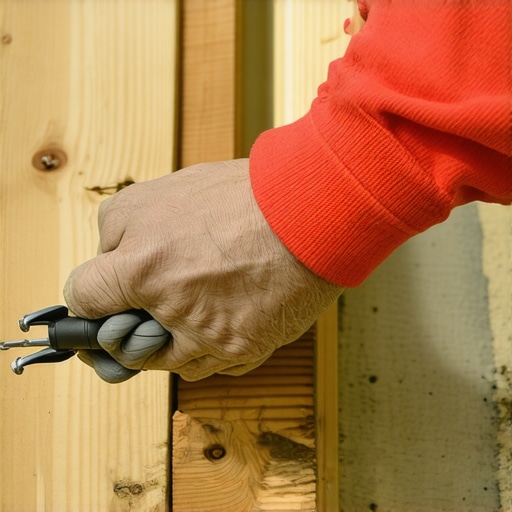
Hide the Hardware for a Clean Look
If you are dealing with a modern pergola design attached to the deck, you have even more metal surface area to work with. Use the structure to your advantage. I’ve found that using black aluminum railings actually helps in a weird way; while they get hot in the sun, they are excellent conductors for grounding projects if you hide the wiring inside the posts. You can even learn how to hide low voltage wires inside aluminum railing posts to keep the aesthetic clean while you’re at it.
Humidity and Hardware Can Soften the Blow
I’ll never forget the ‘Great Spark’ of 2019. I had just finished a high-end pool deck where we ignored the grounding because we were so focused on why you should choose lighter colors for pool side decking. The homeowner’s kids were getting shocked every time they climbed out of the water and touched the gate. I spent three hours on my belly under the joists, snaking wire through the framing. It was cramped, I got a face full of spiderwebs, and I definitely dropped my wire strippers into the dirt more than once. But once that final connection to the grounding rod was clamped tight? Silence. No more sparks. If you aren’t ready to crawl under the deck, try increasing the local humidity. Placing large potted plants around the perimeter or installing a misting system can raise the moisture levels just enough to kill the triboelectric effect. It’s not as foolproof as a copper wire, but it’s a lot easier on your back.
Most pros will tell you that composite is the ‘set it and forget it’ solution for modern backyards. But here’s the truth: composite is actually less forgiving than traditional pressure-treated wood. Wood is rigid; it hides a multitude of framing sins. Composite, however, behaves more like a very slow-moving liquid over time. If your joists are even slightly out of alignment, those expensive boards will follow every wave and dip in the frame. I’ve seen high-end installs look like a roller coaster after just one season because the builder didn’t use the string line method for perfectly level deck surfaces. It’s about more than just aesthetics; it’s about structural integrity.
Why does your high-end composite feel like walking on a trampoline?
The biggest myth in the industry is that standard 16-inch on-center joist spacing is universally acceptable. If you’re implementing innovative deck design ideas that elevate your homes curb appeal, you’re likely using a high-density capped board. These materials are significantly heavier than cedar. Expert reports from the North American Deck and Railing Association (NADRA) suggest that composite decking can experience noticeable deflection (that ‘bouncy’ feeling) if the substructure isn’t tightened up. If you want that rock-solid feel, you often need to drop your spacing to 12 inches on-center, or you’ll quickly find out why your composite boards feel spongy under heavy furniture during the first big gathering.
The biggest ‘Oops’ factor I see with advanced builds involves thermal expansion. Unlike wood, which expands mostly in width, composite expands lengthwise. If you don’t leave the proper gap at the house wall or the butt joints, the boards will buckle and pull their fasteners right out of the wood. This is especially true for darker colors. I’ve seen beautiful projects ruined because someone ignored why dark composite boards need extra expansion space. These boards can reach temperatures high enough to fry an egg, which is exactly why hidden fasteners pop up in extreme summer heat when the material has nowhere to go.
Another nuance? The fasteners themselves. If you aren’t using the specific screw type that prevents composite board mushrooming, you’ll end up with tiny, ugly craters around every screw head that trap dirt and moisture. And never skimp on the skeleton. I always insist on the joist tape secret for doubling your decks life because while the boards won’t rot, the pressure-treated frame underneath is still vulnerable to moisture trapped in those screw holes. Finally, let’s talk about your overhead structures. Many homeowners think a 4×4 post is sufficient for a shade structure, but they are often mistaken. There is a specific structural reason why your pergola posts need to be 6×6 minimum for stability. Anything smaller tends to look spindly and will eventually twist or lean. Have you ever fallen into this trap or noticed your boards acting up after a hot day? Let me know in the comments.
Building the frame is only half the battle; keeping it looking like a showroom for the next twenty years requires a very specific set of tools and a few non-obvious habits. I’ve learned the hard way that a standard toolkit just doesn’t cut it once you transition into high-end synthetic materials. For instance, I never step onto a job site without my variable-temperature heat gun. Most people think heat guns are for stripping paint, but in the world of expensive capped boards, they are the only way to save a project from a dropped hammer or a dragged patio chair. If you know how to fix scuffs on dark composite boards with a heat gun, you can literally melt those white scratch marks back into the grain, saving yourself from having to rip up an entire board in the middle of a finished floor. It takes a steady hand and a bit of patience, but it’s a total game-changer for finishing touches.
Why a rubber mallet is better than a hammer
Another tool that never leaves my side is a high-quality white rubber mallet. When you are using hidden fasteners, you often need to ‘persuade’ the boards into place to keep your gaps consistent. Using a traditional hammer or even a wood block can leave impact marks on the delicate polymer cap. This is precisely why you should use a rubber mallet for seating composite boards; it provides the force needed without compromising the aesthetic. I also rely heavily on specialized drainage solutions. For clients wanting usable space underneath their second-story builds, I always suggest the hidden gutter system for keeping under-deck spaces dry. It turns a dark, muddy area into a bright, dry patio that doubles your square footage without much extra framing. According to the American Wood Council’s DCA 6 guidelines, the management of moisture at the ledger and substructure level is the single most important factor in preventing catastrophic structural failure, and these gutter systems help divert that water away from the house entirely.
Stop killing your boards with harsh bleach
When it comes to cleaning, most homeowners reach for the strongest chemicals they can find, but that is a recipe for disaster. I’ve seen beautiful charcoal decks turned into a patchy, gray mess because someone used a pool-grade chlorine wash. You need to understand why you should never use bleach on composite decks; the chemical reaction can actually break down the UV inhibitors in the plastic cap, leading to premature fading and a brittle surface. Instead, stick to a simple mixture of mild dish soap and warm water. For those annoying Saturday night accidents, knowing how to clean red wine stains off composite decking fast will save your afternoon. A quick scrub with a soft-bristled brush is usually all it takes if the material is high-quality capped composite.
How do I maintain my composite deck over time?
Maintenance is less about hard labor and more about ‘gap management.’ Every autumn, I tell my clients to take a putty knife or a thin spatula and clear the debris from the gaps between the boards. This is the secret to preventing leaf rot between deck boards. When organic matter sits in those gaps, it traps moisture against the joists, which is where the real rot begins, even if the boards themselves are synthetic. You should also perform a quick structural check once a season. I recommend the 3-second push test for wobbly railing systems. Simply grab your corner post and give it a firm shove; if it deflects more than an inch, your hardware has likely loosened due to the seasonal expansion and contraction of the wood frame.
Future tech is making backyards smarter
Looking ahead, I see the industry moving toward ‘Smart Decks.’ We are already seeing innovative deck design ideas for 2025 that include integrated sensors to monitor the moisture levels of the joists and automated lighting systems that adjust based on the time of day. I predict that within the next five years, we will see composite materials with even higher thermal resistance that stay cool to the touch even in direct July sun. Before your next big BBQ, I highly encourage you to try one advanced tip: run a grounding wire from your metal railing to a copper rod. It’s a tiny afternoon project that will eliminate those annoying static shocks forever.
After years of wrestling with the invisible physics of synthetic materials, I have realized that the perfect backyard isn’t just about what you see, but what you feel—or more importantly, what you don’t feel. Moving beyond the initial installation requires a shift from builder to steward. I’ve seen projects that cost forty thousand dollars feel like a liability because of a simple lack of grounding or poor gap management. It is the small, disciplined touches that transform a simple floor into a lifelong retreat.
Hard Truths I Learned from a Decade in the Joist Trenches
Reflecting on hundreds of builds, I have identified a few ‘lightbulb moments’ that usually only come after making expensive mistakes. First, the ‘set it and forget it’ promise of composite is a half-truth. While you won’t be sanding and staining, you must still manage organic buildup. If you ignore composite decking secrets regarding seasonal cleaning, you are essentially creating a petri dish for mold between your boards. Second, never underestimate the power of expansion. I have watched boards buckle with enough force to shear stainless steel screws because someone forgot that dark colors expand significantly more in the sun. Finally, always trust your hands over your eyes. If you perform the 3-second push test for wobbly railing systems and feel even a millimeter of play, you need to tighten your carriage bolts immediately before the wood frame compresses further.
#IMAGE_PLACEHOLDER_E#
A Minimalist Toolkit for Your Outdoor Masterpiece
You don’t need a garage full of gear to keep your space in showroom condition, but you do need these three specific items. I always recommend keeping a variable-temperature heat gun on hand; it is the only way to successfully learn how to fix scuffs on dark composite boards with a heat gun without melting the grain. I also trust the structural guidelines provided by the North American Deck and Railing Association (NADRA) more than any ‘pro’ advice from a big-box store. Lastly, a simple 12-gauge copper grounding wire is your best friend. It is the cheapest insurance policy against the static shocks that plague high-traffic synthetic areas.
Your Path to a Truly Maintenance-Free Backyard
Building a deck that lasts decades is about respecting the materials and the environment they live in. By integrating innovative deck design ideas that elevate your homes curb appeal with technical safeguards like the joist tape secret for doubling your decks life, you aren’t just building a platform—you are building peace of mind. Don’t be afraid to get under the joists and make those final adjustments. The effort you put in now ensures that the only thing you’ll be feeling at your next BBQ is the breeze, not a surprise zap from your railing. Have you ever dealt with those annoying static shocks on your own composite decking? Let me know your fix in the comments!