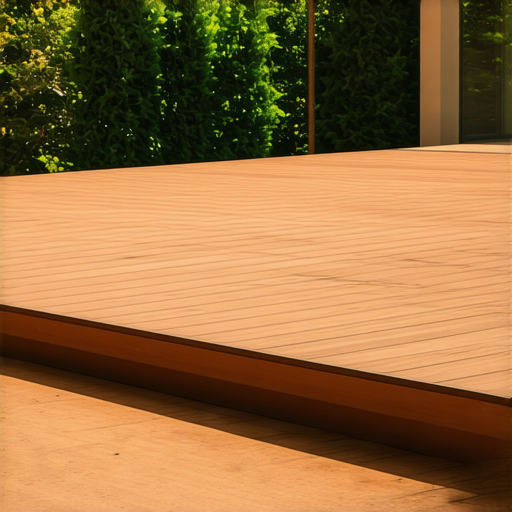

Ever spent hours agonizing over your deck and pergola choices, only to feel overwhelmed and unsure if it will stand the test of time? I’ve been there. I remember installing what I thought was a beautiful pergola, only to find it warped and wobbly within a year. That lightbulb moment taught me a vital lesson: not all designs are created equal, and choosing the right materials and layout can make or break your outdoor sanctuary.
Why Your Outdoor Space Deserves Thoughtful Design
Creating an outdoor area that’s both stunning and durable isn’t just about aesthetics. It’s about building trust—trust in the materials, the craftsmanship, and the design itself. A well-designed deck or pergola can transform your backyard into a reliable haven for family gatherings, relaxation, and even value appreciation. But with so many options out there, where do you begin? How do you avoid costly mistakes and end up with a space that truly lasts?
Is All Decking and Pergolas Worth the Investment?
Early in my outdoor renovation journey, I made the mistake of choosing trendy, inexpensive materials that looked good initially but failed quickly. That’s a common pitfall. According to industry experts, selecting quality materials like composite decking and professional-grade railing systems can significantly extend the lifespan of your outdoor structures. If you’re skeptical about the true value of investing in high-quality designs, I get it. But trust me, the peace of mind that comes with a reliable, lasting outdoor setup is worth every penny.
Today, we’re going to explore proven design ideas and building tips that will help you craft a backyard retreat you can rely on for years. From choosing the right pergola style to integrating durable decking options, I’ll share practical advice backed by real-world results. Ready to turn your outdoor space into a trustworthy oasis? Let’s dive in and make it happen.
Choose Quality Materials to Ensure Longevity
Start by selecting high-quality materials like composite decking, which resists rot, warping, and fading. I remember one project where I opted for standard wood, and within two years, it showed signs of splintering and discoloration. Switching to composite changed everything, providing a maintenance-free and durable surface that lasts for decades. For pergolas, opt for weather-resistant woods like cedar or pressure-treated lumber, or consider aluminum frames for minimal upkeep and maximum strength.
Design with Structural Integrity in Mind
Proper design is the backbone of a lasting outdoor space. I once attempted a DIY pergola without sufficient cross-bracing, which led to wobbliness after a storm. To avoid this, incorporate diagonal bracing and secure connections using galvanized or stainless-steel hardware. Use load calculations or consult industry standards to ensure your structure can withstand local weather conditions. For decks, ensure joists are spaced correctly—typically 16 inches on center—and supported with concrete footings deep enough to prevent shifting.
Focus on Secure Foundations and Anchoring
Foundation quality determines durability. In my experience, pouring concrete footings below the frost line prevented shifting during freeze-thaw cycles. When installing a deck or pergola, dig holes with precision, add gravel for drainage, and set posts in concrete. This creates a stable base that resists movement over time. For added strength, use post anchors or base plates that distribute weight evenly and prevent sinking.
Implement Weatherproofing and Protective Coatings
Applying sealants or paints designed for outdoor use shields your structures from moisture and UV damage. I once neglected to seal my wooden pergola, and it warped after just one rainy season. Now, I use a high-quality waterproof stain every couple of years, which keeps surfaces looking fresh and extends lifespan. For composite decks, ensure the surface is clean before applying any protective treatment; many products are available that enhance durability without damaging the material.
Regular Maintenance and Inspection Keep Structures Trustworthy
Consistent checks allow early detection of issues. I set a seasonal reminder to inspect for loose screws, cracked boards, or rusted hardware. Tightening fasteners and replacing damaged parts promptly prevents small problems from escalating. For pergolas, check for sagging beams or leaning posts, and reinforce as needed. Maintaining your outdoor structures is like regular health checkups—preventive care ensures longevity and peace of mind.
Leverage Expert Design Resources for Inspiration
To elevate your project, explore professional design ideas that emphasize durability and style. Visit Pergola Designs That Turn Your Garden into a Sanctuary for inspiring layouts and material suggestions. Additionally, consult industry guides on Composite Decking and Pergolas for Trustworthy Outdoor Living to select the best options for your climate and aesthetic goals.
<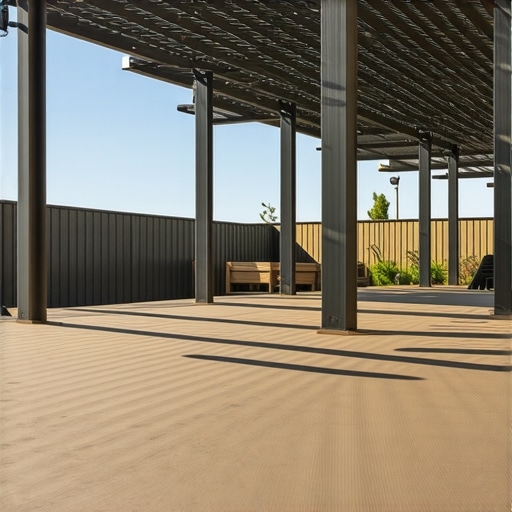 >
>
Many homeowners believe that choosing the cheapest materials or DIY-ing the entire process guarantees a quick, cost-effective outdoor upgrade. However, this approach often leads to costly mistakes and compromised durability in the long run. Let’s dig deeper into some misconceptions that could trip you up and reveal the nuances that seasoned builders understand.
Why Cutting Corners Often Backfires
One prevalent myth is that all decking materials are equally durable if they look similar. In reality, not all composites or woods are created equal. For instance, while pressure-treated lumber might seem like a budget-friendly choice, it can warp and crack if not properly sealed and maintained. Conversely, premium composite decking offers a low-maintenance, long-lasting surface resistant to rot, warping, and fading. According to industry experts, investing in quality materials reduces long-term costs and enhances safety. Don’t fall for the trap of choosing superficial aesthetics over structural integrity; it’s a false economy that can jeopardize your outdoor sanctuary.
Common Mistakes in Structural Design
A typical oversight is neglecting proper load calculations and weather considerations. For example, installing a pergola without diagonal bracing or adequate support can make it vulnerable to storms or even cause collapse. Many DIY enthusiasts overlook the importance of anchoring structures securely into foundations that can withstand freeze-thaw cycles and soil shifting. Use galvanized or stainless-steel hardware, and consult local building codes or industry standards for support spacing and footing depth. These advanced precautions might seem tedious but are essential for ensuring lasting stability. Remember, a well-designed structure isn’t just about looks; it’s about enduring the test of time and elements.
How Weatherproofing Can Be a Game-Changer
Applying basic sealants or paint might seem enough, but many overlook the importance of using weatherproof, UV-resistant coatings tailored for outdoor structures. For example, neglecting to seal wooden beams can lead to warping, rot, and decay within a few seasons. Modern protective coatings can extend lifespan significantly. For composite decks, regular cleaning and the use of appropriate sealants prevent surface damage and fading. It’s a common misconception that one coat of treatment is sufficient; in reality, annual maintenance can drastically reduce repairs and replacements, saving you hundreds in the long run. Think of weatherproofing as an insurance policy—an ounce of prevention that guarantees peace of mind.
Have you ever fallen into this trap? Let me know in the comments!
Maintaining your outdoor structures like decks and pergolas is crucial to ensure they stay beautiful and functional for years to come. Over time, even the most durable materials require regular attention, and having the right tools can make this process much easier and more effective. In this post, I’ll share the tools I personally rely on for long-term upkeep, along with some tips to keep your outdoor spaces in top shape.
Invest in Quality Power Tools for Routine Maintenance
One of my go-to tools is a high-quality cordless drill with a variety of bits. I use it to tighten loose screws, replace damaged fasteners, and even install new hardware without hassle. A reliable drill saves time and ensures your structures remain secure. For cleaning, I swear by a pressure washer with adjustable nozzles. It’s perfect for removing dirt, mold, and algae build-up on decking surfaces, especially after harsh weather conditions. I prefer models with variable pressure settings to avoid damaging delicate finishes.
Use Specialized Sealants and Protective Coatings
Applying the right sealants is vital. I recommend a high-quality waterproof stain or sealant designed for outdoor wood or composite materials. A paint roller with an extension pole helps you reach higher areas of your pergola easily, ensuring even coverage. Regularly reapplying these coatings—typically every 2-3 years—protects your structures from moisture, UV rays, and decay. For composite decking, a gentle cleaning with biodegradable cleaners followed by a protective spray maintains its appearance and longevity.
Implement Smart Inspection and Maintenance Routines
In my experience, annual inspections are a game-changer. I use a bright flashlight and a mirror on a telescoping pole to check for hidden issues like cracks or rot underneath decks and within pergola joints. A cordless impact wrench makes tightening bolts quick and effortless. Documenting issues with a smartphone camera helps track recurring problems and plan repairs accordingly. Remember, catching small issues early prevents costly repairs later.
Future Trends and Long-Term Outlook
Looking ahead, I believe smart technology will become integral to outdoor maintenance. Sensors embedded in decks and pergolas could alert homeowners to moisture levels or structural stress before visible signs appear. Automated cleaning systems might also emerge, reducing manual labor. To stay ahead, I recommend trying advanced protective coatings or exploring innovative hardware solutions like corrosion-resistant fasteners, which are already gaining popularity according to industry experts. Embracing these tools and trends now will ensure your outdoor space remains trustworthy and beautiful for years to come.
Take the first step today by testing out a high-quality pressure washer or reapplying a weatherproof sealant. These small investments can significantly extend the life of your outdoor structures. Happy building and maintaining!
The Hardest Lesson I Learned About Outdoor Structures
One of my biggest realizations came early on when I underestimated the importance of foundation stability. I once built a pergola on uneven ground, thinking decorative stones would do the trick. After a couple of storms, it leaned and wobbled, teaching me that proper deep-set concrete footings are non-negotiable for long-term trustworthiness.
3 Myths About Outdoor Building That Held Me Back
I used to believe that spending less on materials would save money, but I discovered that cheap woods warp and rot much faster, leading to higher costs down the line. Also, I thought DIY was always cheaper—until I faced structural issues that required costly professional repairs. And many assume weatherproof coatings last forever, but regular maintenance is key to their effectiveness.
What Industry Experts Won’t Tell You About Building Trustworthy Outdoor Spaces
They often emphasize the value of choosing high-quality materials, like composite decking, which resist rot and fading, and steel hardware that prevents rust. But what’s less discussed is the importance of detailed planning, including weather considerations and load calculations, which are essential to prevent failures and guarantee longevity. Learning these lessons from seasoned builders transformed my approach to outdoor projects.
My Essential Toolkit for Outdoor Maintenance
I rely on a powerful cordless drill with a variety of bits for quick repairs and tightening. A pressure washer with adjustable nozzles is indispensable for cleaning decks and removing mold. I also keep a high-quality waterproof sealant on hand to reapply every few years, protecting my structures from moisture damage. These tools make routine upkeep manageable and help extend the life of my outdoor spaces.
Where to Go from Here
If you’re serious about building structures that last, explore trusted resources like Pergola Designs That Turn Your Garden into a Sanctuary for inspiring ideas, or check out guides on composite decking and pergolas to select the best materials for your climate. Investing time in education and quality tools now will pay dividends in durability and confidence for years to come.
Your Turn to Try
Building a trustworthy outdoor space isn’t about quick fixes—it’s about thoughtful planning, quality materials, and regular maintenance. Start small: reapply weatherproof sealants or inspect your structures this season. What’s one step you’re willing to take today to improve the longevity of your deck or pergola? Let me know below and share your experience!