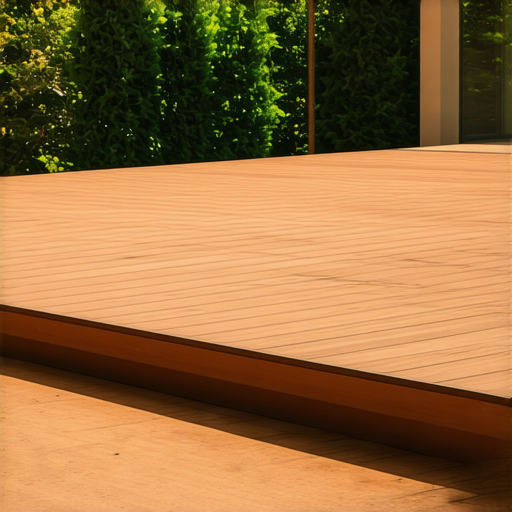

I vividly remember the moment I nearly lost my footing on my deck because I underestimated the importance of a sturdy, stylish railing. It was late spring, and I was eager to enjoy my new outdoor setup, but that shaky aluminum railing made me realize I had overlooked a crucial detail—safety and style go hand-in-hand. That lightbulb moment prompted me to dive deep into the world of outdoor railing systems, and let me tell you, the choices this year are more exciting than ever.
If you’re like me, you want your outdoor living area to be both beautiful and safe. Maybe you’ve faced similar concerns—worrying whether your current railing provides enough safety, or if it matches your home’s aesthetic. The good news? There’s a perfect solution waiting, and in 2024, the options blend cutting-edge design with unmatched durability.
Discovering the Right Railing System Can Feel Overwhelming
Choosing the best railing system isn’t just about aesthetics; it’s about peace of mind, safety, and complementing your overall outdoor design. With countless materials, styles, and technological innovations, it’s easy to feel overwhelmed. I encountered this firsthand when I initially selected an inexpensive, low-maintenance option that didn’t stand the test of time or weather—big mistake. That experience taught me the importance of digging into the details before making a final decision.
According to experts, a well-designed railing can significantly enhance outdoor safety while elevating curb appeal. In fact, the right railing system can even increase the value of your property—making it a smart investment for any homeowner. For a more in-depth look at design ideas that can boost your home’s appeal, you might want to explore some inspiring [deck design ideas](https://deckforgebuilders.com/innovative-deck-design-ideas-that-elevate-your-homes-curb-appeal).
Are you frustrated because your current railing feels more like an eyesore than a safety feature? Or perhaps you’ve hesitated to upgrade because you worry about choosing the wrong style or material? Rest assured, I understand the struggle. After all, creating an outdoor space that’s both secure and stylish is doable with the right guidance.
Up next, we’ll explore some of the top railing options of 2024, and I’ll share tips on how to select the perfect system that provides strength, style, and peace of mind—so you can enjoy your outdoor oasis without worry.
Select the Right Material for Durability and Style
Start by evaluating weather conditions and aesthetic preferences. For instance, composite decking offers low maintenance and resilience against the elements, making it a popular choice. I once opted for composite rails on my deck, and the decision paid off when they withstood a harsh winter without cracking or fading. Think of material selection as choosing the sturdy frame for a painting; it supports everything else and defines the overall look.
Measure and Plan Your Layout Precisely
Accurate measurement is critical. Use a durable tape measure and note every span to ensure your railing fits perfectly. I once misjudged the length of a section, leading to a last-minute trip to the hardware store. To avoid this, mark your measurements directly on your deck with painter’s tape, then double-check before purchasing materials. Proper planning guarantees a seamless installation process and prevents frustrating adjustments later.
Choose the Best Railing System for Your Needs
Review the top options, such as glass panels for a modern look or wrought iron for classic charm. In 2024, innovative systems like cable rails provide a sleek, unobstructed view while maintaining strength. I experimented with a cable rail system from this resource and found it straightforward to install, giving my deck a contemporary flair without sacrificing safety.
Prepare Your Space Before Installation
Clear the area thoroughly—remove furniture, plants, and debris. Look for underlying issues like rotting wood or uneven surfaces; these can compromise your railing’s stability. I once ignored uneven decking, causing my railing posts to wobble shortly after installation. Use a level tool to ensure your surface is even, and address any discrepancies beforehand for a sturdy foundation.
Follow Manufacturer Instructions Carefully
Align all components as specified in the instructions, paying attention to screw placements and anchoring points. Improper assembly jeopardizes safety. During my first attempt, I overlooked tightening a few screws tightly, which resulted in a shaky railing. To streamline the process, read through the manual once fully before starting, and use a power drill with adjustable torque settings to tighten screws adequately without damaging components.
Secure Your Railing and Test Its Strength
Once assembled, firmly secure all components and perform stress tests—push gently to ensure stability. I once installed a railing too loosely, leading to wobbles when leaned upon. After tightening all bolts, I tested its firmness and confirmed it could withstand a typical push. This step helps prevent accidents and guarantees long-term safety.
Enhance Safety with Proper Lighting and Maintenance
Ensure the railing is visible at night by adding lights or reflective elements. Regularly inspect for loose fittings, rust, or damage, especially after harsh weather. I added solar-powered LED strips along my railing, dramatically improving visibility after sunset. Scheduling routine checks, such as semi-annual inspections, prolongs the lifespan and maintains safety standards.
Many homeowners believe that all composite decking and outdoor railing systems are created equal, but in my experience, this couldn’t be further from the truth. One of the most pervasive myths is that composite materials are completely maintenance-free and impervious to issues like warping or fading. While advancements have significantly improved durability, some products still struggle under harsh weather conditions if not chosen carefully. For example, lower-quality composites may degrade over time, cracking or staining, especially in areas with intense sunlight or humidity. To avoid costly replacements, it’s essential to select products backed by reputable manufacturers—like those listed on [trusted railing systems resource](https://deckforgebuilders.com/trusted-railing-systems-deck-design-tips-for-outdoor-safety). I advise researching the specific composite formulations and UV resistance levels to ensure longevity.
Another misconception surrounds deck design principles. Many think that more elaborate layouts naturally translate to better aesthetics, but in reality, overcomplicating your deck can lead to structural vulnerabilities and increased maintenance burdens. A common mistake is neglecting to account for proper load distribution and drainage, which can cause uneven settling or water pooling. Instead, prioritize solid foundational planning—incorporating proper slope and support systems. For inspiration, see some innovative deck design ideas that elevate your outdoor spaces.
When it comes to railing systems, some assume that style should always trump safety. But in my opinion, combining both is vital. A sleek glass railing may look stunning but can compromise safety if not installed with the right anchoring or if the glass is not hardened. Conversely, overly ornate wrought iron might be beautiful but less durable without adequate protective coatings. The key lies in selecting metal or glass systems that meet safety standards—like those highlighted in [deck safety guides](https://deckforgebuilders.com/best-railing-systems-deck-designs-for-outdoor-safety). Remember, engineering nuances, such as the gauge of metal or tempered glass thickness, make all the difference.
The hidden nuance I want to uncover today involves pergola integration with your deck. Many overlook how a poorly designed pergola can hinder functionality or aesthetic appeal. For instance, a common mistake is positioning a pergola that obstructs views or interferes with wind flow, creating discomfort. Instead, consider pergola designs that complement your deck layout while providing shade and privacy—like those featured in [pergola design ideas](https://deckforgebuilders.com/pergola-designs-that-turn-your-garden-into-a-sanctuary).
Are you aware of how subtle engineering choices impact the longevity and safety of your outdoor space? For example, choosing the wrong hardware or neglecting proper fastening techniques can lead to sagging or collapse over time. Consult expert guidelines and ensure that your installation aligns with manufacturer specifications to avoid unexpected failures. Remember, investing in quality components and proper techniques pays off in the long run.
**What about the advanced question—how do thermal expansion and contraction affect composite decking and railing systems?** According to recent studies, like those compiled by the [National Association of Home Builders](https://www.nahb.org), understanding the thermal properties of composite materials is crucial. Without proper allowances for expansion, joints can loosen or buckling can occur during temperature fluctuations, leading to safety hazards and repair costs. Incorporating flexible fasteners or expansion gaps ensures your outdoor structures remain stable through seasonal changes.
In essence, avoiding these common myths and paying attention to the nuanced engineering details can elevate your outdoor project from good to exceptional. Have you ever fallen into this trap? Let me know in the comments and share your experiences.
Choosing the Right Tools for Long-Term Success
Investing in quality tools is fundamental to maintaining and enhancing your decking, railing, and pergola setups. I personally rely on a digital angle finder for precise measurements when installing new components, ensuring everything aligns perfectly and reducing errors over time. A pressure washer with adjustable nozzles helps me keep surfaces clean without damaging the material—especially crucial for composite decking, which benefits from gentle cleaning to preserve its appearance. Wiring a smart sensor system allows me to monitor structural stability and detect issues early, saving costly repairs down the line.
Scheduling Routine Maintenance to Prevent Problems
Regular inspections are non-negotiable. I perform visual checks every quarter, looking for signs of wear, rust, or loose fittings, coupling that with a quick test of stability—like gently pushing on railings or pergolas—to spot potential weaknesses. Applying protective sealants annually to metal components prevents corrosion, while cleaning surfaces with industry-approved solutions keeps mold and grime from accumulating. Routine maintenance not only prolongs the lifespan of your outdoor features but also keeps safety at the forefront, especially when hosting family or friends.
Leveraging Technology for Longevity
In my experience, integrating smart maintenance tools offers peace of mind. Devices like moisture sensors embedded in decks alert me to trapped water, which can lead to rot if neglected. Similarly, software platforms allow scheduling and tracking maintenance activities, ensuring nothing falls through the cracks. Looking ahead, the trend is moving towards automated systems that diagnose and even perform minor repairs—think of it as having an outdoor handyman on call, 24/7.
How do I maintain composite decking and railing systems over time?
Composite decking has come a long way, but its durability still hinges on regular cleaning and protective measures. I recommend using a soft-bristle brush and eco-friendly detergent to remove dirt without scratching the surface. For railing systems, especially those made of metal or composite merges, periodic lubrication of moving parts prevents squeaks and corrosion. Some experts suggest applying a UV-resistant sealant every couple of years to mitigate fading—check out the latest trends in composite decking care for detailed guidance. Remember, a proactive approach reduces the risk of costly repairs down the road—try implementing a monthly maintenance checklist to stay ahead.
Among the myriad of tools, I’ve found that a multi-purpose cordless drill with various bits is invaluable for tightening fittings, installing new fixtures, or making adjustments as your outdoor setup evolves. For software, a simple project management app helps me track maintenance schedules and deadlines seamlessly. Predicting future trends, I believe that adaptive, IoT-enabled systems will increasingly personalize outdoor care, offering real-time diagnostics and automated maintenance alerts—making longer-lasting decks and structures more accessible to homeowners like you.
Don’t wait until a small issue becomes a major problem—use these expert tools and tips to keep your outdoor investments in top shape. Incorporate a smart moisture sensor or set up a regular cleaning routine, and you’ll be surprised how much longer your composite decking and railing systems last without hassle.
The Hidden Lessons From My Deck Disaster
One of the most valuable lessons I learned about composite decking and deck design is that overlooking small details can lead to big problems later. For instance, I once chose a cheap railing system without considering UV resistance, only to find it fading and warping after a single summer—teaching me to prioritize quality over price and trust reputable brands. Another insight was realizing that proper measurement and planning aren’t just tedious steps but crucial ones that save time and prevent costly errors in the long run. Lastly, I discovered that regular maintenance, even for low-maintenance materials like composite, extends your outdoor space’s beauty and safety, reinforcing that commitment pays off in durability and peace of mind.