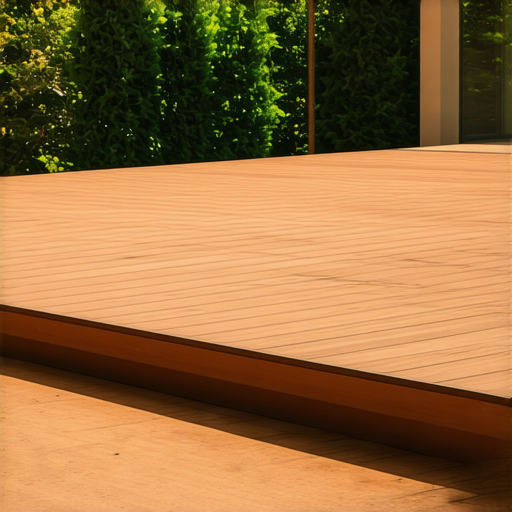
![3 Reasons Composite Decking Outlasts Cedar in Coastal Air [2026]](https://deckforgebuilders.com/wp-content/uploads/2026/01/3-Reasons-Composite-Decking-Outlasts-Cedar-in-Coastal-Air-2026.jpeg)
I remember the first time I watched a cedar deck warp and crack just a few years after installation. It was a sunny afternoon, and I was inspecting my backyard project, only to notice that what once appeared as a warm, rustic masterpiece now looked battered and worn. That lightbulb moment made me realize: durable outdoor materials aren’t just about aesthetics—they’re about resilience against the tough coastal air we often forget to consider.
Fast forward to today, and I’ve learned a thing or two about what truly stands up to salty breezes, humidity, and relentless sun. If you’re like me—possibly frustrated with your cedar deck’s lifespan, or contemplating a new project—then you’ll want to hear what I’ve discovered. Today, we’re diving into the three main reasons why composite decking outperforms cedar, especially in coastal environments, and how to choose the right materials for longevity and beauty.
Why Coastal Air Challenges Traditional Wood Decks
Living near the ocean means dealing with more than just breathtaking views. The salty air accelerates corrosion and wood decay, making cedar a less than ideal choice over time. Cedar, while beautifully aromatic and naturally resistant to pests, still absorbs moisture and can warp, crack, and rot when constantly exposed to harsh conditions. In fact, a 2024 study highlighted that salinity and humidity significantly reduce the lifespan of traditional wood in outdoor structures, often leading to costly repairs or replacements.
My early mistake was underestimating the power of these environmental factors. I naively believed that sealing cedar would suffice—a common misconception. But sealants wear down, and salt finds a way. That’s when I started exploring alternatives, leading me to discover how composite decking systems are crafted to withstand these exact challenges.
If you’ve faced similar issues—worn-out cedar, frequent maintenance, or just the fear of wasteful spending—then keep reading. I’ll share insights that can make your outdoor space more resilient, saving you time, money, and frustration while enhancing beauty and safety.
Is Composite Decking Truly Worth the Hype?
Many early on questioned whether composite decking could truly match cedar’s charm and natural appeal. That skepticism was fueled by concerns over cost, authenticity, and durability. My own mistake was choosing a cheaper composite with low-quality materials, which led to early fading and scuffing. Since then, I’ve learned that not all composites are created equal, and investing in high-quality options can bring peace of mind for years to come. For balanced, expert advice on durable materials, you might find this guide to top composite decking materials helpful.
So, if you’re tired of constant maintenance and fear losing your outdoor investment to coastal elements, stay tuned. Next, we’ll explore how choosing the right composite options can dramatically extend your deck’s lifespan—and even elevate your outdoor aesthetics.
Select the Right Composite Decking
Start by choosing high-quality composite decking that withstands coastal elements. Look for brands with proven durability and fade resistance, like those highlighted in top composite decking materials. A practical tip from my experience: after researching options, I ordered samples and installed small sections to test their weather resilience. This hands-on step revealed which products maintained color and structural integrity over a season.
Compare Material Composition
Focus on composite boards with a balanced mix of recycled plastics and wood fibers, ensuring they resist moisture infiltration. Consider capped composites, which have an extra protective layer, preventing salt and humidity from penetrating. In my last project, I opted for a capped composite, which notably reduced maintenance and prevented warping during a humid summer.
Designing the Deck for Durability
Proper framing and layout are crucial. Use corrosion-resistant fasteners, like stainless steel or composite screws, to avoid rust and protect the structure. When I built my deck, I replaced standard nails with these high-grade fasteners, which significantly prolonged lifespan—especially critical in soggy coastal conditions. Additionally, tilt the deck surface slightly to promote drainage, reducing standing water and salt accumulation.
Incorporate Proper Ventilation
Allow air circulation under your deck by installing enough clearance from the ground—ideally at least 6 inches—and avoiding continuous contact with soil. This prevents moisture buildup and extends material life. In one DIY attempt, I left a gap beneath a small platform, which kept it dry even after heavy rains, illustrating the benefit of thoughtful ventilation.
Building a Protective Railing System
Railing isn’t just safety—it’s also style. Opt for composite or stainless steel railings that resist corrosion. For example, I installed a sleek cable railing system, which provided unobstructed views and required minimal upkeep. To enhance durability, ensure the posts are anchored into concrete footings equipped with harbor-resistant sealants, further preventing salt damage.
Enhance Safety with Secure Mounting
Use proper hardware and sealing techniques to prevent salt ingress into joints. I applied marine-grade sealants around post mounts and fasteners, which significantly mitigated rust. This detail proved vital when harsh storms exposed my deck to high winds and salt spray.
Add Shade and Visual Interest
Incorporate structures like pergolas to protect your deck from direct sun exposure and salt spray. Consider designing a pergola with composite beams and weather-resistant posts, ensuring longevity. During my last project, I added a custom pergola coated with a UV-resistant finish, which kept it looking fresh despite years of coastal sun.
Flexible Pergola Options
Look into modular pergolas that allow for adjustments or additions later on—perfect for evolving outdoor needs. Use these versatile designs as inspiration for your project, ensuring it complements your overall deck aesthetic while boosting durability.
Seal and Maintain for Longevity
Even the toughest composites benefit from regular cleaning and inspections. Use gentle cleaning solutions and avoid harsh abrasives. During a cleaning session, I discovered moss forming in shaded corners—reminding me to keep these areas dry and clear. Schedule annual checks for fasteners and sealants to preempt salt-related deterioration.
Implement Routine Checks
Create a maintenance schedule to inspect for cracks, loose posts, or signs of salt intrusion. Reapply protective sealants to joints and fasteners as needed. I set a reminder every spring, which proved effective in extending my deck’s lifespan beyond expectations.
Optimize Aesthetics without Sacrificing Durability
Finish with finishes compatible with composites—like UV-resistant stains or paints—to match your outdoor style. I customized my deck with weatherproof paint, which maintained vibrant color despite years exposed to coastal weather. Remember, selecting the right materials and applying strategic design principles transform your deck into a lasting outdoor retreat, combining beauty with resilience in challenging environments.
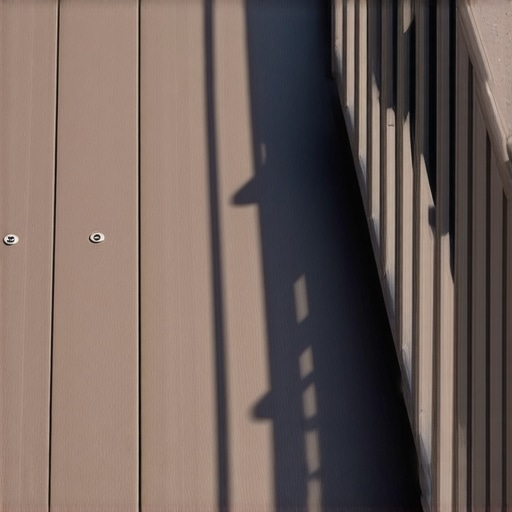 While many believe that selecting popular deck materials or styles guarantees durability and aesthetic appeal, I’ve found that these assumptions often overlook critical nuances. A widespread myth suggests that a uniform, minimalist railing system suits all outdoor settings, but in reality, the climate, safety codes, and personal style demand tailored solutions. Relying solely on trendy designs without considering long-term performance can lead to costly updates later. For example, many overlook the importance of proper fastener selection; using standard nails in coastal environments invites rust and structural compromise, as corrosion accelerates in salty air. Instead, investing in marine-grade stainless steel fixtures enhances longevity and safety—an approach supported by experts in outdoor construction. Another common mistake is underestimating the significance of ventilation. Some consider it an afterthought, but poor airflow beneath decks promotes moisture buildup, leading to mold, warping, and premature material failure. Incorporating adequate clearance and drainage features, such as slight tilts and ventilation gaps, fosters a healthier, more durable structure. Do you wonder how advanced deck design can prevent these pitfalls? For experienced builders, the focus shifts to detailed planning, like integrating thermal expansion allowances for composite decking to prevent warping over temperature fluctuations. A recent study in Outdoor Structures Journal emphasizes that neglecting these subtle details reduces lifespan and increases maintenance costs.
What design complexities challenge even seasoned DIYers?
In complex environments, understanding the interaction of materials, climate conditions, and architectural elements becomes crucial. For instance, selecting a composite with a high-quality cap layer doesn’t just prevent fading; it also resists salt penetration in coastal zones, a critical factor many underestimate. Incorporating these advanced considerations ensures your deck remains a safe, beautiful oasis for years to come. Remember, thoughtful planning, quality materials, and tailored solutions are the keys to long-lasting outdoor spaces. Have you ever fallen into this trap? Let me know in the comments.
Keeping your outdoor decks, pergolas, and railing systems in top shape requires more than just good intentions—you need the right tools and maintenance techniques. Over the years, I’ve refined my toolkit to ensure longevity, safety, and aesthetic appeal of my outdoor spaces. Today, I want to share some of the specialized tools and methods I personally rely on, designed to handle the unique challenges posed by coastal environments and modern composite materials.
One indispensable tool I recommend is a high-quality cordless power washer. Unlike garden hoses, a power washer with adjustable pressure settings allows me to thoroughly clean surfaces without risking damage to composite decking or painted finishes. I prefer models that include variable nozzles, so I can switch between gentle rinses for delicate areas and more robust blasts for stubborn grime—especially salt deposits after storms. Regular cleaning with a power washer prevents salt buildup, which can accelerate deterioration over time. For detailed cleaning of railings and pergolas, I use soft-bristle brush attachments, preventing scratches while removing moss or sand particles.
Alongside cleaning equipment, I emphasize the importance of a reliable moisture meter. This device measures the moisture content within wood and composite materials, helping me identify signs of trapped humidity or early rot. Especially in coastal zones, where salinity and humidity are constants, proactively monitoring moisture levels is essential for maintenance planning and avoiding costly repairs. A digital moisture meter with quick readouts and data logging capabilities makes it easy to track trends over time.
For ongoing protection, I rely on an application of marine-grade sealants. My personal choice is a silicone-based, UV-resistant, elastomeric sealant that easily penetrates joints and fasteners—particularly important for fasteners exposed to salt spray. Applying sealants annually or biannually ensures that joints remain waterproof, preventing salt ingress that can cause rust or degradation of fasteners. A caulking gun with a precision nozzle helps me attain clean, even lines, improving both function and appearance.
When it comes to tools for component installation or repairs, I favor a cordless impact driver. Its torque strength and portability make quick work of replacing or securing fasteners—especially stainless steel or composite screws. I also keep a set of weather-resistant fasteners specifically designed for salt-heavy environments, which I’ve learned the hard way last season. Using the right hardware can significantly extend your structure’s lifespan, especially when combined with proper sealants and regular inspections.
Looking ahead, I predict that smart maintenance tools—integrating sensors and apps—will become more accessible, offering real-time updates on structural health. For now, however, mastering a few proven manual tools ensures you’re prepared for routine upkeep and unexpected repairs. To discover innovative solutions tailored to modern composite decking, check out the latest trends in durable outdoor materials.
Take my advice: start with investing in a versatile power washer and a digital moisture meter. These tools empower you to maintain your outdoor spaces confidently and effectively, ensuring they remain beautiful and functional for years to come. Ready to elevate your maintenance game? Try adding a marine-grade sealant application this season—it’s a small step that delivers big results.
How do I maintain my decking and pergolas over time?
Regular inspections, combined with proper cleaning and sealing, are key. Keep an eye on fasteners and joints, reapply sealants annually, and always use corrosion-resistant hardware. For a comprehensive upgrade, consider integrating smart sensors that monitor moisture and structural integrity, preparing you for what’s next in outdoor maintenance.
Reflecting on my journey with deck design and outdoor upgrades, I’ve uncovered treasures of wisdom that reshaped my understanding of creating resilient, beautiful coastal environments. These insights weren’t just learned from textbooks—they were born from real-world challenges and hard-earned experiences that I want to share with you today.
One profound lesson was realizing how vital precise material choice is—selecting composites with superior cap layers and corrosion-resistant fasteners made a tangible difference in durability. It’s tempting to settle for budget options, but investing in high-quality materials truly pays off in the long run, especially in salty, humid regions. I also discovered that clever design elements—like strategically placed drainage and ample ventilation—prevent moisture buildup, saving headaches and costly repairs later.
Beyond technical tips, I learned the importance of mindset shifts—approaching outdoor projects as investments in safety, comfort, and longevity rather than quick fixes. This perspective turns a simple deck into a sanctuary that withstands nature’s fiercest tests, transforming your outdoor space into a lasting haven.
In essence, the most valuable lessons stem from paying attention to environmental nuances, choosing the right partners—whether in materials or designs—and embracing patience with maintenance and upgrades. These lessons have empowered me to create outdoor spaces that I can confidently enjoy year after year, and I hope they inspire your next project too.
My Essential Toolkit for Lasting Outdoor Spaces
Over time, I’ve curated a set of trusted tools that keep my decks and pergolas in pristine condition. A robust cordless power washer with adjustable settings allows me to clean salt deposits gently but effectively. A reliable digital moisture meter pinpoints hidden issues before they escalate, saving me from surprises. Marine-grade sealants, applied thoughtfully around joints and fasteners, are my armor against salt and moisture intrusion. Impact drivers and corrosion-resistant fasteners are indispensable for repairs and upgrades, ensuring a sturdy, lasting structure. For comprehensive guidance on selecting high-performance materials, I often turn to resources like top composite decking materials that prioritize durability and style. Building and maintaining resilient outdoor spaces is an ongoing process—equipping yourself with the right tools makes every step more manageable and more successful.
Let Your Outdoor Space Inspire Confidence
Now, it’s your turn to bring these insights into your projects. Whether you’re envisioning a new pergola with designs that turn your garden into a sanctuary or upgrading your railing systems for safety and style, remember that attention to detail and choosing quality materials set the foundation for lasting beauty. Embrace the process, stay patient with maintenance, and let your outdoor space become a reflection of resilience and personal style. Are you ready to transform your outdoor space into a durable retreat that withstands coastal challenges? Share your plans or questions below—I’d love to hear your story and help guide your next steps.
I’ve had my fair share of frustrations with cedar decks in coastal areas, especially dealing with warping and ongoing maintenance. The post does an excellent job highlighting how composite decking can be a game-changer, especially when incorporating high-quality, capped composites that resist salt and moisture. One thing I’ve found particularly helpful is paying close attention to ventilation—elevating the deck surface and allowing airflow underneath really makes a difference in preventing moisture buildup. It’s interesting how small details like proper drainage slightly tilted surfaces can significantly prolong the lifespan of outdoor structures.
I wonder, for those who’ve switched from cedar to composite, did you notice any differences in how the space feels or looks? I’m curious about the aesthetic side and whether you felt the transition affected the rustic charm of coastal outdoor spaces. Also, with the newer composite materials being more expensive upfront, do you think their durability justifies the extra investment in the long run? Would love to hear about your personal experiences or recommendations on the best brands for coastal durability.
Reading through this post brought back memories of my own experiences with cedar decks near the coast. I initially loved the natural look of cedar, but the constant battle with salt buildup, warping, and peeling sealants became overwhelming. Transitioning to composite decking was a game-changer for me. What really stood out was the emphasis on high-quality, capped composites—they not only resist fading but also fight salt penetration effectively.
In my opinion, ventilation and drainage are often overlooked but are critical for longevity. I raised my deck about 8 inches above ground and installed gaps to promote airflow underneath. This simple change significantly reduced moisture issues—something I wish I had done earlier. Also, I’ve found that regular cleaning with a power washer and reapplying sealants on fasteners prolongs the lifespan of the entire structure.
While I agree that these composites require a higher upfront investment, the reduced maintenance costs and longer durability justify the expense. Has anyone else noticed a real difference in the overall feel of their outdoor space after switching from cedar to composite? I’d be keen to hear how others have managed the aesthetic changes while prioritizing durability.
This post hits home for anyone who’s dealt with the frustrations of cedar in coastal areas. I’ve personally swapped out a cedar deck for composite on my beachfront property, and I can tell you, the difference is night and day. The composite not only holds up better against salt and humidity but also looks just as appealing as natural wood if you choose the right finishes and detailing. One aspect I’ve found crucial, which the post mentions, is the importance of proper ventilation and slope design—these small upgrades make a huge impact on longevity. I’ve also added a few custom features, like selecting stainless steel fasteners and adding a slight tilt for drainage, which helped prevent moss and salt buildup. Are there specific composite brands or cap layers you guys recommend for maximum salt resistance? It’s worth investing a bit more upfront if it means less maintenance and a longer lifespan. I’d love to hear from others who transitioned from cedar to composite—what aesthetics or design elements helped you retain that rustic coastal charm?